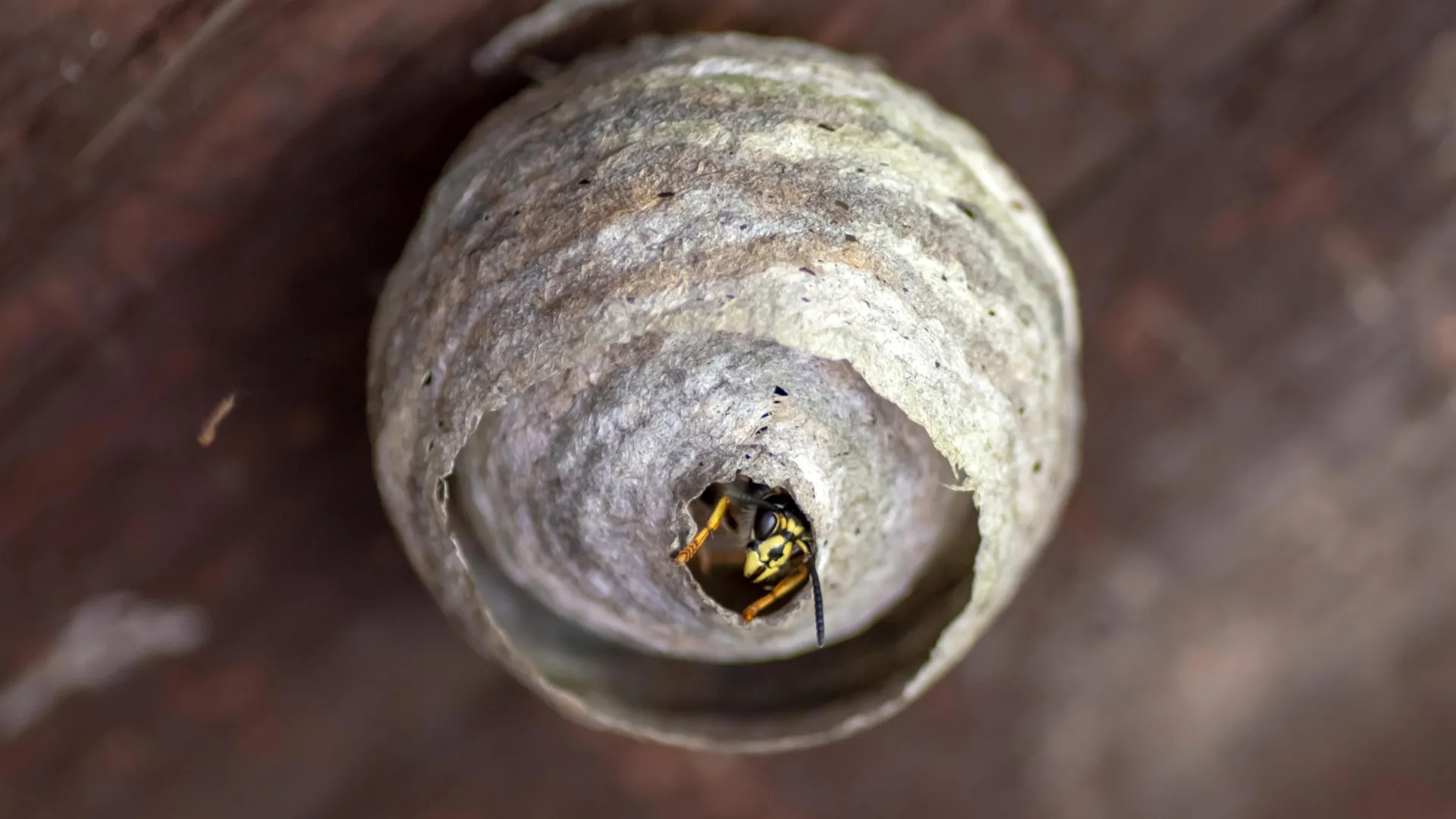
The seasonal transition from spring to summer in the United Kingdom is historically marked by the predictable emergence of common social wasps. For entomologists and the general public alike, the buzzing of Vespula vulgaris and Vespula germanica is a hallmark of the warmer months, often associated with outdoor social gatherings and the occasional pest control intervention. However, the summer of 2026 has deviated sharply from established ecological patterns. Reports from across the country indicate a significant, widespread decline in wasp activity, leading to a notable absence of the typical "plague of wasps" narratives that usually dominate mid-summer media cycles.
This phenomenon, while currently supported primarily by observational data and anecdotal evidence from pest management professionals, has triggered an urgent investigation within the scientific community. As researchers scramble to quantify the extent of this population drop, questions are being raised regarding the complex interplay between unprecedented climatic volatility and the life cycles of one of nature’s most misunderstood, yet ecologically vital, insects.
A Chronology of Climatic Anomaly
The 2026 wasp season began under seemingly ideal conditions. During the early spring, a period of mild, stable temperatures allowed a robust cohort of foundress queens to emerge from hibernation. These queens, tasked with the solitary responsibility of establishing nests, foraging, and rearing the first generation of workers, were poised for a successful reproductive season.
However, the meteorological landscape shifted rapidly. Following the promising start, the UK entered a period of extreme, oscillating weather patterns. Unprecedented heat events were abruptly interrupted by cold, damp fronts and unseasonably chilly nights. For a developing colony, these environmental shifts are critical. A nest that is not yet established is highly susceptible to abandonment or total failure when the foundress queen is forced to contend with environmental stress. Evidence suggests that the initial bounty of spring queens was likely depleted during these periods of thermal instability, leaving a significantly reduced population to continue the growth cycle.
The Thermal Threshold and Insect Biology
The resilience of social wasps to heat is well-documented in entomological literature. Through sophisticated thermoregulation behaviors, such as wing-fanning to circulate air and the construction of insulated, paper-based nest structures, wasps typically buffer their brood against environmental fluctuations. Furthermore, their cuticular hydrocarbons—the waxy molecules coating their exoskeletons—undergo structural changes in response to high temperatures to prevent desiccation.
Despite these adaptations, 2026 proved to be an outlier. As heatwaves persisted, surface temperatures in parts of the UK frequently exceeded 50°C. While wasps possess a higher resilience than many other insects, their critical thermal maximum (CTmax) is estimated to be approximately 45°C. When ambient and ground temperatures consistently hover near or exceed this threshold, the biological cost becomes unsustainable.
This is not a singular issue for wasps. Recent data from the Bumblebee Conservation Trust indicates that similar climatic stressors are affecting other pollinators, with bumblebee populations suffering from reduced foraging efficiency and the widespread withering of nectar-rich flowers. While butterflies have shown some capacity to capitalize on the warmer, dry spells for mating and egg-laying, the overall trend for social insects in 2026 appears to be one of increased vulnerability to heat-induced physiological stress.
Nutritional Deficits and Stunted Development
Beyond the initial failure of queen establishment, a secondary, equally concerning trend has emerged: the physical size of the individual wasps observed in the field. Entomologists have noted that the specimens currently being spotted are unusually small, often reflecting the size of first-generation spring workers rather than the larger, more robust workers typically produced by mid-summer.

The size of an adult wasp is determined entirely during its larval stage; once an insect reaches the pupal stage, it cannot grow further. A larva’s final size is a direct function of the quality and quantity of protein provided by the workers. The current prevalence of "spring-sized" wasps suggests a significant failure in the food chain. With restricted availability of prey—such as caterpillars and other insects—colonies have been unable to provide the necessary nutrition to support full-sized development.
This phenomenon aligns with long-term studies on global warming, which have observed a gradual, century-long trend of shrinking body sizes in various insect species. The 2026 season appears to be an accelerated microcosm of this trend, where extreme heat and reduced prey diversity have created a "developmental bottleneck."
Economic and Ecological Implications
The lack of wasp activity has caught the attention of the professional pest control sector. Data from industry associations suggests a marked decrease in service requests for nest removal compared to the previous year. While this may be perceived as a benefit for the public, it represents a significant disruption to the ecosystem.
Wasps function as critical pest controllers, predating on garden and agricultural pests that might otherwise proliferate. They also act as essential pollinators and decomposers, playing a role in nutrient cycling. The absence of these insects could have cascading effects on local biodiversity. If the decline persists, agricultural sectors may notice a lack of natural pest regulation, potentially leading to increased reliance on chemical interventions.
Scientific Mobilization: The Wasp Picnic Survey 2026
Recognizing that individual anecdotes are insufficient to draw definitive conclusions, the scientific community is moving to formalize data collection. The Big Wasp Survey, the UK’s primary national monitoring project, is currently undergoing its seasonal sampling, which will provide the first robust dataset on the population shift.
In parallel, research teams are calling for public participation to help bridge the knowledge gap. Initiatives such as the "Wasp Picnic Survey 2026: Ham or Jam?" encourage citizens to observe, document, and report wasp behavior. By collecting photographic evidence of how these insects interact with food sources in a landscape stripped of their natural prey, researchers hope to better understand the nutritional strategies wasps are employing to survive this hostile season.
Looking Toward the Future
The 2026 wasp season serves as a stark reminder of the sensitivity of insect populations to climate change. While these creatures are often viewed with apprehension, their role as biological barometers is undeniable. The current silence in our parks and gardens is not merely a seasonal curiosity; it is a signal of broader environmental shifts that demand closer monitoring.
As the summer progresses, the data collected from both formal surveys and citizen science initiatives will be vital in determining whether this is a localized, temporary dip or a harbinger of a more permanent change in the population dynamics of one of the UK’s most essential insects. For now, the "Wasp Picnic Survey" remains the primary point of contact for researchers attempting to decipher the mystery of the missing wasps, providing a rare opportunity for the public to contribute directly to the understanding of an unfolding ecological event. Whether these insects recover in the coming months remains to be seen, but the data harvested this summer will undoubtedly inform the next decade of entomological research regarding the impact of heatwaves on social insect resilience.