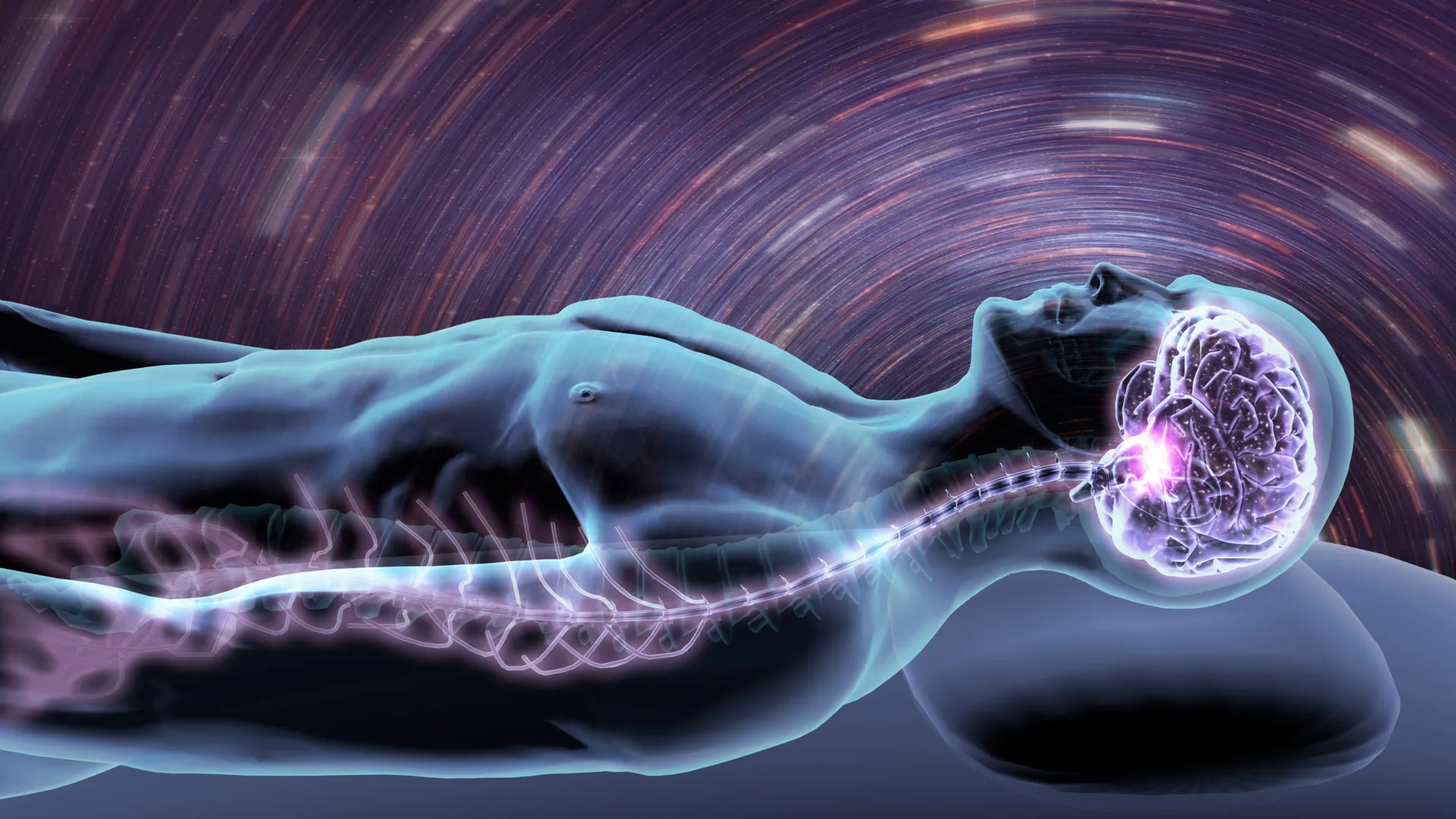
For years, the public debate surrounding caffeine consumption has centered on a binary question: does that late-afternoon espresso prevent you from falling asleep? While anecdotal evidence has long suggested that some individuals possess a "caffeine immunity" that allows them to consume stimulants hours before bed without issue, contemporary sleep science is moving beyond the simple metrics of sleep onset and total duration. Researchers are increasingly discovering that the most significant impact of caffeine is not necessarily the delay of sleep, but rather the systematic degradation of what occurs once the eyes are closed and the brain enters its nocturnal state.
The Shift from Duration to Depth: The Role of EEG Technology
To understand how caffeine influences the architecture of sleep, scientists have shifted their focus toward electroencephalography (EEG). Unlike traditional sleep studies that rely on actigraphy—measuring movement or simple time-in-bed—EEG provides a high-resolution window into the brain’s electrical landscape. By recording neural oscillations, researchers can distinguish between merely being unconscious and achieving the restorative, deep-sleep cycles necessary for cognitive and physical maintenance.
Prof. Donata Kurpas of the Department of Nursing at Wroclaw Medical University notes that the transition in research methodology has been transformative. "Classical sleep assessment, which focuses heavily on duration and transition between stages, is increasingly being supplemented by quantitative EEG analysis," Kurpas explains. "This allows us to observe subtle but critical changes, such as the suppression of slow-wave activity (SWA), which acts as the primary marker for the restorative quality of rest."
Slow waves are the hallmark of non-rapid eye movement (NREM) stage 3 sleep, also known as deep sleep or slow-wave sleep. During this phase, the brain undergoes a process of glymphatic clearance, removing metabolic waste products that accumulate during waking hours. When caffeine interferes with these oscillations, the brain fails to achieve the "deep" state required to replenish energy reserves and maintain neuroplasticity.
Chronology of a Vicious Cycle: The Stimulant-Fatigue Loop
The relationship between caffeine and fatigue has evolved into a societal reliance. Historically, caffeine was a luxury; today, it is a primary tool for maintaining productivity in a 24-hour global economy. The timeline of this dependency often follows a predictable, albeit detrimental, trajectory:
- The Morning Spike: A user consumes caffeine to initiate alertness, masking the physiological "sleep pressure" (adenosine buildup) that remained from the previous night.
- The Afternoon Redline: As the half-life of the caffeine wanes, users often ingest a second or third dose to maintain cognitive performance.
- The Nocturnal Illusion: The individual goes to bed. Because the caffeine has not fully cleared their system, it disrupts the neural architecture of their sleep, specifically targeting the depth of their rest.
- The Next-Day Deficit: The individual wakes up feeling unrefreshed, despite having spent seven or eight hours in bed.
- The Reinforcement: Feeling fatigued, the individual restarts the cycle, often increasing the dosage to achieve the same level of perceived alertness, effectively "borrowing" energy from a future state of exhaustion.
This cycle, described by sleep medicine experts as a "vicious circle," creates a scenario where the brain is never fully restored. The subject may report feeling "fine" because they are not experiencing overt insomnia, yet their neurological recordings reveal a brain that is consistently closer to a state of "wakefulness" than a state of deep, restorative repair.
Supporting Data: Why "Falling Asleep" is Not Enough
Data from various sleep clinics indicate that caffeine’s half-life—the time it takes for the body to eliminate half of the ingested caffeine—typically ranges from three to seven hours for the average adult. This means that a cup of coffee consumed at 4:00 PM may still be exerting a physiological effect at 10:00 PM.
Recent studies involving quantitative EEG analysis have shown that even when caffeine does not prevent sleep onset, it significantly reduces the power spectral density of slow-wave activity. In practical terms, this means that while the subject is unconscious, their brain is failing to enter the deep-delta-wave state necessary for memory consolidation and physical repair. The implications are profound: chronic reduction in slow-wave activity is linked to increased risk of cognitive decline, metabolic dysregulation, and impaired emotional regulation.
Individual Variability and the Genetic Component
A significant hurdle in standardizing caffeine consumption guidelines is the high degree of inter-individual variability. Research confirms that several factors influence how a person metabolizes caffeine:
- Genetics: Variations in the CYP1A2 gene determine how quickly the liver metabolizes caffeine. "Fast metabolizers" may clear caffeine rapidly, while "slow metabolizers" experience the stimulant effects for significantly longer periods.
- Metabolic Age: As the body ages, metabolic pathways often become less efficient, extending the duration that caffeine remains active in the system.
- Chronic Stress: High levels of cortisol can alter the body’s sensitivity to stimulants, often creating a paradoxical effect where the user feels "wired but tired."
- Total Daily Load: The cumulative effect of caffeine—the total milligram intake across the day—is often more predictive of sleep quality than the time of the final cup.
Expert Consensus and Broader Implications
The professional consensus among sleep researchers is that caffeine is a potent pharmacological agent, not merely a dietary habit. When viewed through the lens of public health, the widespread, indiscriminate use of caffeine presents a challenge to societal sleep health.
"Caffeine is neither inherently ‘good’ nor ‘bad,’" Prof. Kurpas states. "It is a biologically active substance. The issue arises when we treat it as a neutral beverage rather than a pharmacological intervention that dictates our neurological state."
The implications for high-performance sectors—such as emergency medicine, professional athletics, and military operations—are substantial. In these fields, the reliance on caffeine to offset sleep deprivation is common. However, the scientific evidence suggests that while caffeine maintains the appearance of focus, it does so at the cost of the very recovery processes required for long-term health and peak decision-making capability.
Conclusion: The Path Toward Conscious Consumption
As science continues to peel back the layers of sleep architecture, the takeaway for the public is clear: duration is a poor metric for health. The focus must shift toward the biological quality of sleep. If an individual is reliant on caffeine to function, they may be masking a deeper, more systemic issue of sleep quality that no amount of morning espresso can rectify.
For the average consumer, the path forward involves a more intentional relationship with stimulants. This includes tracking total daily intake, recognizing the individual’s metabolic threshold, and acknowledging that the absence of insomnia does not equate to the presence of restorative sleep. By understanding that caffeine can effectively "shift" the brain toward a wakeful state even during the night, individuals can make more informed choices about their consumption habits, prioritizing neurological recovery as the foundation for daily performance. The goal is to move from a culture of perpetual stimulation to one that respects the delicate, electrically driven cycles of the human brain.