Since its inception in 1921, Science News has served as a cornerstone of independent, nonprofit scientific journalism, bridging the gap between complex research and the public’s understanding of the world. Published by the Society for Science—a 501(c)(3) organization—the publication has maintained a singular mission for over 100 years: to empower individuals with accurate, evidence-based information regarding the latest advancements in science, medicine, and technology. In an era increasingly defined by misinformation, the role of such a publication has evolved from a simple repository of facts into an essential tool for public literacy and critical thinking.
The Genesis of an Independent Voice
The history of Science News is inextricably linked to the early 20th-century push for scientific transparency. Founded in the wake of World War I, the publication was created to provide a conduit for researchers to share findings with a broader audience. At the time, the scientific community operated in silos, often inaccessible to those outside of academic institutions. By establishing a nonprofit model, the Society for Science ensured that its reporting remained insulated from the commercial pressures that often dictate the agendas of mainstream media.
The organization’s founding mandate—to promote the understanding and appreciation of science—has remained consistent throughout its tenure. Operating under the administrative guidance of the Society for Science, the publication leverages its EIN 53-0196483 status to maintain rigorous editorial independence. This structural framework allows for a focus on long-form, investigative, and explanatory journalism that prioritizes factual integrity over click-driven metrics.
A Chronology of Scientific Communication
The evolution of Science News mirrors the trajectory of modern scientific discovery. Throughout the 1920s and 1930s, the publication focused on reporting the foundational shifts in physics, such as the implications of Einstein’s relativity and the early developments in quantum mechanics. These decades established the publication’s reputation for translating high-level theoretical work into language accessible to the educated layperson.
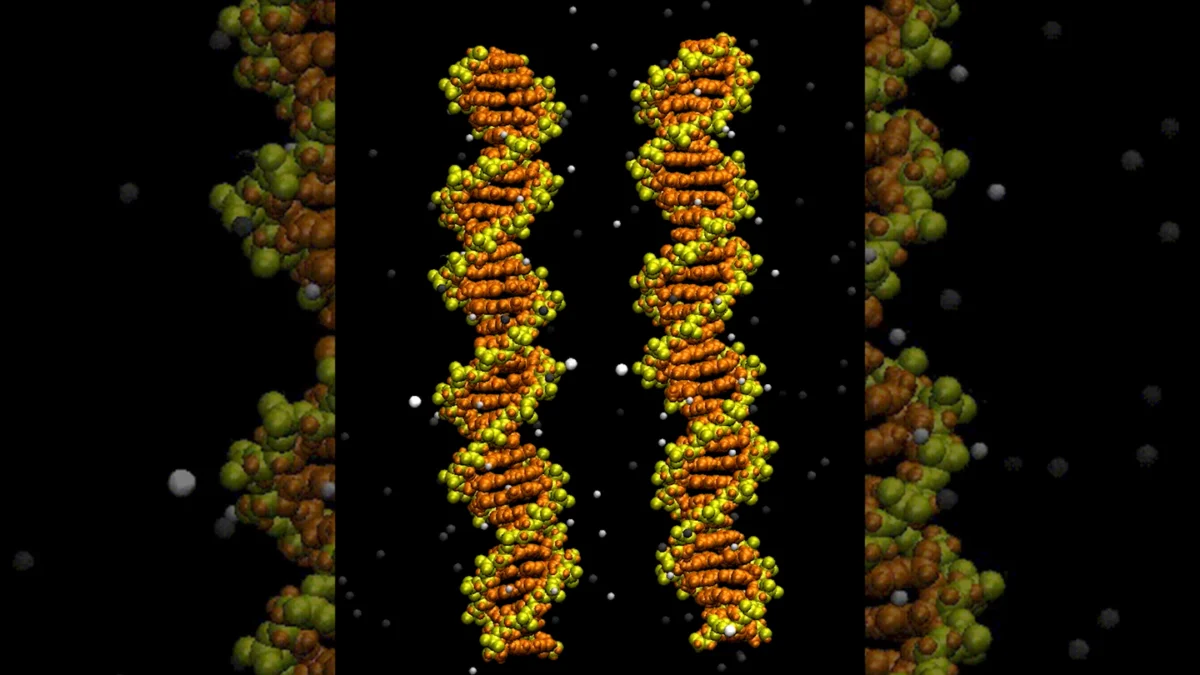
By the mid-20th century, the focus expanded significantly to encompass the biomedical revolution. During the 1950s, the coverage of polio vaccine trials and the initial understanding of the double-helix structure of DNA solidified the publication’s role as a vital resource for health communication. This period saw the publication move toward a more analytical stance, focusing not just on the results of experiments but on the methodology and ethics behind them.
The transition into the digital age in the 1990s and 2000s marked a pivotal shift. While print remained a staple, the integration of digital platforms allowed for a more dynamic dissemination of information. This allowed the publication to keep pace with the rapid acceleration of technology, covering the rise of the internet, the completion of the Human Genome Project, and the emergence of climate change as a critical global research priority.
Data-Driven Impact and Public Literacy
The significance of Science News can be measured not only by its longevity but by its measurable impact on public discourse. According to internal reports from the Society for Science, the organization engages millions of readers annually through its digital and print offerings. This reach is a critical component of the organization’s goal to improve scientific literacy.
A core component of this impact is the publication’s adherence to evidence-based reporting. In an era where "science" is often weaponized for political gain, the publication utilizes a strict editorial review process. Every piece of content is scrutinized for accuracy, ensuring that statistical data—such as p-values in medical studies or the predictive models used in climate science—are interpreted correctly. This rigor is essential for an audience that increasingly relies on accurate information to navigate global crises, such as the COVID-19 pandemic.
Furthermore, the integration of educational resources through the Society for Science’s broader outreach initiatives—such as the Regeneron Science Talent Search and the International Science and Engineering Fair—creates a symbiotic ecosystem. Science News acts as the journalistic arm that highlights the accomplishments of these young researchers, thereby fostering a cycle of engagement that begins with high school students and extends to professional researchers and policy makers.
Institutional Perspectives and Reactions
The organizational structure of Science News—a nonprofit entity under the Society for Science—provides a distinct advantage in maintaining institutional trust. Because the publication does not rely on corporate advertising to the same extent as legacy media outlets, it avoids the appearance of conflicts of interest. This has historically been a point of praise among scientific institutions and academic peers.
"The necessity of independent science journalism cannot be overstated," noted an industry analyst familiar with nonprofit media models. "When the source of information is also the entity providing the research funding, or when advertising revenue dictates the framing of a story, the public suffers. Science News occupies a unique niche where the mission of public service precedes the mandate for profit, which is essential for maintaining the public’s trust in the scientific method."
The publication’s reaction to the changing landscape of media has been characterized by a commitment to digital modernization without sacrificing editorial depth. By investing in multimedia storytelling and interactive data visualizations, the team has managed to capture a younger demographic while maintaining its core, long-term readership.
Broader Implications: Science Journalism in the 21st Century
The current landscape of scientific journalism is fraught with challenges. The proliferation of digital media has led to a fragmentation of truth, where nuanced scientific findings are frequently reduced to sensationalist headlines. In this environment, the approach taken by Science News serves as a vital corrective. By contextualizing discoveries within the broader scope of history and ethics, the publication provides the necessary framework for readers to evaluate the news for themselves.
The implications of this work are far-reaching. Informed citizens are better equipped to advocate for policy changes regarding public health, climate resilience, and technological regulation. When a publication provides accurate data regarding the efficacy of a vaccine or the nuances of artificial intelligence, it empowers the electorate to hold their representatives accountable.
Furthermore, the emphasis on nonprofit status is a model that is being increasingly looked at as a solution for the broader journalism industry. As commercial models face decline, the Society for Science’s success suggests that scientific information, as a public good, is best served by organizations that operate on a mission-driven, rather than profit-driven, basis.
Future Outlook
Looking ahead, the mission of Science News remains fixed on the intersection of discovery and democracy. As the pace of scientific advancement continues to accelerate—particularly in fields like biotechnology, synthetic biology, and quantum computing—the need for independent, objective reporting will only grow.
The publication’s focus for the coming decade includes enhancing its digital infrastructure to better serve international audiences, expanding its coverage of ethical considerations in science, and continuing to provide a platform for diverse voices in the research community. By maintaining its focus on the "why" and "how" of discovery, rather than merely the "what," Science News ensures that it will remain an essential guide for those who seek to understand the complexities of the modern world.
In summary, the legacy of Science News is defined by a commitment to accuracy, independence, and public empowerment. From its founding in 1921 to its current digital presence, the publication has remained a steadfast resource, helping to translate the language of science into a common vernacular. As the challenges of the 21st century become more acute, the necessity for such journalism has never been higher, reinforcing the importance of the Society for Science’s mission to foster a more informed and scientifically literate society. Through its dedication to these principles, Science News continues to be a standard-bearer for the integrity of information in an increasingly complex and interconnected world.