The identification of this virus, formally dubbed the Asian longhorned tick nairovirus (ALTNV), represents a critical development in global vector-borne disease surveillance. Published in the New England Journal of Medicine, the discovery resulted from an intensive multi-year investigation into why a substantial cohort of patients displaying symptoms consistent with severe fever with thrombocytopenia syndrome (SFTS) consistently returned negative results for the Dabie bandavirus (DBV), the primary causative agent of that condition. The research, spearheaded by the State Key Laboratory of Pathogen and Biosecurity in Beijing, sheds light on the complex viral landscape circulating within the tick populations of East Asia.
Unraveling the Mystery of Unexplained Fever
The clinical investigation began as a response to a recurring diagnostic gap in sentinel hospitals located across China’s endemic regions. For years, clinicians observed patients presenting with classic symptoms of tick-borne hemorrhagic fever—high fever, malaise, gastrointestinal distress, and thrombocytopenia—yet these individuals remained negative for DBV, the virus responsible for SFTS. SFTS is a formidable public health challenge, characterized by a case-fatality rate ranging from 10% to 30%, and is categorized by the World Health Organization as a priority pathogen for research and development.
By applying high-throughput RNA sequencing and rigorous viral isolation techniques to samples collected from patients with unexplained febrile illnesses following tick bites, the research team successfully isolated the novel pathogen. Subsequent genetic sequencing confirmed that ALTNV belongs to the Orthonairovirus genus within the Nairoviridae family. Genomic analysis revealed that its protein composition shares less than 80% amino acid identity with other known species in the genus, providing definitive confirmation that ALTNV is a distinct, previously undocumented viral entity.
Chronology of the Investigation and Discovery
The effort to isolate and characterize ALTNV unfolded over several years of field and laboratory research.
- Initial Observations (2018–2020): Clinicians in rural China began noting that approximately 30% of patients exhibiting SFTS-like symptoms were not infected with DBV. These patients were often treated for general sepsis or other suspected viral infections, despite clear histories of tick exposure.
- Sample Collection and Sequencing (2021): Researchers initiated a systematic collection of patient blood samples and tick specimens across 15 provinces. Laboratory analysis utilizing next-generation sequencing identified the unique RNA signature of the new nairovirus.
- Validation Phase (2022): The team performed rigorous laboratory experiments, exposing human cell lines to serum containing the virus. Immunofluorescence assays and electron microscopy confirmed the virus’s ability to replicate and documented its distinct morphological characteristics.
- Field Surveys (2023): Large-scale environmental screening of over 47,000 ticks confirmed that the virus is widespread, with the Asian longhorned tick (Haemaphysalis longicornis) identified as a primary vector.
Epidemiological Data and Clinical Presentation
The study’s scale was expansive, involving 3,163 patients. The data revealed that 10.4% of the participants tested positive for ALTNV, either through the detection of viral RNA or the presence of immunoglobulin M (IgM) antibodies, which serve as a marker for recent infection. The prevalence was notably higher among the sub-group that had already tested negative for DBV, reaching 15.1%.
Clinical manifestation of ALTNV-only infections typically involved high rates of fatigue (84%) and gastrointestinal issues (80%). Laboratory markers often revealed thrombocytopenia in 38% of cases, while 36% of patients exhibited elevated aminotransferase levels, suggesting potential liver inflammation. Encouragingly, the data indicated that patients infected solely with ALTNV generally recovered fully with supportive care, suggesting that while the virus is pathogenic, it may not reach the same levels of mortality as the more aggressive Dabie bandavirus.
The Danger of Coinfection
One of the most alarming findings of the study involves the physiological impact of dual infections. Researchers identified 38 patients who carried both ALTNV and DBV simultaneously. The clinical outcomes for these individuals were significantly more severe than those infected with DBV alone.
Data comparisons show that coinfected patients experienced a 61% incidence of respiratory symptoms, compared to 38% in the DBV-only group. Kidney impairment was also significantly more prevalent in the coinfected cohort, affecting 84% of patients compared to 66% in the DBV-only group. Perhaps most concerning is the mortality rate: 18.4% of the coinfected patients succumbed to their illnesses, highlighting the potential for synergistic effects between the two viruses that exacerbate patient outcomes and complicate therapeutic interventions.
Vector Ecology: The Role of the Asian Longhorned Tick
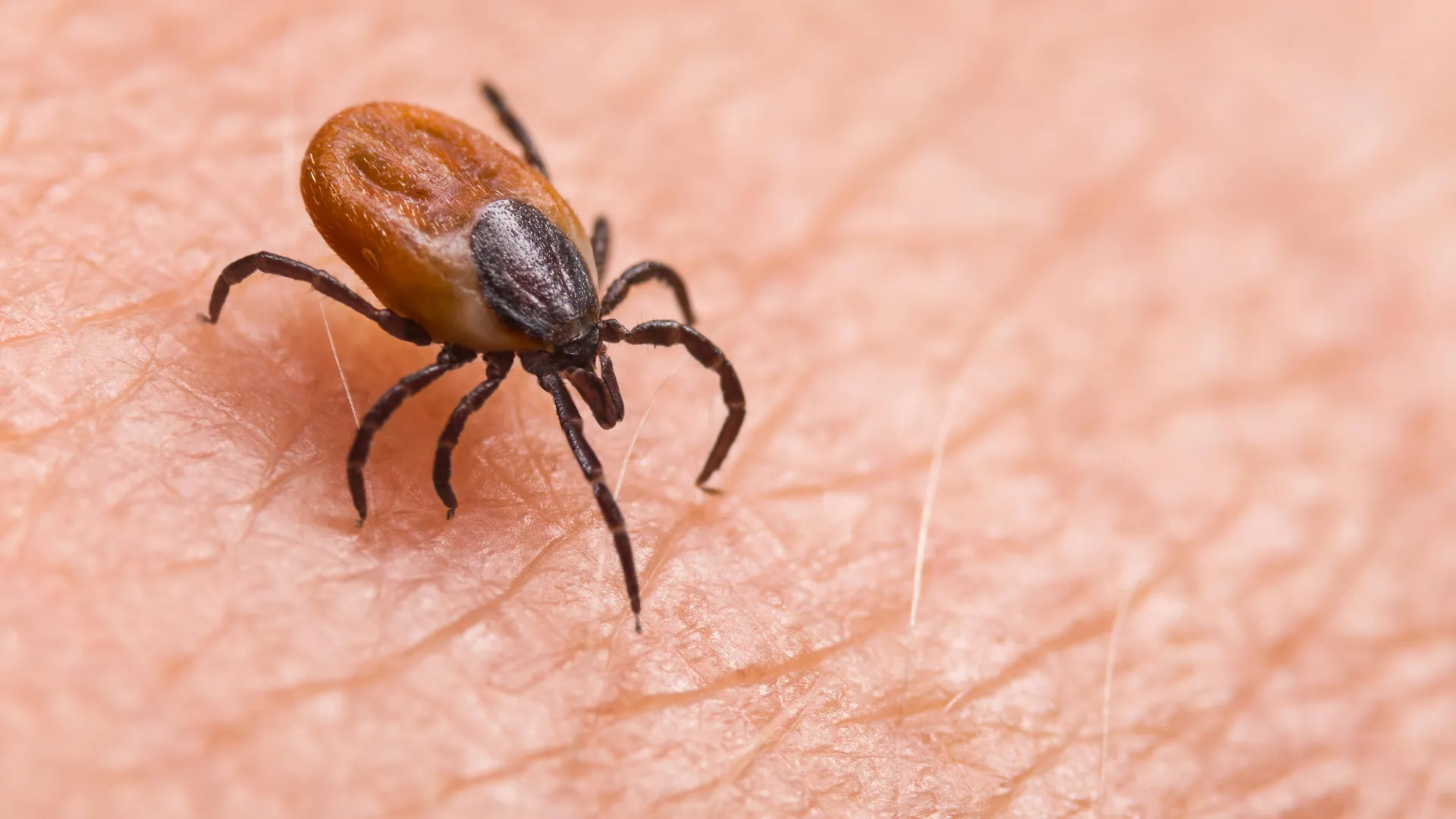
The study extended beyond human patients to the environmental drivers of the disease. By analyzing 47,428 ticks collected across 15 provinces, the researchers established a clear link between the virus and the Asian longhorned tick (Haemaphysalis longicornis). Approximately 1.3% of all ticks tested were positive for ALTNV RNA, with H. longicornis showing the highest prevalence at 1.8%.
The researchers verified the transmission mechanism through controlled laboratory experiments, successfully demonstrating that H. longicornis could transmit the virus to murine models. This confirmation is vital for public health officials, as H. longicornis is known for its aggressive biting behavior and its ability to thrive in diverse environments. Its wide geographic distribution raises concerns that the virus could eventually spread to regions currently considered outside the endemic zone.
Implications for Public Health and Diagnostics
The cocirculation of ALTNV and DBV presents a complex challenge for medical professionals, particularly in regions where SFTS is already endemic. The similarity in symptoms necessitates a paradigm shift in how clinicians approach patients with suspected tick-borne illnesses.
The study authors emphasize the urgent need for improved differential diagnosis protocols. Relying solely on standard tests for DBV is no longer sufficient in areas where ALTNV is circulating. Hospitals and regional health departments will likely need to integrate multiplex diagnostic tools that can simultaneously detect both pathogens to ensure appropriate patient management. Failure to distinguish between these infections could lead to incorrect prognostic assessments and suboptimal treatment strategies, particularly for those vulnerable to the more lethal outcomes of coinfection.
From a broader perspective, the discovery of ALTNV serves as a reminder of the "hidden" viral load present in wildlife and vector populations. As environmental conditions change and human encroachment into tick-inhabited landscapes continues, the potential for novel zoonotic pathogens to emerge—or to be correctly identified for the first time—remains high. Experts in infectious diseases suggest that the discovery of ALTNV is likely just one piece of a larger, more complex puzzle of tick-borne disease in Asia.
Future Research Directions
As the medical community digests these findings, the next phase of research will likely focus on three core areas: long-term immunological studies to determine if previous infection offers lasting protection; the development of targeted antiviral treatments, as currently, no specific cure exists for ALTNV; and expanded surveillance to monitor the geographic expansion of the virus.
The scientific community’s ability to quickly characterize this virus—from the clinical observation of negative test results to the definitive identification of a new genus member—demonstrates the strength of modern genomic and field-based epidemiology. However, the high mortality rate in coinfected patients suggests that the situation demands continued vigilance and increased funding for both diagnostic research and public education regarding tick bite prevention. As researchers work to integrate these findings into clinical practice, the primary goal remains to minimize the morbidity and mortality associated with these overlapping tick-borne threats.