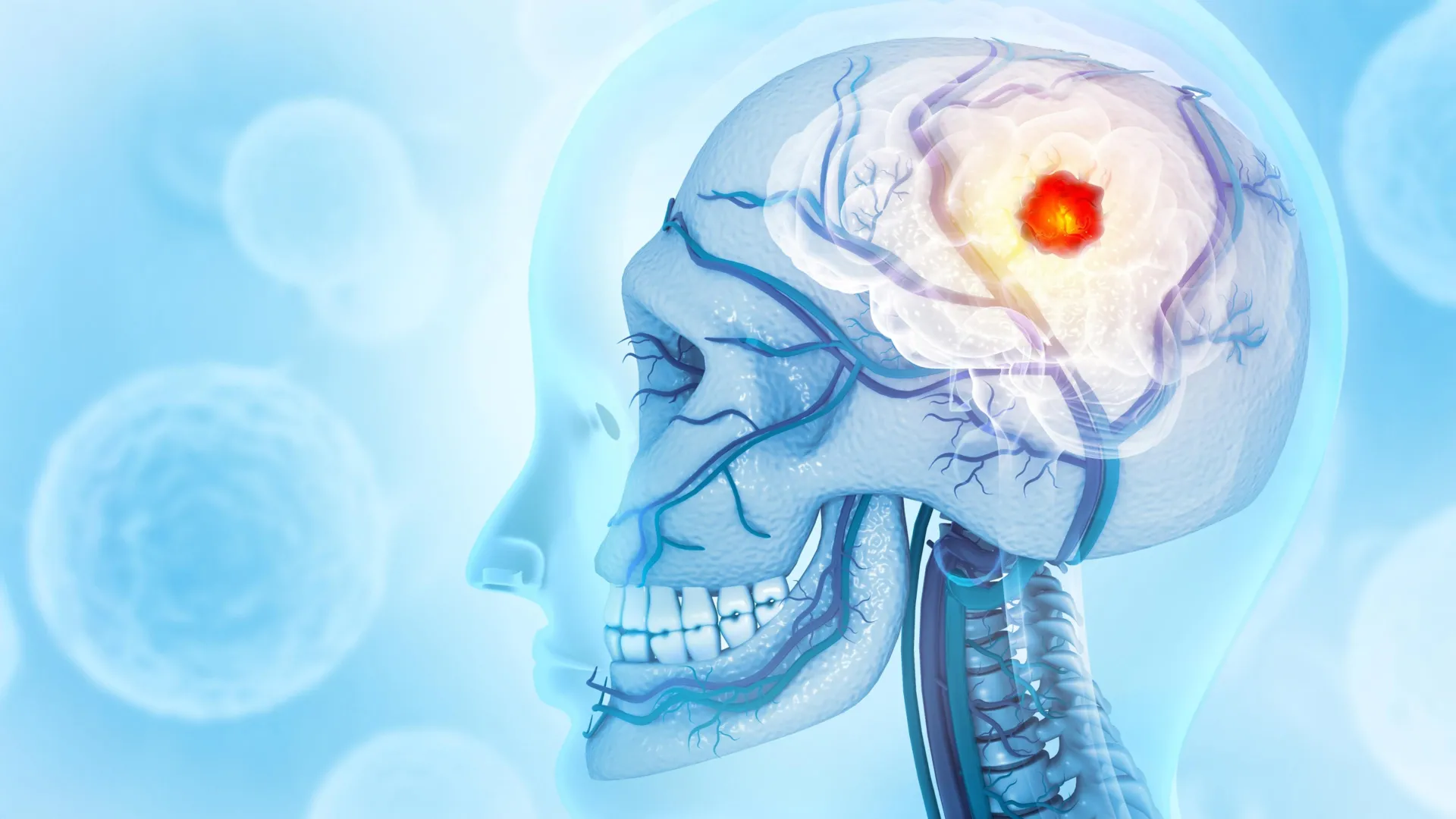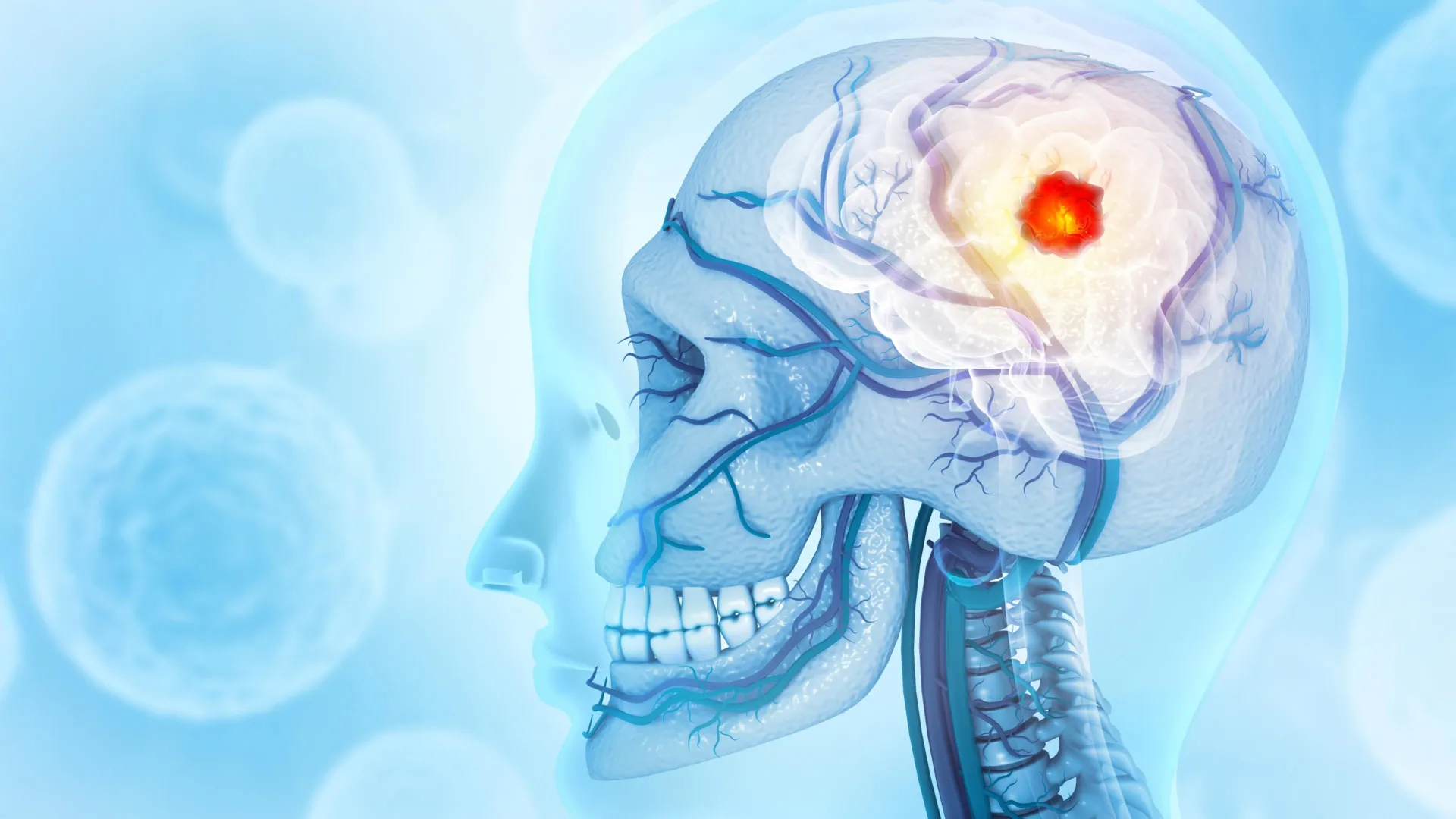
The landscape of neuro-oncology is facing a significant paradigm shift following a groundbreaking study that suggests glioblastoma, the most aggressive and lethal form of primary brain cancer, is far more than a localized neurological threat. Researchers from the Montefiore Einstein Comprehensive Cancer Center (MECCC) and the Albert Einstein College of Medicine have uncovered evidence that these tumors actively manipulate the surrounding skeletal structure and the body’s systemic immune response. The findings, published on October 3 in the journal Nature Neuroscience, reveal that glioblastoma erodes the skull, alters the immune-cell production within the skull’s marrow, and can even be exacerbated by common medications used to treat bone loss. This discovery provides a potential explanation for why decades of localized treatments, such as targeted radiation and surgery, have largely failed to improve long-term survival rates for patients.
The Challenge of Glioblastoma: A Clinical Overview
Glioblastoma multiforme (GBM) has long been considered one of the most difficult challenges in modern medicine. According to data from the National Cancer Institute (NCI), approximately 15,000 individuals in the United States are diagnosed with this malignancy annually. Despite advancements in surgical techniques and the development of sophisticated chemotherapeutic agents, the prognosis remains grim. The current standard of care—a combination of maximal safe surgical resection followed by temozolomide-based chemotherapy and radiation—results in a median survival time of only about 15 months.
The persistence of glioblastoma is often attributed to its highly infiltrative nature, which allows individual cancer cells to migrate into healthy brain tissue, making complete surgical removal nearly impossible. Furthermore, the blood-brain barrier often prevents many systemic drugs from reaching the tumor in therapeutic concentrations. However, the new research from MECCC suggests that the failure of these treatments may also stem from a fundamental misunderstanding of the disease’s scope. By treating glioblastoma as a disease confined to the brain, clinicians may have been overlooking a critical "command center" for the tumor’s defense: the skull marrow.
The Skull-Brain Connection: A Newly Discovered Highway
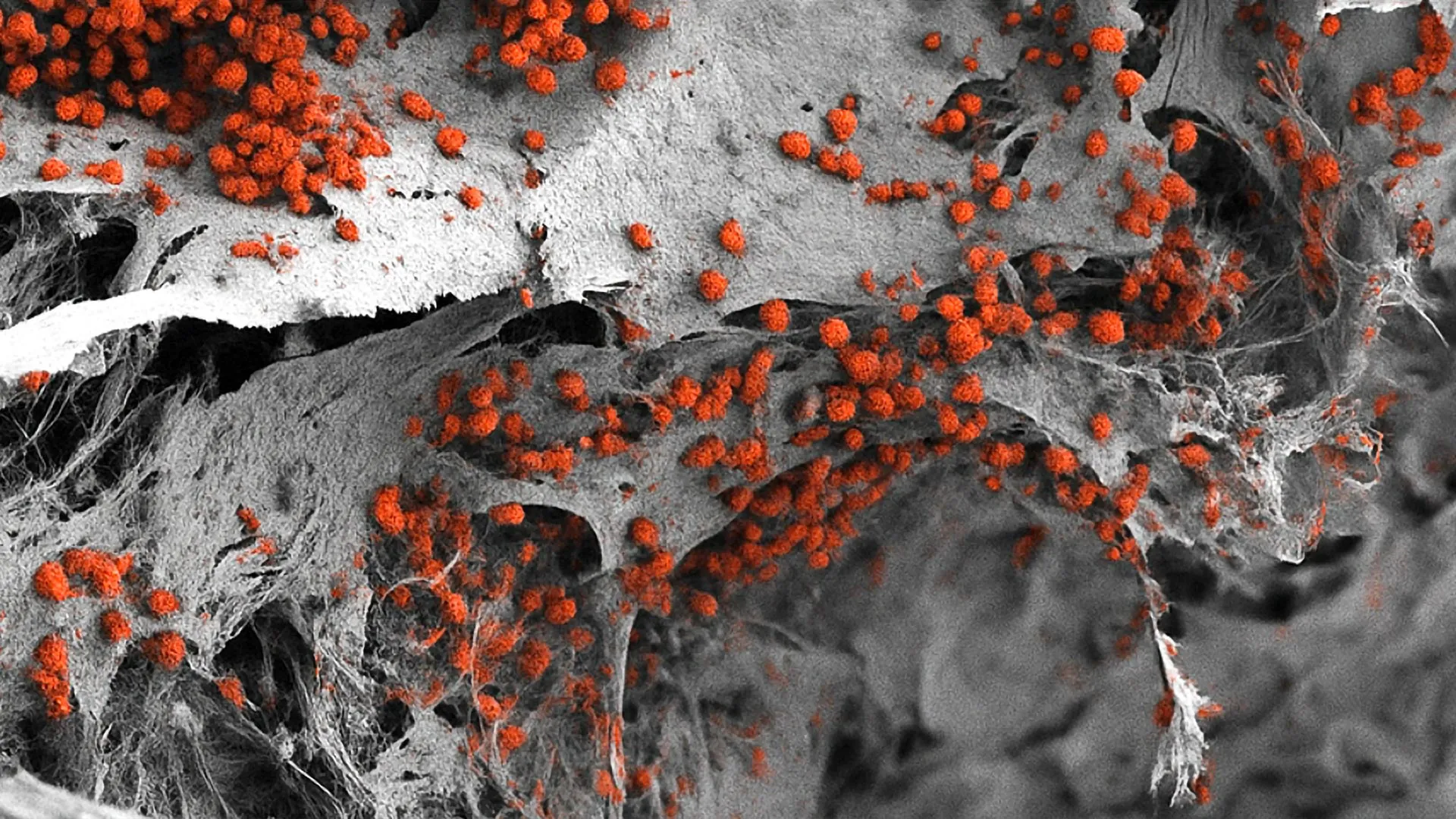
For years, the skull was viewed primarily as a protective, inert casing for the brain. However, recent anatomical discoveries have revealed that the skull is a dynamic biological structure. It contains marrow—just like the femur or the pelvis—that serves as a reservoir for immune cells. Crucially, researchers recently identified microscopic, hair-thin channels that directly connect the skull marrow to the protective outer layers of the brain (the meninges). These channels allow for a rapid exchange of molecular signals and immune cells, bypassing the general circulatory system.
Inspired by these findings, the research team, led by Jinan Behnan, Ph.D., an assistant professor at Einstein and a member of the NCI-designated MECCC, sought to determine if glioblastoma exploits these pathways. Using high-resolution imaging and mouse models of the disease, the team observed that the presence of a brain tumor triggered a physical transformation of the skull. Specifically, the cancer caused significant erosion of the skull bone, particularly at the sutures—the fibrous joints where the different plates of the skull fuse together.
This bone loss was not a general symptom of illness or injury. When the researchers examined mice that had suffered strokes or other types of non-cancerous brain injuries, the skull remained intact. Similarly, mice with cancers located in other parts of the body did not exhibit this specific cranial erosion. The phenomenon was uniquely tied to aggressive brain tumors, suggesting that glioblastoma sends specific signals to the skull to facilitate its own growth.
Validating Findings through Human Clinical Data
To ensure that the observations in mouse models translated to human pathology, the researchers conducted an analysis of CT scans from human patients diagnosed with glioblastoma. The results mirrored the animal studies with striking accuracy. Patients with glioblastoma showed a measurable reduction in skull thickness, with the most significant thinning occurring in the same regions identified in the mice.
The erosion of the skull bone is not merely a side effect of the tumor’s proximity; it serves a functional purpose for the malignancy. As the bone thins and the sutures erode, the channels connecting the skull marrow to the brain increase in both size and number. This creates a high-capacity "highway" through which the tumor can communicate with the skull’s internal immune environment, effectively recruiting the body’s own defenses to protect the cancer rather than attack it.
The Immune Landscape: From Defense to Deception
The most significant finding of the study involves how glioblastoma alters the "immune landscape" of the skull marrow. Using single-cell RNA sequencing—a technology that allows scientists to see which genes are active in individual cells—the researchers analyzed the composition of immune cells in the marrow.
In a healthy state, the bone marrow produces a balanced mix of cells, including B cells (which produce antibodies) and T cells (which attack infected or cancerous cells). However, the researchers found that glioblastoma causes a dramatic shift toward a pro-inflammatory environment. In the presence of the tumor, the levels of inflammatory neutrophils in the skull marrow nearly doubled. Simultaneously, the population of B cells was almost entirely depleted.
"The skull-to-brain channels allow an influx of these numerous pro-inflammatory cells from the skull marrow to the tumor, rendering the glioblastoma increasingly aggressive and, all too often, untreatable," explained study co-author E. Richard Stanley, Ph.D., a professor of developmental and molecular biology at Einstein.
This inflammatory influx creates a "suppressive" microenvironment around the tumor. While inflammation is usually a sign of the body fighting an intruder, in the context of glioblastoma, these myeloid cells act as a shield, preventing the immune system’s "killer" T cells from effectively targeting the cancer.
A Systemic Disease: Skull vs. Long Bones
The study further highlighted the complexity of the body’s reaction to glioblastoma by comparing the marrow in the skull to the marrow in the femur (thigh bone). Interestingly, the two responded in opposite ways. While the skull marrow was pushed into an overactive, pro-inflammatory state, the marrow in the femur showed a suppression of genes required for immune cell production.
This distinction is vital for future research. It suggests that glioblastoma exerts a localized influence on the skull while simultaneously inducing a state of systemic immune exhaustion in the rest of the body. This dual-action strategy allows the tumor to recruit "bad" immune cells from nearby while preventing the "good" immune cells from being produced in distant bone marrow.
The Pharmacological Paradox: Risks of Bone-Loss Medications
Perhaps the most alarming discovery for the clinical community involves the use of FDA-approved anti-osteoporosis drugs. Because glioblastoma causes bone erosion, the researchers tested whether preventing that erosion could slow the disease. They administered two common drugs: zoledronic acid (a bisphosphonate) and denosumab (a monoclonal antibody).
While both drugs successfully stopped the erosion of the skull bone, the results regarding tumor progression were unexpected and concerning. In one type of glioblastoma, zoledronic acid actually accelerated the growth of the tumor. More importantly, both drugs were found to interfere with the efficacy of immunotherapy.
Currently, many cancer treatments involve "checkpoint inhibitors" like anti-PD-L1, which are designed to "take the brakes off" the immune system so it can kill cancer cells. However, when the mice in the study were given bone-loss medications alongside immunotherapy, the beneficial effects of the immunotherapy were neutralized. The drugs appeared to lock the immune system into its tumor-friendly state, preventing the T cells from mounting an effective defense. This suggests that cancer patients being treated for bone density issues may inadvertently be hampering their body’s ability to fight brain tumors.
Broader Implications and Future Treatment Strategies
The implications of this research are far-reaching. It suggests that the "local disease" model of glioblastoma is incomplete. To successfully treat this cancer, physicians may need to look beyond the brain and consider the skull and the systemic immune system as integral parts of the pathology.
"Our discovery that this notoriously hard-to-treat brain cancer interacts with the body’s immune system may help explain why current therapies have failed," said Dr. Behnan. She emphasized that the goal now is to develop treatments that can restore the natural balance of the skull marrow. Rather than just attacking the tumor cells, future therapies might focus on suppressing the production of inflammatory neutrophils and monocytes while simultaneously stimulating the production of B and T cells.
The study also calls for a re-evaluation of how clinical trials are conducted for glioblastoma. If the bone marrow environment is a key driver of tumor resistance, then monitoring marrow health and skeletal integrity may become as important as monitoring tumor size via MRI. Furthermore, the findings regarding osteoporosis drugs serve as a cautionary tale about the systemic "crosstalk" between different medications and the tumor microenvironment.
As the medical community digests these findings, the focus shifts toward "systemic neuro-oncology." By understanding the highway between the skull and the brain, researchers hope to eventually "close the road" to inflammatory cells, effectively starving the glioblastoma of the biological reinforcements it needs to survive. While the median survival rate of 15 months has remained stagnant for years, this new understanding of the tumor’s systemic reach offers a glimmer of hope for more effective, holistic treatment strategies in the years to come.