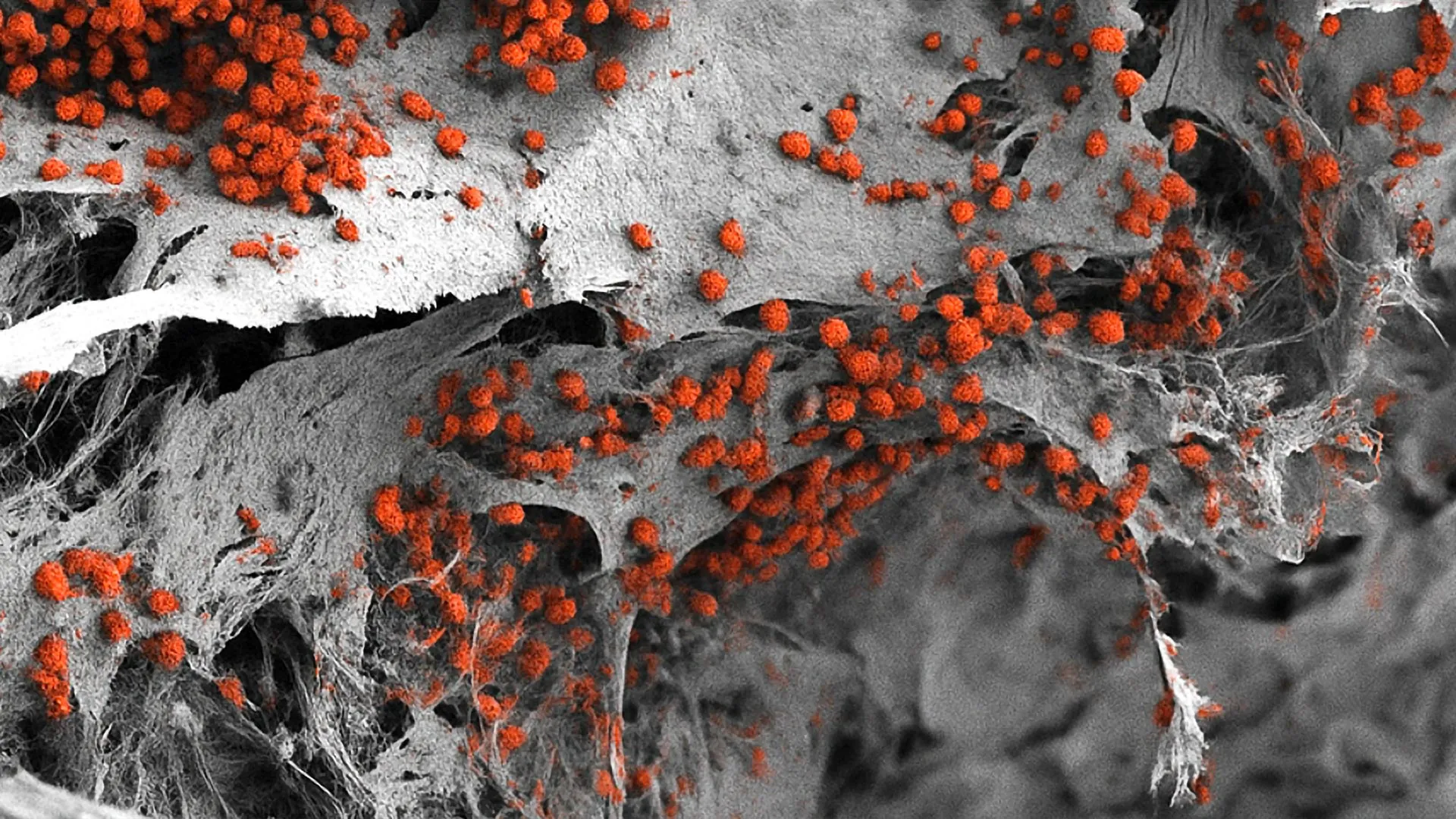
In a landmark study that challenges long-held medical dogmas regarding the permanent nature of cardiac damage, a multidisciplinary research team has identified that the human heart possesses an inherent, though often dormant, ability to regenerate its own muscle tissue. The study, co-led by a physician-scientist at the University of Arizona College of Medicine – Tucson’s Sarver Heart Center, found that a specific subset of patients equipped with left ventricular assist devices (LVADs), commonly known as artificial hearts, demonstrated significant muscle cell renewal. Published in the prestigious journal Circulation, these findings provide the most definitive evidence to date that the human heart is not a static organ and may eventually be capable of self-repair under the right physiological conditions.
For decades, the prevailing consensus in cardiology was that humans are born with a set number of heart muscle cells, or cardiomyocytes, which do not replenish themselves following injury or the onset of chronic disease. This lack of regenerative capacity is why heart failure remains one of the most lethal and difficult-to-treat conditions in modern medicine. However, the new data suggests that by providing the heart with a period of mechanical "rest" through an artificial pump, the biological pathways responsible for cell division can be reactivated.
The Growing Crisis of Heart Failure in the United States
The implications of this discovery are profound, given the current epidemiological landscape of cardiovascular disease. According to data from the Centers for Disease Control and Prevention (CDC), heart failure currently affects approximately 7 million adults in the United States. The condition is a progressive syndrome where the heart becomes too weak or stiff to pump blood effectively throughout the body, leading to fatigue, shortness of breath, and eventually, organ failure.
The mortality statistics associated with the condition are stark. Heart failure is responsible for roughly 14% of all deaths in the U.S. annually. While pharmacological interventions such as ACE inhibitors, beta-blockers, and SGLT2 inhibitors have improved the quality of life and slowed the progression of the disease for many, they do not offer a cure. For patients who reach the stage of advanced heart failure, the options are limited to heart transplantation or the implantation of an LVAD.
An LVAD is a mechanical pump that is surgically attached to the left ventricle—the heart’s main pumping chamber—to help circulate blood to the rest of the body. While originally designed as a "bridge to transplant" to keep patients alive until a donor organ becomes available, it is increasingly used as a "destination therapy" for those ineligible for transplant. This study suggests that the LVAD may serve a third, even more revolutionary purpose: a "bridge to recovery" by facilitating myocardial regeneration.
A Chronology of Discovery: From In Utero to the Artificial Heart
The path to this discovery was paved by over a decade of incremental breakthroughs led by Hesham Sadek, MD, PhD, director of the Sarver Heart Center and chief of the Division of Cardiology at the University of Arizona College of Medicine – Tucson. To understand why the heart regenerates in some LVAD patients, researchers first had to understand why it stops regenerating in the first place.
In 2011, Dr. Sadek published a foundational paper in the journal Science. His research demonstrated that while heart muscle cells actively divide in utero and during the earliest stages of life, this process halts abruptly shortly after birth. The hypothesis was that as the newborn’s circulatory system transitions to the high-pressure environment of the outside world, the heart muscle cells must stop dividing to focus all their metabolic energy on the constant, high-output task of pumping blood. Unlike skeletal muscle, which can rest and repair itself after a tear, the heart is required to work 24 hours a day, 365 days a year, leaving no window for the energy-intensive process of cellular mitosis.
By 2014, Sadek’s team began to see hints that this process might be reversible. They observed evidence of cell division in patients who had been fitted with artificial hearts. This led to a compelling theory: if the heart is relieved of its workload by a mechanical pump, it might return to a physiological state similar to that of a newborn, thereby "unlocking" its regenerative potential.
To test this hypothesis on a global scale, the Leducq Foundation Transatlantic Networks of Excellence Program awarded a grant to Dr. Sadek, fostering a collaboration between experts in the United States, Sweden, and Germany. The project utilized heart tissue samples provided by the University of Utah Health and School of Medicine, led by Stavros Drakos, MD, PhD, a renowned pioneer in the field of LVAD-mediated recovery.
Innovative Carbon Dating Reveals 600% Increase in Regeneration
The most significant hurdle in proving heart regeneration in humans has always been the difficulty of tracking new cell growth. Traditional methods often fail to distinguish between old cells and newly formed ones. To overcome this, the research team turned to an innovative method developed by Jonas Frisén, MD, PhD, and Olaf Bergmann, MD, PhD, of the Karolinska Institute in Stockholm.
The Swedish and German teams employed a sophisticated technique involving carbon dating. By measuring levels of Carbon-14—a radioactive isotope that was released into the atmosphere during Cold War-era nuclear testing and has since been steadily declining—the researchers could determine the "birth date" of individual cells. Since Carbon-14 is integrated into the DNA of a cell only when it is created, the levels found in the heart tissue of LVAD patients could be compared to atmospheric levels to calculate exactly when those cells were formed.
The results were staggering. The investigators found that patients with artificial hearts regenerated heart muscle cells at more than six times the rate of healthy hearts. This provided the "irrefutable evidence" that Dr. Sadek and his colleagues had been seeking for years.
"This is the strongest evidence we have, so far, that human heart muscle cells can actually regenerate," Sadek stated. "It solidifies the notion that there is an intrinsic capacity of the human heart to regenerate and strongly supports the hypothesis that the inability of the heart muscle to ‘rest’ is a major driver of the heart’s lost ability to regenerate shortly after birth."
The "Responder" Mystery: Why Only 25 Percent?
Despite the breakthrough, the study also highlighted a significant medical mystery. Not every patient who receives an LVAD experiences this regenerative phenomenon. Currently, only about 25% of patients are classified as "responders"—those whose cardiac muscle regenerates to the point where they might experience a significant reversal of symptoms or even have the device removed.
The research team is now shifting its focus to understanding the molecular and genetic differences between responders and non-responders. If scientists can identify the specific triggers that allow the heart to enter a regenerative state during mechanical unloading, they may be able to develop therapies that mimic this effect.
"It’s not clear why some patients respond and some don’t, but it’s very clear that the ones who respond have the ability to regenerate heart muscle," Sadek noted. "The exciting part now is to determine how we can make everyone a responder. If you can do that, you can essentially cure heart failure."
Broader Implications and the Future of Cardiac Care
The discovery that the heart can be "tricked" into a regenerative state via mechanical rest opens a new frontier in cardiovascular medicine. It suggests that the future of heart failure treatment may move away from simply managing a decline and toward active restoration of the organ.
One of the most promising aspects of this research is that it utilizes technology that is already in widespread use. Mechanical hearts have been used for decades and have a proven safety profile. If researchers can develop pharmacological or gene therapies that target the molecular pathways involved in cell division—effectively providing the heart with "chemical rest" or stimulating the mitotic cycle without requiring major surgery—the treatment of heart failure could be revolutionized.
Furthermore, this study has implications for other forms of cardiac injury, such as those caused by myocardial infarctions (heart attacks). If the "rest" period provided by an LVAD can stimulate growth, there may be ways to apply temporary mechanical support or targeted molecular interventions immediately following a heart attack to prevent the permanent scarring that typically leads to heart failure.
The collaboration between the University of Arizona, the University of Utah, and the Karolinska Institute serves as a model for international scientific cooperation. By combining clinical expertise in LVAD management with cutting-edge Swedish carbon-dating technology and American molecular biology, the team has answered a question that has eluded scientists for nearly a century.
As the Sarver Heart Center continues its investigation, the goal remains clear: to transform the 25% responder rate into 100%. If heart muscle regeneration can be reliably induced, the medical community may finally be standing on the threshold of a cure for one of the world’s most prolific killers. For the 7 million Americans currently living with heart failure, this research represents a shift from a prognosis of management to a hope for recovery.