

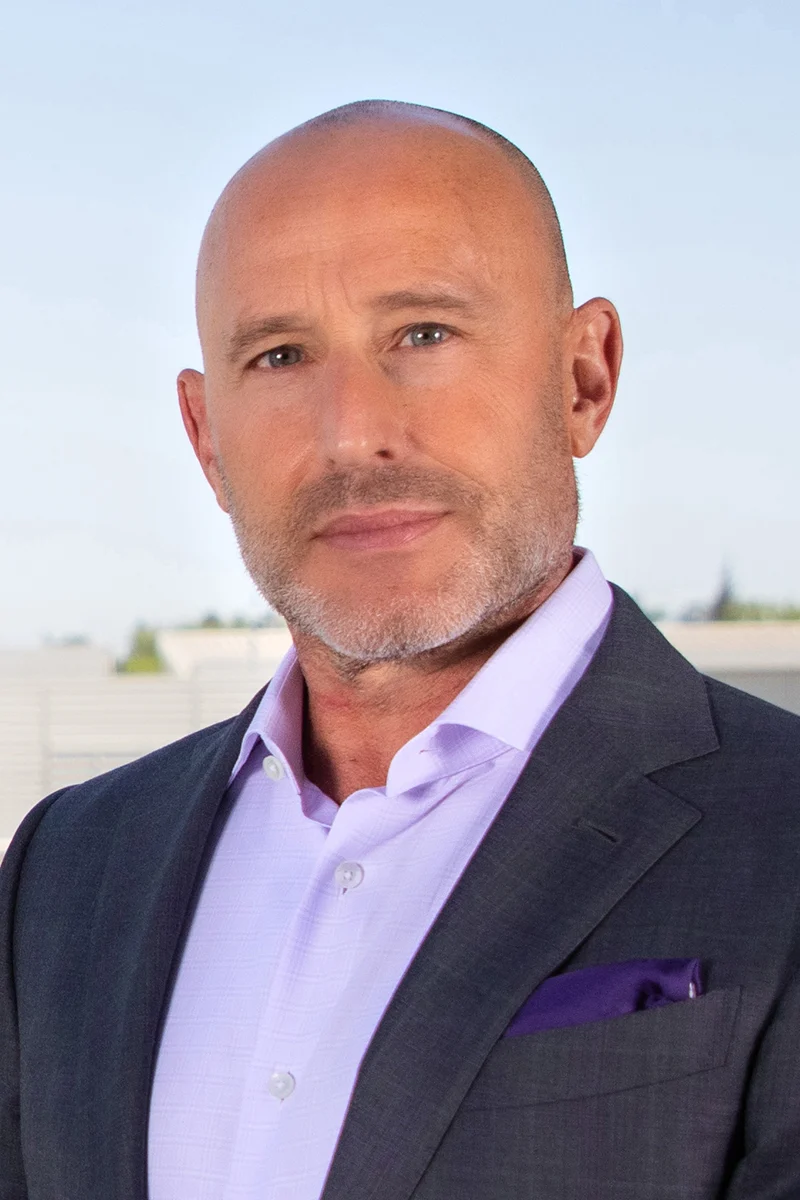
The top executive of the largest public hospital system in New York City has ignited a significant debate within the medical community by declaring his organization’s readiness to replace human radiologists with artificial intelligence (AI) in specific diagnostic functions. Dr. Mitchell H. Katz, President and CEO of NYC Health + Hospitals, articulated this bold vision during a recent panel discussion hosted by Crain’s New York Business, emphasizing AI’s potential to dramatically reduce labor costs and expand access to crucial diagnostic services, particularly in areas like mammography and X-ray interpretation. His statements have not only put a spotlight on the accelerating integration of AI in radiology but have also raised urgent questions about the future of highly specialized roles across other diagnostic fields, including clinical laboratories, and the critical balance between efficiency, cost-saving, and patient safety.
Dr. Katz’s remarks underscore a growing sentiment among some healthcare administrators that AI has matured sufficiently to assume primary diagnostic roles, pending regulatory adjustments. He asserted that current AI capabilities are already adept at interpreting imaging studies, offering a compelling pathway to address the escalating demand for diagnostic services amidst persistent staffing shortages and rising operational expenses. "We could replace a great deal of radiologists with AI at this moment, if we are ready to do the regulatory challenge," Katz stated, signaling his system’s proactive stance on leveraging technological advancements for systemic transformation.
The Economic Imperative Driving AI Adoption
The push for AI integration, particularly in large public health systems like NYC Health + Hospitals, is largely driven by a profound economic imperative. Healthcare costs in the United States continue to climb, with national health expenditure reaching $4.5 trillion in 2022, representing 17.3% of the Gross Domestic Product. Public hospital systems, often serving a disproportionately high number of uninsured or underinsured patients, face immense pressure to optimize resources and contain costs without compromising quality of care. Labor costs, which constitute a substantial portion of hospital budgets, are a prime target for efficiency gains.
Radiology, a cornerstone of modern diagnostics, is particularly resource-intensive. The demand for imaging services has steadily increased over the past two decades, fueled by an aging population, advancements in medical technology, and a greater emphasis on early disease detection. Concurrently, the supply of radiologists has struggled to keep pace. Projections from organizations like the American College of Radiology (ACR) and the Association of American Medical Colleges (AAMC) have consistently highlighted impending shortages, exacerbated by factors such as physician burnout, an aging workforce, and a limited number of residency slots. This creates a challenging environment where skilled labor is scarce and expensive, making AI an attractive solution for alleviating workload and potentially reducing reliance on human specialists.
AI’s Evolving Role in Medical Imaging
While Dr. Katz’s statements might appear radical to some, the development of AI in medical imaging has been a journey of steady progress over several years. Early AI applications in radiology focused on basic image processing and enhancement. However, with the advent of deep learning and neural networks in the past decade, AI models have demonstrated remarkable capabilities in pattern recognition, enabling them to identify subtle anomalies in complex medical images with increasing accuracy.
Today, numerous AI algorithms have received clearance from regulatory bodies such as the U.S. Food and Drug Administration (FDA) for a variety of tasks. These include:
- Mammography: AI tools can assist in detecting breast cancer by flagging suspicious areas on mammograms, often reducing false positives and aiding radiologists in their workflow.
- Chest X-rays: AI can identify findings such as pneumonia, tuberculosis, and pneumothorax.
- CT Scans: AI is used for stroke detection, identifying intracranial hemorrhage, and segmenting organs for radiotherapy planning.
- MRI Scans: Applications include brain tumor segmentation, lesion detection in neurological disorders, and cardiac function assessment.
The proposed model by Dr. Katz envisions AI taking on the initial interpretation of imaging studies, particularly for screening purposes. Radiologists would then transition into a secondary review role, focusing their expertise primarily on validating abnormal findings flagged by the AI. This "AI-first, specialist-second" approach is designed to leverage AI for high-volume, repetitive tasks, freeing human experts to concentrate on more complex cases, ambiguous results, and patient consultations. This strategy, if successful, could expand access to critical screenings, especially in underserved communities or rural areas where access to specialist radiologists is limited.
Early Successes and Validations
Supporting Dr. Katz’s optimistic outlook, other healthcare leaders have reported positive experiences with AI-assisted diagnostics. Dr. David Lubarsky, MD, MBA, CEO of Westchester Medical Center Health Network, shared compelling data regarding his organization’s use of AI-assisted mammography interpretation. He noted that for women not considered high-risk, if an AI-assisted test returns a negative result, the chance of it being incorrect is only about 3 in 10,000. Lubarsky unequivocally stated that this level of performance is "actually better than human beings" in this specific context, providing tangible evidence of AI’s diagnostic prowess in certain defined use cases. Such performance metrics, if consistently replicable across diverse patient populations and imaging modalities, could significantly bolster the argument for greater AI autonomy in diagnostics.
The Regulatory Landscape: A Pivotal Hurdle
Despite the technological advancements and reported successes, the path to widespread AI-driven independent diagnosis is fraught with regulatory challenges. Current medical practice guidelines and liability frameworks are largely predicated on human physician oversight. Shifting to an AI-first model would necessitate a re-evaluation of how medical devices are approved, how diagnostic accuracy is validated over time, and crucially, how accountability is assigned in cases of misdiagnosis or patient harm. Dr. Katz explicitly acknowledged this, stating that overcoming the "regulatory challenge" is a prerequisite for full implementation.
The FDA has been progressively approving AI algorithms, often with the caveat that they are intended to assist physicians, not replace them entirely. For AI to move beyond an assistive role to an independent diagnostic one, regulators would need to establish new standards for clinical validation, post-market surveillance, and possibly even the certification of AI systems themselves. This evolution in regulatory thinking could set a powerful precedent for how other AI applications in healthcare, including those in clinical laboratories, are approached.

Implications for Clinical Laboratories: A Parallel Trajectory
The discussions surrounding AI in radiology resonate deeply within the clinical laboratory sector, which faces similar pressures regarding cost containment, workforce shortages, and the demand for faster turnaround times. Clinical laboratories are the backbone of diagnostic medicine, performing billions of tests annually. Like radiology, the lab workforce is aging, and there’s a persistent shortage of skilled medical laboratory scientists, particularly in specialized areas.
If radiology successfully implements an "AI-first, specialist-second" model with regulatory approval, clinical laboratories could anticipate similar expectations and pressures to adopt AI-driven solutions. Several areas within laboratory medicine are already exploring or actively integrating AI:
- Digital Pathology: AI algorithms are being developed to analyze whole-slide images of tissue biopsies, assisting pathologists in identifying cancerous cells, grading tumors, and quantifying specific biomarkers. This could streamline workflow and improve diagnostic consistency.
- Hematology: AI is used in automated cell counters and differential counts, identifying abnormal cell morphologies and flagging samples requiring manual review by a technologist or pathologist.
- Microbiology: AI can assist in identifying pathogens from images of bacterial cultures or microscopic slides, and in predicting antibiotic resistance patterns.
- Molecular Diagnostics: AI is being explored for interpreting complex genomic data, identifying disease-associated mutations, and aiding in personalized medicine approaches.
- Automated Workflow and Quality Control: AI can optimize sample routing, predict equipment failures, and enhance quality control processes, reducing human error and improving efficiency.
The regulatory implications for clinical labs are substantial. If a precedent is set in imaging for reduced physician oversight of AI-driven diagnostics, labs could see an accelerated adoption of AI-driven decision support, automated result interpretation, and potentially even reduced hands-on review in certain high-volume, low-complexity testing workflows. This could lead to "major savings," as Dr. Katz predicted for radiology, but also raises similar critical questions about diagnostic accuracy, patient safety, and the indispensable role of expert human judgment.
Pushback and Safety Concerns: The Human Element
Despite the enthusiastic endorsements from some hospital executives, the notion of AI independently replacing radiologists has met with significant pushback from many healthcare professionals, particularly those on the front lines of diagnostic medicine. Critics warn that current AI tools, while powerful, are not yet ready for independent clinical use and that premature implementation could lead to severe patient harm.
Dr. Mohammed Suhail, MD, of North Coast Imaging, voiced strong opposition, characterizing the enthusiasm for AI-only reads as potentially dangerous. "Undeniable proof that confidently uninformed hospital administrators are a danger to patients: easily duped by AI companies that are nowhere near capable of providing patient care," Dr. Suhail stated. He further emphasized the complexity of radiological interpretation, which often involves synthesizing clinical history, laboratory findings, and subtle imaging characteristics that go beyond what current AI algorithms can reliably achieve. "Any attempt to implement AI-only reads would immediately result in patient harm and death, and only someone with zero understanding of radiology would say something so naive," he concluded, highlighting the deep skepticism and concern among many practicing clinicians.
Radiologists argue that their role extends beyond mere image interpretation. They provide crucial context, interact with referring physicians, perform interventional procedures, and exercise nuanced judgment in ambiguous cases—skills that AI currently cannot replicate. The American College of Radiology (ACR), while actively promoting the development and ethical deployment of AI in radiology, consistently emphasizes the importance of human oversight and the radiologist’s ultimate responsibility for patient care. The ACR’s stance often positions AI as a powerful tool to augment human capabilities, not replace them entirely.
Ethical and Legal Dilemmas
Beyond immediate safety concerns, the prospect of AI-driven diagnostics raises complex ethical and legal questions:
- Accountability: In the event of a misdiagnosis by an AI, who is liable? The hospital, the AI developer, the physician who oversees the AI, or the AI itself? Current legal frameworks are ill-equipped to handle such scenarios.
- Bias: AI algorithms are trained on vast datasets. If these datasets are not representative of diverse populations, the AI could perpetuate or even amplify existing biases, leading to disparities in care for certain demographic groups.
- Data Privacy and Security: The extensive data required to train and operate AI systems raises significant concerns about patient privacy and the security of sensitive medical information.
- Job Displacement: While proponents argue AI will free up specialists for more complex tasks, there is an undeniable concern about job displacement for radiologists, laboratory technologists, and other diagnostic professionals. This could necessitate significant re-training and re-skilling initiatives for the healthcare workforce.
The Path Forward: Collaboration and Validation
The debate ignited by Dr. Katz’s statements signals a critical juncture for the broader diagnostics industry. While the economic pressures and technological capabilities pushing for AI integration are undeniable, the imperative to maintain diagnostic accuracy and patient safety remains paramount. The path forward will likely involve a collaborative effort among AI developers, clinicians, hospital administrators, and regulatory bodies.
Robust, independent clinical validation studies are essential to prove AI’s efficacy and safety in diverse real-world settings. Regulatory frameworks must evolve to accommodate AI’s unique characteristics, establishing clear guidelines for approval, deployment, and ongoing monitoring. Professional organizations will play a vital role in developing best practices, ethical guidelines, and educational programs to ensure that AI is integrated responsibly and effectively.
Ultimately, AI is poised to profoundly transform healthcare. The question is not if AI will be adopted, but how. The tension between the promise of efficiency and cost-savings, and the critical need for human expertise and ethical oversight, will define the trajectory of AI integration in diagnostics for years to come. Clinical laboratories, observing the unfolding developments in radiology, must proactively engage in this conversation, preparing for a future where AI becomes an increasingly integral, yet carefully managed, component of patient care.

















Leave a Reply