

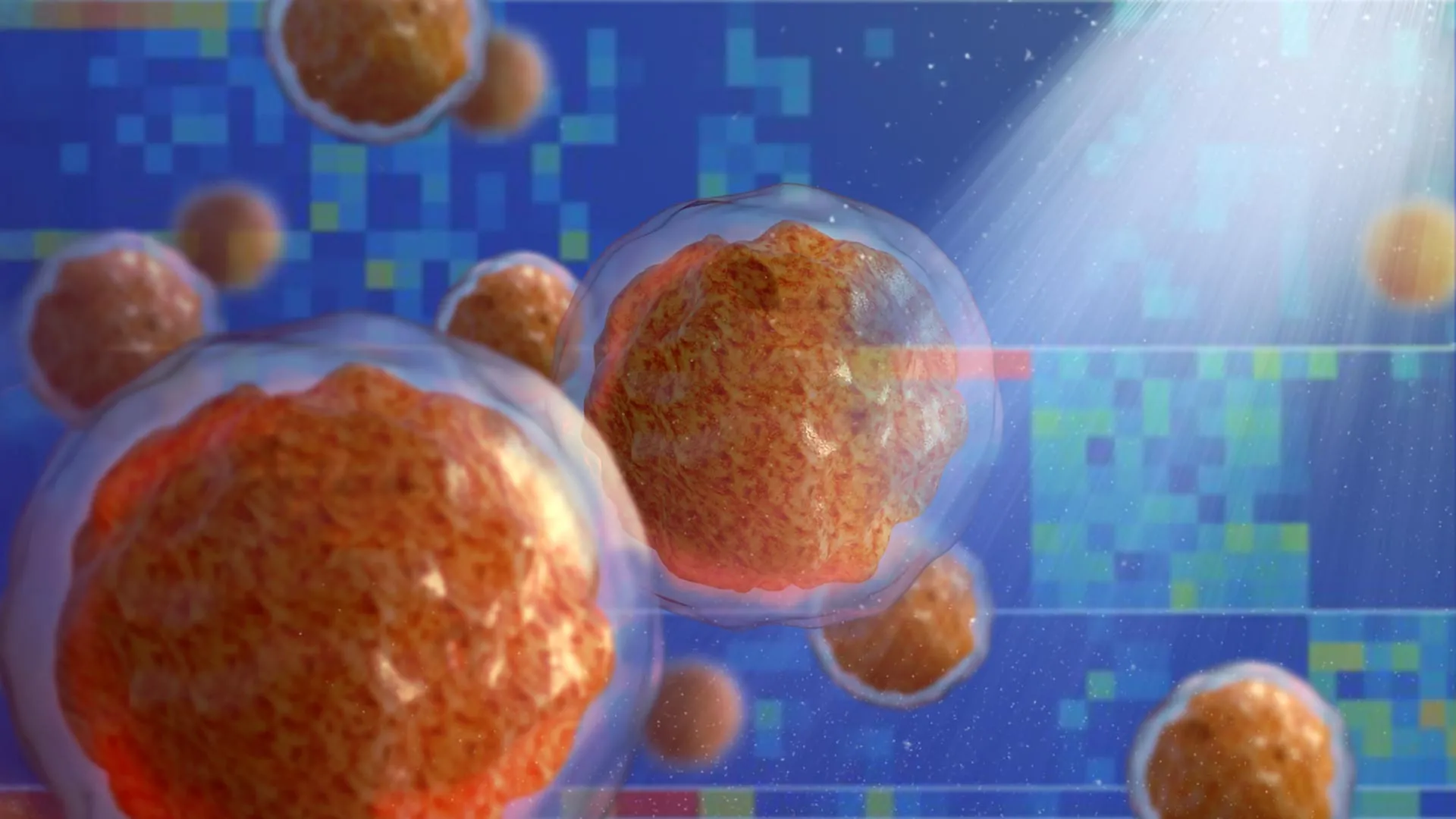
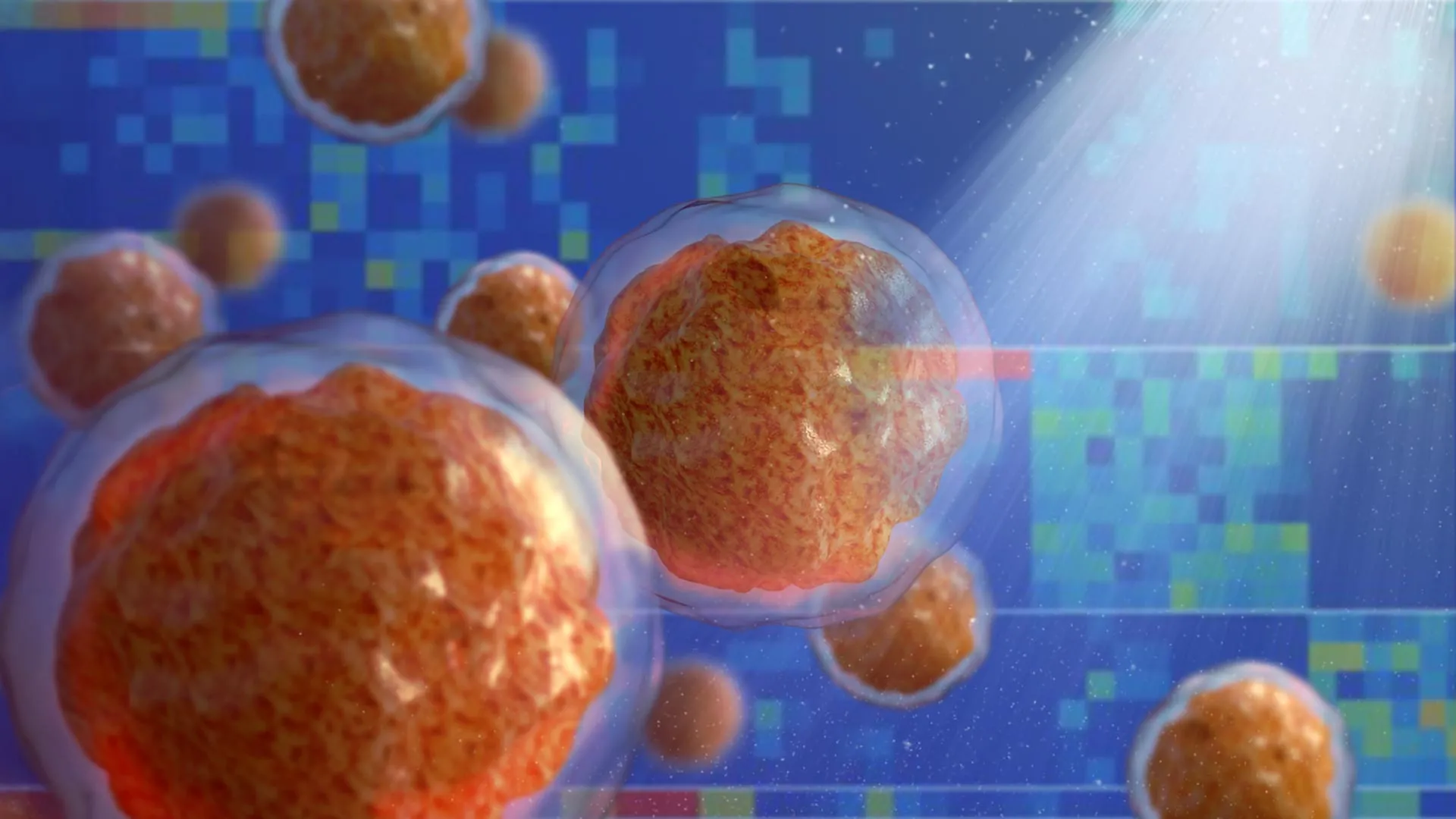
Every second of every day, the human bone marrow performs a silent biological miracle, generating millions of fresh blood and immune cells to sustain life. This relentless process of renewal is governed by a delicate and sophisticated ecosystem known as the hematopoietic niche. Within this microenvironment, hematopoietic stem cells (HSCs) reside in close contact with supportive stromal cells, receiving the precise molecular cues necessary to maintain the body’s blood supply. However, as the body ages, this harmony begins to fracture. A groundbreaking international study has now revealed that the bone marrow microenvironment undergoes a profound inflammatory transformation long before the first clinical symptoms of blood cancer emerge, offering a new paradigm for understanding and potentially preventing the progression of myeloid malignancies.
The research, co-led by Judith Zaugg of EMBL and the University of Basel and Borhane Guezguez of University Medical Center (UMC) Mainz, utilized advanced molecular and spatial analysis to map the hidden changes occurring within the human bone marrow. Published in Nature Communications, the study identifies a specific shift in cellular populations that creates a self-sustaining loop of chronic inflammation. By focusing on the "soil" of the bone marrow rather than just the "seeds" (the mutated stem cells), the researchers have opened a new frontier in the fight against clonal hematopoiesis and myelodysplastic syndromes (MDS).
The Biological Context: From Healthy Renewal to Clonal Dominance
In a healthy individual, hematopoietic stem cells are the ultimate progenitors, capable of differentiating into red blood cells, white blood cells, and platelets. This process is tightly regulated by mesenchymal stromal cells (MSCs), which provide the physical scaffolding and chemical signals—such as the protein CXCL12—required for stem cells to anchor and function correctly.
However, the aging process and chronic environmental stressors introduce vulnerabilities into this system. Somatic mutations, often occurring spontaneously, can give certain stem cells a competitive advantage. This phenomenon is known as clonal hematopoiesis of indeterminate potential (CHIP). Statistics indicate that CHIP is a common hallmark of aging, present in approximately 10 to 20% of adults over the age of 60 and nearly 30% of those over 80.
While individuals with CHIP are typically asymptomatic and may appear healthy in routine blood tests, the underlying cellular shift is far from benign. Clinical data suggests that the presence of CHIP increases the risk of developing hematologic malignancies, such as leukemia, by tenfold. Perhaps more surprisingly, it also doubles the likelihood of cardiovascular disease and significantly increases the risk of early mortality. When these mutated clones begin to interfere with the efficient production of blood cells, the condition can progress to myelodysplastic syndrome (MDS). MDS affects up to 20 in every 100,000 adults over the age of 70, and roughly 30% of these cases eventually transform into acute myeloid leukemia (AML), a highly aggressive and often fatal form of cancer.
Chronology of Discovery: Mapping the Bone Marrow Microenvironment
The research team set out to resolve a long-standing mystery in hematology: does the bone marrow microenvironment actively drive disease, or is it merely a passive bystander to the mutations occurring within the stem cells? To answer this, they leveraged the BoHemE cohort study, a collaborative effort involving the National Center for Tumor Diseases (NCT) Dresden.
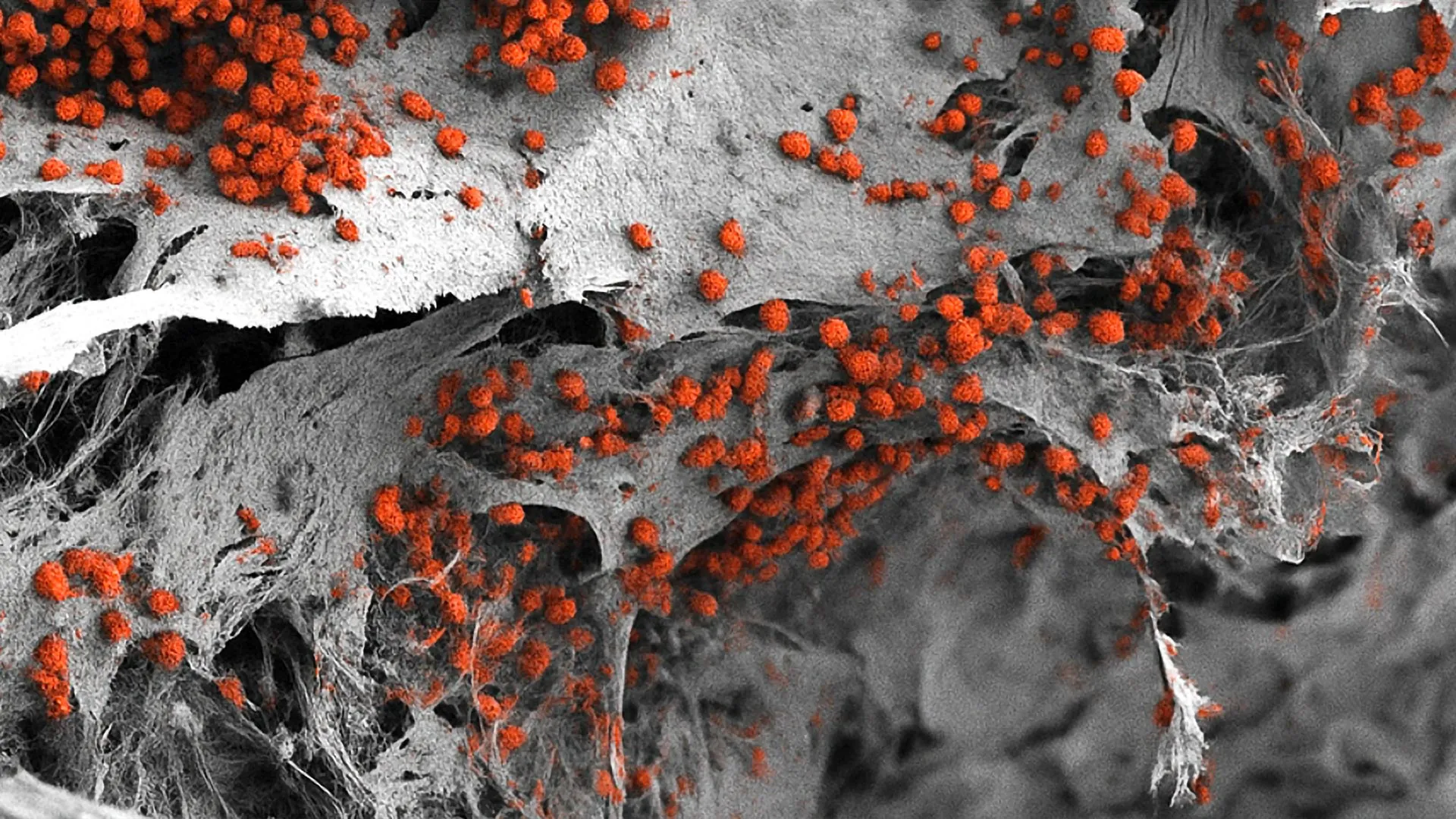
The researchers analyzed bone marrow samples across a spectrum of health and disease, including healthy young donors, older adults with CHIP, and patients diagnosed with MDS. The methodology was exhaustive, combining single-cell RNA sequencing (scRNA-seq) to view gene expression at the individual cell level, high-resolution biopsy imaging to understand spatial relationships, and proteomics to identify the proteins being produced in the niche.
A critical hurdle in this type of research is the ability to distinguish between mutated and non-mutated cells within the same sample. To overcome this, the team employed "SpliceUp," a sophisticated computational tool developed by co-lead author Maksim Kholmatov. By detecting abnormal RNA-splicing patterns—a hallmark of many MDS-related mutations—SpliceUp allowed the researchers to isolate the effects of mutated cells from the surrounding "normal" cells with unprecedented precision.
The Mechanism of Remodeling: The Rise of Inflammatory Stromal Cells
The most striking finding of the study was the identification of a cellular "identity crisis" within the bone marrow. The researchers discovered that as CHIP and MDS progress, the supportive mesenchymal stromal cells (MSCs) are gradually replaced by a new, dysfunctional population dubbed inflammatory MSCs (iMSCs).
"I was surprised to observe such pronounced remodeling of the bone marrow microenvironment already in individuals with CHIP," noted Judith Zaugg, EMBL Group Leader and Professor at Basel University.
Unlike their healthy counterparts, these iMSCs do not prioritize stem cell support. Instead, they act as beacons of inflammation, secreting high levels of interferon-induced cytokines and chemokines. These chemical signals act as a magnet for interferon-responsive T cells. Once these T cells enter the bone marrow, they further stimulate the iMSCs, creating a "feed-forward" loop. This chronic inflammatory cycle effectively "re-wires" the bone marrow, making it a hostile environment for normal blood production while potentially favoring the expansion of mutated, more resilient clones.
Furthermore, the study highlighted a critical failure in communication. In MDS patients, the stromal cells were found to be deficient in producing CXCL12, the "homing signal" that tells blood cells where to settle and mature. "This failure may help explain why the bone marrow stops working properly," explained Karin Prummel, EMBL postdoc and co-lead author. Without these signals, the bone marrow loses its structural integrity and its ability to function as an efficient factory for blood cells.
Supporting Data and Technical Analysis
The data gathered through single-cell sequencing revealed that the inflammatory signature was not confined to the mutated cells themselves. In fact, the researchers found that the inflammatory environment was pervasive, affecting even the non-mutated cells in the vicinity. This suggests that the "niche" becomes a driver of the disease state independently of the specific genetic mutations present in the HSCs.
Quantitative analysis showed:
- Cytokine Overexpression: iMSCs showed a significant upregulation of genes associated with the interferon-gamma (IFN-γ) pathway.
- T-Cell Infiltration: There was a marked increase in the density of CD8+ T cells in the marrow of MDS patients compared to healthy controls.
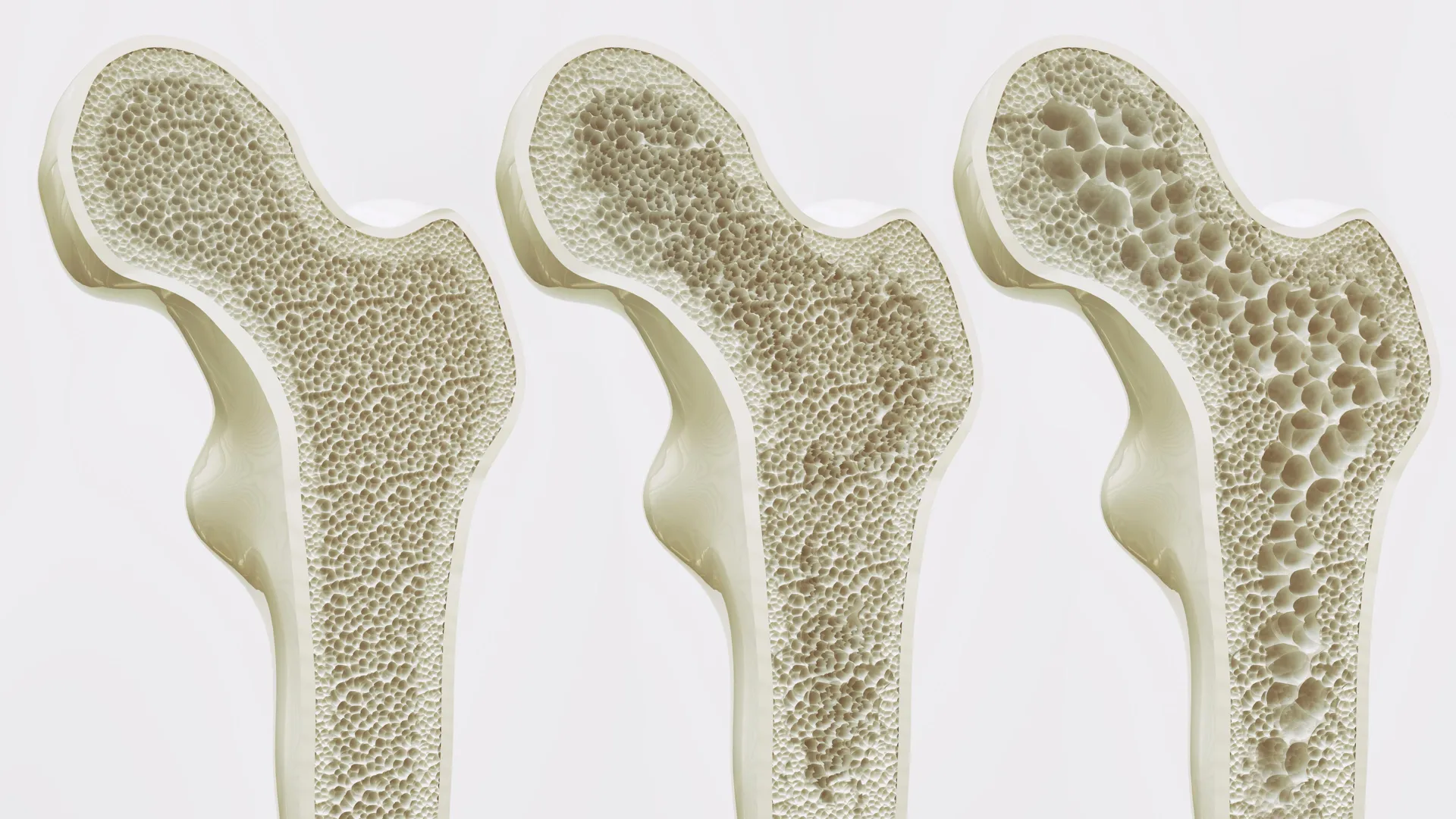
- Structural Degradation: Proteomic data confirmed a reduction in essential niche-supporting proteins, correlating with the clinical severity of bone marrow failure.
This data underscores the importance of the microenvironment as a therapeutic target. If the environment itself is promoting the disease, then treating only the mutated cells may be insufficient for long-term recovery.
Official Responses and Clinical Implications
The research has drawn significant attention from the global hematology community, as it suggests that the window for medical intervention may be much earlier than previously thought. By the time a patient is diagnosed with MDS or AML, the bone marrow niche has often already undergone extensive, perhaps irreversible, remodeling.
Borhane Guezguez, Principal Investigator at UMC Mainz, emphasized the potential for preventive medicine. "Our findings reveal that the bone marrow microenvironment actively shapes the earliest stages of malignant evolution," Guezguez stated. "As advances in molecular profiling allow us to detect pre-leukemic states years before clinical onset, understanding how stromal and immune cells interact provides a foundation for preventive therapies that intercept disease progression before leukemia develops."
The implications for treatment are twofold. First, the study suggests that anti-inflammatory drugs or therapies targeting interferon signaling could be used to "cool down" the bone marrow in older adults with CHIP, potentially preventing the transition to more serious conditions. Second, it raises important questions about the efficacy of bone marrow transplants. If a patient receives healthy donor stem cells but those cells are placed into a "corrupted" and inflammatory niche, the new cells may eventually succumb to the same pressures that caused the original failure.
Broader Impact: The Concept of Inflammaging
The study’s findings resonate far beyond the field of hematology, contributing to the growing body of evidence surrounding "inflammaging"—the theory that chronic, low-grade inflammation is a primary driver of aging and age-related diseases.
For decades, the bone marrow was viewed primarily as a production site for blood. This new research positions it as a central player in systemic aging. The inflammatory signals generated in the bone marrow do not remain localized; they enter the systemic circulation, potentially contributing to the chronic inflammation that fuels atherosclerosis, metabolic syndrome, and neurodegeneration.
By demonstrating how the interaction between immune cells and stromal cells drives this process, the researchers have provided a blueprint for studying inflammatory remodeling in other organs and disease states.
Conclusion and Future Directions
The collaborative effort between EMBL, UMC Mainz, and their international partners represents a significant leap forward in our understanding of how blood diseases begin. By shifting the focus from the genetic mutations of single cells to the complex ecosystem of the bone marrow niche, the study provides a more holistic view of disease progression.
Future research will focus on longitudinal studies to track these microenvironmental changes in real-time as individuals age. "It will be crucial to study these processes over time," Zaugg noted. "We are now investigating to what extent the niche retains a ‘memory’ of disease, which could shape how it responds to new, healthy stem cells."
As the medical community moves toward a more personalized and preventive approach to healthcare, the ability to identify and treat the early signs of bone marrow inflammation could save countless lives, transforming the management of age-related blood disorders from reactive crisis management to proactive prevention. The work stands as a testament to the power of multi-disciplinary research, combining computational biology, advanced imaging, and clinical expertise to illuminate the hidden mechanisms of human health.















Leave a Reply