


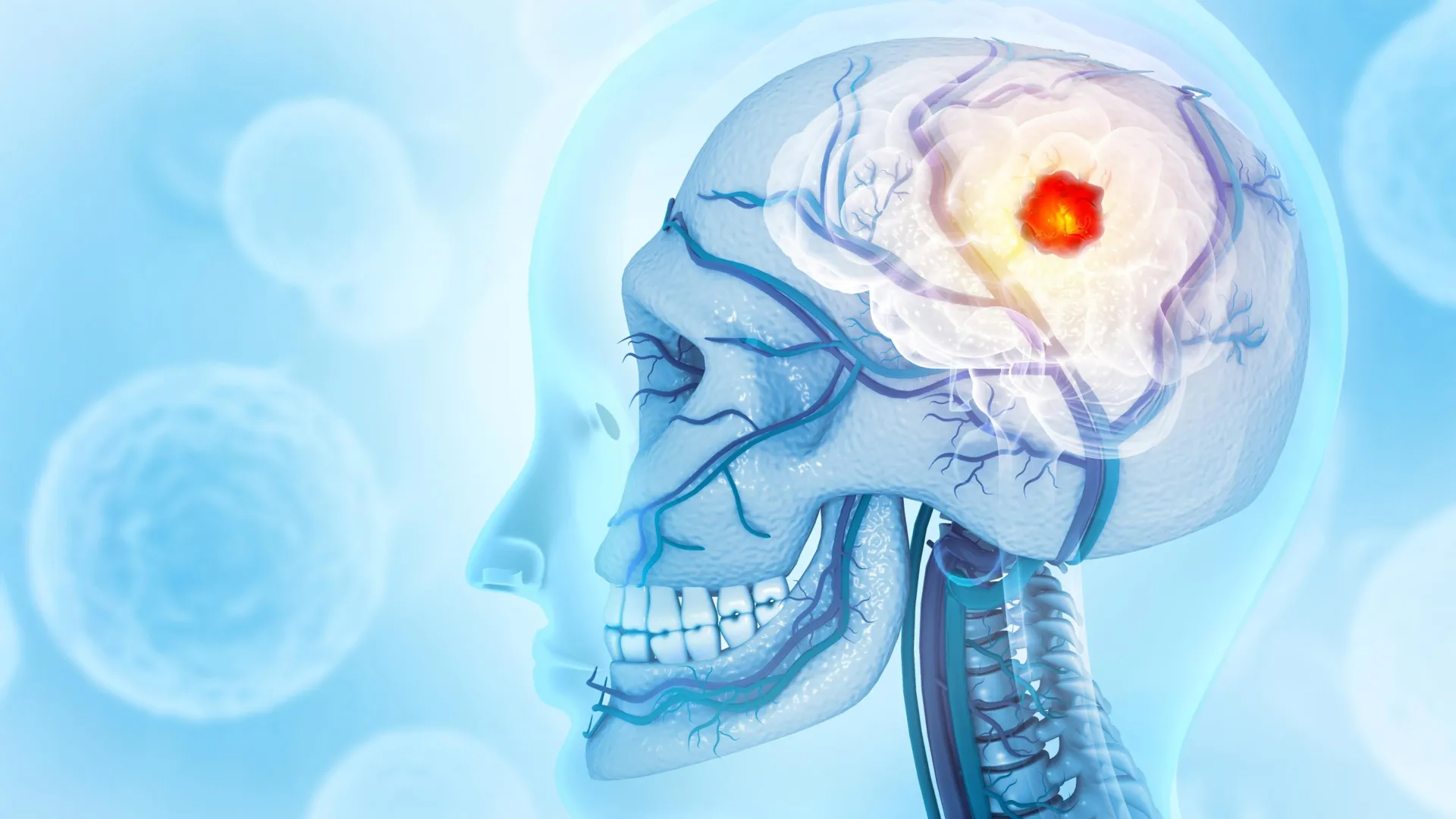
In a discovery that challenges decades of immunological dogma, researchers from the German Cancer Consortium (DKTK) at the West German Tumor Center Essen have identified highly potent "islands" of immune cells residing within the bone marrow of the human skull. These localized niches, found in close proximity to glioblastomas, appear to serve as the primary staging grounds for the body’s defense against these aggressive brain tumors. While the finding provides a potential roadmap for more effective immunotherapies, it also introduces a profound clinical dilemma: the very surgical procedures required to treat the cancer may be inadvertently destroying the patient’s most effective natural defenses.
Glioblastoma multiforme remains one of the most formidable challenges in modern oncology. As a WHO Grade IV astrocytoma, it is characterized by rapid growth, extensive infiltration into healthy brain tissue, and a notorious resistance to standard treatments. For decades, the medical community has operated under the assumption that the immune system functions as a holistic, systemic network, deploying white blood cells from distant reservoirs like the spleen or lymph nodes to various sites of injury or infection as needed. However, the data published by the Essen-based team suggests a much more localized and specialized arrangement in the context of brain malignancy.
The Paradigm Shift in Neuro-Immunology
"What we have found is surprising and fundamentally new," stated Dr. Björn Scheffler, a lead DKTK researcher at the Essen site. The study’s core revelation is that the immune system does not merely send "patrols" from the body’s periphery to the brain; instead, it maintains a specialized "garrison" within the skull itself. These regional bone marrow niches gather highly potent immune cells to organize a defense specifically targeted at the neighboring tumor.
This localized defense mechanism was first hinted at during animal experiments, but the transition to human clinical relevance required a breakthrough in methodology. Celia Dobersalske, the study’s first author, noted that the team had to establish entirely new protocols to harvest and analyze bone marrow tissue from the skullcap of untreated glioblastoma patients. By focusing on human tissue samples rather than relying solely on murine models, the researchers were able to confirm that these marrow niches are not just biological oddities but central components of the human anti-tumor response.
Mapping the "Base Camp" of the Immune Response
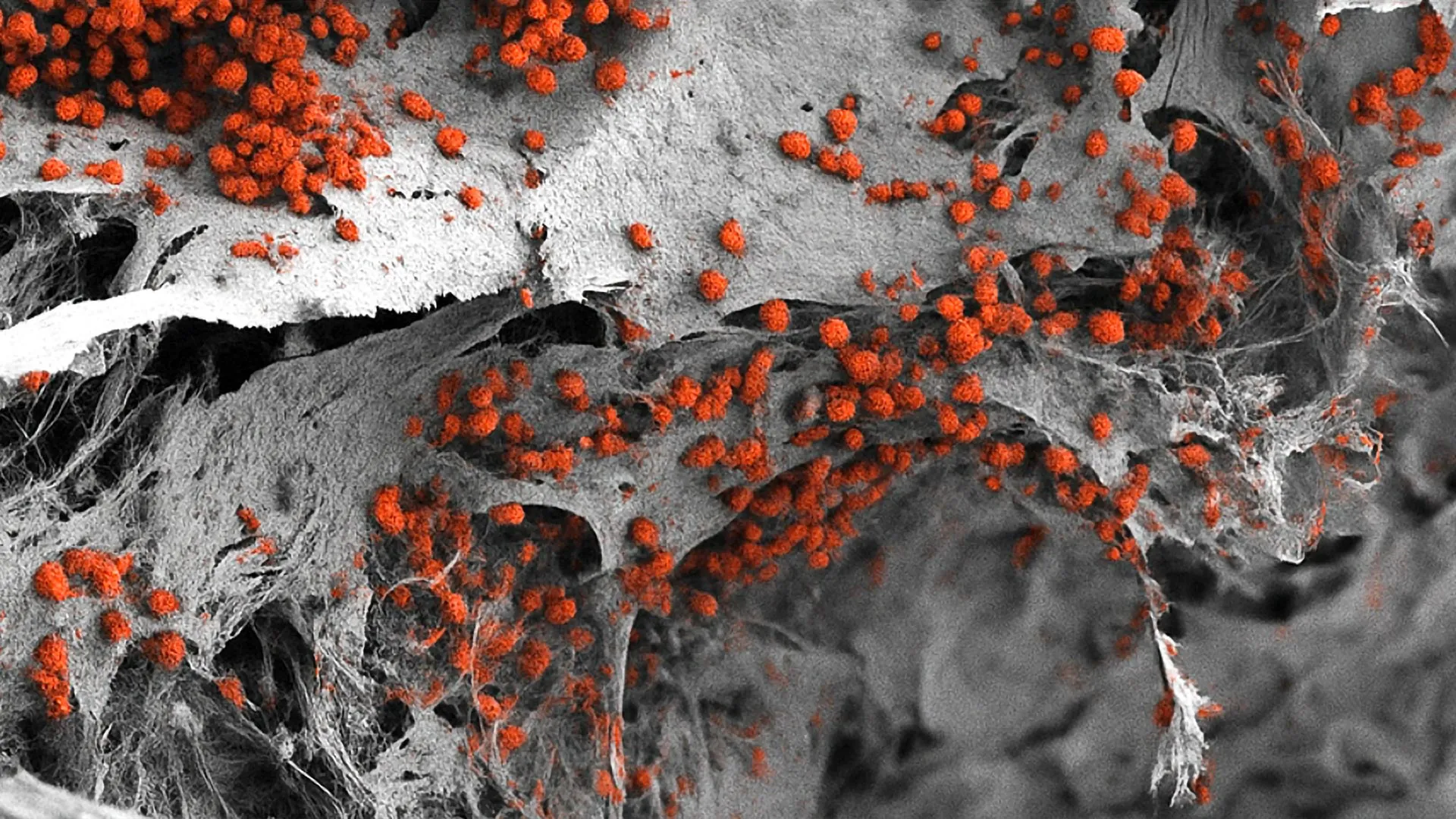
The research team’s analysis of these skull bone marrow niches revealed a sophisticated cellular ecosystem. They identified active lymphoid stem cells—the precursors that differentiate into various immune cells—alongside mature cytotoxic T lymphocytes, specifically CD8+ cells. In the hierarchy of the immune system, CD8+ cells are the "front-line soldiers," capable of recognizing specific antigens on the surface of malignant cells and triggering their destruction.
Crucially, the CD8+ cells found in the skull marrow exhibited a high density of surface receptors responsible for controlling the proliferation of mature T lymphocytes. This indicates that these cells are not passive residents but are actively primed for expansion and engagement. To prove that these cells were indeed the ones fighting the brain tumor, the researchers performed clonal analysis. They discovered that the T cell clones—descendants of the same original parent cell—found within the tumor tissue were identical to those residing in the nearby skull marrow.
"This is clear evidence that the immune cells gathered on-site are fighting the glioblastoma," Scheffler explained. The data further revealed a direct correlation between the activity levels of these local CD8+ cells and the clinical course of the disease. Patients with more robust local immune activity tended to have better outcomes, suggesting that these "islands" of cells are the primary drivers of any natural resistance the body mounts against the tumor.
The Surgical Paradox: A Clinical Dilemma
While the discovery offers a new target for therapy, it presents an immediate crisis for neurosurgical practice. To treat a glioblastoma, surgeons must perform a craniotomy—a procedure where a section of the skull is removed to access the brain. According to the Essen researchers, this standard procedure may be causing collateral damage to the very immune reservoirs the patient needs to survive.
Dr. Ulrich Sure, Director of the Department of Neurosurgery at Essen and a member of the research team, highlighted the gravity of this conflict. "When we opened the skull, we may have destroyed important immune cells in the process," Sure admitted. Currently, neurosurgeons have no choice but to penetrate the skullcap to remove the tumor mass and confirm the diagnosis through biopsy. However, the realization that the bone marrow within that skullcap is a vital "base camp" for anti-cancer T cells necessitates a rethink of surgical techniques.
The research team is now investigating "bone-sparing" approaches or alternative entry points that might minimize the impact on these marrow niches. The goal is to balance the necessity of tumor resection with the preservation of the local immune infrastructure, a task that may require the development of new surgical tools and imaging technologies to map immune-rich zones before the first incision is made.
Rethinking Immunotherapy and Checkpoint Inhibitors
The discovery also sheds light on why previous attempts at immunotherapy for glioblastoma have largely failed. Checkpoint inhibitors, which have revolutionized the treatment of cancers like melanoma and non-small cell lung cancer, work by "releasing the brakes" on the immune system, allowing T cells to attack tumors more aggressively. In glioblastoma trials, however, these drugs have consistently underperformed.
The Essen data suggests a possible reason for this failure: the drugs may not have been reaching the right cells at the right time. "We now know that highly potent immune cells are indeed present on-site," Scheffler said. "We were able to prove that they are fit to fight tumors, but they are not capable of destroying the tumor on their own."
The challenge for future therapies will be pharmacological delivery. If checkpoint inhibitors or other immunotherapeutic agents can be delivered directly to the regional bone marrow niches in the skull, they may be able to "supercharge" the local CD8+ cells before they even enter the tumor microenvironment. This localized "priming" could overcome the immunosuppressive signals that glioblastomas typically use to deactivate T cells once they cross the blood-brain barrier.
Background and Context: The Fight Against Glioblastoma
To understand the weight of this discovery, one must consider the historical context of glioblastoma research. Since the establishment of the "Stupp Protocol" in 2005—which combines maximal surgical resection with radiotherapy and the chemotherapy drug temozolomide—survival rates have remained stubbornly low. The average life expectancy post-diagnosis is between 12 and 18 months, with only about 5% of patients surviving beyond five years.
The brain is often described as an "immunologically privileged" site, meaning it was long thought to be isolated from the body’s immune system to prevent inflammation from damaging delicate neural tissues. This view has been gradually dismantled over the last decade as researchers discovered lymphatic vessels in the meninges. The Essen study represents the next step in this evolution, moving from the idea of "access" to the idea of "local residency."
Supporting Data and Future Directions
The study, funded by the Wilhelm Sander Foundation and the DKTK Joint Funding Program ‘HematoTrac’, is part of a broader shift toward "precision immunology." By analyzing the specific clonal relationship between the marrow and the tumor, the researchers have provided a blueprint for personalized medicine. Future treatments could involve harvesting a patient’s own skull marrow cells, expanding them in a laboratory, and re-injecting them into the tumor site—a form of localized CAR-T therapy.
Furthermore, the data suggests that the "islands" of immune cells are not uniformly distributed. This heterogeneity means that some patients may have more robust local defenses than others, which could explain the high variability in how different individuals respond to the same glioblastoma treatments. Identifying these "high-responders" early through marrow biopsies could allow for more tailored therapeutic interventions.
Broader Implications for Oncology
The implications of this research may extend beyond glioblastoma. If the skull acts as a specialized reservoir for brain-related immune responses, it is possible that other bones in the body serve similar localized functions for nearby organs. This could change how we view bone metastases or how we approach the treatment of cancers in the neck, spine, or pelvic region.
For now, the focus remains on the immediate challenge of glioblastoma. The Essen team’s discovery has provided a rare moment of optimism in a field defined by clinical setbacks. By identifying the "base camp" of the body’s internal defense, they have not only explained why previous treatments may have failed but have also pointed the way toward a new generation of therapies that work with, rather than against, the body’s localized immune architecture.
As the medical community digests these findings, the next phase of research will likely focus on clinical trials that integrate bone-sparing surgery with localized immunotherapy. If successful, this dual approach could finally move the needle on glioblastoma survival rates, turning a "usually incurable" disease into one that can be managed, or even defeated, by the very cells hiding just beneath the surface of the skull.











Leave a Reply