

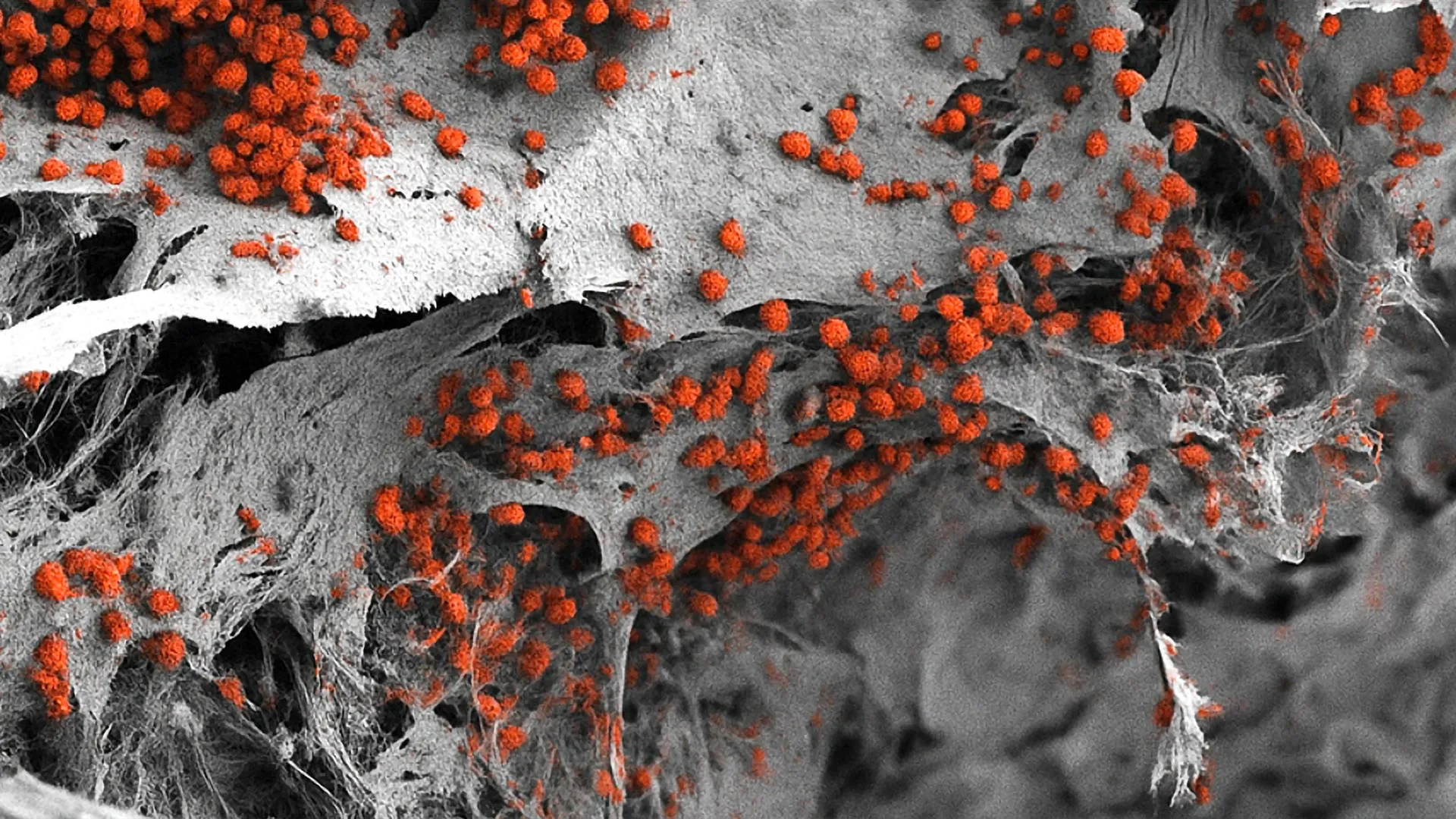
In a landmark achievement for regenerative medicine and oncology, researchers from the University of Basel and University Hospital Basel have successfully engineered a functional, three-dimensional model of human bone marrow using exclusively human cells. This breakthrough, detailed in the journal Cell Stem Cell, marks the first time science has successfully replicated the intricate "blood factory" of the human body in a laboratory environment without relying on animal-derived components or simplified, non-representative cell cultures. Led by Professor Ivan Martin and Dr. Andrés García García from the Department of Biomedicine, the research team has created a platform that not only mimics the physiological complexity of the bone marrow but also offers a transformative tool for studying blood cancers, testing new pharmaceuticals, and advancing the field of personalized medicine.
The Biological Complexity of the Human Blood Factory
The human bone marrow is one of the most complex and dynamic tissues in the body. Often referred to as the "blood factory," it is responsible for the continuous production of billions of new blood cells every day, including oxygen-carrying red blood cells, infection-fighting white blood cells, and clot-forming platelets. This process, known as hematopoiesis, occurs within highly specialized microenvironments called "niches."
These niches are not merely collections of cells; they are sophisticated ecosystems where bone cells (osteoblasts and osteoclasts), blood vessels (endothelial cells), nerves, and various immune cells interact through a complex web of chemical and mechanical signals. Among these, the endosteal niche—located near the inner surface of the bone—is of particular interest to scientists. This niche is critical for the maintenance of hematopoietic stem cells and is frequently implicated in the progression of blood cancers like leukemia. It is also known as a "sanctuary" where cancer cells can hide from chemotherapy, leading to disease relapse. Replicating this specific environment has been a "holy grail" for bioengineers for decades.
Limitations of Traditional Research Paradigms
For over half a century, the study of hematopoiesis and bone marrow pathology has been constrained by the limitations of existing models. Traditionally, researchers have relied on two primary methods: animal models (mostly mice) and two-dimensional (2D) cell cultures.
While mouse models have provided invaluable insights into the fundamental mechanics of blood production, they possess inherent biological discrepancies. Human and murine hematopoietic systems differ in their molecular signaling, cell surface markers, and the specific architecture of the bone marrow niches. Consequently, many drugs that show promise in mouse trials fail when transitioned to human clinical trials because the "human context" was missing during the early stages of research.
On the other hand, 2D cell cultures—where cells are grown on flat plastic dishes—are too simplistic. They lack the three-dimensional structure, the mineralized matrix of the bone, and the multi-lineage cell interactions that define a living organ. The Basel team’s success in creating a fully human 3D model addresses these gaps, providing a bridge between basic laboratory research and clinical application.
A New Architectural Approach: The Hydroxyapatite Scaffold
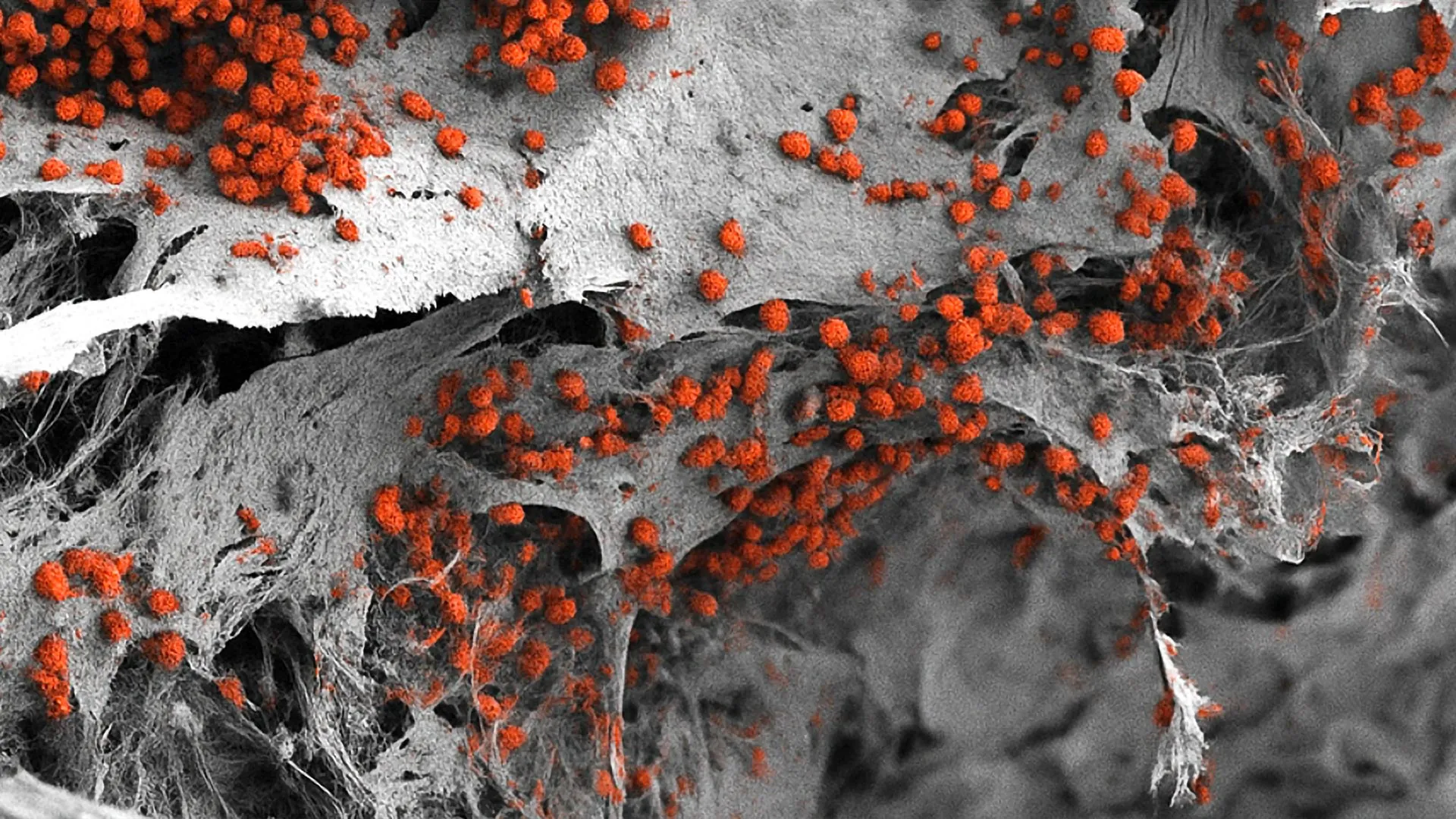
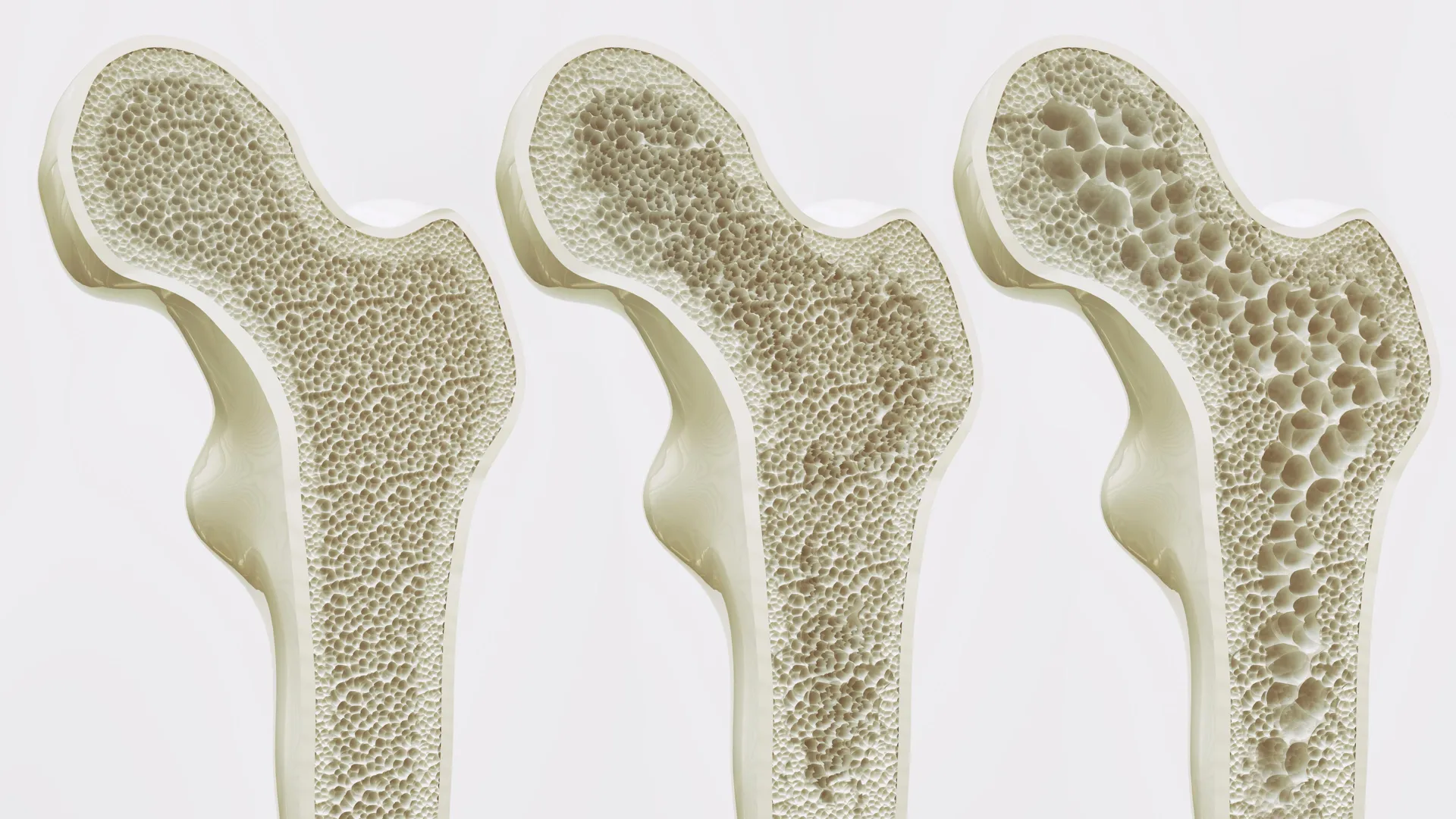
The development of the new model began with the creation of a physical framework that could mimic the structural integrity of human bone. The researchers utilized hydroxyapatite, a naturally occurring mineral form of calcium apatite that constitutes the primary inorganic component of human bone and teeth.
By engineering a porous, artificial bone scaffold from hydroxyapatite, the team provided the necessary "soil" for the "seeds" of human cells to grow. This scaffold provides the mechanical stiffness and chemical cues required to guide cell behavior. Measuring eight millimeters in diameter and four millimeters in thickness, the resulting structure is significantly larger and more robust than previous micro-scale models, allowing for a more comprehensive analysis of tissue development and cell-to-cell communication.
The Role of Induced Pluripotent Stem Cells (iPSCs)
The core innovation of the study lies in the use of human induced pluripotent stem cells (iPSCs). These are adult cells—often skin or blood cells—that have been genetically reprogrammed back into an embryonic-like state. In this state, they possess the potential to become any cell type in the human body.
The Basel researchers introduced these iPSCs into the hydroxyapatite scaffold and, through a carefully timed sequence of molecular signals and growth factors, guided them to differentiate into the various components of the bone marrow. This included the formation of bone-forming cells, a network of functional blood vessels, and even the integration of neural elements. This "bottom-up" approach allowed the researchers to ensure that every cell in the system was of human origin, eliminating the cross-species interference that often complicates data from hybrid models.
Recreating the Endosteal Niche: A Chronology of Development
The assembly of the model followed a precise chronological sequence designed to mirror natural human development.
- Scaffold Seeding: The hydroxyapatite framework was prepared and seeded with human iPSCs.
- Guided Differentiation: Over several weeks, specific chemical cocktails were introduced to trigger the development of mesodermal lineages, leading to the formation of osteoblasts and endothelial progenitors.
- Vascularization and Mineralization: As the cells matured, they began to secrete their own extracellular matrix, further mineralizing the scaffold while simultaneously forming a primitive vascular network.
- Hematopoietic Integration: Once the niche was established, the researchers introduced hematopoietic stem cells. The model successfully "nursed" these cells, allowing them to proliferate and differentiate into mature blood cells, including myeloid and lymphoid lineages.
Analysis of the resulting 3D structure confirmed that it closely matched the physiological profile of the human endosteal niche. Crucially, the model maintained the formation of human blood cells for several weeks in a laboratory setting, a feat that is difficult to achieve in simpler systems.
Strategic Alignment with the 3Rs Principle
One of the most significant implications of this research is its potential to reduce the scientific community’s reliance on animal experimentation. The University of Basel has been a vocal proponent of the "3Rs" principle: Replacement, Reduction, and Refinement of animal experiments.
Professor Ivan Martin emphasized that while mouse studies have been the backbone of hematology, they are not a perfect surrogate for human biology. "Our model brings us closer to the biology of the human organism," Martin stated. By providing a high-fidelity human environment, researchers can conduct preliminary drug screenings and toxicity tests on synthetic human marrow before—or instead of—using animal subjects. This not only aligns with ethical advancements in science but also improves the accuracy of the data collected, as the results are derived directly from human cellular responses.
Economic and Pharmaceutical Implications
The pharmaceutical industry faces a significant challenge in drug development: the "valley of death," where promising compounds fail during Phase I or Phase II clinical trials due to unforeseen toxicity or lack of efficacy in humans. The cost of developing a single new drug is estimated to be between $1 billion and $2.6 billion, with a large portion of that cost attributed to failures late in the development cycle.
The human bone marrow model offers a solution to this economic hurdle. By using this platform for high-throughput drug testing, pharmaceutical companies can identify ineffective or toxic compounds much earlier. Dr. Andrés García García noted that while the current model’s size (8mm) is ideal for studying tissue structure, it may need to be miniaturized for large-scale drug testing.
"To test many drugs or doses at the same time, the platform would need to be made smaller," García García explained. Future iterations of the technology are expected to focus on "bone-marrow-on-a-chip" designs, which would allow for automated, rapid testing of hundreds of chemical compounds simultaneously.
Towards Personalized Oncology and Precision Medicine
The ultimate vision for this technology lies in the realm of personalized medicine. Every patient’s cancer is unique, and what works for one individual may be ineffective for another. In the future, doctors could take a small sample of a patient’s own cells, create a personalized "patient-on-a-chip" bone marrow model, and test various chemotherapy combinations on that model.
This would allow oncologists to identify the most effective treatment for a specific individual’s blood cancer without the patient having to undergo the "trial and error" process of systemic chemotherapy, which often carries debilitating side effects. The model’s ability to replicate the endosteal niche—the very place where leukemia cells often survive treatment—makes it an ideal testing ground for drugs designed to "flush out" or eradicate resistant cancer cells.
Expert Reactions and Fact-Based Analysis
While the scientific community has reacted with optimism, experts note that the model is still in its early stages. The integration of a full immune system and a more complex nervous system within the marrow model remains a challenge for future research. However, the achievement of a fully human, 3D functional unit is regarded as a paradigm shift.
Independent analysts suggest that this research could also have implications for the study of rare genetic blood disorders and the aging process (immunosenescence). By observing how the "blood factory" ages in a controlled environment, scientists may discover new ways to bolster the immune systems of the elderly.
Conclusion and Future Outlook
The work of the Basel team represents a significant leap forward in bioengineering. By successfully recreating the human endosteal niche using iPSCs and a hydroxyapatite scaffold, they have provided a new lens through which to view human hematopoiesis and disease.
As the technology matures, the focus will shift toward scaling the system for clinical use and refining its complexity. The transition from animal-based models to high-fidelity human models is not just a scientific necessity; it is an ethical and economic imperative. The "blood factory" in the lab is no longer a concept of the future—it is a reality that promises to redefine the landscape of hematology and oncology for years to come.












Leave a Reply