


In the hidden cavities of the human skeletal system, bone marrow performs a relentless and vital symphony of biological production, generating billions of new blood cells every single day. This complex tissue is the primary factory for oxygen-carrying red blood cells and infection-fighting white blood cells, maintaining the body’s equilibrium and defense mechanisms. However, for millions of patients undergoing intensive medical treatments such as chemotherapy or radiation for cancer, this vital function is often severely compromised. These life-saving therapies frequently damage the marrow, leading to dangerously low white blood cell counts—a condition known as myelosuppression—that leaves patients critically vulnerable to life-threatening infections.
Addressing this fundamental challenge in clinical medicine, a collaborative team of researchers from the University of Pennsylvania School of Engineering and Applied Science (Penn Engineering), the Perelman School of Medicine (PSOM), and the Children’s Hospital of Philadelphia (CHOP) has announced the development of a sophisticated "bone marrow-on-a-chip." This bioengineered platform successfully emulates the native environment of human marrow, offering a transformative tool for drug development, personalized medicine, and even the study of human health during long-duration space travel. The breakthrough, detailed in a recent publication in the journal Cell Stem Cell, represents a major leap forward in overcoming the limitations of animal studies, which often fail to replicate the unique complexities of human hematopoiesis.
The Architecture of the Synthetic Niche
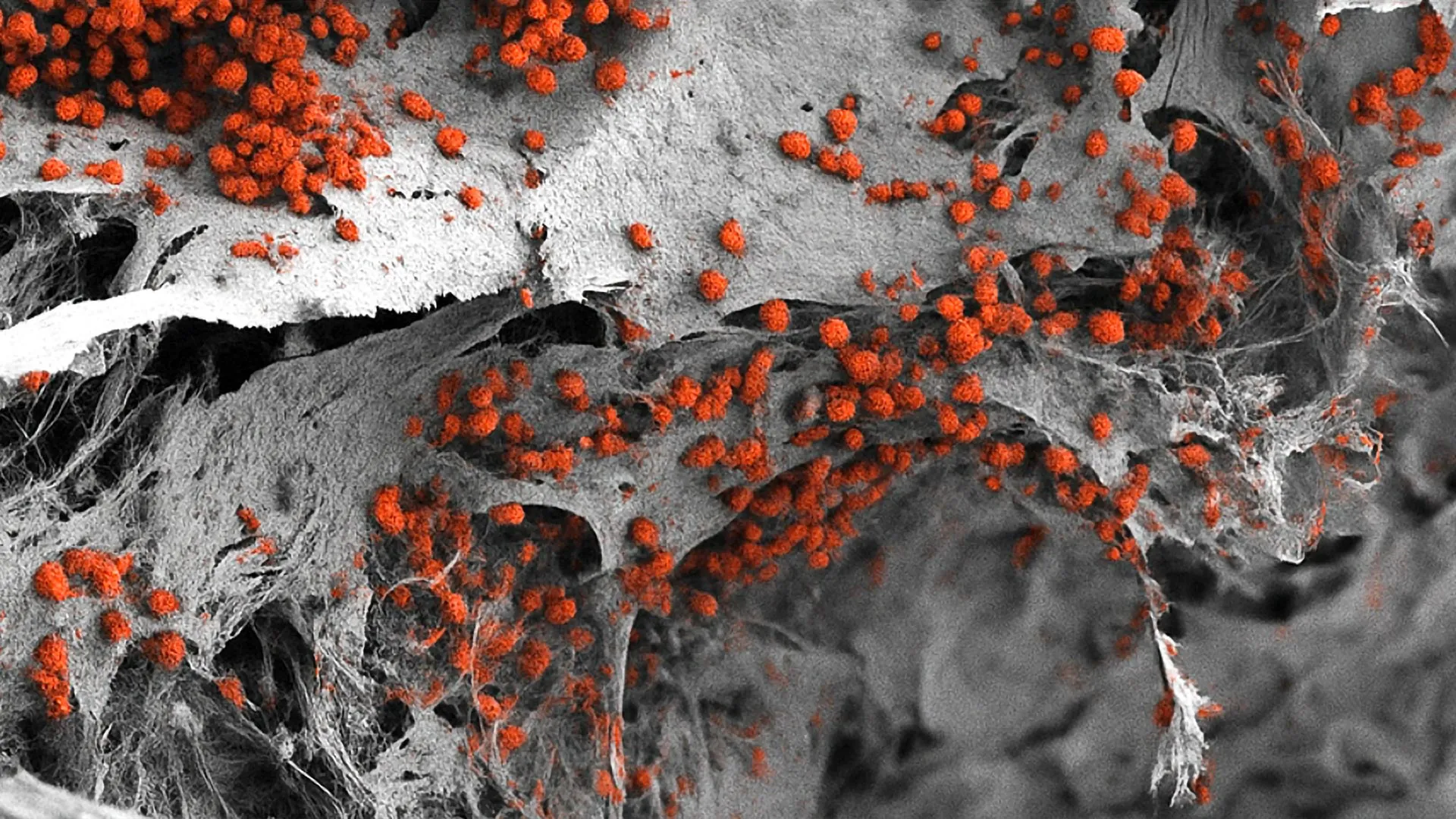
The newly developed device is a compact, microfluidic plastic chip featuring specially engineered chambers designed to replicate the biological "niche" where blood cells are born. Unlike traditional cell culture methods that grow cells in flat, two-dimensional layers, this platform utilizes a three-dimensional hydrogel environment. Within this gel, researchers place human blood stem cells alongside the essential support cells with which they naturally interact.
By mimicking the conditions found in a human embryo during the early stages of bone marrow development, the platform encourages cells to self-organize. This biologically inspired approach allows for the creation of living human marrow tissue that is not only structurally similar to the real organ but also functionally active. The engineered tissue can generate a variety of functional human blood cells and release them into culture media that flows through synthetic capillary blood vessels, mirroring the way the marrow interacts with the circulatory system.
The success of the chip lies in its "bottom-up" design principle. While previous attempts to model marrow often struggled with the organ’s anatomical inaccessibility and biological intricacies, the Penn-led team focused on the "recipe" of nature. By combining hematopoietic stem cells (HSCs), which are responsible for cell differentiation, with endothelial cells (vessel walls) and mesenchymal cells (connective tissue), the researchers provided the necessary ingredients for the tissue to build itself.
A Decade in the Making: From the ISS to the Laboratory
The journey to create this platform began nearly ten years ago with a mission that was literally out of this world. Dan Huh, a Professor in Bioengineering at Penn and the paper’s senior author, teamed up with G. Scott Worthen, an attending physician at CHOP and Professor Emeritus in Pediatrics at PSOM, to propose a study on the immune system in space.
The original goal was to send an engineered model of human bone marrow to the International Space Station (ISS) to investigate how microgravity and cosmic radiation affect human immunity. Historical data from long-duration space missions had shown that astronauts often experience an increased risk of infection, suggesting that weightlessness might have a detrimental effect on the production or function of white blood cells.
However, the path to the stars was fraught with technical and global challenges. "Much to our disappointment, the flow controller of the cubelab system required to sustain our engineered tissue models short-circuited during ascent," Huh recalled. A subsequent attempt to relaunch the experiment was further delayed and eventually canceled due to the onset of the COVID-19 pandemic.
Despite these setbacks, the researchers pivoted their focus back to terrestrial applications, realizing that the technology they had developed for space had profound implications for medicine on Earth. The refined chip has now emerged as one of the most sophisticated bioengineered tissue models developed to date, capable of simulating the most essential features of the human immune system.
Transforming Cancer Care and Drug Toxicity Screening
One of the most immediate and impactful applications of the bone marrow-on-a-chip is in the field of oncology. Currently, many anticancer drugs are limited by their "marrow toxicity." Doctors must often balance the dosage of a drug needed to kill a tumor against the risk of destroying the patient’s bone marrow.
The new platform allows researchers to simulate and study these side effects in a controlled, human-relevant environment. By exposing the chip to various doses of radiotherapy or chemotherapy, scientists can observe exactly how the marrow responds, how quickly cell production drops, and how the tissue might recover.
Furthermore, the demonstration of large-scale production and automation of these chips could revolutionize the pharmaceutical industry. By enabling high-throughput preclinical screening, drug developers can test thousands of compounds for potential marrow toxicity before they ever reach human clinical trials. This not only has the potential to make drug development faster and cheaper but also significantly safer for patients.
Modeling Multi-Organ Interactions and Innate Immunity
Beyond its role as a standalone organ model, the bone marrow-on-a-chip can be integrated with other "organ-on-a-chip" devices to study complex physiological interactions. In a groundbreaking demonstration, the research team connected the marrow chip to a model of bacteria-infected lungs.
This setup allowed them to observe the "biochemical crosstalk" between the two organs—a process fundamental to the human innate immune response. When the lungs detect an infection, they send chemical signals to the bone marrow. The marrow, in turn, rapidly releases a large number of white blood cells into the bloodstream. These cells then traffic into the infected airways, where they fight off the infection by engulfing bacterial cells.
"We show for the first time the feasibility of creating interconnected organ-on-a-chip models to emulate the entire process of innate immune response," said Dan Huh. This capability provides a powerful tool for studying respiratory diseases, sepsis, and other conditions where the communication between the marrow and other organs is critical to survival.
Addressing the Limitations of Animal Models
For decades, the gold standard for testing new drugs and studying diseases has been animal models, particularly mice. However, the scientific community has increasingly recognized the "translational gap"—the fact that results in animals often do not reflect what happens in humans.
Bone marrow is a prime example of this discrepancy. Human hematopoiesis involves different signaling pathways, cell lifespans, and structural complexities than those found in rodents. By providing a purely human platform, the marrow-on-a-chip reduces the reliance on animal testing and provides data that is more directly applicable to human health.
The ability of the chip to maintain hematopoietic stem and progenitor cells (HSCs) for extended periods is particularly noteworthy. In a traditional laboratory setting, these stem cells are notoriously difficult to keep alive outside the body. The chip’s ability to provide a conducive environment for these cells opens the door to "the Holy Grail of cell therapy": the ability to expand a donor’s stem cells in a lab before transplanting them into a patient.
Future Outlook and Commercialization
The potential of this technology has already led to commercial interests. Andrei Georgescu, a former doctoral student in Huh’s lab and the lead researcher on the project, has co-founded a startup called Vivodyne to commercialize the organ-on-a-chip technology. The goal is to make these platforms accessible to the broader scientific and pharmaceutical communities, ensuring that the breakthrough at Penn Engineering can be scaled for global impact.
Future research will focus on exploring the utility of the technology for HSC-based cell therapies, which are essential for treating various blood disorders and cancers. Additionally, the team continues to look toward the stars, hoping that the technology will eventually fulfill its original mission of protecting the health of astronauts as humanity ventures further into the solar system.
As medical science moves toward an era of personalized and precision medicine, the bone marrow-on-a-chip stands as a testament to the power of bioengineering. By recreating the "inner workings" of our most vital tissues, researchers are not only finding new ways to treat disease but are also gaining a deeper understanding of the fundamental processes that sustain human life.
The study received support from a wide array of prestigious institutions, including the National Institutes of Health (NIH), the National Science Foundation (NSF), the Paul G. Allen Foundation, and the National Research Foundation of Korea. This diverse funding underscores the global importance and multidisciplinary nature of the project, which bridges the gap between engineering, biology, and clinical medicine.












Leave a Reply