


The human circulatory system is a marvel of constant biological regeneration, requiring the daily production of approximately 200 billion new red blood cells to maintain the vital flow of oxygen from the lungs to every organ in the body. For nearly a century, the scientific consensus held that this massive manufacturing undertaking was almost exclusively the domain of the bone marrow. However, groundbreaking research led by a team at the University of California, San Francisco (UCSF) has fundamentally challenged this long-standing medical paradigm. In a study published on February 27 in the journal Blood, researchers revealed that the lungs play a far more significant role in blood production than previously imagined, serving as a secondary reservoir for hematopoietic stem cells (HSCs) and a primary site for the creation of platelets and red blood cells.
This discovery, supported by the National Heart, Lung, and Blood Institute (NHLBI) of the National Institutes of Health (NIH), suggests that the lungs are not merely organs for gas exchange but are active, vital components of the hematopoietic system. The findings could revolutionize the field of regenerative medicine and offer new avenues for treating blood-related cancers and disorders, such as leukemia, by providing a previously untapped source of life-saving stem cells for transplantation.
The Evolution of Hematological Understanding: From Mice to Humans
The journey toward this discovery began several years ago in the laboratory of Mark Looney, MD, a professor of medicine and laboratory medicine at UCSF. In 2017, Looney’s team published a landmark study using intravital imaging in mice, which allowed them to observe the movement of individual cells within the blood vessels of a living lung. That study provided the first definitive evidence that the mouse lung was a major site of platelet production, accounting for approximately 50 percent of the mouse’s total platelet count. Furthermore, the researchers identified a population of hematopoietic stem cells residing within the mouse lung that were capable of producing all blood cell lineages, including red blood cells, immune cells, and megakaryocytes—the large bone marrow cells responsible for making platelets.
While the 2017 findings were transformative for murine biology, the scientific community remained cautious about whether these processes translated to human physiology. To bridge this gap, Looney and his team, including first author Catharina Conrad, MD, PhD, a postdoctoral scholar at UCSF, embarked on a comprehensive study of human tissue. The researchers compared donated samples of human lung tissue, bone marrow, and peripheral blood to determine if the hematopoietic capacity observed in mice existed in humans.
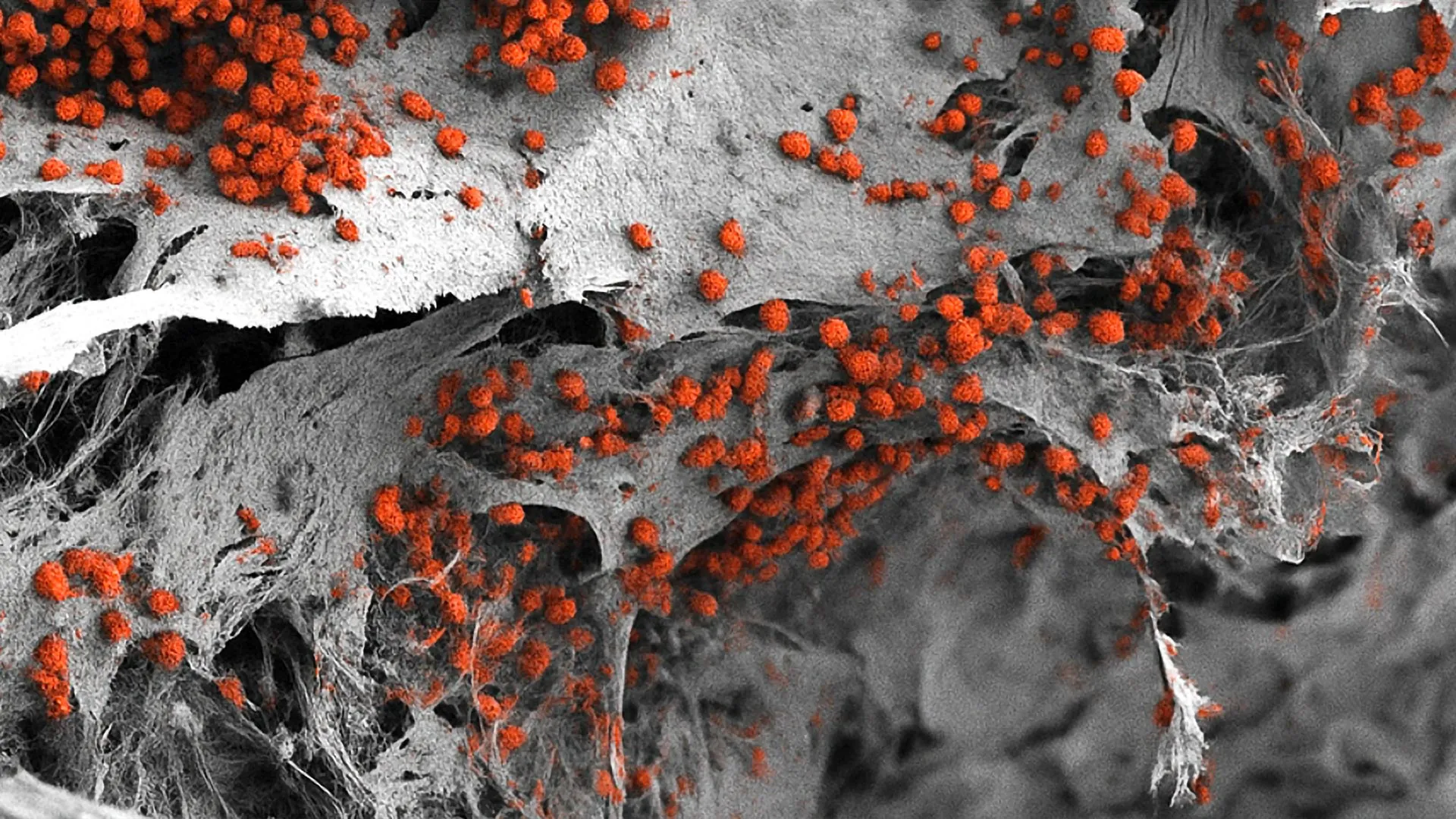
By screening a volume of lung tissue roughly the size of a golf ball, the scientists were surprised to find that hematopoietic stem cells were present in the human lung at concentrations similar to those found in the bone marrow. This was not a localized or rare occurrence; the data suggested that HSCs are a reliable and consistent presence within the pulmonary environment.
Comparative Productivity: Lung vs. Bone Marrow HSCs
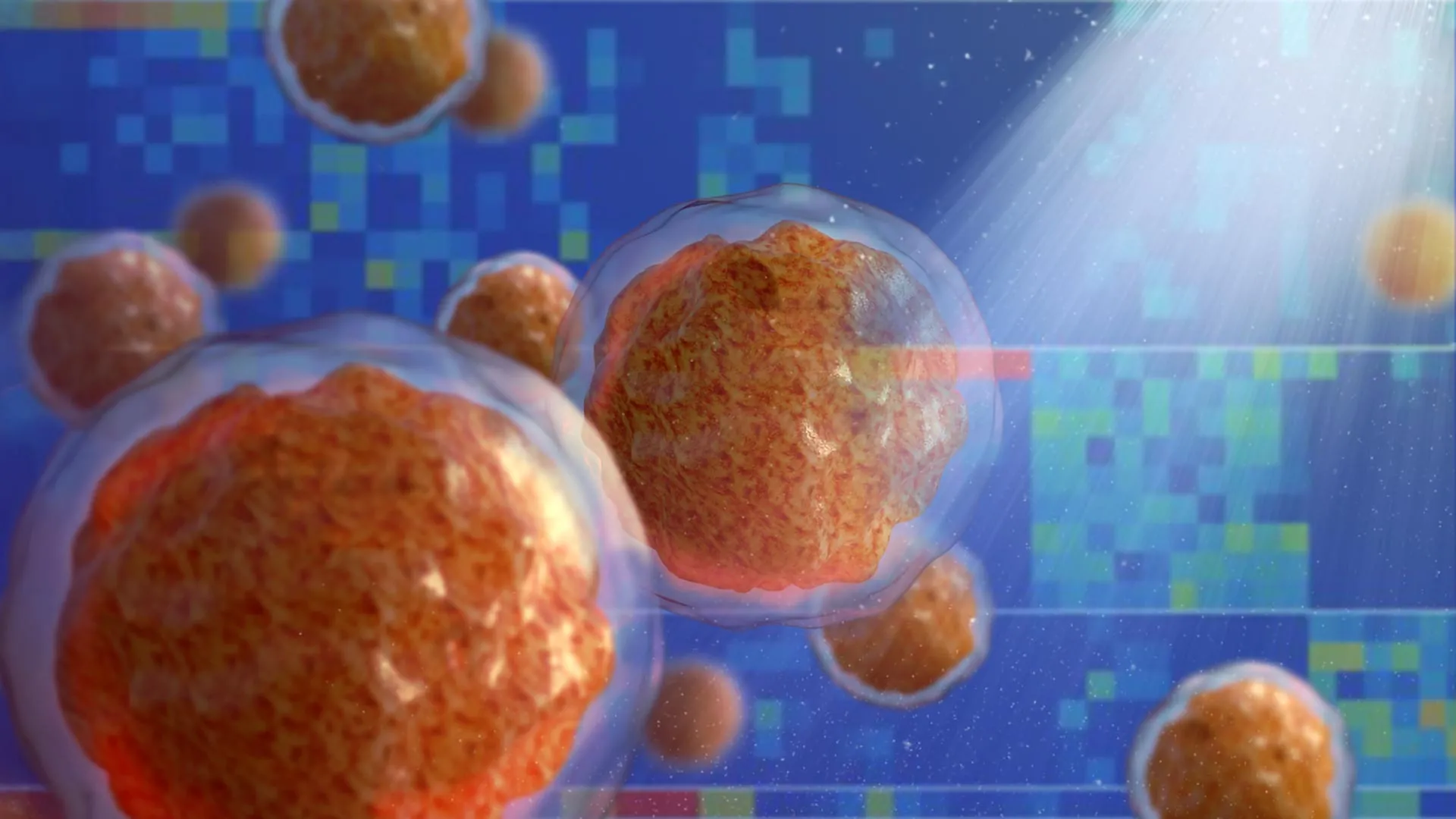
To confirm that these lung-resident cells were truly functional stem cells and not just dormant remnants, the UCSF team conducted a series of "gold-standard" stem cell experiments. They isolated HSCs from both lung and bone marrow tissues and cultured them in petri dishes, providing the necessary growth factors to coax them into maturing into various blood cell types.
The results revealed a fascinating functional divergence between the two populations of stem cells. While both the lung and bone marrow HSCs were highly productive, their outputs differed in significant ways:
- Lung HSCs: These cells showed a marked preference for producing red blood cells and megakaryocytes (the precursors to platelets). This suggests that the lung may act as a specialized factory for the components of blood responsible for oxygen transport and clotting.
- Bone Marrow HSCs: These cells tended to produce a higher proportion of immune cells, such as white blood cells, which are essential for the body’s defense against pathogens.
"Both types of HSCs thrived in our gold-standard stem cell experiment," noted Dr. Looney. "However, the lung HSC colonies were particularly adept at making red blood cells and megakaryocytes. This specialization points toward a sophisticated division of labor between the bone marrow and the lungs."
To further validate the potency of these cells, the researchers transplanted human lung HSCs into mice that were deficient in their own hematopoietic stem cells. The lung-derived cells successfully migrated to the mice’s bone marrow and restored the animal’s ability to produce blood, confirming that lung HSCs possess the full regenerative capacity required for clinical applications.
A Hidden Niche: Where Lung HSCs Reside
A critical question for the research team was whether these stem cells were permanent residents of the lung or merely "passers-through" caught in the dense capillary network of the pulmonary system. If the cells were simply circulating in the blood, they could not be considered a distinct pulmonary reservoir.
To resolve this, Dr. Conrad and her colleagues performed a detailed histological analysis of human lung tissue. They discovered the HSCs situated in specific "niches" between blood vessels, arranged in a spatial configuration that closely mirrors the microenvironment found in the bone marrow. This specific architectural placement strongly suggests that these cells are integrated into the lung tissue, residing there as a stable population rather than being transient visitors.
"They really seem to live there and aren’t just passing through," Dr. Conrad stated. This finding confirms the lung as a legitimate secondary site for hematopoiesis, providing a "backup" or "emergency" system for the body.
Redefining "Bone Marrow Transplants"
Perhaps one of the most startling aspects of the study involved an analysis of modern medical practices. Today, many "bone marrow transplants" do not actually involve the direct extraction of marrow from a donor’s bone. Instead, donors are often given medications to mobilize stem cells into the bloodstream, which are then collected via a blood draw (apheresis).
When the UCSF team analyzed the molecular signatures of the stem cells collected in these routine transplants, they found that nearly 20 percent of the isolated cells carried the distinct biological markers of lung-resident HSCs. This implies that for years, clinicians have unknowingly been using lung-derived stem cells to treat patients with leukemia and other blood disorders.
"The discovery that nearly a fifth of the cells used in these transplants likely originate from the lung changes our understanding of the therapy itself," said Dr. Looney. "It suggests that we have already been utilizing this pulmonary reservoir, albeit unintentionally."
Implications for Future Medicine and Therapeutic Innovation
The identification of the lung as a potent source of hematopoietic stem cells opens several new doors for medical research and clinical therapy.
1. New Sources for Stem Cell Transplants
The scarcity of matching bone marrow donors is a perennial challenge in the treatment of hematologic malignancies. If lung tissue—perhaps from deceased donors or through specialized mobilization techniques—can be utilized as a source of HSCs, it could significantly expand the pool of available material for life-saving transplants.
2. Specialized Treatments for Blood Disorders
Because lung HSCs appear more inclined to produce red blood cells and platelets, they may be uniquely suited for treating specific conditions. For example, patients with chronic anemia or thrombocytopenia (low platelet counts) might benefit more from lung-derived stem cells than from traditional bone marrow cells.
3. Understanding Pulmonary and Circulatory Health
The proximity of these stem cells to the site of oxygen exchange is biologically logical. The lungs are the primary entry point for oxygen into the body; having an "emergency reservoir" of red blood cell production at this site may be an evolutionary adaptation to ensure the body can respond rapidly to hypoxia (low oxygen levels) or sudden blood loss.
4. Impact on Lung Transplantation
The study also raises important questions about the impact of lung transplants on a patient’s overall blood health. If a patient receives a lung transplant, they are also receiving a new reservoir of hematopoietic stem cells. Researchers are now interested in seeing how these donor-derived cells interact with the recipient’s existing immune system and bone marrow.
Conclusion and Future Directions
The UCSF study marks a pivotal shift in human physiology, moving away from a marrow-centric view of blood production toward a more integrated, multi-organ model. While the bone marrow remains the primary engine of hematopoiesis, the lung has been established as a critical and reliable partner in maintaining the body’s blood supply.
Dr. Looney and his team are now focusing on why the lungs require their own blood-producing capacity and how these cells are activated during times of physiological stress. "Now that we know they exist, it opens up a lot of new opportunities for a therapy that is very commonly used for patients with the need," Looney concluded.
As research continues, the medical community may soon view the lungs not just as the organs of breath, but as vital guardians of our blood, standing ready to replenish the billions of cells required to sustain human life every single day. The discovery underscores the importance of continued investment in basic biological research, as even the most established "facts" of human anatomy can still hold profound and life-saving surprises.










Leave a Reply