In a landmark year for the life sciences and pharmaceutical industries, 2025 marked a definitive pivot towards the widespread adoption of New Approach Methodologies (NAMs) in preclinical safety studies, driven by significant strategic declarations from leading global regulatory bodies. The United States Food and Drug Administration (FDA) released its "Roadmap Reducing animal testing in preclinical safety studies" in April 2025, closely followed by the UK government’s "Replacing animals in science strategy" in November 2025. These twin initiatives underscore a global consensus to prioritize human-relevant technologies over traditional animal testing, signaling a profound transformation in how drugs, chemicals, and other products are assessed for safety and efficacy. This concerted effort is poised to reshape the landscape of drug development, regulatory science, and ethical considerations, promising a future where scientific rigor, public health, and animal welfare are more harmoniously aligned.
The Paradigm Shift: From Animal Models to Human Relevance
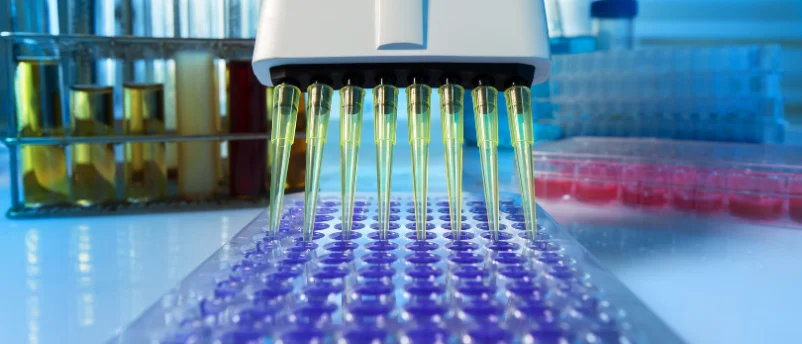
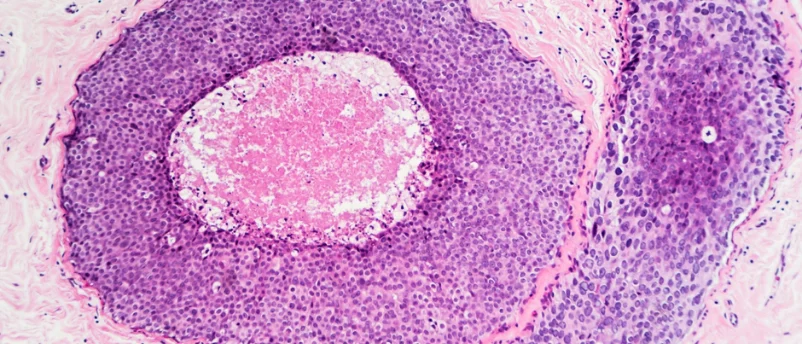
New Approach Methodologies encompass a diverse array of advanced scientific tools and techniques designed to assess biological and toxicological effects without relying on live animal subjects. These include sophisticated in vitro models (such as organ-on-a-chip, multi-organ systems, and 3D cell cultures), computational toxicology (including Quantitative Structure-Activity Relationships, QSAR, and read-across), ‘omics’ technologies (genomics, proteomics, metabolomics), and advanced analytical chemistry. The emergence and refinement of NAMs represent a critical juncture, offering the potential for more human-relevant data, faster turnaround times, and reduced costs in the early stages of product development.
For decades, the scientific community, regulatory bodies, and the public have grappled with the ethical, scientific, and economic limitations of animal testing. While animal models have historically been indispensable for understanding complex biological processes and predicting human responses, their inherent limitations have become increasingly apparent. Species-specific physiological differences often mean that results from animal studies do not reliably translate to humans, contributing to the high attrition rate of promising drug candidates in clinical trials. Estimates suggest that upwards of 90% of drugs that succeed in preclinical animal studies ultimately fail in human clinical trials, often due to lack of efficacy or unforeseen toxicity, incurring billions of dollars in research and development costs.
A Decades-Long Call for Change
The push to reduce reliance on animal testing is rooted in several intertwined imperatives:
- Ethical Imperative: Public and scientific discourse has increasingly questioned the ethical implications of using animals in research. Movements advocating for the "3Rs"—Replacement, Reduction, and Refinement of animal use in research—have gained significant traction globally. Major animal welfare organizations have long campaigned for the adoption of non-animal methods, highlighting the suffering endured by animals and advocating for more humane scientific practices.
- Scientific Imperative: Beyond ethical concerns, the scientific validity and predictive power of many animal models for human health have been critically scrutinized. The biological differences between species, including variations in metabolism, genetics, and disease pathophysiology, can lead to misleading results. NAMs, particularly those utilizing human-derived cells and tissues, offer the promise of more accurate and relevant data for human safety assessments.
- Economic Imperative: The sheer cost and time involved in traditional animal testing, coupled with its limited predictive success, represent a significant burden on the pharmaceutical and chemical industries. Accelerating the drug development pipeline and reducing late-stage clinical failures through better preclinical prediction can lead to substantial cost savings and bring safer, more effective treatments to patients faster.
The Road to 2025: Key Milestones and Precursors
While 2025 emerged as a pivotal year, the groundwork for this shift had been laid over many years through scientific innovation, policy advocacy, and gradual regulatory evolution.
In Europe, the ban on animal testing for cosmetics ingredients and finished products, fully implemented in 2013, demonstrated the feasibility of developing and regulating products without animal use. The EU’s REACH (Registration, Evaluation, Authorisation and Restriction of Chemicals) regulation, enforced since 2007, also actively promotes the use of non-animal testing methods where possible. Organisations like the European Centre for the Validation of Alternative Methods (ECVAM) have been instrumental in validating and promoting NAMs.
In the United States, a crucial precursor to the FDA’s 2025 roadmap was the passage of the FDA Modernization Act 2.0 in December 2022. This bipartisan legislation amended the Federal Food, Drug, and Cosmetic Act to explicitly allow drug developers to use non-animal testing methods—including cell-based assays, organ chips, and computer modeling—to establish the safety and efficacy of new drugs, rather than mandating animal testing. This act removed a significant statutory barrier and signaled a clear intention from the US government to embrace alternative methods.
Globally, organizations like the Organisation for Economic Co-operation and Development (OECD) have been working to develop and standardize guidelines for NAMs, fostering international acceptance and harmonization of these methods for regulatory purposes. The cumulative effect of these efforts created fertile ground for the comprehensive strategies unveiled in 2025.
2025: A Landmark Year for Non-Animal Methodologies
The year 2025 crystallized these ongoing efforts into concrete national strategies, providing clear direction and impetus for the transition.
FDA’s Strategic Roadmap
Published in April 2025, the FDA’s "Roadmap Reducing animal testing in preclinical safety studies" outlined a multi-pronged approach to integrate NAMs more fully into drug development and regulatory decision-making. The roadmap detailed plans for:
- Investment in NAMs Research and Development: Directing funding towards the development, validation, and standardization of cutting-edge non-animal technologies.
- Guidance Document Development: Issuing clear guidelines for industry on how to generate and submit NAMs data, including criteria for validation and acceptance. This is crucial for providing regulatory predictability and reducing uncertainty for pharmaceutical companies.
- Scientific and Regulatory Training: Enhancing the expertise of FDA staff and industry scientists in understanding, interpreting, and applying NAMs data.
- Collaboration and Partnerships: Fostering cooperation with academic institutions, industry consortia, international regulatory bodies, and animal welfare organizations to accelerate progress and harmonize standards.
- Phased Implementation: Acknowledging that a complete overhaul cannot happen overnight, the roadmap likely proposed a phased approach, initially focusing on specific areas where NAMs are most advanced and validated, such as genotoxicity, carcinogenicity screening, and certain aspects of organ toxicity.
A spokesperson for the FDA, speaking generally about the roadmap, might have stated, "This roadmap represents a pivotal step towards a more humane and scientifically advanced future for drug development. By embracing human-relevant technologies, we aim to enhance patient safety, accelerate the availability of innovative medicines, and reduce our reliance on animal models, consistent with our commitment to the highest scientific standards."
UK’s Ambitious Strategy
Building on its existing commitment to the 3Rs principle, the UK government’s "Replacing animals in science strategy," published in November 2025, presented an ambitious national framework. Key components likely included:
- Significant Government Funding: Allocating substantial resources to research programs focused on developing and validating NAMs across various scientific disciplines, from toxicology to infectious disease research.
- Creation of National Hubs: Establishing centers of excellence for NAMs development, training, and commercialization, fostering a vibrant ecosystem of innovation.
- Regulatory Alignment and Modernization: Ensuring that UK regulatory frameworks, including those of the Medicines and Healthcare products Regulatory Agency (MHRA), are fully equipped to assess and accept data from NAMs.
- Cross-Sector Collaboration: Promoting partnerships between government, academia, industry, and charities to share knowledge, infrastructure, and expertise.
- Public Engagement and Education: Raising public awareness about the benefits and scientific advancements of non-animal methods.
A representative from the UK Department for Science, Innovation and Technology might have commented, "Our strategy is a clear statement of intent: the UK is committed to being a global leader in the development and adoption of non-animal technologies. This is not just about animal welfare; it’s about pioneering better science that delivers safer and more effective outcomes for human health."
Industry and Scientific Response: Navigating the Transition
The pharmaceutical and biotechnology industries largely welcomed these regulatory shifts, albeit with a pragmatic understanding of the challenges ahead. Many major pharmaceutical companies had already been investing in NAMs research, recognizing the scientific and ethical imperative. The 2025 strategies provided the crucial regulatory certainty and direction needed to accelerate these internal efforts.
Dr. Eleanor Vance, Head of Preclinical Development at a leading multinational pharmaceutical company, might have remarked, "While the transition to widespread NAMs adoption presents significant challenges in terms of validation, standardization, and initial investment, we view these roadmaps as essential catalysts. They pave the way for a more efficient, cost-effective, and ethically sound drug discovery process, ultimately bringing better medicines to patients faster."
Academic researchers, particularly those in toxicology, cell biology, and bioengineering, expressed enthusiasm for the increased funding and collaborative opportunities. Professor Jian Li, a pioneer in organ-on-a-chip technology, could have noted, "These policy shifts provide critical impetus and funding for the continued development and rigorous validation of sophisticated human-relevant models. It’s an exciting time for scientific innovation at the intersection of biology and engineering."
Advocacy and Public Sentiment
Animal welfare organizations lauded the 2025 announcements as a monumental victory, representing decades of advocacy finally coming to fruition. PETA’s Vice President for Scientific Affairs, Dr. Amy Stone, might have stated, "This is a pivotal moment for animals and for science. The strategies from the FDA and UK government send a clear message: the era of mandatory, cruel, and often unreliable animal testing is drawing to a close. We now urge all stakeholders to accelerate the implementation and broaden the scope of these humane and progressive policies." This sentiment resonates with broader public opinion, which has increasingly favored reducing animal testing in favor of scientifically advanced alternatives.
The Broader Implications: Reshaping Drug Discovery and Development
The shift towards NAMs, galvanized by the 2025 regulatory strategies, promises far-reaching implications across the entire spectrum of drug discovery and development.
Impact on Drug Efficacy and Safety
The most significant long-term impact is the potential for developing safer and more effective drugs for human patients. By utilizing human-relevant models earlier in the discovery pipeline, researchers can identify potential toxicities and efficacy issues that animal models often miss. This could lead to a substantial reduction in the number of drugs failing in late-stage clinical trials, thereby minimizing risks to human volunteers and patients.
Regulatory Harmonization and Global Standards
The unilateral actions of the FDA and UK government will inevitably exert pressure on other global regulatory bodies, such as the European Medicines Agency (EMA) and agencies in Asia, to accelerate their own integration of NAMs. This will necessitate significant international collaboration to harmonize validation standards, data submission requirements, and regulatory acceptance criteria. Organizations like the OECD will play an even more critical role in developing globally recognized test guidelines for NAMs to facilitate international trade and regulatory consistency.
Economic and Innovation Landscape
The NAMs market is projected to experience significant growth, driving innovation in biotechnology, AI, and data science. Companies specializing in organ-on-a-chip devices, computational toxicology software, and advanced in vitro assay development are likely to see increased investment and demand. This will also require a re-skilling and up-skilling of the workforce in pharmaceutical companies and regulatory agencies, fostering new career paths in areas like bioinformatics, data analytics, and microphysiological systems engineering.
Challenges Ahead
Despite the immense promise, the transition is not without its challenges.
- Validation and Standardization: Ensuring that NAMs are rigorously validated to be reliable, reproducible, and predictive across different laboratories and for diverse chemical classes remains a significant undertaking.
- Initial Investment Costs: While NAMs promise long-term cost savings, the initial investment in new infrastructure, technologies, and training can be substantial for companies and research institutions.
- Regulatory Acceptance: Achieving universal acceptance of NAMs data across all regulatory jurisdictions, especially for complex endpoints like carcinogenicity or reproductive toxicity, will require sustained effort and scientific consensus.
- Data Interpretation: The sheer volume and complexity of data generated by some NAMs, particularly ‘omics’ technologies, necessitate advanced bioinformatics and artificial intelligence tools for effective interpretation and decision-making.
In conclusion, the strategic roadmaps laid out by the FDA in April 2025 and the UK government in November 2025 represent a watershed moment in the evolution of preclinical safety testing. These policies signify a global commitment to leveraging scientific innovation to advance human health, enhance ethical practices, and foster a more efficient drug development ecosystem. While the journey ahead involves navigating significant scientific and regulatory challenges, the momentum generated in 2025 has firmly set the course for a new era of human-relevant science, promising a future with safer medicines and a reduced reliance on animal testing.