


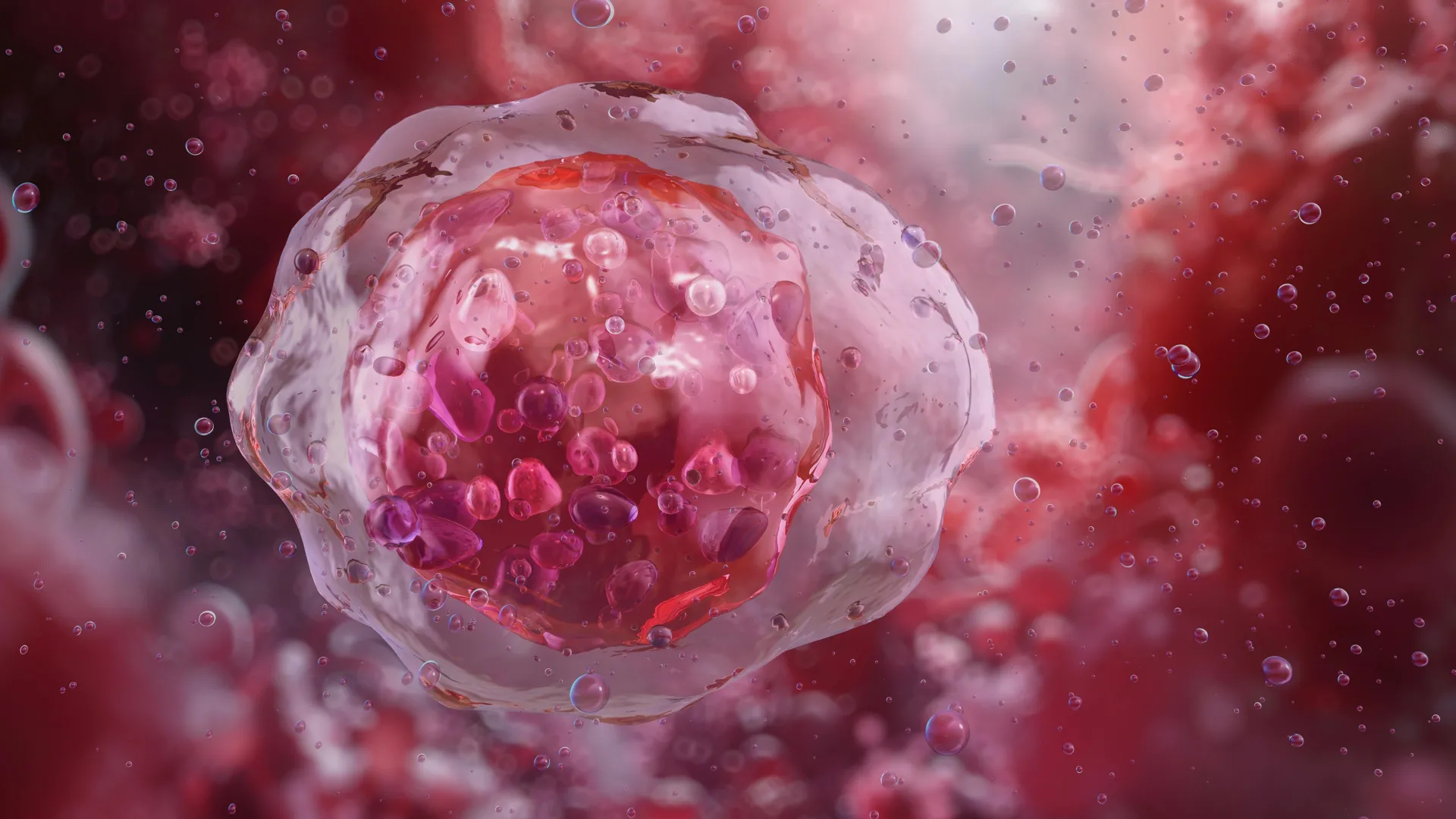
In a paradigm-shifting discovery that challenges over a century of biochemical dogma, researchers at Stanford Medicine have revealed that glucose—the primary sugar found in the blood and the universal fuel for life—serves as a critical conductor of cellular identity. While glucose has long been understood as the "gasoline" of the biological world, providing the chemical energy necessary for cells to function, this new study demonstrates that it also acts as a master regulator of tissue differentiation. This is the complex biological process through which generalized stem cells transform into the specialized cells that form the skin, bones, blood, and organs of the human body.
The study, published in the journal Cell Stem Cell, indicates that glucose influences cellular fate not by being broken down for energy, but by binding in its whole, intact form to specific proteins. This binding action effectively flips genetic switches, determining which genes are activated and when. The findings suggest that glucose functions less like a passive fuel and more like a sophisticated signaling molecule, a discovery so unexpected that the research team spent several years conducting exhaustive validation experiments before coming forward with their results.
The Dual Identity of a Simple Sugar
For decades, the scientific community has viewed glucose through the lens of catabolism. In this traditional model, glucose enters the cell and is immediately ushered into metabolic pathways—such as glycolysis and the citric acid cycle—to produce adenosine triphosphate (ATP), the energy currency of the cell. Any role glucose played in cell signaling was thought to be a secondary consequence of this energy production or the result of metabolic byproducts.
However, the Stanford team, led by senior author Paul Khavari, MD, PhD, the Carl J. Herzog Professor in Dermatology, and lead author Vanessa Lopez-Pajares, PhD, found that glucose possesses an "undercover double life." When glucose levels rise during the process of differentiation, the sugar does not simply disappear into the metabolic furnace. Instead, it remains intact, interacting with hundreds of proteins throughout the cellular environment to modulate their function.
"At first we just didn’t believe it," said Dr. Khavari, who also serves as the chair of dermatology at Stanford. "But the results of extensive follow-up experiments were clear: Glucose interacts with hundreds of proteins throughout the cell and modulates their function to promote differentiation." This realization marks a significant departure from the "energy-only" perspective of glucose and opens a new frontier in understanding how metabolic health influences tissue development and disease.
Chronology of a Serendipitous Discovery
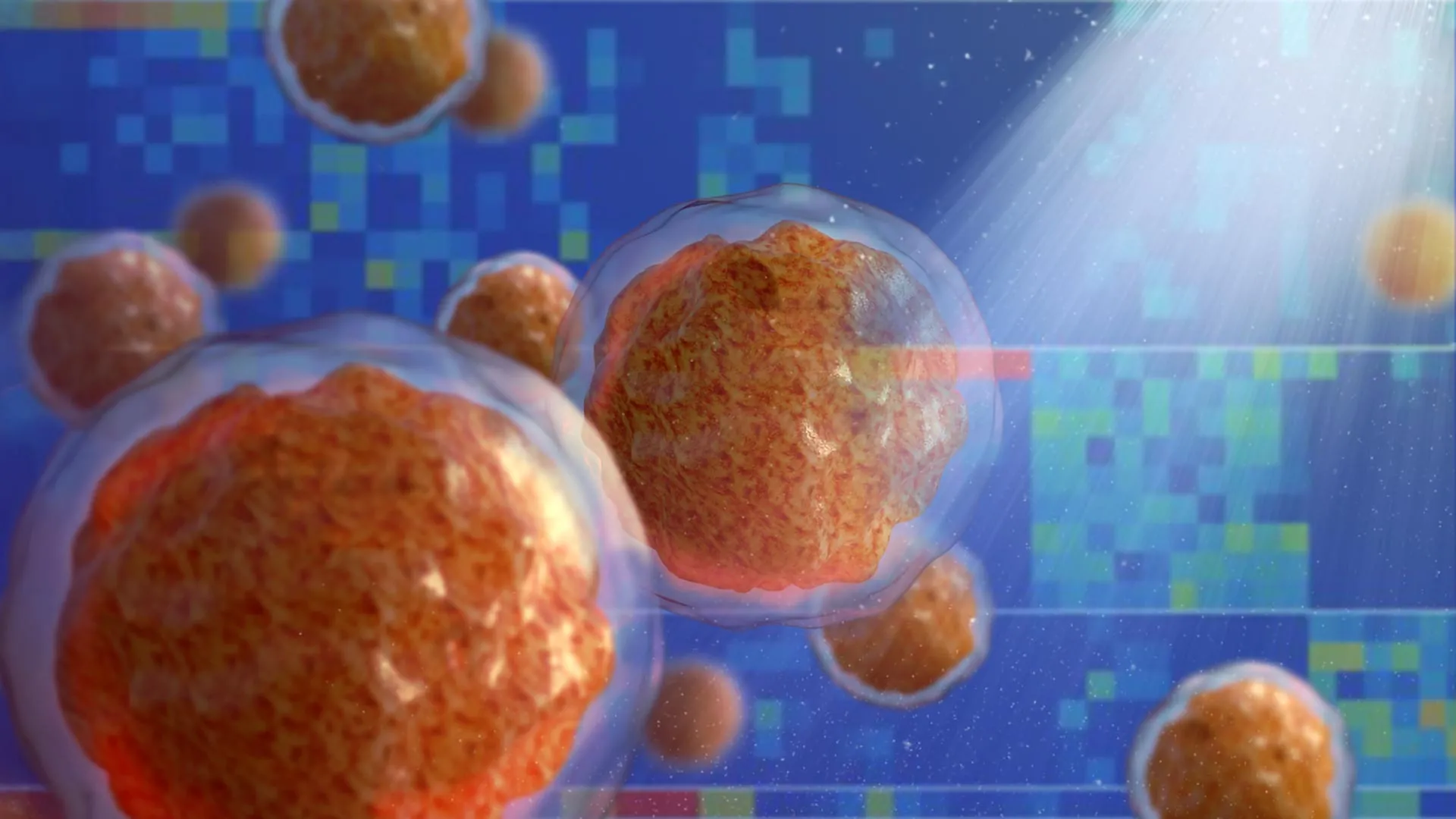
The journey toward this discovery began not with a focus on sugar, but with a broad search for the molecular drivers of human skin development. Khavari and Lopez-Pajares were investigating how human skin stem cells transition into mature keratinocytes, the cells that compose the protective outer layer of the skin. To do this, they utilized a combination of mass spectrometry and high-throughput screening to monitor the fluctuations of thousands of different biomolecules during the differentiation process.
The researchers operated under a logical hypothesis: molecules that increased in abundance as a stem cell matured were likely the drivers of that maturation. After analyzing the data, they identified 193 "suspect" molecules. While many of these were known transcription factors and signaling proteins, the second-highest molecule on the list was glucose.
This finding was immediately counter-intuitive. In biological systems, rapidly dividing stem cells typically require massive amounts of energy, whereas differentiated cells—which often divide more slowly or stop dividing altogether as they approach senescence—require less. Therefore, the researchers expected glucose levels to drop as the cells matured. Instead, they saw a significant and sustained increase in intracellular glucose.
To verify this anomaly, the team employed several sophisticated tracking methods. They used fluorescent and radioactive glucose analogs to visualize the sugar’s movement and concentration within living cells. They also utilized biological sensors that emit green or red light in response to specific glucose concentrations. Across every test, the results were consistent: as differentiation proceeded, the cells’ internal glucose levels spiked. This pattern held true not only in skin cells but also in developing fat, bone, and white blood cells, suggesting a universal biological mechanism.
Evidence from Non-Metabolizable Analogs
The most definitive proof of glucose’s structural role came from experiments involving glucose analogs—molecules that look and act like glucose but cannot be broken down by the cell for energy. In traditional metabolic models, these analogs should have no positive effect on a cell’s growth or maturation because they provide no fuel.
The researchers grew human skin organoids—complex, engineered tissues that mimic the structure of real skin—in environments with varying glucose levels. When glucose was scarce, the organoids failed to differentiate properly, resulting in a disorganized and dysfunctional tissue structure. However, when the researchers supplemented the growth medium with non-metabolizable glucose analogs, the skin organoids resumed normal differentiation.
"That was really the biggest shock," Khavari noted. "We were stuck in the mindset that glucose is an energy source and nothing else. But these glucose analogs support differentiation just as well as regular glucose." This proved that the physical presence of the glucose molecule, rather than the energy derived from its destruction, was the catalyst for tissue formation.
Mechanistic Insights: The Broadcast Signal
Further investigation revealed the specific machinery behind this process. The researchers found that as a cell begins to differentiate, it ramps up the production of transport proteins that pull glucose from the bloodstream into the cell’s interior. Once inside, the glucose acts as what Khavari describes as a "broadcast signal."
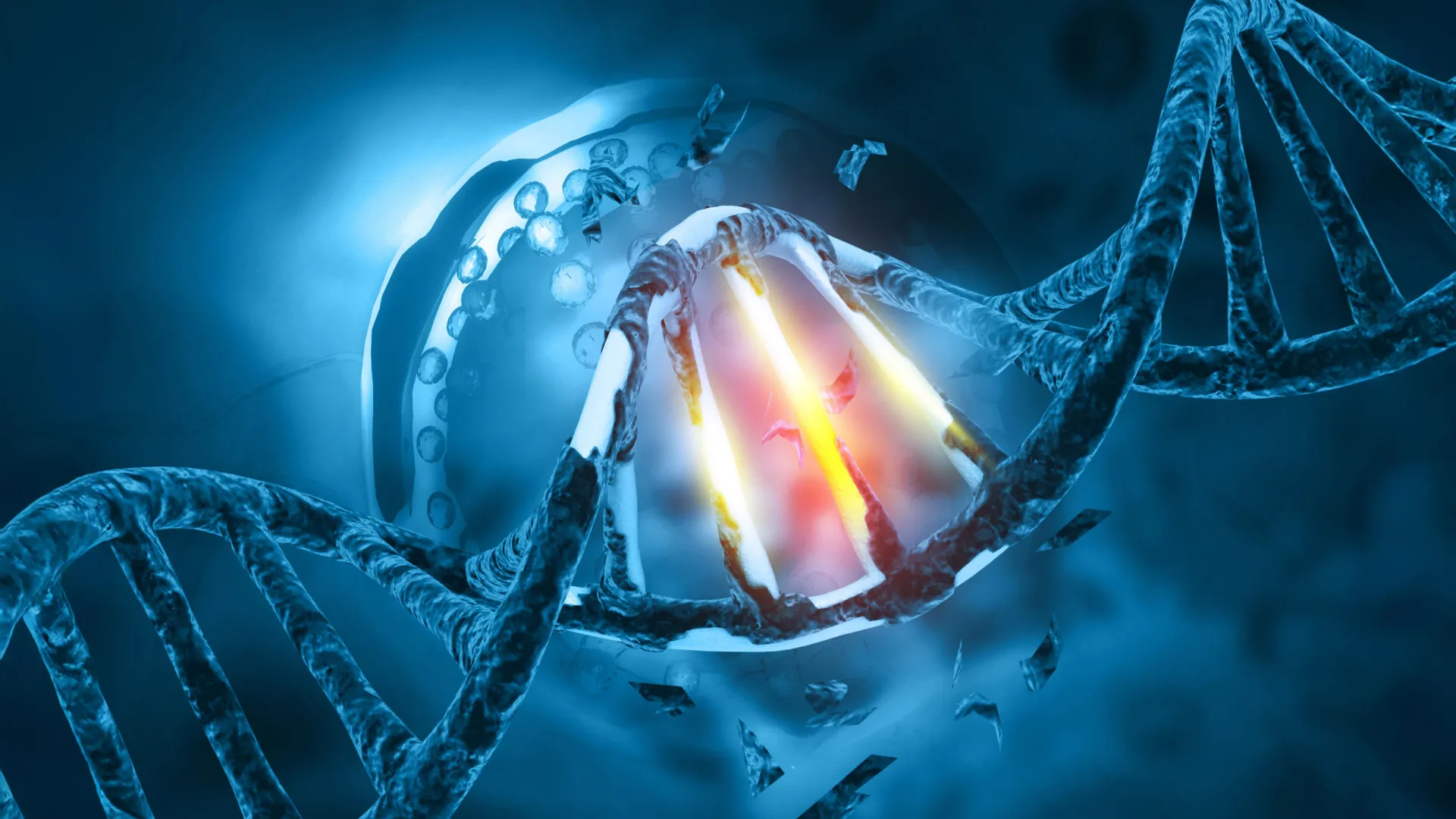
Unlike many cellular signals that follow a precise, linear path (like a single telephone line), glucose behaves like a fire alarm. When glucose levels rise, the sugar binds to a wide array of proteins simultaneously. One key target identified was IRF6, a protein known to be essential for skin development. When glucose binds to IRF6, it triggers a conformational change—a physical reshaping of the protein—that allows it to enter the nucleus and activate thousands of genes required for differentiation.
The study found that low glucose levels affected the expression of over 3,000 genes. This massive genetic shift explains why metabolic disturbances can have such profound effects on the body’s ability to maintain and repair its tissues.
Implications for Diabetes and Cancer Research
The discovery has immediate and profound implications for two of the most pressing challenges in modern medicine: diabetes and cancer.
In the context of diabetes, the study provides a new framework for understanding why patients with chronic high blood sugar (hyperglycemia) suffer from poor wound healing and impaired tissue regeneration. If glucose acts as a signal for differentiation, an "overload" of this signal or a lack of proper regulation could prevent stem cells from responding correctly to injury. Conversely, embryonic stem cells are known to lose their "stemness" when exposed to high glucose, likely because the sugar prematurely forces them down a path of specialization.
For cancer research, the findings are equally transformative. Cancer is often described as a disease of "failed differentiation," where cells remain in an immature, rapidly dividing state. Many cancers exhibit the "Warburg Effect," where they consume enormous amounts of glucose. While this has traditionally been viewed as a way for tumors to gain energy, the Stanford study suggests that cancer cells might also be manipulating glucose signaling to avoid differentiation and remain "immortal."
Interestingly, some glucose analogs are already being tested in clinical trials as anticancer agents. While they were originally designed to "starve" cancer cells, these new findings suggest that these drugs might actually be working by forcing immature cancer cells to finally differentiate into mature, non-cancerous forms.
Supporting Data and Technical Analysis
The study’s robustness is supported by the breadth of the data collected across multiple platforms:
- Gene Expression: Low glucose conditions altered the expression of 3,000+ genes, many of which are core components of the epidermal differentiation complex.
- Proteomics: Mass spectrometry confirmed that glucose binds to hundreds of proteins, suggesting a "global" regulatory role rather than a localized one.
- Tissue Models: The use of 3D skin organoids provided a more accurate representation of human biology than simple 2D cell cultures, showing that the glucose-differentiation link is essential for structural integrity.
The research was a collaborative effort supported by the National Institutes of Health and the U.S. Department of Veterans Affairs. As a member of the Stanford Cancer Institute, Dr. Khavari emphasized that this is just the beginning of a new field of study.
A New Frontier in Biochemistry
The Stanford study represents a significant leap forward in our understanding of the "logic" of the cell. It suggests that many small biomolecules, long dismissed as passive metabolites, may actually be active participants in the regulatory networks that govern life.
"This finding is a springboard for research on dysregulation of glucose levels, which affects hundreds of millions of people," Khavari concluded. "People have thought that small biomolecules like glucose were quite passive in the cell. This is another piece of evidence to pay close attention to other roles these molecules might play."
As researchers continue to map the "interactome"—the complex web of interactions between metabolites and proteins—it is likely that other common nutrients will be revealed to have similar regulatory powers. For now, the discovery that glucose is a master architect of human tissue provides a vital new tool for regenerative medicine, offering hope for new treatments that can guide stem cells to repair damaged hearts, skin, and nerves by simply "tuning" the sugar signals they receive.









Leave a Reply