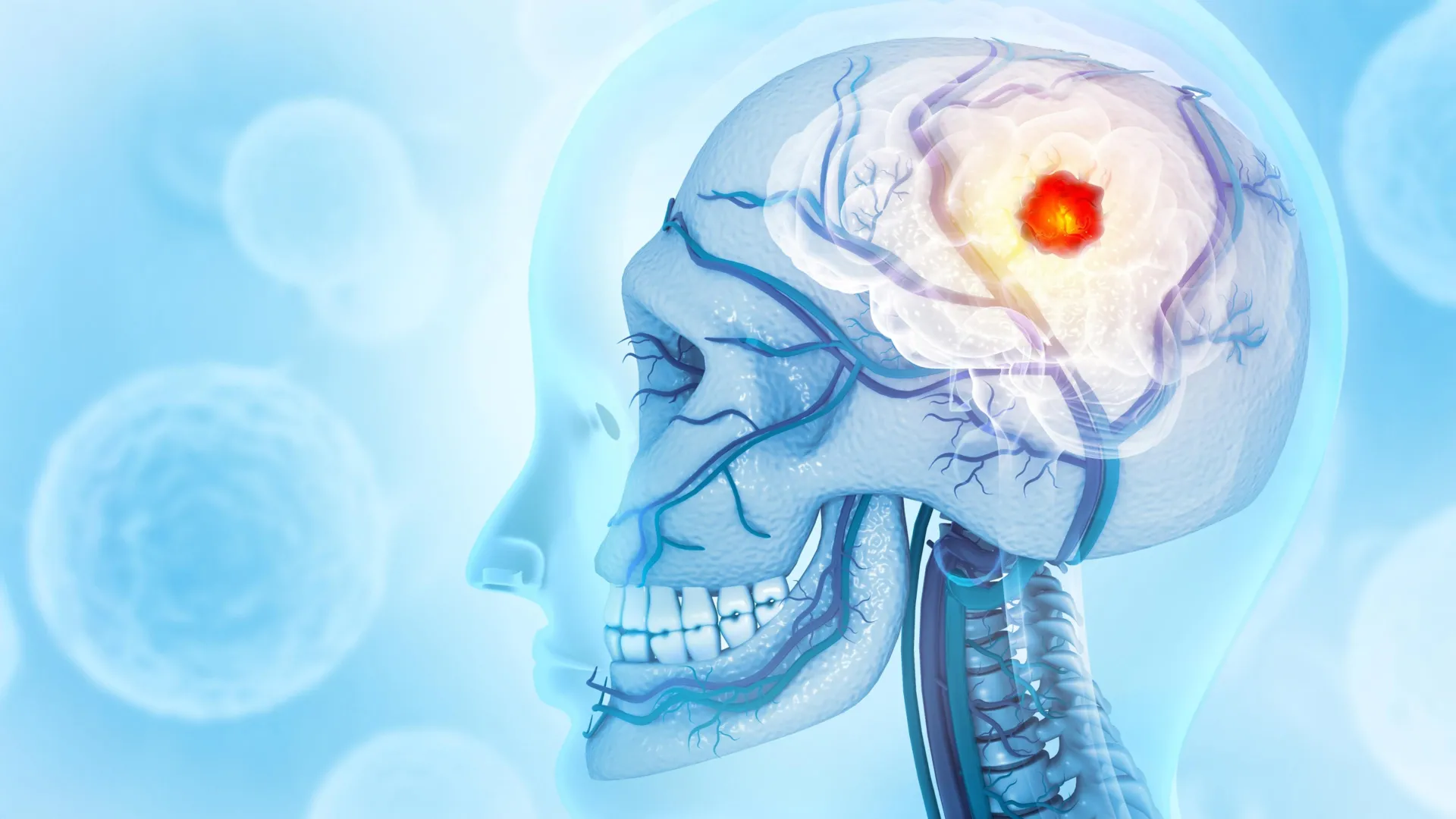
In a significant advancement for molecular oncology, investigators at the Johns Hopkins Kimmel Cancer Center and the Johns Hopkins Bloomberg School of Public Health have identified the specific mechanism by which rearranged genes facilitate the progression of translocation renal cell carcinoma (tRCC), a rare and often aggressive form of kidney cancer. The study, published in the journal Cell Reports on April 22, details how fusion genes—created when segments of two different chromosomes break and rejoin—produce proteins that aggregate into microscopic liquid droplets within the cell nucleus. These droplets, known as condensates, act as concentrated hubs that abnormally activate genes responsible for tumor growth and metastasis.
The research, supported by the National Institutes of Health (NIH), offers a potential roadmap for developing novel therapeutic interventions for a disease that currently lacks a standardized, effective treatment protocol. By disrupting the formation of these liquid droplets, scientists believe they can effectively "turn off" the genetic drivers of the cancer, offering hope for patients with tRCC and potentially other cancers driven by similar genetic fusions.
The Molecular Landscape of Translocation Renal Cell Carcinoma
Translocation renal cell carcinoma is a distinct subtype of kidney cancer characterized by chromosomal translocations involving the TFE3 (Transcription Factor E3) gene located on the X chromosome. While traditional renal cell carcinomas are more common in older adults, tRCC is frequently diagnosed in children and young adults, accounting for a significant percentage of pediatric kidney cancer cases.
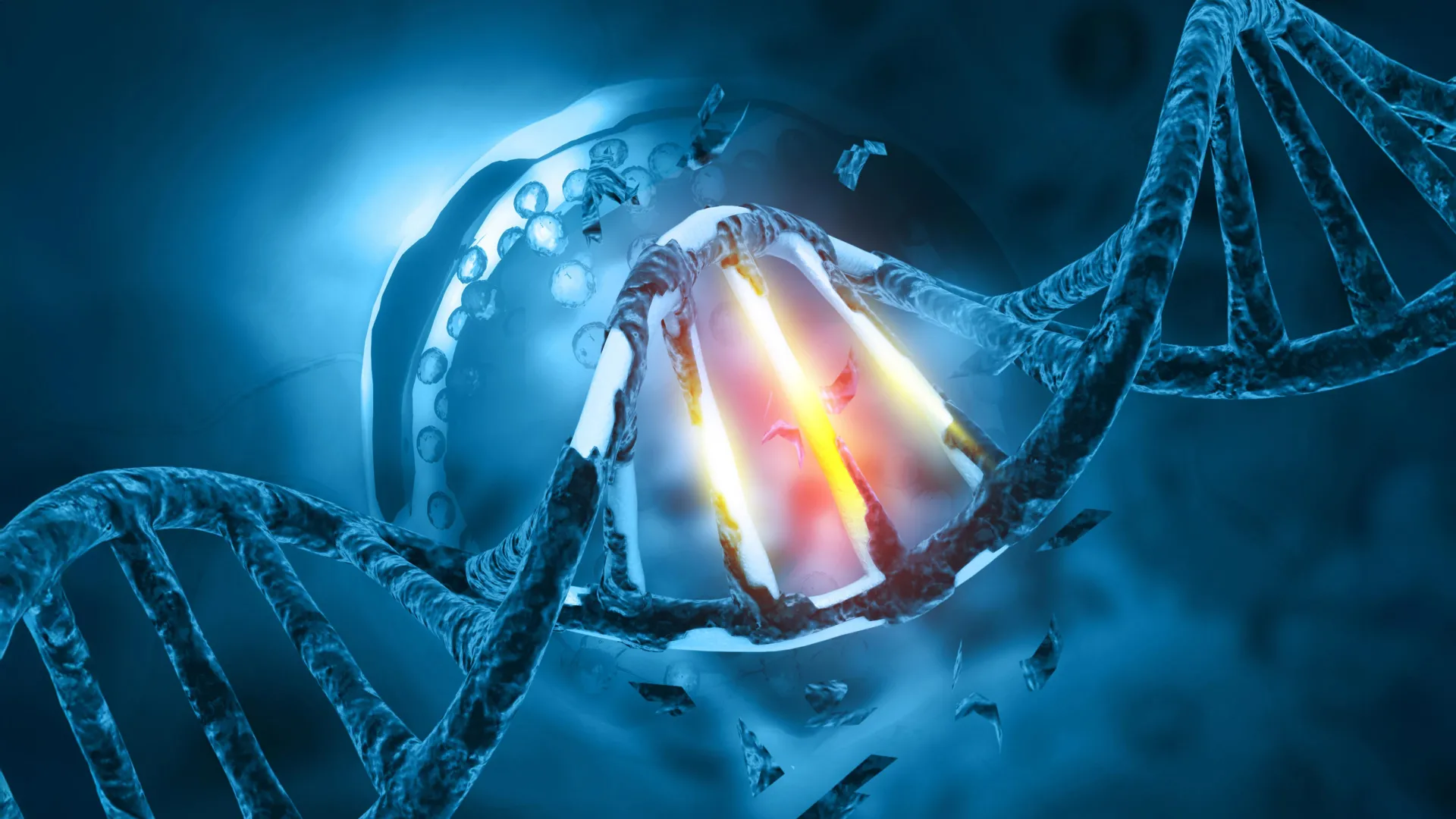
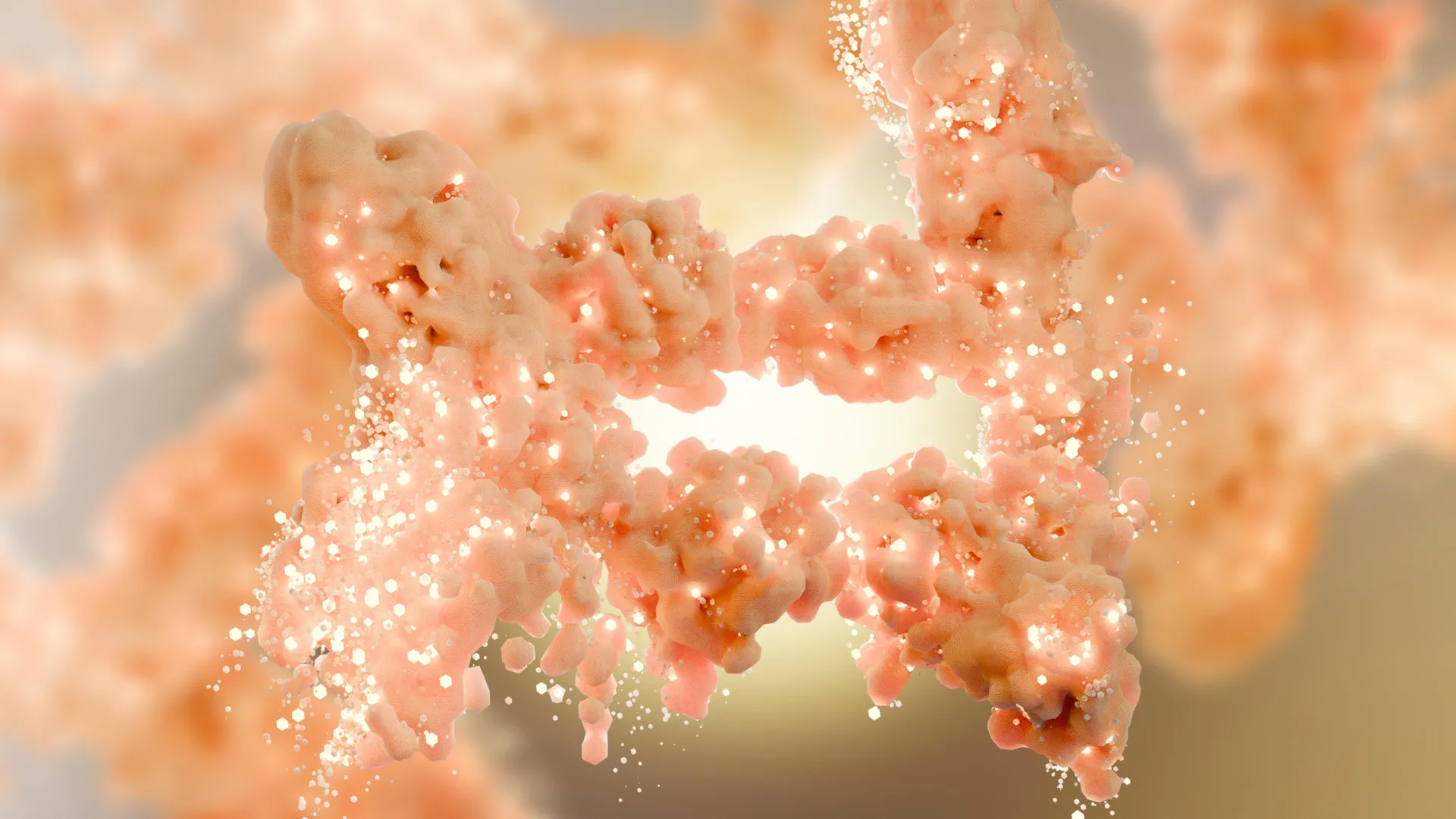
The disease occurs when the TFE3 gene breaks and fuses with one of several "partner" genes, such as PRCC, NONO, or SFPQ. This genetic shuffling creates a chimeric or "fusion" gene that produces a protein not found in healthy cells. While the existence of these fusion proteins has been known for years, the exact process by which they hijack the cell’s internal machinery to promote malignancy remained a mystery until now.
Dr. Danfeng "Dani" Cai, an assistant professor of biochemistry and molecular biology at the Johns Hopkins Bloomberg School of Public Health and the study’s senior author, noted that the research focused heavily on the two most prevalent fusion partners: NONO and SFPQ. Together, these two partners account for approximately 40% of all TFE3 fusions observed in clinical cases of tRCC.
Discovery of Liquid Condensates in the Nucleus
The breakthrough began when Dr. Cai’s team utilized advanced imaging techniques to observe the behavior of TFE3 fusion proteins within the cells of kidney cancer patients. By attaching fluorescent tags to the proteins, the researchers were able to visualize their location and movement under a microscope.
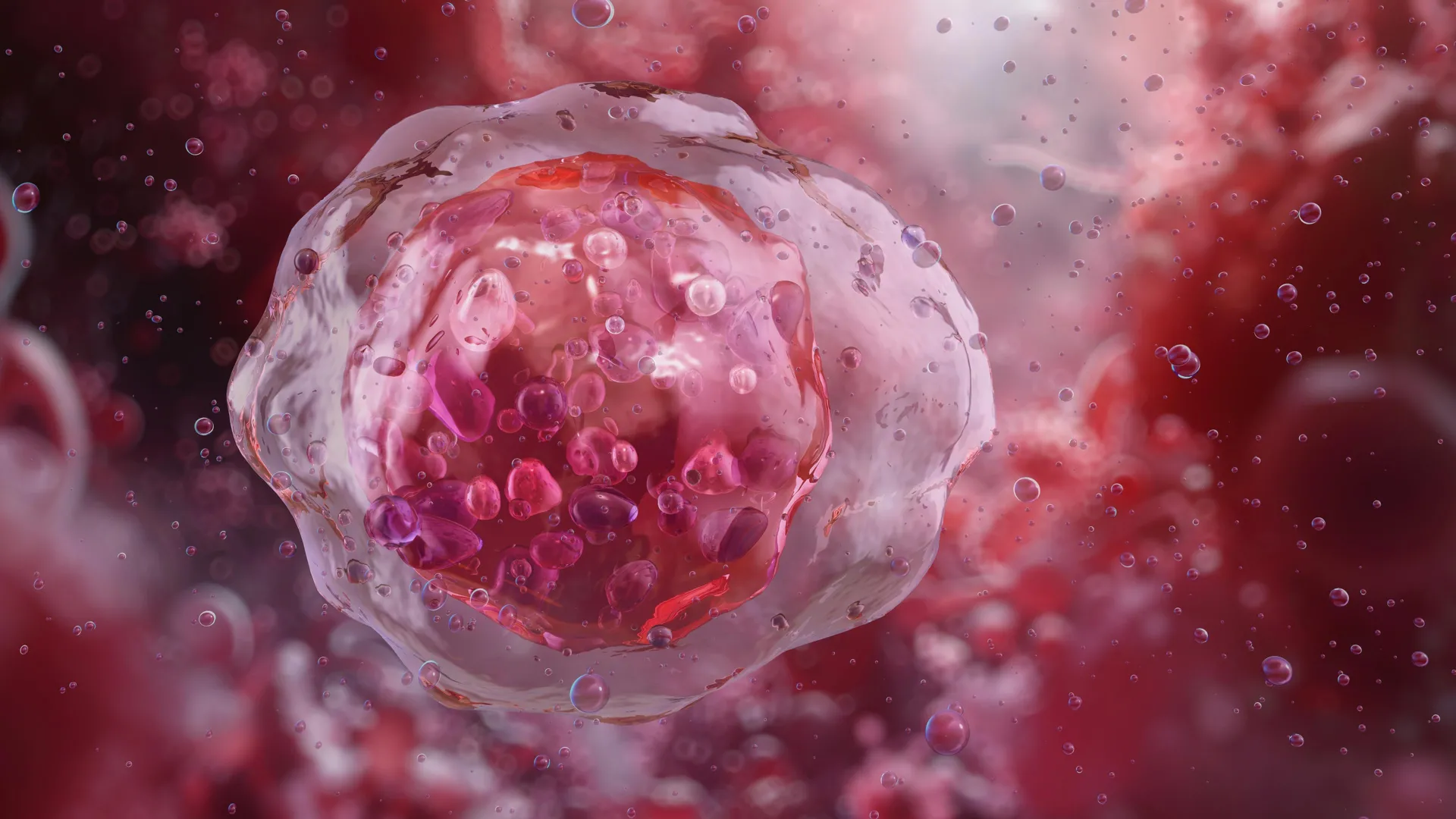
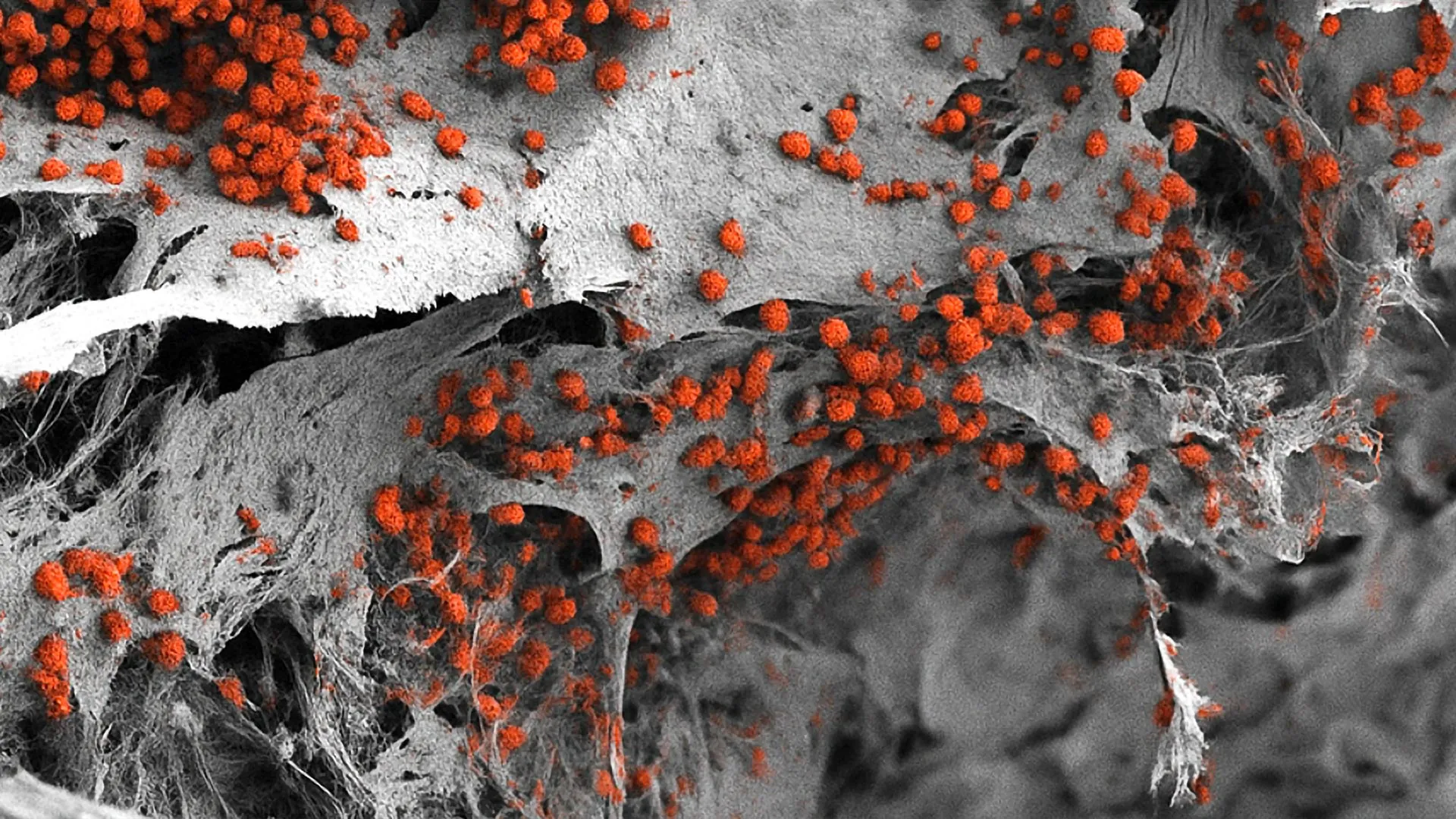
The team observed that the fusion proteins did not distribute evenly throughout the cell nucleus. Instead, they congregated into distinct, shimmering "dots" or droplets. These structures are known in cell biology as "liquid condensates." Much like droplets of oil in water, these condensates represent a phase-separated environment where specific molecules are concentrated to perform specialized tasks.
"These fusion proteins form liquid condensates—concentrated molecules interacting together in a small space to perform a specific cell process," explained Dr. Cai. Her laboratory specializes in the study of these cellular structures, which have recently emerged as a critical area of interest in understanding how cells organize complex biochemical reactions.
The researchers discovered that these droplets were not merely passive clusters of protein; they were active command centers. Within the droplets, the team identified marker proteins associated with active gene transcription, as well as other proteins responsible for "turning on" genes. This suggested that the TFE3 fusion proteins were using these droplets to recruit the machinery necessary to read DNA and produce the proteins required for cancer cells to multiply and migrate.
Chromatin Remodeling and the Genomic Landscape
To understand the broader impact of these droplets on the cancer cell’s genome, Dr. Cai collaborated with Dr. Eneda Toska, an assistant professor of oncology at the Johns Hopkins Kimmel Cancer Center. Dr. Toska’s expertise in epigenetics and gene regulation allowed the team to map exactly where the fusion proteins were binding to the DNA.
DNA in human cells is tightly packed into a structure called chromatin, which is often described as "beads on a string." For a gene to be activated, the chromatin must be "open" or accessible. If the chromatin is tightly wound, the gene is effectively silenced.
"We found that these fusion proteins open and close different sites on the chromatin by making chemical modifications," Dr. Toska stated. "They bind, regulate, and redesign the chromosome landscape, interacting with target genes that promote cell proliferation and movement—functions that cancer needs to grow and spread."
This "redesign" of the genomic landscape is a hallmark of aggressive cancers. By forcing the chromatin into an open state at specific oncogenic sites, the TFE3 fusion proteins ensure that the cell remains in a constant state of growth, ignoring the normal signals that tell a cell to stop dividing.
Identifying the Structural Key: The Coiled-Coil Domain
A critical phase of the study involved determining which part of the fusion protein was responsible for the formation of the liquid droplets. Through a series of genetic engineering experiments, the researchers systematically edited out different segments of the TFE3 fusion proteins to observe the effect on condensate formation.
They identified a specific structural motif known as a "coiled-coil" domain—a shape resembling a coil within a coil—located in the region where the TFE3 protein connects to its fusion partner (such as NONO or SFPQ). When the researchers removed this small segment, the fusion proteins lost their ability to aggregate into liquid droplets.
Crucially, the disruption of these droplets had a direct functional consequence: the proteins could no longer activate the genes responsible for cancer progression. This finding suggests that the physical state of the protein—its ability to form a liquid droplet—is just as important as its chemical composition in driving the disease.
"Individually, all the protein components found in the TFE3 fusions, including full-length TFE3, NONO, and SFPQ, are typically involved in the cell machinery that turns on genes to make proteins," Dr. Cai observed. "However, we found when in the form of these fusion proteins, they acquire an even stronger ability to control what genes get turned on."
Broader Implications for Oncology and Future Therapies
The implications of this study extend beyond the rare confines of translocation renal cell carcinoma. Many other forms of cancer, including Ewing sarcoma (a bone and soft tissue cancer) and various types of leukemia, are also driven by fusion genes.
"It’s possible that these fusion genes form similar droplets, or condensates, that regulate genes in these cancers and could react to similar treatment strategies," said Dr. Cai. If the "droplet-forming" mechanism is a universal feature of fusion-driven cancers, it could open the door to an entirely new class of drugs designed to dissolve these structures or prevent them from forming.
Currently, tRCC is notoriously difficult to treat because it does not respond well to the standard therapies used for more common types of kidney cancer, such as clear cell renal cell carcinoma. Immunotherapies and targeted therapies that inhibit blood vessel growth (anti-angiogenic drugs) often provide only limited benefits for tRCC patients.
The Johns Hopkins team is now looking toward the future, with plans to identify other molecular components that reside within these liquid condensates. By understanding the full "inventory" of proteins and RNA molecules inside the droplets, they hope to identify vulnerabilities that can be targeted with small-molecule drugs.
Supporting Data and Collaborative Efforts
The study was a multi-disciplinary effort involving a wide array of researchers from the Johns Hopkins University School of Medicine, the Bloomberg School of Public Health, and the National Cancer Institute (NCI). Co-authors included Choon Leng So, Ye Jin Lee, Wanlu Chen, and several others who contributed to the complex imaging and genomic sequencing required for the project.
The research was heavily supported by federal funding, reflecting its importance in the field of cancer biology. Grants were provided by the National Institute of General Medical Sciences (R35GM142837), the National Cancer Institute (K22CA245487, R01CA276187, and K01CA245124), and the National Human Genome Research Institute. Additional support came from the Department of Defense Kidney Cancer Idea Development Award and private philanthropic grants, including the Jayne Koskinas Ted Giovanis grant and the Johns Hopkins Provost Catalyst Award.
In accordance with institutional disclosure policies, it was noted that Dr. Eneda Toska has received research grants and consulting fees from AstraZeneca and Menarini, though the study itself was conducted with the primary goal of advancing fundamental scientific understanding of cancer mechanisms.
As the scientific community continues to explore the role of phase separation and condensates in disease, this study stands as a pivotal moment in the transition from observing cellular structures to understanding their functional role in human pathology. For patients with rare kidney cancers, the move toward "condensate-disrupting" therapies represents a promising new frontier in precision medicine.