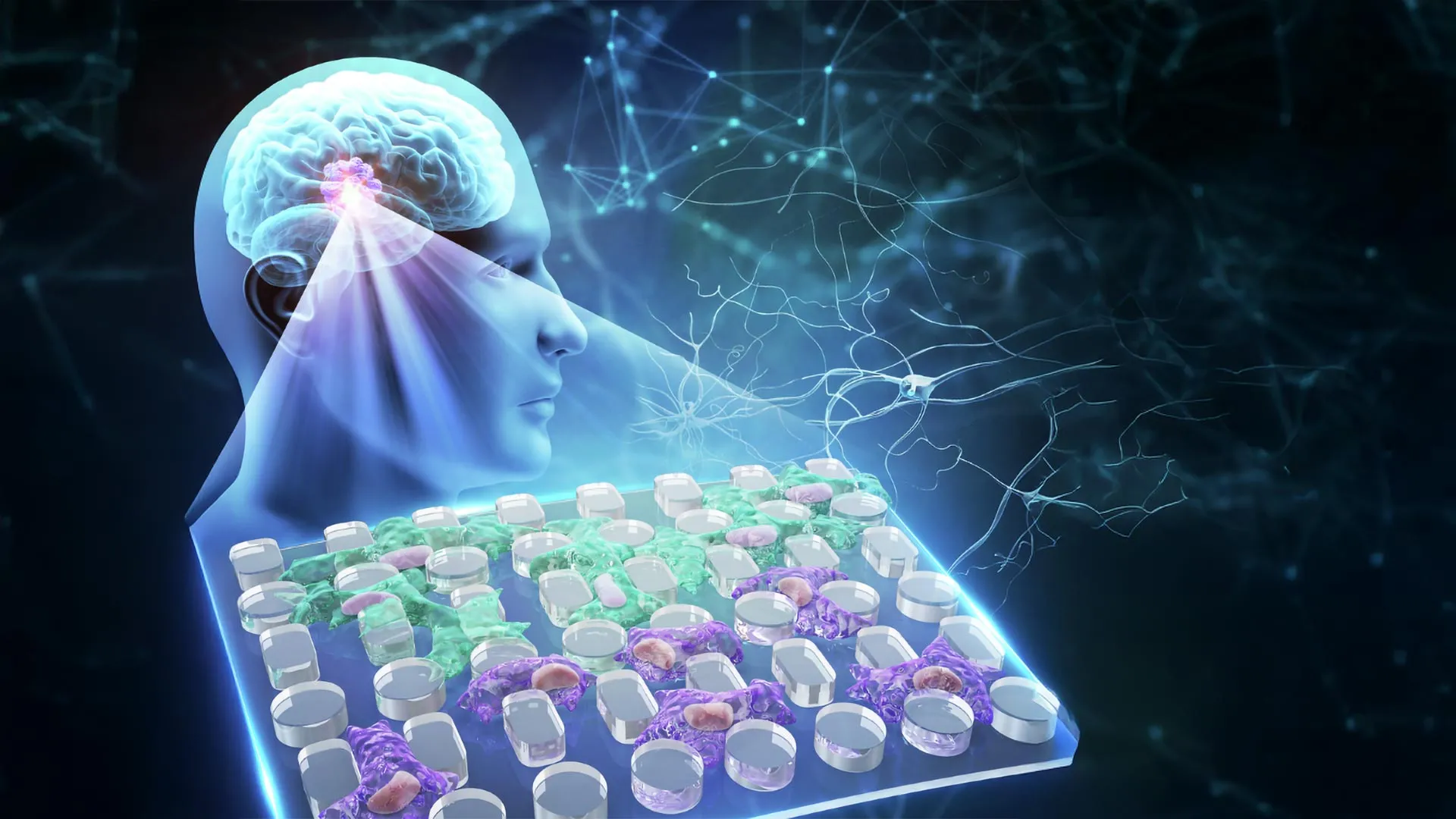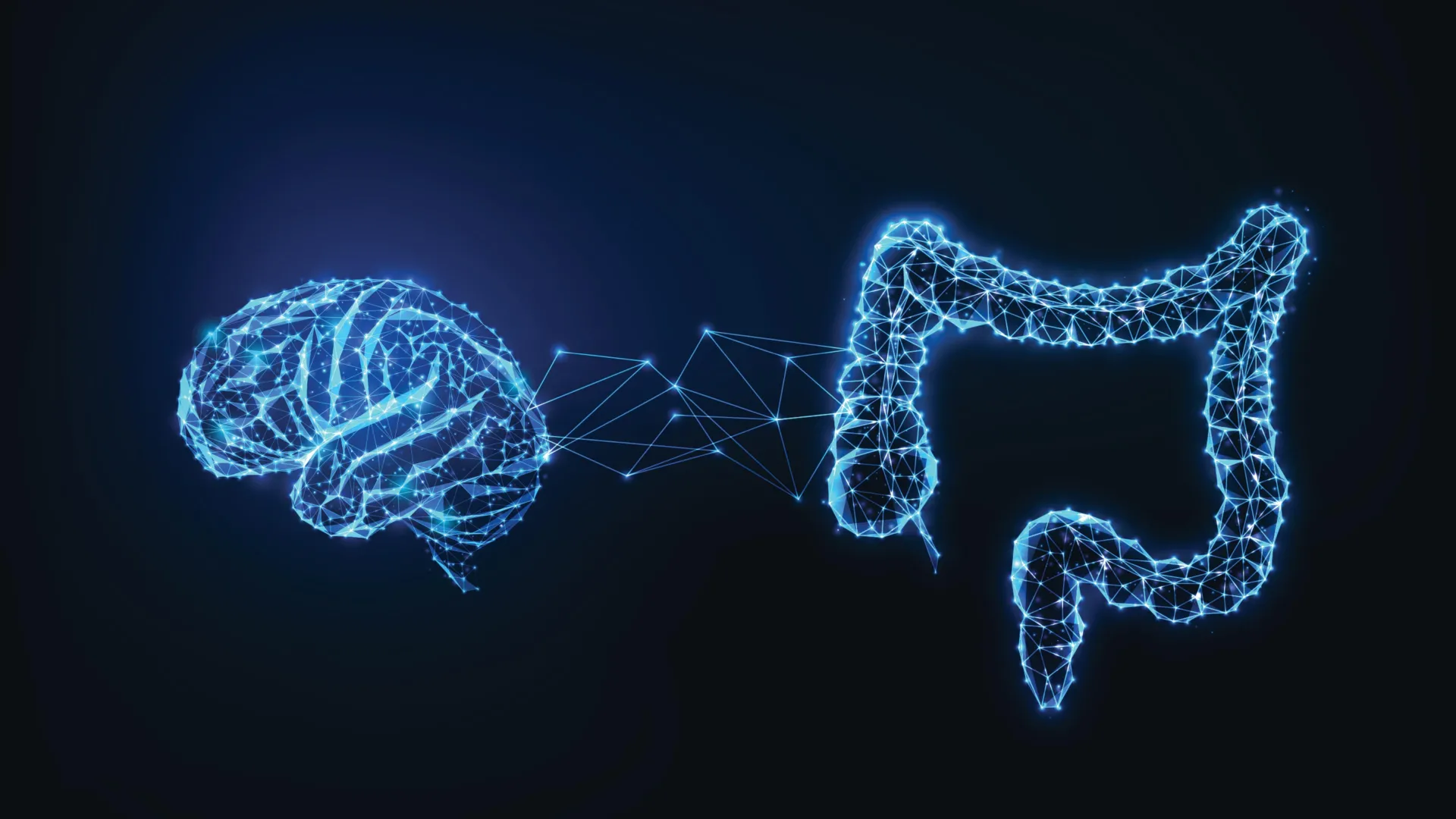
Researchers at Case Western Reserve University have unveiled a landmark discovery that identifies a specific molecular link between the human digestive system and the onset of neurodegenerative diseases. The study, published in the journal Cell Reports, suggests that certain bacteria in the gut produce inflammatory sugars that can migrate through the body and trigger the destruction of brain cells. This finding provides a critical missing link in the understanding of Amyotrophic Lateral Sclerosis (ALS) and Frontotemporal Dementia (FTD), two of the most aggressive and currently incurable neurological disorders. By isolating the role of microbial glycogen—a complex carbohydrate produced by gut bacteria—the research team has opened a new frontier for therapeutic intervention that focuses on the gut-brain axis rather than the brain alone.
The Intersection of ALS and Frontotemporal Dementia
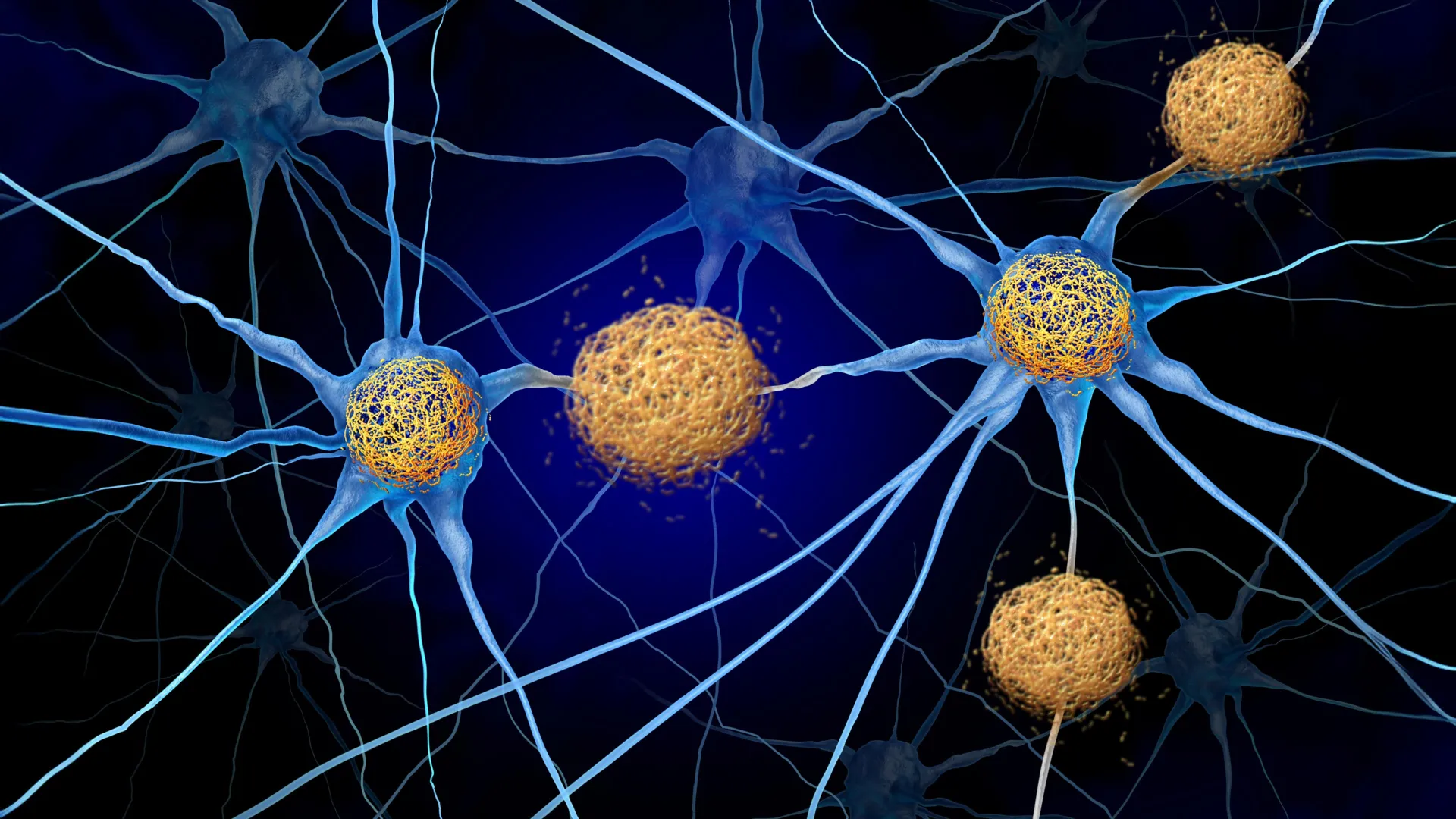
To understand the weight of this discovery, it is essential to recognize the clinical relationship between ALS and FTD. While they manifest differently, scientists have long categorized them as part of a shared disease spectrum. ALS, often referred to as Lou Gehrig’s disease, is a progressive neurodegenerative condition that attacks motor neurons in the brain and spinal cord. As these neurons die, the brain loses its ability to initiate and control muscle movement, eventually leading to total paralysis and respiratory failure.
FTD, conversely, targets the frontal and temporal lobes of the brain. These areas are responsible for executive function, personality, social behavior, and language. Patients with FTD often experience dramatic shifts in personality, loss of empathy, and a decline in linguistic abilities. Despite their different symptoms, ALS and FTD share common genetic underpinnings and pathological hallmarks, such as the accumulation of toxic protein aggregates in the brain. The Case Western study addresses the fundamental question of why these diseases progress at different rates and why certain individuals are more susceptible than others, even when they share the same genetic risks.
Unveiling the Mechanism: Microbial Glycogen and Neuroinflammation
The core of the research, led by Aaron Burberry, an assistant professor in the Department of Pathology at the Case Western Reserve School of Medicine, centers on the identification of a specific environmental trigger: bacterial glycogen. While glycogen is a common form of energy storage in many organisms, the researchers found that certain strains of gut bacteria produce "inflammatory" versions of this sugar.
In a healthy individual, the gut microbiome maintains a delicate balance, and the immune system effectively manages microbial byproducts. However, the study found that in patients predisposed to ALS and FTD, these bacterial sugars act as a catalyst for a systemic immune response. This response does not remain confined to the digestive tract; instead, it triggers a cascade of inflammation that eventually reaches the central nervous system. Once in the brain, this inflammatory signaling activates microglia—the brain’s resident immune cells—which, in a misguided attempt to protect the organ, begin to destroy healthy neurons.
"We found that harmful gut bacteria produce inflammatory forms of glycogen, and that these bacterial sugars trigger immune responses that damage the brain," Burberry explained. The team’s data showed a startling correlation: among the 23 ALS/FTD patients involved in the study, 70% exhibited significantly elevated levels of this harmful microbial glycogen. In a control group of individuals without these neurodegenerative conditions, only 33% showed similar levels, suggesting that the presence of these sugars is a high-probability marker for disease progression.
The Genetic Catalyst: The C9ORF72 Mutation
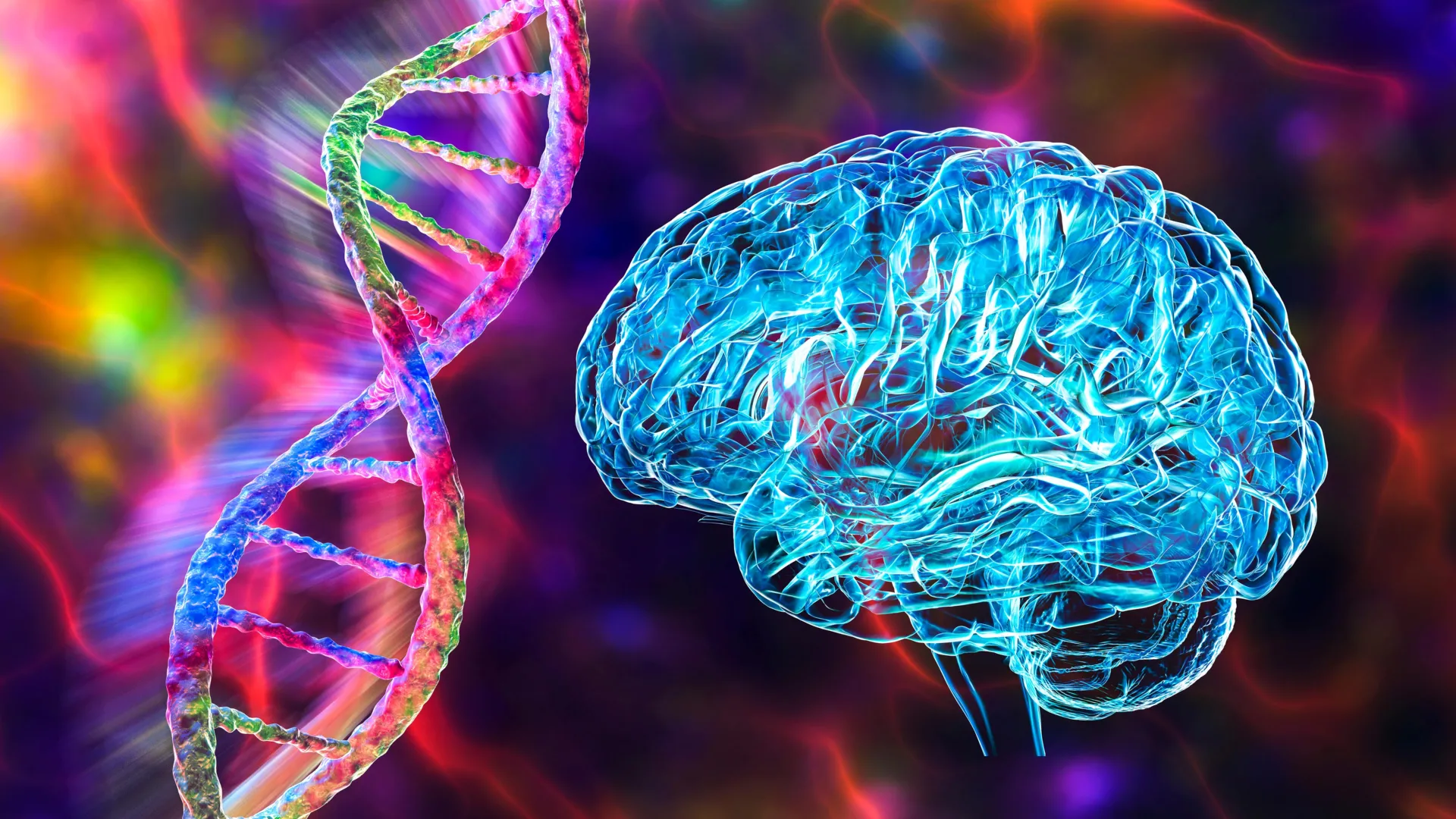
One of the most significant aspects of the study is its explanation of the "two-hit" hypothesis in neurodegeneration. For years, the C9ORF72 gene mutation has been known as the most common genetic cause of both ALS and FTD. However, a persistent mystery in neurology has been the "incomplete penetrance" of this mutation—the fact that some people carry the gene for their entire lives without ever developing symptoms, while others succumb to the disease in their 40s or 50s.
The Case Western research suggests that the gut microbiome provides the "second hit." In individuals with the C9ORF72 mutation, the immune system is already genetically "primed" to overreact. When these individuals also host specific gut bacteria that produce inflammatory glycogen, the combined effect of the genetic vulnerability and the environmental trigger leads to the rapid onset of brain damage. This discovery shifts the perspective of ALS and FTD from being purely "brain diseases" to being "systemic diseases" where the environment of the gut dictates the health of the mind.
Innovative Methodology: The "Cage-in-Cage" Sterile System
The breakthrough was made possible by the unique research infrastructure at Case Western Reserve University’s Digestive Health Research Institute. Led by Fabio Cominelli, a Distinguished University Professor, the institute utilizes some of the most advanced "germ-free" laboratory environments in the world.
To isolate the effects of gut bacteria, the team used germ-free mouse models—animals raised in completely sterile conditions with no bacteria in their systems. By introducing specific bacterial strains into these sterile models, the researchers could observe exactly how different microbes affected brain health without the interference of other environmental factors.
This work relied heavily on a "cage-in-cage" sterile housing system developed by Alex Rodriguez-Palacios, an assistant professor in the Digestive Health Research Institute. Traditional germ-free research is often limited by the small number of animals that can be maintained in a sterile state simultaneously. The "cage-in-cage" system allowed for large-scale, high-precision studies of the microbiome, enabling the team to analyze how complex communities of bacteria interact with the host’s immune system over time. This technological advantage was instrumental in identifying the specific glycogen molecules responsible for the inflammatory surge.
A Timeline of Discovery and Future Clinical Application
The research journey began with the observation that ALS and FTD patients often suffered from gastrointestinal distress or metabolic irregularities long before their neurological symptoms became severe. This led the team to investigate the gut-brain axis, a field of study that has gained significant momentum over the last decade.
Chronology of the Research Development:
- Initial Phase: Researchers identified that patients with the C9ORF72 mutation had altered immune profiles in their blood, suggesting a systemic source of inflammation.
- Experimental Phase: Using germ-free models, the team discovered that mice with the C9ORF72 mutation did not develop neuroinflammation in a sterile environment, proving that environmental factors (bacteria) were necessary for the disease to manifest.
- Identification Phase: The team isolated the specific bacterial byproduct—glycogen—that caused the immune flare-up.
- Validation Phase: The team tested human samples, confirming that 70% of ALS/FTD patients carried high levels of the harmful sugar.
The implications for the future are immediate. Because the trigger is located in the gut rather than deep within the brain, it is much more accessible for treatment. Rodriguez-Palacios noted that in their experiments, the team was able to successfully reduce these harmful sugars, which led to improved brain health and extended the lifespan of the animal models.
Impact and Analysis: A Paradigm Shift in Neurology
The discovery of the microbial glycogen pathway represents a paradigm shift in how the medical community views neurodegeneration. Historically, drug development for ALS and FTD has focused on clearing protein aggregates from the brain or protecting neurons from dying. However, these efforts have met with limited success, largely because they address the end-stage damage rather than the initial cause.
By targeting the gut microbiome, doctors may soon be able to intervene years before the first motor or cognitive symptoms appear. This research supports the development of "biomarker-driven" medicine. In the near future, a simple stool or blood test could detect elevated levels of inflammatory microbial glycogen in at-risk individuals. If detected, these patients could be treated with specialized diets, probiotics, or enzymes designed to break down the harmful sugars in the digestive tract before they can trigger systemic inflammation.
Furthermore, this study adds to a growing body of evidence linking the gut to other neurological conditions, including Parkinson’s and Alzheimer’s disease. It reinforces the idea that the "blood-brain barrier" is not an impenetrable wall, but rather a dynamic interface that can be compromised by systemic factors originating in the gut.
Next Steps: Moving Toward Clinical Trials
The research team is already preparing for the next phase of their work. According to Aaron Burberry, the team plans to conduct larger, longitudinal studies surveying the gut microbiome of ALS and FTD patients both before and after the onset of clinical symptoms. This will help determine exactly when the harmful glycogen begins to accumulate and whether its levels correlate with the speed of disease progression.
Perhaps most encouragingly for patients and families, clinical trials could be on the horizon. Burberry indicated that trials to determine whether glycogen degradation therapies can slow the progression of ALS and FTD in humans could begin as early as next year. These trials would likely focus on oral medications or enzymatic treatments designed to neutralize the inflammatory sugars in the gut.
As the scientific community continues to digest these findings, the work at Case Western Reserve University stands as a testament to the power of interdisciplinary research. By combining the expertise of pathologists, neurologists, and gastroenterologists, the team has illuminated a path toward a future where "devastating" brain disorders are no longer a foregone conclusion for those with genetic risks, but a manageable condition that can be stopped at the source.