Every second, the human bone marrow performs a biological feat of staggering proportions, generating millions of fresh blood and immune cells to sustain the body’s oxygen transport and defense systems. This relentless renewal process is governed by a delicate equilibrium between hematopoietic stem cells (HSCs), specialized supportive stromal cells, and a complex web of molecular signaling. However, as the human body ages, this equilibrium begins to falter under the weight of chronic inflammation, environmental stressors, and the accumulation of somatic mutations. A groundbreaking international study has now mapped this decline with unprecedented precision, revealing that the bone marrow microenvironment—often referred to as the "niche"—undergoes a radical inflammatory transformation long before the clinical onset of blood cancers or bone marrow failure.
The research, co-led by Judith Zaugg of the European Molecular Biology Laboratory (EMBL) and the University of Basel, alongside Borhane Guezguez of the University Medical Center (UMC) Mainz, identifies a critical cellular shift that allows mutated stem cells to gain dominance. By utilizing a combination of single-cell RNA sequencing, spatial imaging, and advanced computational modeling, the team has provided a new blueprint for understanding Clonal Hematopoiesis of Indeterminate Potential (CHIP) and Myelodysplastic Syndrome (MDS). Their findings, published in Nature Communications, suggest that the future of hematology may lie not just in targeting mutated cells, but in rehabilitating the toxic environments that sustain them.
The Rising Threat of Clonal Hematopoiesis and MDS
To appreciate the significance of the study, one must understand the silent progression of CHIP. In the general population, CHIP is characterized by the presence of mutated HSCs in individuals who otherwise show no signs of blood disease. While these individuals appear healthy, the presence of these clones is a harbinger of future instability. Statistics indicate that CHIP is present in approximately 10% to 20% of adults over the age of 60, a figure that climbs to nearly 30% for those over 80.
Though asymptomatic, the clinical implications of CHIP are severe. The condition increases the risk of developing hematologic malignancies tenfold. More surprisingly, recent medical data has linked CHIP to a doubled risk of cardiovascular disease and a significantly higher rate of early mortality from non-cancerous causes. When CHIP progresses into Myelodysplastic Syndrome (MDS), the situation becomes critical. MDS represents a group of disorders where the bone marrow fails to produce enough healthy blood cells, affecting up to 20 in every 100,000 adults over the age of 70. Approximately 30% of MDS patients eventually transition to Acute Myeloid Leukemia (AML), an aggressive cancer with high mortality rates.
Despite the known risks, a fundamental question has plagued oncologists: Why do mutated cells suddenly outcompete healthy ones? The research team’s investigation into the bone marrow microenvironment provides a compelling answer, shifting the focus from the "seed" (the mutated cell) to the "soil" (the bone marrow niche).
Chronology of a Molecular Mapping Project
The investigation was built upon the BoHemE cohort study, a collaborative effort involving Uwe Platzbecker at the National Center for Tumor Diseases (NCT) Dresden. The research team sought to compare the bone marrow of healthy young donors, elderly donors with and without CHIP, and patients diagnosed with MDS. This cross-sectional approach allowed the researchers to observe the progression of cellular changes across the spectrum of aging and disease.
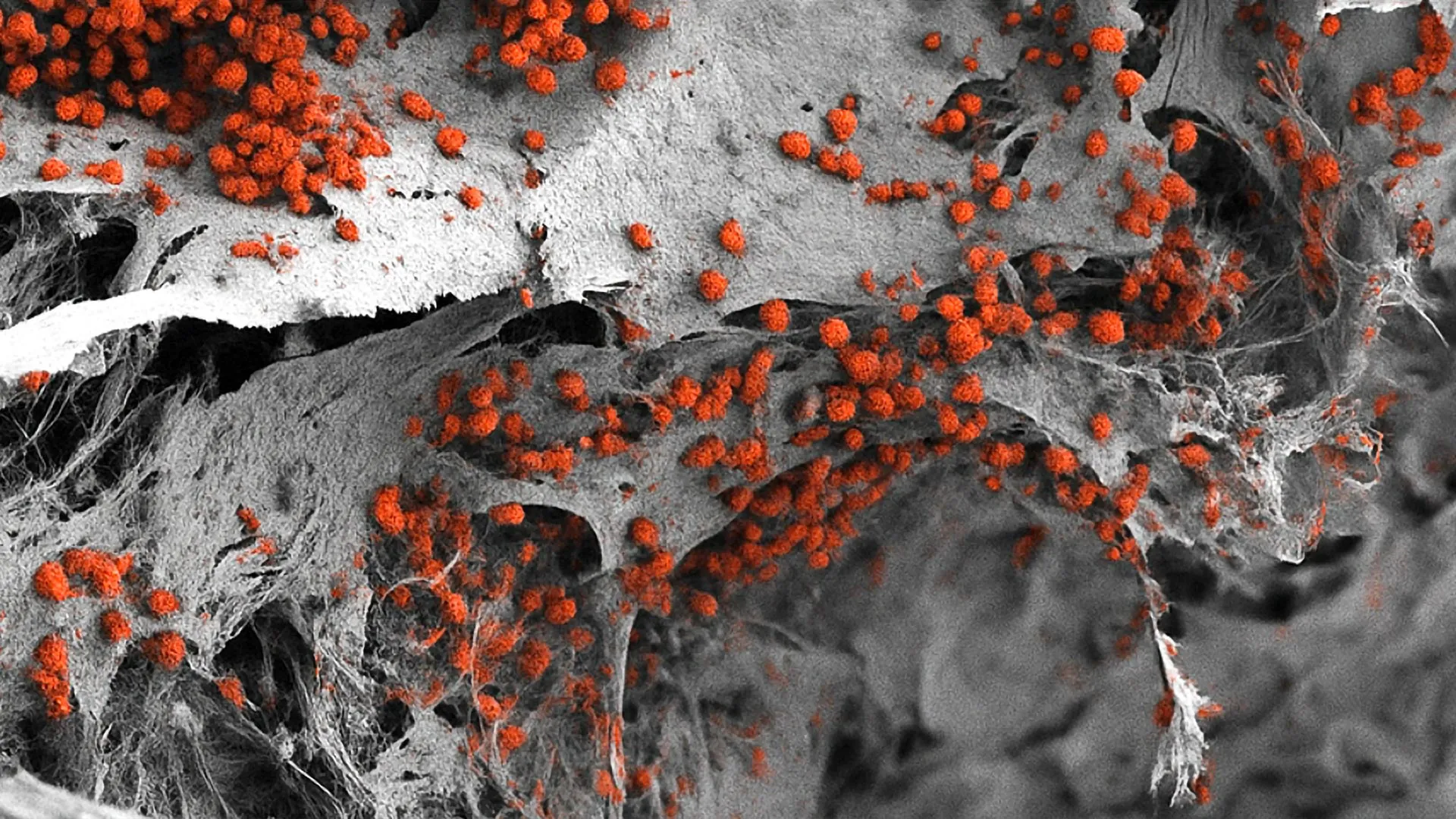
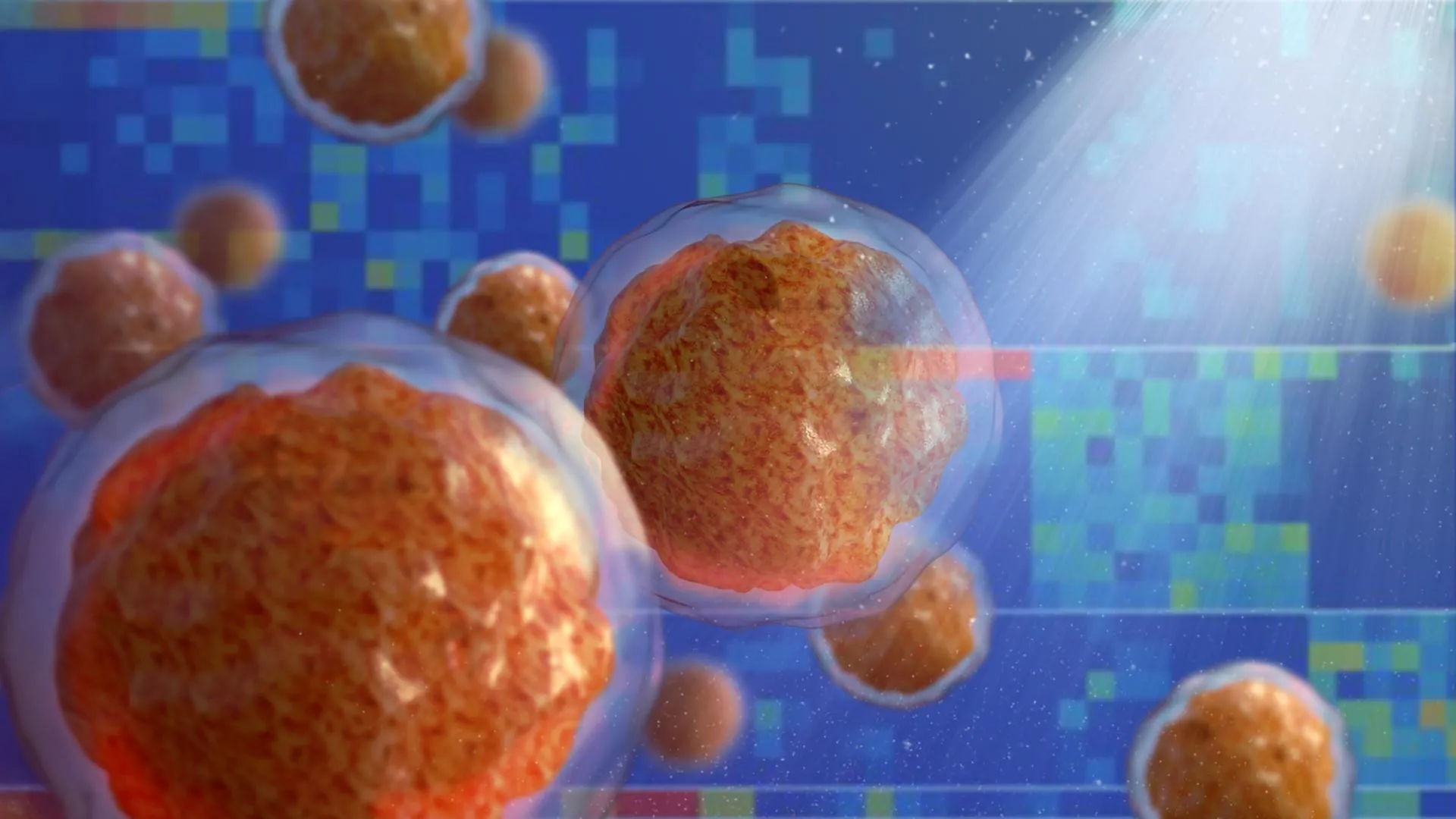
The methodology was multi-layered. The team employed single-cell RNA sequencing to profile the gene expression of thousands of individual cells. They paired this with biopsy imaging and proteomics to visualize the physical structure of the marrow. A pivotal moment in the research came from the application of "SpliceUp," a computational tool developed by co-lead author Maksim Kholmatov. SpliceUp allowed the team to differentiate between mutated and non-mutated cells within the same sample by detecting abnormal RNA-splicing patterns—a common signature of MDS.
By isolating these variables, the researchers were able to construct a timeline of decay. They discovered that the remodeling of the bone marrow does not begin when a patient feels ill; it begins years earlier, at the earliest stages of CHIP.
The Discovery of Inflammatory Stromal Cells (iMSCs)
The central finding of the study is the identification of a specific cellular transition: the replacement of healthy mesenchymal stromal cells (MSCs) with inflammatory stromal cells (iMSCs). Under normal conditions, MSCs act as the "architects" of the bone marrow, providing the physical structure and chemical signals necessary for stem cells to thrive and differentiate.
As inflammation takes hold, these MSCs transform. The researchers found that iMSCs produce an abundance of interferon-induced cytokines and chemokines. These molecules act as chemical beacons, attracting and activating interferon-responsive T cells. This creates what the scientists describe as a "feed-forward loop." The T cells, once activated, release further inflammatory signals that push more MSCs into an inflammatory state.
"I was surprised to observe such pronounced remodeling of the bone marrow microenvironment already in individuals with CHIP," noted Judith Zaugg. This observation is critical because it suggests that the "niche" becomes hospitable to mutated cells and hostile to healthy ones long before traditional diagnostic markers would flag a problem. This chronic inflammatory state also leads to vascular changes within the marrow, further disrupting the delivery of nutrients and the exit of mature blood cells into the bloodstream.
Dissecting the Driver: The Role of the Environment vs. The Mutation
One of the most unexpected revelations of the study was the lack of a direct "smoking gun" connecting mutated hematopoietic cells to the inflammatory response. Conventional wisdom suggested that the mutated stem cells themselves might be secreting the signals that trigger marrow inflammation. However, the use of the SpliceUp algorithm proved otherwise.
The data showed that the inflammatory network within the microenvironment becomes a dominant, self-sustaining system that exists independently of the specific mutations found in MDS cells. While the mutated cells certainly benefit from this environment, they do not appear to be the primary architects of the initial inflammatory surge. Instead, the entire ecosystem of the bone marrow shifts toward a state of "inflammaging"—a term used to describe the systemic, low-grade inflammation associated with advanced age.
Furthermore, the team identified a critical failure in communication. MDS stem cells were found to be incapable of triggering stromal cells to produce CXCL12. CXCL12 is a vital protein that acts as a "homing signal," telling blood cells where to settle and mature within the marrow. "This failure may help explain why the bone marrow stops working properly," said Karin Prummel, EMBL postdoc and co-lead author. Without CXCL12, the structural integrity of blood production collapses, leading to the "inefficient" hematopoiesis characteristic of MDS.
Official Responses and Scientific Analysis
The implications of this research have resonated across the international hematology community. Borhane Guezguez, co-senior author from UMC Mainz, emphasized that these findings redefine our understanding of malignant evolution. "Our findings reveal that the bone marrow microenvironment actively shapes the earliest stages of disease," Guezguez stated. He argued that as molecular profiling becomes more common, doctors will be able to detect pre-leukemic states years in advance. The goal, he suggests, is to develop "preventive therapies that intercept disease progression before leukemia develops."
The study also raises significant questions about current treatment protocols. Judith Zaugg pointed out that even successful treatments, such as bone marrow transplants, might be undermined by a "diseased" niche. If the bone marrow environment retains a "memory" of its inflammatory state, it may fail to support new, healthy stem cells introduced during a transplant. This "niche memory" is currently a primary focus for follow-up research.
The work was published alongside a complementary study led by Marc Raaijmakers of the Erasmus MC Cancer Institute. Together, these two papers provide a comprehensive look at the "inflammaging" of the bone marrow, confirming that the microenvironment is a central player in the development of myeloid malignancies.
Broader Implications: Inflammaging and Future Therapeutics
The reach of this study extends far beyond blood cancers. The bone marrow is a central hub for the body’s immune system, and its health dictates the inflammatory profile of the entire organism. By demonstrating how the marrow drives "inflammaging," the researchers have provided a model for understanding other age-related conditions. Chronic inflammation is a known driver of metabolic disease, neurodegeneration, and various solid tumors.
From a therapeutic standpoint, this research opens several new doors:
- Anti-Inflammatory Intervention: Drugs that target interferon signaling or specific cytokines produced by iMSCs could potentially "reset" the bone marrow niche in patients with CHIP, preventing the transition to MDS.
- Early Biomarkers: The specific molecular signatures of iMSCs and interferon-responsive T cells could be used to identify high-risk individuals who require closer monitoring or early intervention.
- Combination Therapies: Future cancer treatments may involve a "two-pronged" approach: one drug to kill the mutated cancer cells and another to "heal" the bone marrow environment, ensuring that healthy cells can once again take root.
As the global population ages, the prevalence of CHIP and MDS is expected to rise. The shift from a cell-centric view of disease to an ecosystem-centric view represents a paradigm shift in oncology. By focusing on the supportive structures of the bone marrow, science may finally find a way to stall the clock on blood-related aging and prevent the onset of some of the most challenging cancers known to medicine.