Researchers at the University of Illinois Urbana-Champaign have pioneered a novel methodology for selecting and preserving viable sperm during the in vitro fertilization (IVF) process, potentially addressing one of the most persistent hurdles in reproductive medicine and animal husbandry. By utilizing specific complex sugars known as glycans to mimic the natural environment of the female reproductive tract, the team has demonstrated a significant increase in the longevity and efficacy of sperm cells within a laboratory setting. This breakthrough, documented in a new study published in the journal Scientific Reports, offers a promising pathway toward reducing the inherent variability and failure rates associated with current IVF procedures.
The success of assisted reproductive technologies (ART) is fundamentally tied to the quality and timing of gamete interaction. In natural conception, the fallopian tube—or oviduct in non-human mammals—serves not merely as a conduit for the egg and sperm but as a sophisticated biological reservoir. This environment is capable of binding, storing, and sustaining sperm cells for several days, ensuring they remain viable until the moment of ovulation. Replicating this protective mechanism in a laboratory dish has remained an elusive goal for scientists until now.
The Biological Foundation: Mimicking the Oviductal Reservoir
The genesis of this research dates back to 2020, when a team led by David Miller, a professor in the Department of Animal Sciences at the University of Illinois, discovered that glycans—complex carbohydrate structures—are the primary components responsible for sperm storage in the oviduct. These sugars act as biological anchors, binding to the sperm and maintaining their metabolic health until fertilization is triggered.
"The fallopian tube in women, or the oviduct, has an ability to lengthen sperm lifespan that, until now, we couldn’t recreate in IVF," explained Miller, who is also affiliated with the Carl R. Woese Institute for Genomic Biology. "In 2020, we discovered that complex sugars called glycans are the components of the oviduct that can bind and store sperm and keep them alive."
Building upon this discovery, Miller’s group collaborated with specialized chemists to identify the specific glycan structures most effective at facilitating this bond. After screening hundreds of potential candidates for their ability to bind porcine (pig) sperm, the researchers identified a specific trisaccharide known as sulfated Lewis X, or suLeX. This compound became the focal point for a series of experiments designed to test whether biochemical mimicry could solve the issues of sperm degradation and mistimed fertilization.
Experimental Design and Methodology
The researchers utilized pig sperm as their primary model, a choice driven by both physiological similarities to human reproduction and the high stakes of the agricultural industry. In porcine IVF, a common complication is polyspermy—a condition where multiple sperm fertilize a single egg, resulting in an inviable embryo with an abnormal number of chromosomes. This phenomenon is frequently caused by an overabundance of free-swimming sperm reaching the egg simultaneously.
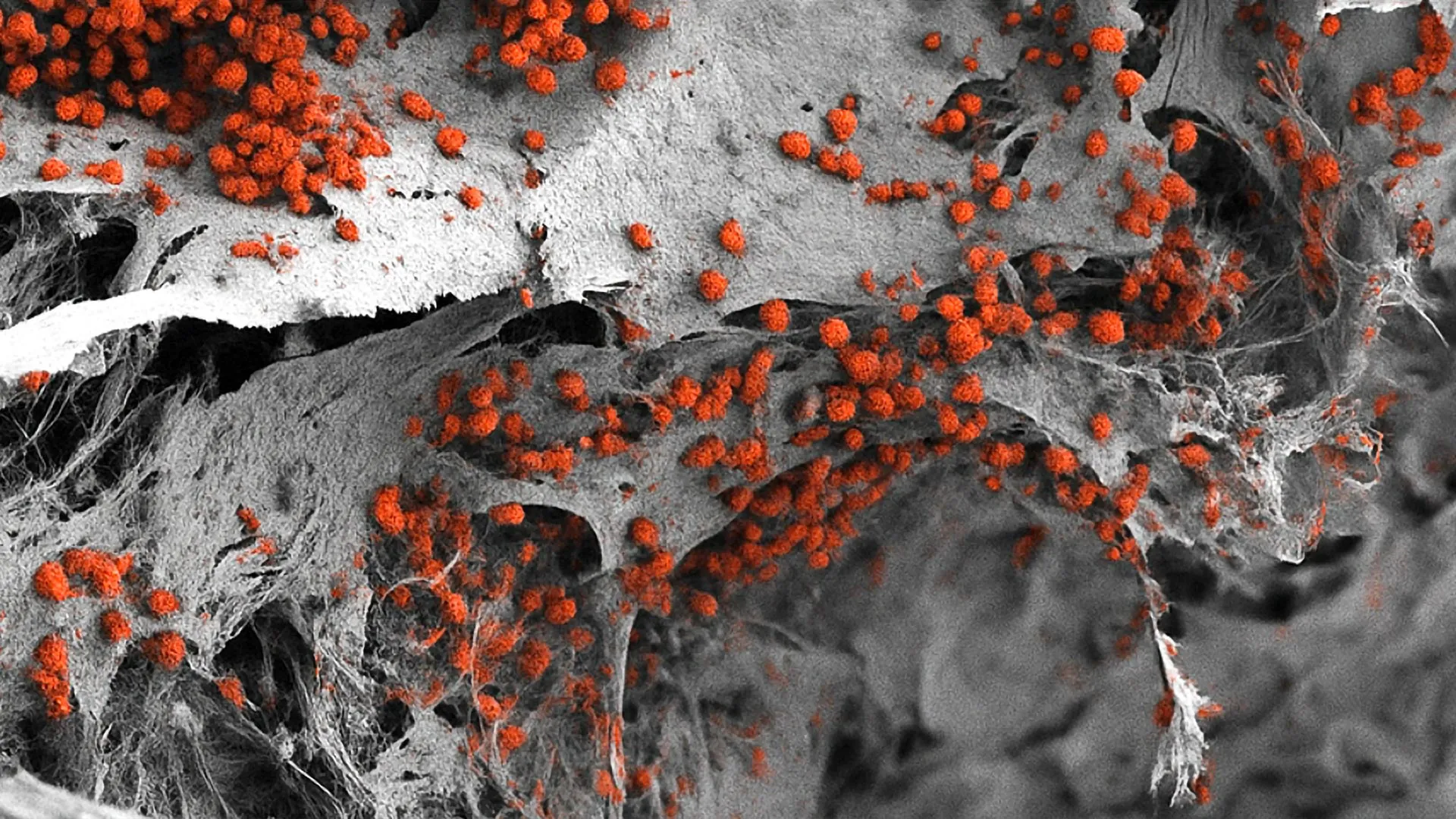
To test the efficacy of the suLeX compound, the research team attached the glycans to the bottom of glass culture dishes, creating a "sticky" surface designed to capture sperm cells. Sperm were introduced to these dishes and allowed 30 minutes to adhere to the suLeX molecules. Once the sperm were bound, the researchers introduced eggs at various time intervals—0, 6, 12, and 24 hours later—to measure how long the bound sperm remained capable of successful fertilization.
This temporal approach allowed the team to assess not only the immediate fertilization rates but also the longitudinal viability of the sperm. By delaying the introduction of eggs, the scientists could observe whether the suLeX environment provided a protective effect comparable to the natural oviduct.
Quantifying Success: Statistical Breakthroughs in Longevity
The results of the study revealed a stark contrast between the glycan-treated groups and the control groups. At the initial 0-hour mark, the IVF efficiency—defined as the ratio of successfully fertilized zygotes to the total number of eggs—was 53% for the sperm attached to suLeX. In comparison, the control group, which utilized standard culture dishes with no oviductal compounds, yielded a fertilization rate of only 36%. Two other alternative "control" compounds tested by the team resulted in fertilization rates of approximately 40% each.
The most significant findings, however, emerged during the delayed fertilization trials. As time progressed, the fertilization rates for all groups naturally declined, but the rate of decay was significantly slower in the suLeX-treated dishes.
By the 24-hour mark, the fertilization rate in the control group had plummeted to a negligible 1%, indicating that the sperm had lost nearly all functional viability. Conversely, the sperm bound to the suLeX glycans maintained a fertilization rate of 12% after 24 hours. While 12% may appear modest in isolation, in the context of reproductive biology, a twelvefold increase in viability over a 24-hour period represents a substantial advancement in extending the "fertile window" of the sperm.
Solving the Polyspermy Challenge
Beyond extending lifespan, the glycan-IVF setup provided a physical solution to the problem of polyspermy. Because the suLeX glycans securely bound the sperm to the surface of the dish, the researchers were able to wash away the excess, free-swimming sperm before introducing the eggs.
"Because the sperm were bound securely to the glycan compound, we could reduce the overall number of sperm, which meant fewer cases where more than one sperm fertilized the eggs," Miller noted.
This ability to "filter" the sperm population ensures that only those with the specific biochemical affinity for the oviductal glycans are present during fertilization. This mimics the natural selection process that occurs within the female body, where the oviduct acts as a gatekeeper, allowing only the healthiest and most functional sperm to progress toward the egg. By reducing the density of active sperm at the site of fertilization, the researchers can effectively lower the incidence of inviable, multi-sperm embryos.
Implications for Global Agriculture and Food Security
While the study serves as a proof of concept for future human applications, its immediate implications for animal agriculture are profound. The livestock industry, particularly dairy and swine production, relies heavily on IVF and artificial insemination to propagate high-genetic-merit animals. These animals are selected for traits such as disease resistance, meat quality, and milk production efficiency.
"There are companies, especially related to dairy cattle, that use IVF to produce and sell high-genetic-merit embryos that, after they are delivered, will produce milk more efficiently," Miller said. "This technology could potentially help produce meat and milk more efficiently."
By increasing the success rates of bovine and porcine IVF, the agricultural sector can reduce the costs associated with failed breeding cycles and improve the overall sustainability of food production. As the global population continues to grow, the ability to produce protein more efficiently with fewer resources is becoming a cornerstone of food security initiatives.
Looking Toward Human Reproductive Medicine
The transition of this technology to human IVF represents the next major frontier for Miller’s team. Currently, human IVF faces significant challenges regarding the synchronization of gametes. In many cases, there is a "timing mismatch" between when eggs are harvested and matured and when sperm are at their peak viability.
Human sperm must undergo a complex maturation process known as capacitation before they are capable of fertilizing an egg. Because different sperm cells reach this stage at different times, and because harvested eggs have a limited window of receptivity, the margin for error is slim.
"Both eggs and sperm have to undergo a maturation phase before they’re ready for fertilization, so the timing is critical," Miller explained. "There’s variability in the time it takes sperm to complete their final major maturation step. We think glycan-IVF could lengthen the fertile window of sperm and possibly increase IVF rates, though we need further testing to verify that."
The specific glycans that bind human sperm have not yet been definitively identified, but the UIUC team is optimistic that the porcine model provides a reliable roadmap. Once the human-specific glycans are isolated, they could be integrated into clinical IVF protocols to stabilize sperm populations, providing embryologists with greater flexibility and increasing the likelihood of successful pregnancy for couples struggling with infertility.
Scientific Context and Collaborative Support
The study, titled "Porcine sperm bind to an oviduct glycan coupled to glass surfaces as a model of sperm interaction with the oviduct," represents a multi-disciplinary effort. The author list includes Sandra Soto-Heras, Larissa Volz, and Nicolai Bovin, alongside David Miller. The collaboration between animal scientists and glycobiologists highlights the increasing importance of interdisciplinary research in solving complex biological puzzles.
The research was supported by the Eunice Kennedy Shriver National Institute of Child Health and Human Development (NICHD), a branch of the National Institutes of Health (NIH). The federal funding (award no. RO1HD095841) underscores the public health significance of improving IVF outcomes, as infertility affects an estimated 1 in 6 people globally, according to the World Health Organization.
Conclusion: A Paradigm Shift in Assisted Reproduction
The research conducted at the University of Illinois Urbana-Champaign marks a significant shift in how scientists approach sperm selection and preservation. By moving away from purely mechanical or observation-based selection and toward a biochemical model that mimics the female body’s natural processes, the team has opened new doors for reproductive efficiency.
As the technology matures, the integration of glycan-based "sperm reservoirs" into standard IVF kits could become a routine practice. Whether in a high-tech dairy facility or a human fertility clinic, the ability to stabilize the most volatile half of the fertilization equation—the sperm—promises to make the dream of successful reproduction a reality for more people and a more efficient process for the global agricultural economy. Further studies will focus on identifying the human-specific glycan analogues and refining the glass-surface coupling techniques to ensure maximum reliability across species.