In a significant advancement for the field of molecular oncology, investigators at the Johns Hopkins Kimmel Cancer Center and the Johns Hopkins Bloomberg School of Public Health have identified a specific mechanism by which rearranged genes drive the progression of translocation renal cell carcinoma (tRCC). This rare and aggressive form of kidney cancer, which frequently lacks effective standard treatments, appears to be fueled by the formation of microscopic liquid droplets within cell nuclei. These droplets, known as condensates, act as command centers that dysregulate gene expression to favor tumor growth and metastasis. The study, supported by the National Institutes of Health (NIH), was published on April 22 in the journal Cell Reports, offering a potential roadmap for the development of targeted therapies for fusion-driven malignancies.
The Challenge of Translocation Renal Cell Carcinoma
Translocation renal cell carcinoma represents a distinct subtype of kidney cancer defined by the rearrangement of the TFE3 gene. While renal cell carcinoma (RCC) is the most common type of kidney cancer in adults, the translocation subtype is particularly prevalent in children and young adults, accounting for approximately 15% to 50% of pediatric kidney cancer cases. Unlike the more common clear cell renal cell carcinoma, tRCC is often resistant to conventional therapies, such as immunotherapy and tyrosine kinase inhibitors, leaving patients with limited clinical options.
The disease is characterized by a chromosomal "swap," where a segment of the TFE3 gene fuses with a portion of another gene. While researchers have long identified these fusion proteins as the primary drivers of tRCC, the precise molecular "how" behind their ability to transform healthy cells into malignant ones remained elusive. The Johns Hopkins study sought to bridge this knowledge gap by examining the physical and chemical behavior of these fusion proteins inside the cellular environment.
Liquid-Liquid Phase Separation: A New Frontier in Oncology
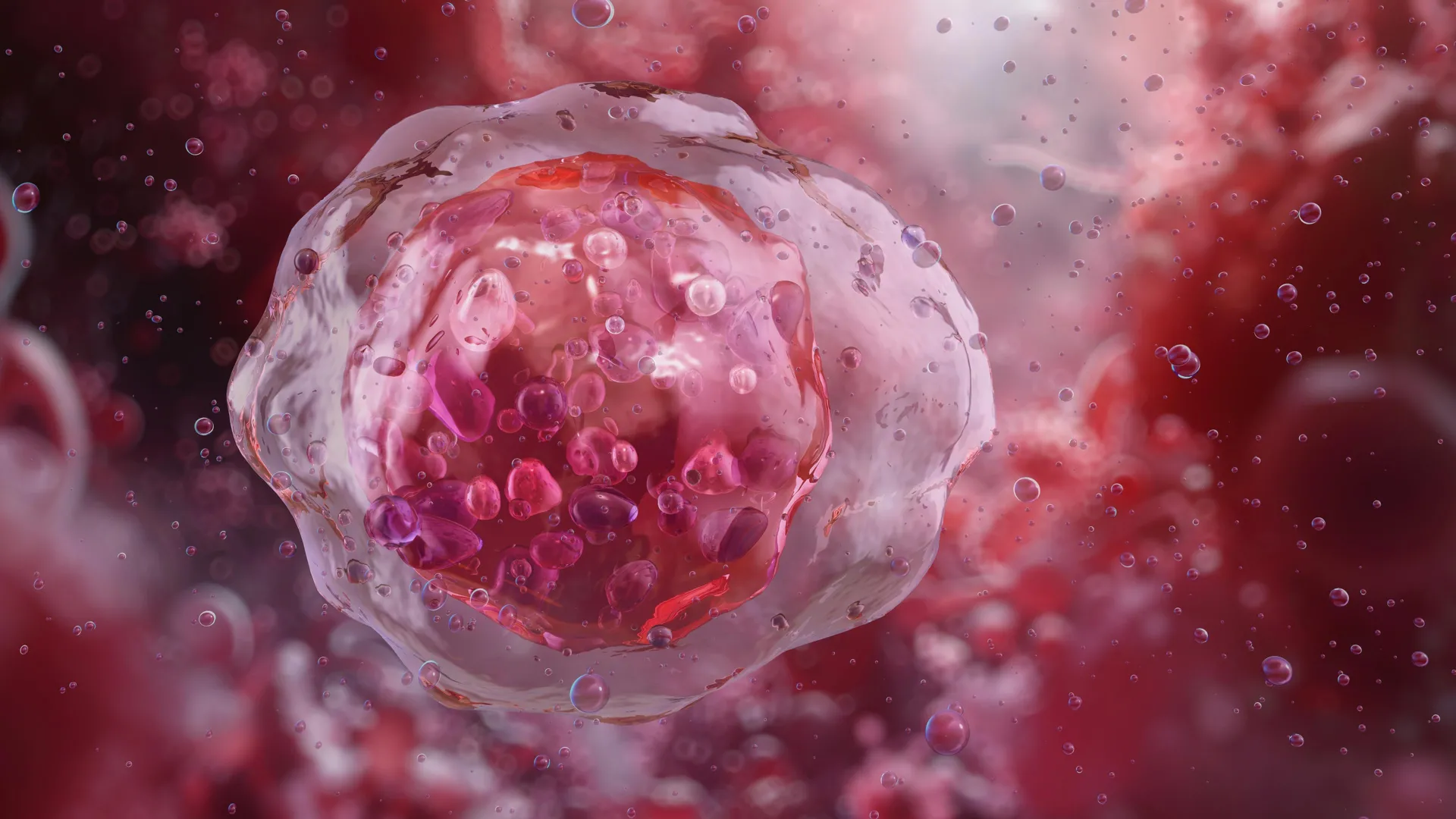
The research team, led by senior author Danfeng "Dani" Cai, Ph.D., an assistant professor at the Johns Hopkins Bloomberg School of Public Health, focused on a biological phenomenon known as liquid-liquid phase separation. This process is analogous to oil droplets forming in water; certain proteins and RNA molecules can concentrate into dense, liquid-like droplets called condensates. These condensates allow the cell to compartmentalize biochemical reactions without the need for a physical membrane.
Through high-resolution microscopy and fluorescent tagging, Cai’s team observed that TFE3 fusion proteins do not distribute evenly throughout the cell nucleus. Instead, they cluster into distinct "dots" or condensates. "We saw that these fusion proteins form liquid condensates—concentrated molecules interacting together in a small space to perform a specific cell process," Cai explained. These droplets effectively "trap" other essential cellular machinery, including marker proteins and transcription factors, creating a localized environment that hyper-activates genes associated with cancer.
The Genetic Architecture of Fusion Partners
While there are approximately 20 known fusion partners for the TFE3 gene in tRCC, the researchers focused their investigation on the two most prevalent: NONO and SFPQ. Together, these two partners account for approximately 40% of all TFE3 fusion cases. By attaching glowing tags to these specific fusion versions in patient-derived kidney cancer cells, the team was able to visualize the real-time formation of these droplets.
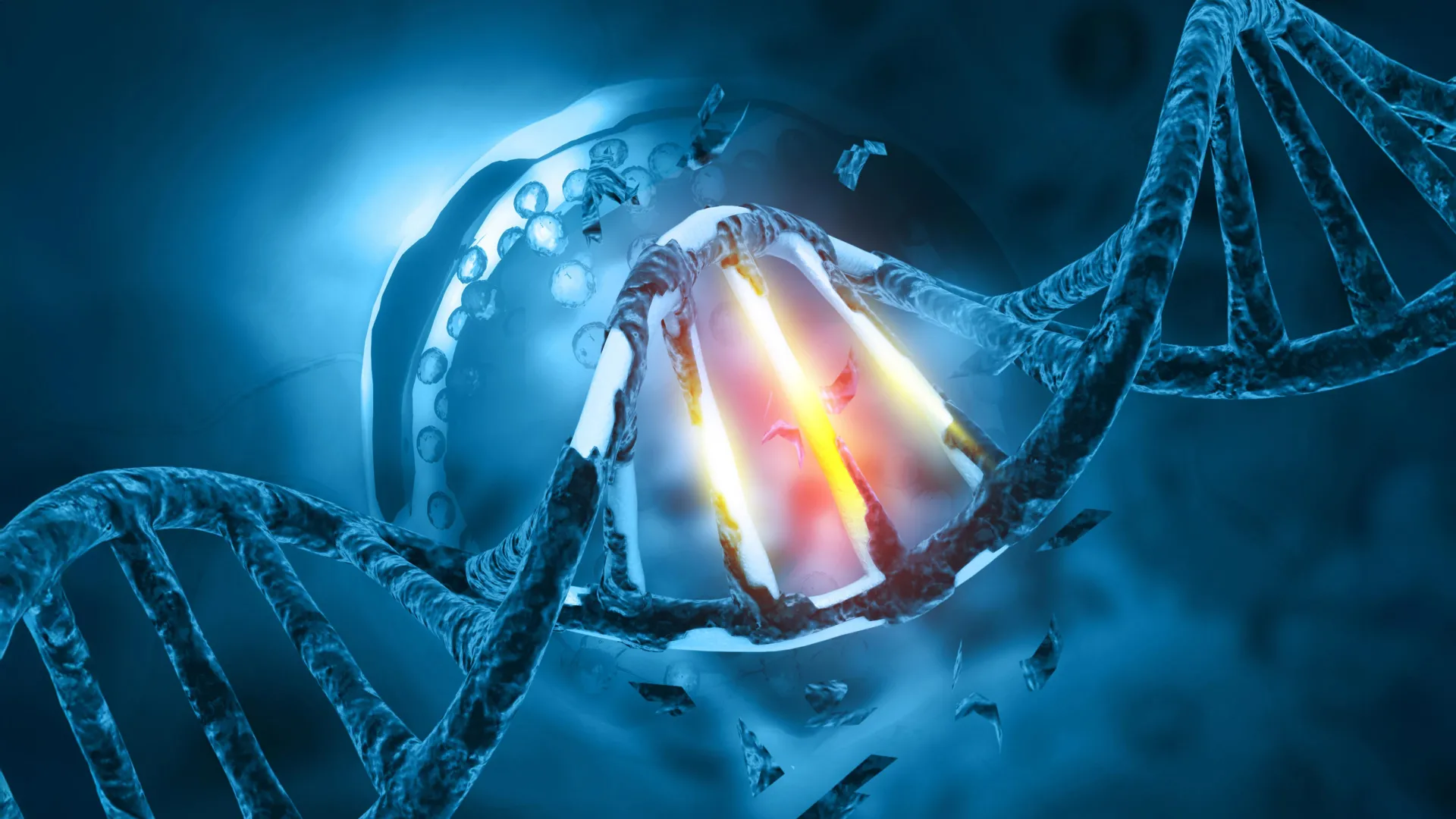
The study revealed that the fusion of TFE3 with NONO or SFPQ creates a protein with unique structural properties not found in healthy cells. While the individual components (full-length TFE3, NONO, or SFPQ) are part of the normal cellular machinery used to turn genes on and off, their fusion creates a "super-activator." The researchers found that these fusion proteins possess a significantly heightened ability to control gene expression compared to their non-fused counterparts.
Mapping the Chromatin Landscape
To understand how these droplets interact with the genetic code, Cai collaborated with Eneda Toska, Ph.D., an assistant professor of oncology at the Johns Hopkins Kimmel Cancer Center. The duo utilized advanced genomic mapping techniques to determine how the TFE3 fusion condensates interact with chromatin—the complex of DNA and proteins that forms chromosomes.
In a healthy cell, DNA is packaged into chromatin in a structure often described as "beads on a string." When the string is tightly wound around the "beads" (histones), genes are inaccessible and turned off. When the string is loose or "open," the genes can be read and activated. The research team discovered that the TFE3 fusion droplets act as molecular architects, physically and chemically remodeling this landscape.
"We found that these fusion proteins open and close different sites on the chromatin by making chemical modifications," Toska noted. "They bind, regulate, and redesign the chromosome landscape, interacting with target genes that promote cell proliferation and movement—functions that cancer needs to grow and spread." This remodeling ensures that the genes necessary for tumor survival remain permanently "switched on," while genes that might suppress tumor growth are effectively silenced.
Identifying the "Achilles’ Heel" of the Fusion Protein
A critical breakthrough in the study occurred when the researchers began "dissecting" the fusion proteins to identify which segments were responsible for the formation of the liquid droplets. Using gene-editing technology, the team systematically removed different domains of the TFE3 fusion proteins.
They identified a specific segment known as a "coiled-coil" domain—a structural motif where two or more alpha-helices wrap around each other. When this small segment was deleted, the TFE3 fusion proteins lost their ability to form condensates. More importantly, without the formation of these droplets, the proteins were unable to activate the cancer-promoting genes. This finding suggests that the physical state of the protein (the droplet form) is just as important as its chemical composition in driving the disease.
This discovery points toward a potential therapeutic strategy: if a drug can be developed to disrupt the formation of these droplets or dissolve them once they have formed, it could effectively "shut down" the cancer’s genetic engine without the need for highly toxic chemotherapy.
Broader Implications for Other Fusion-Driven Cancers
The implications of this research extend far beyond translocation renal cell carcinoma. Chromosomal translocations and resulting fusion genes are hallmarks of several other difficult-to-treat cancers. "Other cancers, such as Ewing sarcoma and leukemia, are caused by fusion genes as well," said Cai. "It’s possible that these fusion genes form similar droplets, or condensates, that regulate genes in these cancers and could react to similar treatment strategies."
Ewing sarcoma, for instance, is driven by the EWS-FLI1 fusion protein, which has also been suggested to participate in phase separation. By establishing a framework for how TFE3 fusions operate in kidney cancer, the Johns Hopkins team has provided a template that other researchers can use to investigate similar mechanisms in pediatric sarcomas and various forms of leukemia.
Future Research and Clinical Outlook
The next phase of the research involves a deeper dive into the composition of these liquid condensates. The team hopes to identify other "passenger" proteins and molecules that are drawn into the TFE3 droplets. By understanding the full inventory of the condensate, scientists can begin screening for small molecules or existing drugs that might interfere with the internal stability of the droplets.
"In future work, the research team hopes to identify other components in the liquid condensates that drive the cancer," the investigators stated. This would allow for high-throughput drug screening, potentially identifying compounds that can selectively target the coiled-coil domains or other structural features essential for phase separation.
The study’s success is a testament to the interdisciplinary collaboration between the Bloomberg School of Public Health’s biochemistry experts and the Kimmel Cancer Center’s clinical oncology researchers. Such partnerships are increasingly seen as vital for tackling rare diseases that do not receive the same level of private-sector investment as more common cancers.
Acknowledgments and Funding
The research was a collaborative effort involving a diverse team of scientists, including Choon Leng So, Ye Jin Lee, Wanlu Chen, Binglin Huang, Emily De Sousa, Yangzhengyu Gao, Marie Elena Portuallo, Sumaiya Begum, Kasturee Jagirdar, Vito Rebecca, and Hongkai Ji of the Bloomberg School of Public Health; Bujamin Vokshi of the Johns Hopkins University School of Medicine; and W. Marston Linehan of the National Cancer Institute.
The study was made possible through extensive support from the National Institutes of Health, including the National Institute of General Medical Sciences (grant R35GM142837), the National Cancer Institute (grants K22CA245487, R01CA276187, and K01CA245124), and the National Human Genome Research Institute (grants R01HG013409 and R01HG010889). Additional funding was provided by a Department of Defense Kidney Cancer Idea Development Award, a Jayne Koskinas Ted Giovanis grant, and a Johns Hopkins Provost Catalyst Award.
Disclosures noted in the report include Eneda Toska’s receipt of grants and consulting fees from AstraZeneca and Menarini, reflecting the ongoing intersection between academic discovery and industrial pharmaceutical development.
As the scientific community continues to move toward "precision medicine," the ability to target the physical manifestations of genetic errors—like these liquid droplets—represents a promising new frontier. For patients with translocation renal cell carcinoma, these findings offer the first glimpse of a future where their treatment is based not on broad-spectrum toxins, but on the specific molecular physics of their disease.