The Indiana University School of Medicine has announced a significant leap forward in regenerative medicine and oncology through the development of a sophisticated imaging protocol designed to map the intricate landscape of bone marrow. This new methodology, which utilizes high-dimensional multiplex imaging, allows scientists to observe the cellular architecture of bone marrow in mouse models with unprecedented clarity. By overcoming long-standing physical and technical barriers associated with imaging dense skeletal structures, the research team has opened a new window into the study of hematologic malignancies, autoimmune disorders, and musculoskeletal conditions. The breakthrough, recently detailed in the peer-reviewed journal Leukemia, represents a pivotal shift from traditional, destructive analysis methods to a more holistic, spatial understanding of how blood and immune cells develop and interact within their native environment.
The Challenge of the Bone Marrow Niche
For decades, bone marrow has remained one of the most challenging tissues for scientists to study in situ. Described by researchers as a "black box" due to its physical composition, bone marrow is a soft, gelatinous tissue containing a complex mixture of stem cells, progenitor cells, and mature blood cells, all of which are encased within a rigid, calcified bone matrix. This "niche"—the specific microenvironment where blood cell formation, or hematopoiesis, occurs—is essential for maintaining the body’s immune system and oxygen-carrying capacity.
The difficulty in studying this environment lies in the contradictory nature of its components. To access the marrow, researchers must navigate the hard exterior of the bone, a process that often results in the destruction of the delicate spatial relationships between cells. When the marrow is extracted for traditional analysis, the "neighborhood" context is lost. Scientists might know which cells are present, but they lose the vital information regarding which cells are standing next to each other and how they are communicating. Sonali Karnik, PhD, an assistant research professor of orthopedic surgery at the IU School of Medicine and a co-lead author of the study, emphasized that the unique imaging approach developed by her team offers a solution to this problem, providing a tool that preserves the integrity of the tissue while delivering high-resolution data.
Technological Evolution: From Flow Cytometry to Phenocycler 2.0
To appreciate the magnitude of this advancement, it is necessary to compare it against the historical standards of tissue analysis. For years, the gold standard for studying bone marrow has been flow cytometry. This technique involves breaking down the tissue into a single-cell suspension and passing those cells through a laser. While flow cytometry is exceptionally efficient at quantifying cell populations and identifying specific cell types based on surface markers, it is inherently "blind" to the tissue’s physical structure. Once the bone marrow is liquefied for flow cytometry, the spatial architecture—the very roadmap of the disease—is permanently erased.
Another traditional method, standard fluorescence imaging, allows researchers to keep the tissue intact but is severely limited by the "color barrier." Because of the way light wavelengths overlap, standard microscopes can typically only distinguish between three or four different cellular markers at a time. In a tissue as complex as bone marrow, where dozens of different cell types interact simultaneously, seeing only three markers is like trying to understand a complex city map by looking at only three buildings.
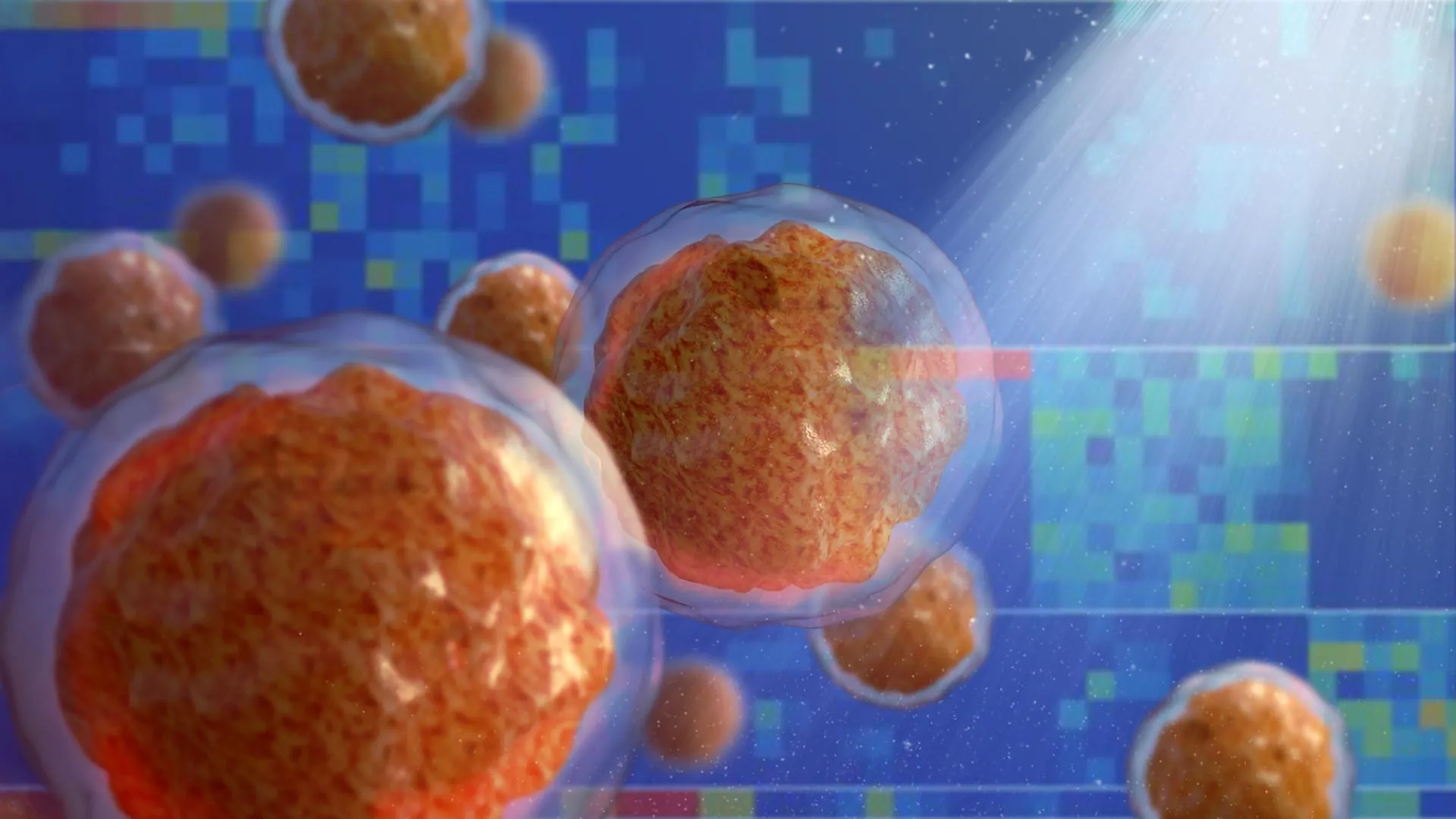
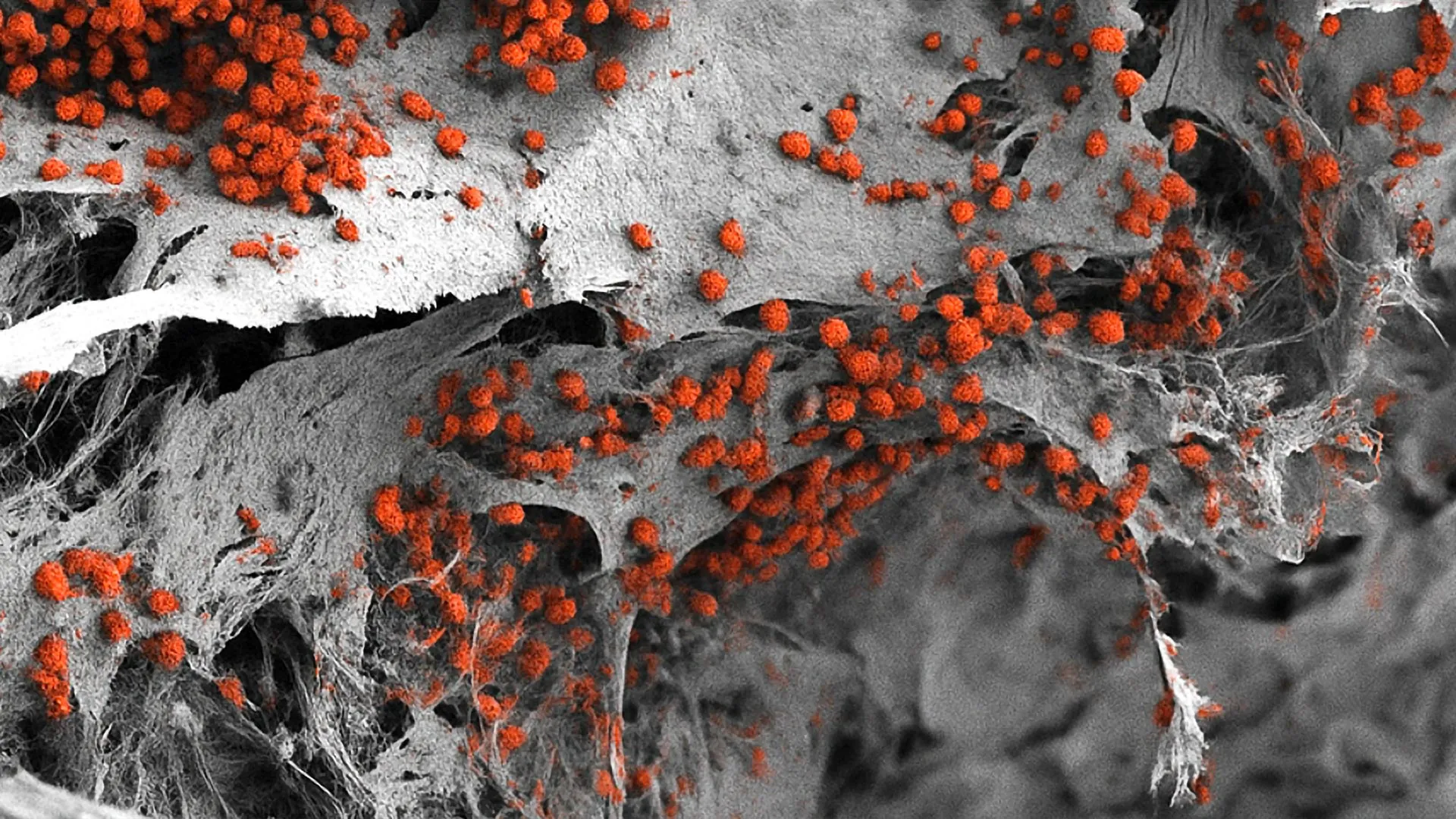
The IU research team bypassed these limitations by adapting the Phenocycler 2.0 (formerly known as CODEX). This multiplex imaging tool uses a sophisticated fluidics system and DNA-conjugated antibodies to visualize markers iteratively. Instead of being limited to three markers, the IU team successfully visualized 25 different cellular markers within a single, intact piece of mouse bone marrow. This "spatial proteomics" approach allows researchers to see not just the cells, but the entire "ecosystem" of the marrow, including stem cell niches, blood vessels, and the surrounding bone structure.
Chronology of Development and Collaborative Efforts
The development of this imaging protocol was not an overnight success but the result of a multi-year collaborative effort within the Indiana University Cooperative Center of Excellence in Hematology (UCCEH). The project began with the goal of applying advanced spatial biology tools, which had previously been successful in soft tissues like the spleen, kidney, and brain, to the much more difficult environment of the skeletal system.
In the initial stages, the team had to refine the tissue preparation process. Because bone is opaque and hard, and marrow is translucent and soft, creating a sample that could be imaged without losing cellular markers required a specialized decalcification and sectioning process. Once the preparation was optimized, the team began building a "panel"—a specific set of antibodies designed to target the most relevant markers for blood cell development and cancer progression.
The research reached a milestone when the team successfully demonstrated that the Phenocycler 2.0 could be used on mouse bone marrow without the signals bleeding into one another or the bone matrix interfering with the optics. This achievement was particularly significant because mouse models are the primary vehicle for preclinical drug testing. By proving the efficacy of the tool in mice, the IU scientists have provided a roadmap for pharmaceutical companies to test how new drugs affect the bone marrow environment in real-time.
Deep Dive into the Data: The 25-Marker Panel
The power of the new methodology lies in the depth of the data it generates. The 25-marker panel used in the study includes indicators for various stages of hematopoietic stem cells, myeloid and lymphoid lineages, and structural components of the marrow. This allows for "neighborhood analysis," a computational method that identifies clusters of cells that consistently appear together.
For example, in the study of leukemia, it is not enough to know that cancer cells are present. It is crucial to know if those cancer cells are clustering near blood vessels (to potentially enter the bloodstream) or if they are hiding in "quiescent zones" where chemotherapy might not reach them. The IU imaging technique provides the visual and statistical evidence needed to answer these questions. By mapping 25 markers, the researchers can see the "battlefield" of the marrow, identifying where the immune system is mounting a response and where the disease is gaining a foothold.
Expert Perspectives and Institutional Impact
The significance of this work is reflected in the leadership behind it. Reuben Kapur, PhD, a co-senior author on the study and the director of the IU School of Medicine’s Herman B Wells Center for Pediatric Research, highlighted the broader implications for human health. As the co-director of the IU Cooperative Center of Excellence in Hematology, Kapur noted that because mouse models are the foundation for studying human diseases, this technique provides a critical bridge between laboratory research and clinical application.
"This technique offers a promising new method for investigating a range of conditions like autoimmune diseases, leukemia, and other disorders involving bone marrow," Kapur stated. His remarks underscore a growing trend in medical research: the move toward "precision spatial medicine," where treatments are designed based on the specific spatial arrangement of a patient’s cells.
The institutional support for this research has been robust. The IU Innovation and Commercialization Office has already filed a provisional patent for the new imaging methodology, signaling its potential commercial value in the biotech and pharmaceutical industries. Furthermore, the study received essential funding from the National Institutes of Health (NIH), reflecting the federal government’s interest in advancing high-dimensional imaging technologies to combat chronic diseases.
Broader Implications: Oncology, Immunology, and Beyond
The implications of this breakthrough extend far beyond the laboratory. In the realm of oncology, particularly for leukemia and multiple myeloma, this imaging technique could revolutionize how drug efficacy is measured. Currently, a "successful" treatment might be defined by a reduction in the total number of cancer cells. However, if the remaining cancer cells are clustered in a protective niche, the patient is at high risk for relapse. The IU methodology allows researchers to see if a drug is actually penetrating these protective zones.
In the field of immunology, the technique offers new insights into autoimmune diseases where the bone marrow incorrectly produces self-attacking immune cells. By visualizing the signaling pathways and cellular interactions within the marrow, scientists may identify new targets for therapies that can "retrain" the immune system at its source.
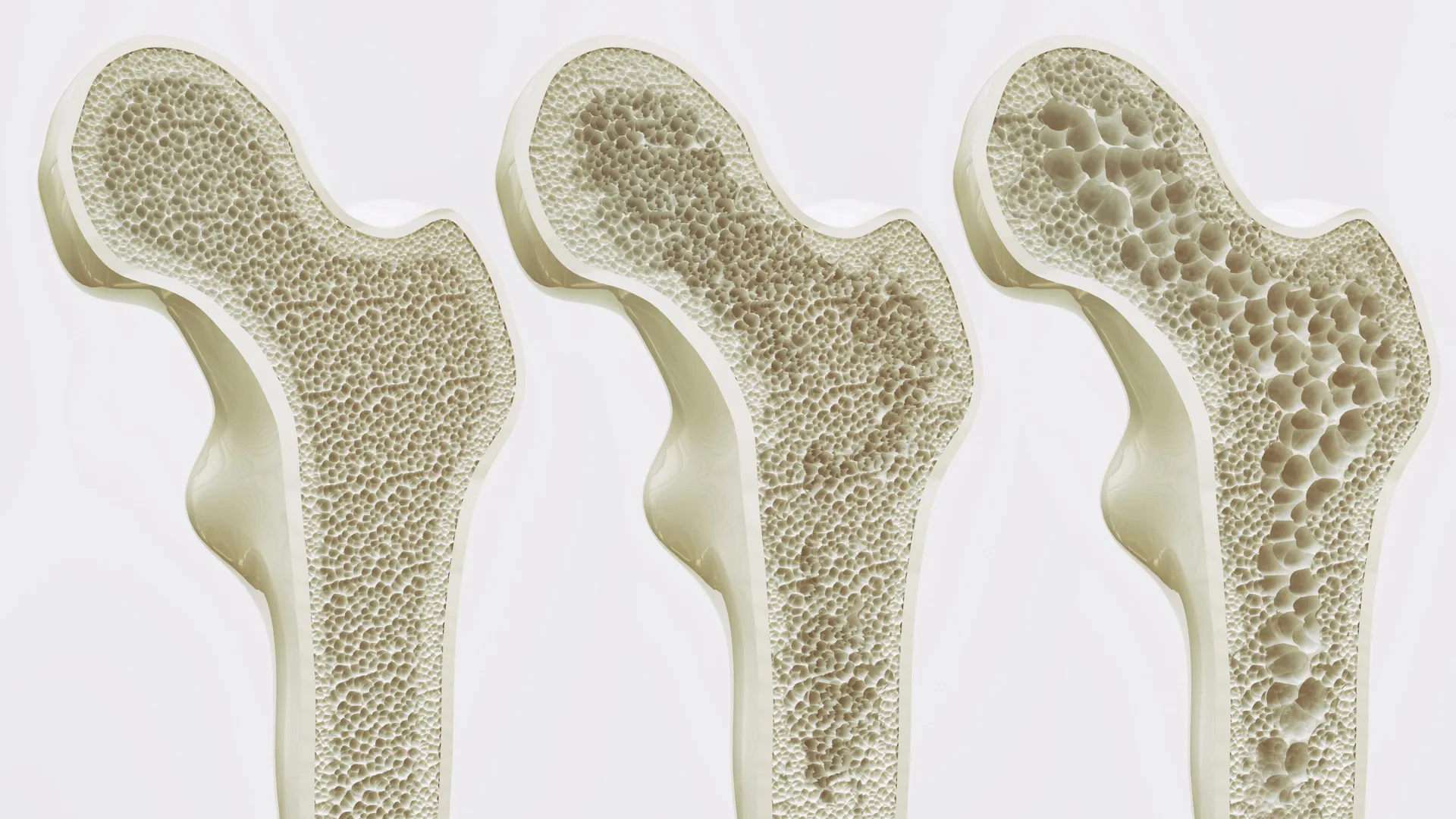
Additionally, the research has profound implications for musculoskeletal disorders and bone healing. The marrow and the bone are in a constant state of "crosstalk." By expanding the marker panel to include bone-forming cells (osteoblasts) and bone-resorbing cells (osteoclasts), as the team is currently doing, researchers can study how aging, osteoporosis, and physical trauma affect the marrow’s ability to support blood production.
Future Directions and Expansion
The IU School of Medicine team is not resting on its current success. The next phase of the research involves expanding the marker panel even further. The team is working to integrate markers for nerves, muscle fibers, and additional signaling molecules that facilitate communication between the nervous system and the immune system.
Furthermore, there is a push to translate this methodology from mouse models to human clinical samples. While human bone marrow biopsies are common, they are usually analyzed using traditional pathology methods. Applying multiplex imaging to human biopsies could provide oncologists with a "high-definition" view of a patient’s specific cancer environment, allowing for highly personalized treatment plans.
The collaborative nature of the study is evident in the diverse list of contributors, including Connor Gulbronson, Paige C. Jordan, Rahul Kanumuri, and others from across various departments at IU. This interdisciplinary approach—combining orthopedic surgery, pediatrics, hematology, and advanced imaging—is a hallmark of the IU School of Medicine’s strategy for tackling complex medical challenges.
Conclusion
The development of this high-dimensional imaging technique at the Indiana University School of Medicine marks a transformative moment in hematology and spatial biology. By successfully navigating the complexities of bone marrow architecture, the research team has provided the scientific community with a powerful new lens through which to view the origins and progression of disease. As the methodology is refined and expanded, it is poised to become an essential tool in the global effort to develop more effective, targeted therapies for some of the most challenging conditions in modern medicine. The move from viewing bone marrow as a "black box" to a detailed, multi-dimensional map represents not just a technical victory, but a significant step forward in the quest to improve patient outcomes and save lives.