The annual scientific sessions of the American Diabetes Association (ADA) this week served as a dual stage: a vibrant forum for the unveiling of groundbreaking clinical data in the burgeoning GLP-1 landscape, and an unexpected arena for a protest over scientific integrity and policy. Pharmaceutical giants Eli Lilly, Novo Nordisk, AstraZeneca, and Pfizer presented a cascade of impressive GLP-1 (glucagon-like peptide-1) receptor agonist trial results, showcasing advancements in weight loss, glycemic control, and the treatment of obesity-related comorbidities. Simultaneously, the conference was marred by a contentious incident where several prominent researchers were forcibly removed by police after distributing an editorial critical of the Trump administration’s science policies, casting a shadow over the proceedings and sparking debate about scientific freedom at professional gatherings.
Controversy Erupts: Scientists Protest Administration Policies
The incident unfolded with dramatic swiftness, drawing national attention to the usually staid environment of a medical conference. The focal point of the protest was an editorial published in Diabetes Care, the ADA’s flagship journal, titled "Misguided Brushes of a Pen Continue to Dismantle." This editorial, highly critical of the then-current administration, detailed the profound and detrimental effects of funding cuts, political interference, and the sidelining of scientific expertise on critical diabetes research and public health initiatives. It argued that these actions systematically undermined the scientific enterprise, jeopardizing long-term health outcomes for millions of Americans living with diabetes and other chronic conditions.
The timing of the protest was meticulously chosen. Shortly before Jay Bhattacharya, the director of the National Institutes of Health (NIH) – a key federal agency responsible for biomedical and public health research – was scheduled to deliver a plenary address, several experts began distributing physical copies of the editorial. Among those participating were Aaron Kelly, a professor of pediatrics at the University of Minnesota, and Justin Ryder, both esteemed researchers in the field. Their intent, as later articulated, was to ensure that the scientific community and policymakers present were acutely aware of the perceived threats to research integrity and funding.
Escalation and Exclusion: The Conference Response
The distribution of the editorial quickly drew the attention of conference security. According to accounts from the involved researchers, security staff initially approached them, asking them to step outside the main convention hall and attempting to confiscate the papers. The researchers, asserting their right to free expression, resisted the confiscation. Following this initial confrontation, they attempted to re-enter the convention center through a different entrance, presumably to continue their advocacy or attend other sessions. However, they were met by an augmented security presence, including event security personnel and uniformed police officers.
The officers informed the researchers that they would be considered trespassers and would face arrest if they attempted to set foot on the premises again. This stern warning effectively barred them from further participation in the conference. Subsequently, organizers officially notified five of the involved researchers that their registration had been revoked, and they would no longer be permitted to attend. This was a significant blow, as some of these individuals were scheduled to present their own research findings later in the conference, a culmination of years of work.
The incident ignited a broader discussion within the scientific community and the media regarding the balance between the right to protest and express dissent, and the responsibility of conference organizers to maintain order and focus on scientific discourse. While the ADA did not issue an immediate comprehensive statement on the specifics of the removal, the actions taken by security and organizers underscored a policy of strict enforcement against unsanctioned political demonstrations within the conference venue. Critics of the administration lauded the researchers’ courage, while others debated the appropriateness of such tactics at a scientific meeting. The event highlighted the increasing politicization of science and the growing willingness of scientists to engage in advocacy beyond traditional academic channels.
Lilly’s Retatrutide: A Triple Agonist’s Broad Impact
Amidst the controversy, the scientific presentations proceeded, with Eli Lilly leading the charge with impressive Phase 3 results for its investigational triple agonist, retatrutide. This novel therapeutic targets not only GLP-1 but also glucose-dependent insulinotropic polypeptide (GIP) and glucagon receptors, representing a cutting-edge approach to metabolic disease management. The data presented at the ADA underscored its potential as a transformative treatment for obesity and related comorbidities.
In a pivotal 80-week study, retatrutide demonstrated remarkable efficacy in weight reduction, with participants on the highest dose achieving an average body weight loss of 28.3%. This figure significantly surpasses the efficacy observed with current single and dual agonist therapies, setting a new benchmark for pharmacological weight management. The profound weight loss translated into substantial improvements in key obesity-related complications. The drug reduced knee osteoarthritis pain by up to 73.1%, a critical benefit for patients whose mobility and quality of life are severely impacted by excess weight. Furthermore, it showed a significant reduction in the severity of moderate-to-severe obstructive sleep apnea by 60.6%, addressing another widespread and serious comorbidity of obesity.
Ania Jastreboff, the lead investigator for the study, emphasized the broader implications of these findings, stating, "These findings demonstrate what may be possible when we treat obesity and impact overall health, and what this could mean for people living with obesity and its related complications."
Beyond weight management, retatrutide also delivered robust glycemic control for patients with type 2 diabetes. It reduced average A1C levels by up to 2%, with an impressive 90% of participants achieving an A1C below 7%, which is the general target recommended by the ADA for most adults with type 2 diabetes. The triple agonist also demonstrated a favorable impact on other cardiometabolic markers, reducing triglycerides by up to 41%, non-HDL cholesterol by 24.2%, and systolic blood pressure by 12.3 mmHg. These comprehensive benefits suggest a holistic approach to metabolic health.
Regarding tolerability, Lilly reported that retatrutide’s safety profile was generally consistent with other GLP-1 class medications. The most common adverse effects included gastrointestinal symptoms such as nausea, diarrhea, constipation, and vomiting, which are frequently observed with this class of drugs. Approximately 14.2% of participants on the highest dose experienced upper respiratory tract infections. A less common side effect, dysesthesia (a type of abnormal sensation), was observed to a limited extent, an effect that has occasionally been noted with related compounds and will warrant further monitoring.
Novo Nordisk’s CagriSema: Navigating a Competitive Landscape
Novo Nordisk, a long-standing leader in diabetes care, presented new Phase 3 data for CagriSema, its investigational combination therapy. CagriSema pairs an amylin analog with a GLP-1 receptor agonist, representing another multi-modal approach to treating type 2 diabetes and obesity. The company announced that trials within its "REIMAGINE" program demonstrated significant reductions in both HbA1c and body weight compared to various comparators.
Martin Holst Lange, Executive Vice President, Chief Scientific Officer, and Head of Research and Development at Novo Nordisk, expressed enthusiasm for the therapy’s potential: "With these findings, CagriSema has the potential to be the first amylin and GLP-1 combination therapy that addresses blood glucose control with reductions in bodyweight for people living with type 2 diabetes."
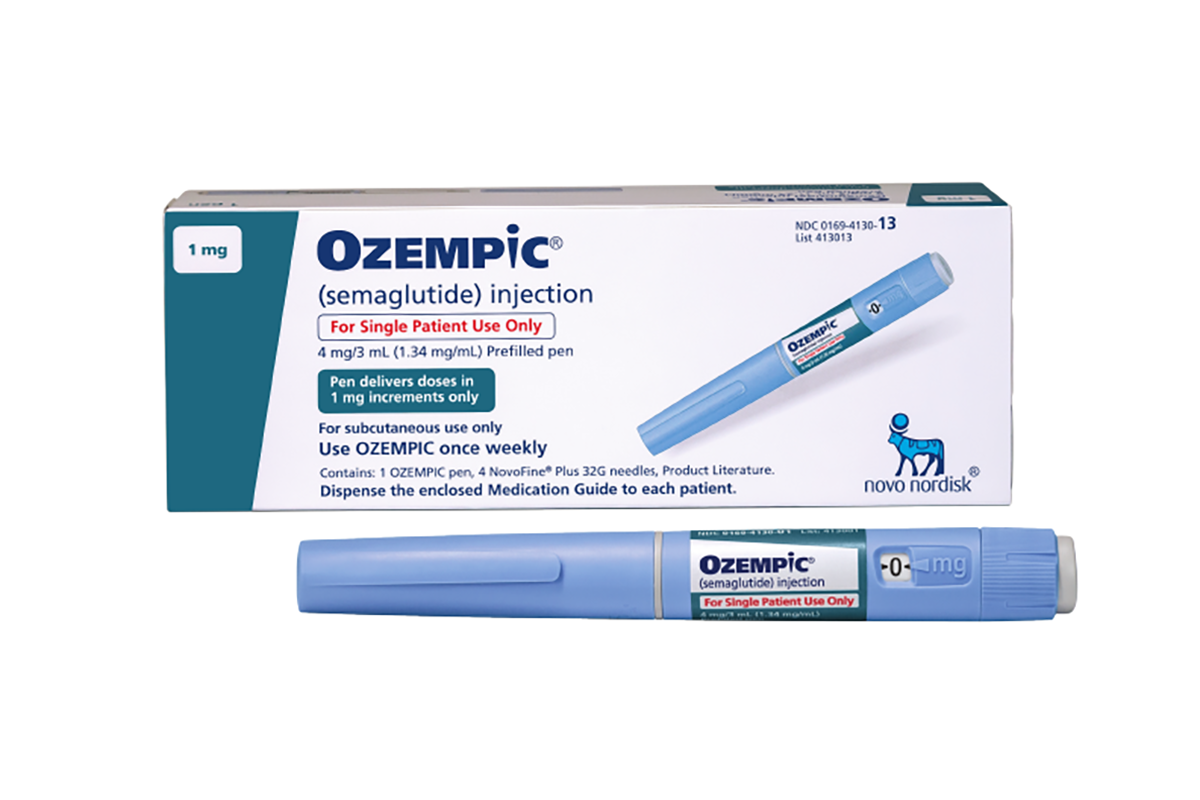
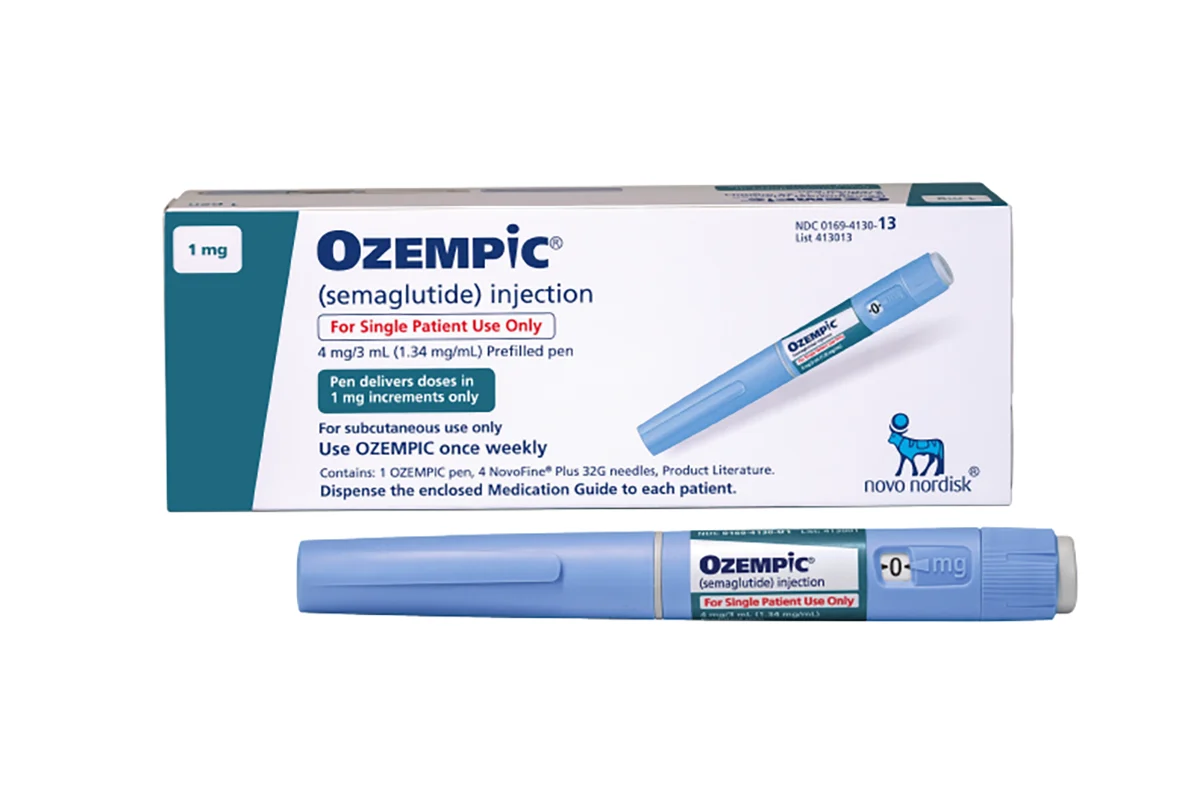
Notably, when directly compared to semaglutide (marketed as Ozempic for diabetes and Wegovy for weight loss), CagriSema achieved superior reductions in both HbA1c and body weight. Specifically, the highest dose of CagriSema led to a 14.2% reduction in body weight over 68 weeks, outperforming the 10.2% reduction observed with the same dose of semaglutide during the same period. These results underscore CagriSema’s enhanced efficacy over a standalone GLP-1 agonist.
However, the competitive landscape for these next-generation therapies is intensely dynamic. Earlier in the year, another Phase 3 trial had indicated that CagriSema was inferior to Eli Lilly’s tirzepatide (marketed as Zepbound for weight loss and Mounjaro for diabetes). In that head-to-head comparison, CagriSema achieved an average weight loss of 23% after 84 weeks of treatment, while tirzepatide demonstrated a superior 25.5% weight reduction. This highlights the fierce competition, particularly as Zepbound itself is a dual GLP-1/GIP agonist.
In an investor call following the release of these results, Martin Lange provided context for the comparison, explaining that Zepbound "performed unusually well on efficacy compared to what has typically been reported in most previous trials of a similar nature." This statement suggests that while CagriSema showed strong results, tirzepatide established an exceptionally high bar, making direct comparisons challenging due to variations in trial populations and methodologies. Indeed, a separate Phase 3 trial of tirzepatide in adults with pre-diabetes and obesity reported an average weight reduction of 22.9% on the highest dose, which was 2.1% less than the weight loss observed for tirzepatide in the CagriSema comparator trial, illustrating the variability inherent in clinical research.
The Rise of Oral GLP-1s: AstraZeneca and Ascletis Advance
The quest for more convenient administration methods continues to drive innovation in the GLP-1 space, with several companies developing oral formulations to potentially replace or supplement injectable therapies. Oral GLP-1s promise to improve patient adherence and expand access to treatment, despite historical challenges with bioavailability and absorption for peptide-based drugs.
AstraZeneca presented promising results for its oral small molecule GLP-1 receptor agonist, elecoglipron. The drug achieved an 11.8% weight reduction over 36 weeks, a significant outcome for an oral agent. It also demonstrated robust glycemic control, lowering HbA1c by 1.9% at 26 weeks, with 90% of patients reaching the ADA’s target HbA1c of below 7%. Based on these positive Phase 2b outcomes, elecoglipron is now advancing to comprehensive Phase 3 trials in both obesity and type 2 diabetes. Crucially, these upcoming trials will also evaluate its impact on cardiovascular and kidney outcomes, which are increasingly important endpoints for regulatory approval and clinical utility in chronic metabolic diseases.
Ascletis, a clinical-stage biotechnology company, also shared data for its oral GLP-1 candidate, ASC30, from Phase 2 trials. ASC30 showed a weight loss of up to 7.7% at week 13, offering another potential oral option for patients. A notable aspect of ASC30’s profile was its tolerability, with approximately half the rate of vomiting observed compared to orforglipron, another investigational oral GLP-1. This could be a key differentiator in patient acceptance. Additionally, Ascletis highlighted preclinical findings for its oral amylin receptor agonist, demonstrating selectivity for the human amylin type 1 receptor comparable to eloralintide, indicating a diversified approach to oral metabolic therapies.
Pfizer’s Monthly Injection: Convenience Meets Efficacy
Pfizer joined the ranks of innovators presenting compelling GLP-1 data, focusing on extended-duration formulations. Their investigational once-monthly GLP-1 receptor agonist, berobenatide, showcased impressive efficacy combined with enhanced patient convenience.
Phase 2b results for berobenatide demonstrated a substantial 15.9% weight loss at 32 weeks. Furthermore, it achieved a significant 2.2% reduction in HbA1c at 18 weeks, indicating strong potential for both weight management and glycemic control. The prospect of a once-monthly injection represents a major leap forward in patient adherence and quality of life, bridging the gap between weekly injectables and daily oral medications.
Jim List, Chief Internal Medicine Officer at Pfizer, emphasized the strategic importance of these findings: "These data highlight the potential for berobenatide to be the first approved monthly GLP-1 RA peptide and support our extensive Phase 3 program that includes 10 studies for chronic weight management and obesity-related comorbidities."
Pfizer’s commitment to berobenatide is underscored by its robust clinical development plan. The VESPER-6 Phase 3 study, which investigates monthly maintenance dosing for berobenatide in adults with obesity or overweight, is actively enrolling participants. Additionally, the SOLIS-1 Phase 2b study is underway, exploring both weekly and monthly maintenance dosing of an ultra-long-acting amylin analog (PF-3945) as a monotherapy and, significantly, in combination with berobenatide. This multi-pronged approach signals Pfizer’s ambition to secure a strong position in the rapidly evolving metabolic disease market, leveraging both novel monotherapies and synergistic combination treatments.
The Evolving GLP-1 Landscape: Innovation and Competition
The ADA conference vividly illustrated the accelerating pace of innovation and the intense competition within the GLP-1 therapeutic class. From triple agonists pushing the boundaries of efficacy to novel oral formulations and ultra-long-acting injectables enhancing convenience, the pipeline for diabetes and obesity treatments is richer than ever before. These advancements promise to offer patients a wider array of effective and personalized treatment options, addressing not only glycemic control and weight loss but also the complex web of associated comorbidities like cardiovascular disease, kidney disease, osteoarthritis, and sleep apnea.
The move towards multi-receptor agonists like retatrutide and CagriSema signifies a paradigm shift, demonstrating that targeting multiple pathways can yield superior clinical outcomes. Meanwhile, the development of oral GLP-1s, despite their inherent challenges, holds the promise of vastly expanding access and improving patient adherence, potentially making these powerful therapies available to a much broader population. The strategic focus on less frequent dosing, exemplified by Pfizer’s monthly berobenatide, also reflects a deep understanding of patient needs and the desire for treatments that seamlessly integrate into daily life.
Implications for Diabetes and Obesity Care
The implications of these scientific breakthroughs for global public health are profound. With the escalating epidemics of type 2 diabetes and obesity worldwide, effective and accessible treatments are more critical than ever. The data presented at the ADA conference suggest a future where managing these conditions could be significantly more effective, with the potential to prevent or mitigate many of their devastating complications. However, the commercial landscape will be fiercely competitive, with pharmaceutical companies vying for market share through efficacy, safety, convenience, and eventually, cost-effectiveness.
The dual nature of this year’s ADA conference – a beacon of scientific progress alongside a stark reminder of the challenges to scientific freedom – underscores the complex environment in which modern medicine operates. As researchers continue to push the boundaries of treatment, the broader societal and political context within which science is conducted remains a crucial, and sometimes contentious, variable. The conference left attendees with both immense hope for future patient care and a sobering reflection on the importance of advocating for the integrity of the scientific process itself.