The therapeutic landscape for metabolic disorders, and increasingly, a spectrum of other complex diseases, is undergoing a profound transformation, largely driven by the remarkable expansion of Glucagon-Like Peptide-1 (GLP-1) receptor agonists. What began as a class of drugs primarily targeting type 2 diabetes has rapidly evolved to address obesity, cardiovascular risk, and chronic kidney disease, with promising avenues now opening into areas as diverse as non-alcoholic steatohepatitis (MASH), obstructive sleep apnea, neurodegeneration, and even certain obesity-associated cancers. This widening therapeutic roster, fueled by innovative drug design and robust clinical evidence, is simultaneously reshaping the demands on the biospecimen procurement market, necessitating a fundamental shift from traditional tissue-centric collections to a more sophisticated, biofluid-focused approach accompanied by rich clinical annotation.
The Expanding Horizon of GLP-1 Agonists
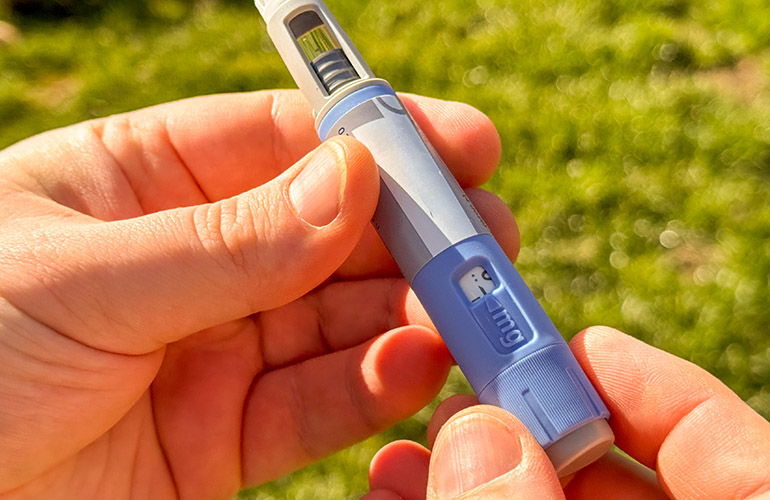
The initial success of GLP-1 receptor agonists stemmed from their ability to mimic the natural incretin hormone GLP-1, stimulating insulin release, suppressing glucagon secretion, slowing gastric emptying, and promoting satiety. Early contenders like semaglutide (Ozempic, Wegovy) targeted the GLP-1 receptor alone, establishing a strong foothold in diabetes management and weight loss. However, pharmaceutical innovation has not stood still. Tirzepatide (Mounjaro, Zepbound) introduced a dual-agonist approach, also activating the Glucose-dependent Insulinotropic Polypeptide (GIP) receptor, yielding even more potent effects on glycemic control and weight reduction.
The next generation of candidates is pushing these boundaries further, exploring triple agonists that additionally target glucagon receptors, or even venturing beyond incretins entirely to harness the biology of amylin and Fibroblast Growth Factor 21 (FGF21). This multi-modal approach aims to achieve superior efficacy and broaden the therapeutic reach. Concurrently, the competitive landscape, once largely a duopoly dominated by Novo Nordisk and Eli Lilly, is experiencing significant diversification. The advent of oral small molecules, such as orforglipron, offers a new route of administration, challenging the injectable dominance. Furthermore, the pipeline includes candidates promising monthly dosing regimens, improving patient convenience and adherence. A robust wave of contenders from China is also poised to enter the global market, intensifying competition and potentially accelerating innovation. This dynamic environment underscores a golden age of metabolic drug development, with GLP-1-based therapies at its forefront.
A Decade of Breakthroughs: GLP-1 Timeline
The rapid evolution and approval of GLP-1 receptor agonists illustrate an unprecedented pace of drug development and market penetration.
- 2017: Initial Diabetes Approval. Semaglutide, marketed as Ozempic, received FDA approval for the treatment of type 2 diabetes. This marked a significant advance in glycemic control.
- 2021: Kicking Off the Weight-Loss Era. The same molecule, semaglutide, was approved under the brand name Wegovy for chronic weight management in adults with obesity or overweight with at least one weight-related condition. This approval fundamentally shifted the perception of GLP-1s, moving them from purely diabetes medications to powerful tools in the fight against the global obesity epidemic.
- 2022: Dual-Targeted Treatment for Type 2 Diabetes. Tirzepatide, a novel dual GIP/GLP-1 agonist, was approved as Mounjaro for type 2 diabetes. Its enhanced efficacy in both glycemic control and weight reduction immediately positioned it as a market leader.
- 2023: Expanding to Obesity. Following its success in diabetes, tirzepatide received FDA approval for obesity under the brand name Zepbound, further intensifying the competition in the weight-loss market.
- March 2024: Cardiovascular Risk Reduction. Wegovy secured a landmark approval to reduce the risk of major adverse cardiovascular events (MACE) in adults with established cardiovascular disease and either overweight or obesity. This represented a critical validation of GLP-1s’ broader health benefits beyond glycemic and weight control, highlighting their potential to address significant comorbidities.
- December 2024: First for Obstructive Sleep Apnea. Zepbound achieved a groundbreaking approval as the first drug of any kind for obstructive sleep apnea (OSA). This demonstrated the pleiotropic effects of GLP-1s, extending their utility into conditions intricately linked with obesity but not traditionally treated by metabolic drugs. The prevalence of OSA, affecting millions globally and strongly correlated with obesity, indicates a vast new market.
- January 2025: Slowing Chronic Kidney Disease. Ozempic gained approval to slow the progression of chronic kidney disease (CKD) in type 2 diabetes patients. CKD is a devastating complication of diabetes, and this approval offered new hope for preserving kidney function and improving long-term patient outcomes.
- August 2025: The MASH Breakthrough. Wegovy became the first GLP-1 approved for MASH (Metabolic Dysfunction-Associated Steatohepatitis) with moderate-to-advanced fibrosis. MASH, a severe form of fatty liver disease with no prior FDA-approved treatments, represents a significant unmet medical need. This approval opened a new frontier for GLP-1 therapeutics.
- December 2025: Oral GLP-1 for Weight Loss. The Wegovy pill, an oral formulation of semaglutide, was approved as the first oral GLP-1 specifically for weight loss in adults. This innovation promised to enhance patient convenience and adherence, potentially expanding market access.
- April 2026: The First Oral Small-Molecule GLP-1. Orforglipron (Foundayo), the first oral small-molecule GLP-1, secured approval for obesity. This rapid clearance, one of the fastest new-drug clearances since 2002 under the National Priority Voucher Program, signaled a new era of diverse and more accessible GLP-1 therapies. Oral small molecules offer advantages in manufacturing and potentially cost, further democratizing access.
Addressing Affordability and Access
While the therapeutic benefits of GLP-1 drugs are undeniable, their high list prices have posed significant barriers to access. As of July 1, Medicare, for the first time, began covering GLP-1 drugs for weight loss, a move anticipated to significantly improve affordability for many beneficiaries, with patient costs estimated around $50 per month. This policy change reflects a growing recognition of obesity as a chronic disease requiring medical intervention. Prior to this, as recently as late last year, one in eight American adults reported taking a GLP-1 drug for weight loss, diabetes, or another condition. However, a staggering half of these individuals found the drugs difficult to afford, with list prices often exceeding $1,000 per month. While manufacturers’ discounted cash-pay programs had begun to reduce out-of-pocket costs to $350-$500, comprehensive insurance coverage, particularly from public programs like Medicare, is crucial for broad access and equitable healthcare outcomes. The expansion of coverage by major payers is a testament to the accumulating evidence of these drugs’ profound health benefits and cost-effectiveness in preventing long-term complications.
The Evolving Demand for Biospecimens
The breathtaking expansion of GLP-1 indications, from metabolic conditions to cardiovascular health, renal disease, liver fibrosis, sleep apnea, and nascent explorations into neurodegeneration and oncology, has created an urgent and dynamic demand for biospecimens that accurately reflect these new patient populations and disease contexts. Traditionally, biobanks optimized their collections for metabolic endpoints, focusing on samples relevant to weight loss and diabetes. These "weight-loss-era banks," as Cathie Miller, Ph.D., director of product management operations at BioIVT, a global biospecimen and ADME-Tox services provider, points out, are often ill-equipped to meet the requirements of current research.
"If you think about what GLP-1s were first developed for, a lot of it was around weight loss, so a lot of the data that goes with those specimens, and a lot of the specimens that were collected, were very specific to weight loss," Miller explained. "As the science has evolved, and we’ve gotten a better understanding of how these drugs can potentially work for other diseases, those original samples the biobanks collected are no longer as relevant. The weight-loss-era banks are not going to have the oncology samples, the tumors, in their banks, and they’re not necessarily going to have the neurological conditions, the Alzheimer’s, and so on."
This necessitates a re-evaluation of biospecimen collection strategies, focusing on tumor samples and oncology cohorts for cancer research, cerebrospinal fluid (CSF) or brain tissue for neurodegeneration, and clinically annotated collections specifically tied to the comorbidities and disease mechanisms under investigation. The quality and relevance of biospecimens are paramount, as researchers consistently report narrowing their study scopes due to the inability to obtain high-quality, well-annotated samples. The global biospecimen procurement market, valued at approximately $5 billion in 2024, is projected to surge past $11 billion by 2033, underscoring the critical and growing importance of this sector to drug discovery.
From Tissue to Biofluids: A Paradigm Shift in Research
A significant shift observed in biospecimen procurement is the pivot from traditional tissue biopsies towards biofluids. For many emerging indications, obtaining relevant tissue through surgical resection is either invasive, impractical, or impossible in living donors. This has driven a burgeoning interest in non-invasive or minimally invasive biofluid collection.
"Some of these diagnoses people are looking for, the actual tissue is hard to source, so we’re seeing a drive toward the biofluids that represent that," Miller stated. This interest extends beyond blood-derived biofluids like plasma, serum, or whole blood, to include urine, feces, and saliva. These diverse biofluids offer windows into various physiological processes and disease states, providing valuable biomarkers for diagnosis, prognosis, and therapeutic monitoring.
This trend is not solely attributable to the expansion of GLP-1 research but reflects broader advancements in biological understanding and analytical technologies. Miller noted a reversal in BioIVT’s business composition: "Historically our tissue-to-biofluid business was probably 60/40 tissue to biofluids, and I’d say now it’s more 60/40 biofluids to tissue. This has to do with more than just GLP-1; that’s not the only thing driving it. There’s a lot of biology being discovered that we can now do from biofluids that we used to say had to be done with tissue only. There’s a lot of interest in exosomes and liquid biopsy analysis, and those are also driving the shift." Exosomes, tiny vesicles released by cells, carry molecular cargo that reflects the cell’s state and can be isolated from various biofluids. Liquid biopsies, which analyze circulating tumor DNA (ctDNA) or other biomarkers in blood, are revolutionizing cancer diagnostics and monitoring, obviating the need for invasive tissue biopsies in many cases. These technological advancements are synergistic with the evolving needs of GLP-1 research, enabling comprehensive insights into systemic effects.
Specialized Specimen Needs for Emerging Indications
The specific requirements for biospecimens vary significantly depending on the new therapeutic targets.
-
MASH: The Need for Diseased Hepatocytes and Advanced Models. The FDA approval of Wegovy for MASH in August 2025, coupled with promising data from FGF21-mimic compounds like efruxifermin (now part of Novo Nordisk), has profoundly impacted the demand for specialized liver samples. Researchers now require hepatocytes that exhibit actual disease characteristics, such as elevated liver-fattiness scores or other MASH-like features, rather than normal liver cells. Furthermore, there is a growing need for longer-term in vitro liver models capable of simulating the chronic, fibrotic progression characteristic of MASH.
Brian Ogilvie, Ph.D., vice president of scientific consulting at BioIVT, highlighted this shift in their ADME (Absorption, Distribution, Metabolism, and Excretion) portfolio. "On MASH there have been a lot of developments, and that really affects our ADME portfolio in terms of hepatocytes," he said. "People are asking, for example, do you have scores for liver fattiness? It may be difficult to get a true diagnosis or pathological confirmation of MASH, but they’re looking for any indications, so they can look at samples that have those characteristics. We also have services like HEPATOPAC, where we’ve done a lot of work on drugs trying to treat MASH." HEPATOPAC systems, which allow for co-culture of hepatocytes with other liver cells, better mimic the complex in vivo environment, providing more predictive models for chronic liver diseases.
-
Neurodegeneration: The Quest for Cerebrospinal Fluid (CSF) and Biomarkers. For neurodegenerative diseases like Alzheimer’s and Parkinson’s, the relevant brain tissue is largely inaccessible in living donors. Consequently, the demand has shifted dramatically to cerebrospinal fluid (CSF), which bathes the brain and spinal cord and reflects central nervous system pathology. "On the neurological side, we’re seeing huge demand for CSF, both normal and associated with neurological diseases," Miller confirmed.

This demand persists despite recent clinical trial disappointments. Oral semaglutide’s Phase 3 EVOKE and EVOKE+ trials in early Alzheimer’s, reported in late 2025, did not show a statistically significant slowing of disease progression against placebo, though the drug did positively impact Alzheimer’s-related biomarkers. Similarly, the largest GLP-1 trial in Parkinson’s, Exenatide-PD3, found no clinical benefit in 2025. These results, characterized by biomarker positivity but outcome negativity, underscore the complex challenges of neurodegeneration research. However, they simultaneously intensify the need for well-characterized CSF samples to further unravel disease mechanisms, identify more robust biomarkers, and guide the development of future therapeutic strategies. Researchers are keen to understand why GLP-1s affect biomarkers but not clinical outcomes, a puzzle that only detailed molecular analysis of CSF can help solve.
-
Oncology: Metabolic-Driven Cancers and Clinical Annotations. The potential role of GLP-1s in oncology is another rapidly expanding area of research. Observational studies have begun to suggest a correlation between GLP-1 use and lower rates of several obesity-related cancers. "On oncology, it’s really the tumors that are driven by metabolism, driven by obesity," Miller noted. This includes cancers such as breast (especially post-menopausal), colorectal, endometrial, liver, pancreatic, and some kidney cancers. For these studies, researchers require tumor samples specifically linked to metabolic profiles and obesity status.
The compelling observational signal, including a noted association with lower breast cancer incidence, is driving intensive investigation, even though no oncology indication has yet been approved for GLP-1s. The underlying hypothesis is that by addressing obesity and metabolic dysfunction, GLP-1s may indirectly reduce cancer risk or progression in certain contexts. This requires not just the tumor tissue itself, but also extensive clinical data reflecting the patient’s metabolic health, weight history, and GLP-1 exposure.
The Importance of Clinical Annotation
What truly elevates the utility of biospecimens, particularly in the context of GLP-1 research, is the richness of the clinical data accompanying them. As Miller emphasizes, "If it’s a biobank like BioIVT’s, we collect as much medical history as the donor will provide. We collect the historical medical information, any current or past medications, any past or current treatments… we’ll know whether, after being on a GLP-1, the donor did or did not develop a cancer. That’s where we’re making a concerted effort to add that kind of information."
This comprehensive clinical annotation is critical. For instance, understanding the impact of GLP-1s on cardiovascular events requires samples from patients with documented heart disease, with known treatment histories and outcomes. For MASH, liver samples must be linked to specific fibrosis stages, liver enzyme levels, and patient responses to therapy. In oncology, knowing a donor’s GLP-1 usage history alongside their tumor characteristics and metabolic profile is invaluable for investigating potential anti-cancer effects. Without such detailed clinical context, even high-quality biological samples offer limited insight into the complex interplay between GLP-1s, human physiology, and disease progression.
Market Dynamics and Research Challenges
The rapid evolution of GLP-1 therapeutics has created both immense opportunities and significant challenges within the biospecimen procurement market. While the market is projected for substantial growth, the persistent issue of researchers struggling to obtain high-quality, well-annotated specimens remains. Roughly four in five researchers have reported narrowing the scope of their studies due to these procurement difficulties. This bottleneck can slow down drug discovery, delay clinical trials, and ultimately impede the delivery of new therapies to patients.
Meeting the demand for increasingly specialized and diverse biospecimens requires robust ethical frameworks, efficient collection networks, advanced storage capabilities, and sophisticated data management systems. Biobanks are under pressure to adapt their collection protocols, forge new partnerships with clinical sites, and invest in technologies that facilitate the collection and annotation of a wider array of sample types, particularly biofluids. The ability to link these samples with extensive, longitudinal clinical data, including GLP-1 treatment history and outcomes, will be a key differentiator for biospecimen providers in this rapidly expanding and complex research landscape.
Conclusion
The journey of GLP-1 receptor agonists from diabetes treatment to a broad spectrum of indications, including MASH, cardiovascular risk reduction, obstructive sleep apnea, chronic kidney disease, and exploratory ventures into neurodegeneration and oncology, represents a monumental shift in modern medicine. This therapeutic expansion is inextricably linked to an equally profound transformation in the field of biospecimen science. The days of generic tissue collections are giving way to a new era defined by the precise sourcing of clinically annotated biofluids and disease-specific tissues, tailored to unlock the complex mechanisms of action and therapeutic potential of these groundbreaking drugs. As GLP-1 research continues to uncover new applications and challenge existing paradigms, the symbiotic relationship between advanced pharmacology and sophisticated biospecimen procurement will remain a critical driver of future medical breakthroughs, ultimately benefiting millions of patients worldwide. The future of medicine, powered by GLP-1s, hinges on the ability to access and interpret the most relevant biological samples, providing the foundational insights for the next generation of therapies.