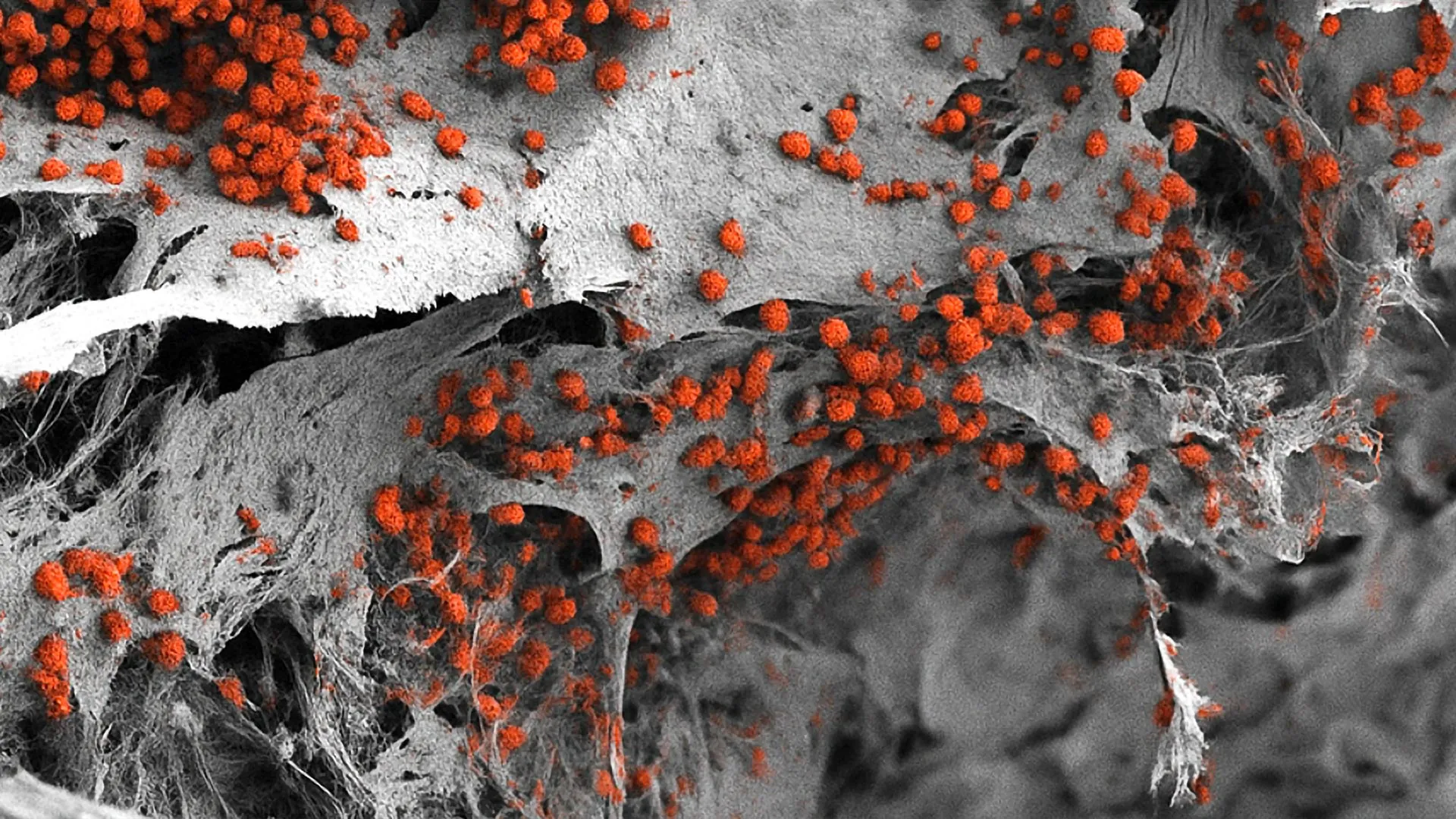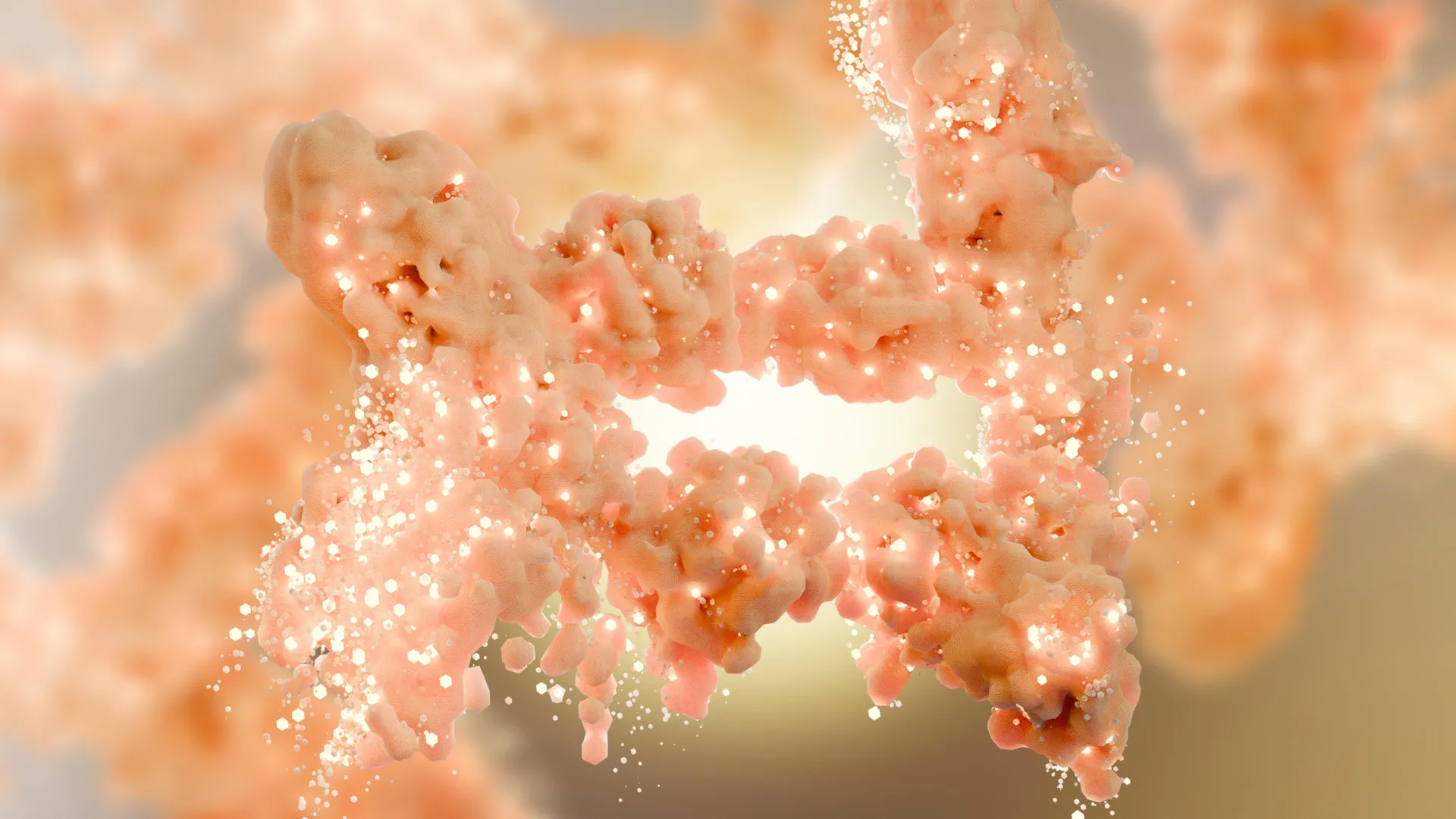
The human bone marrow is a complex, sequestered organ that serves as the primary engine for the body’s circulatory and immune systems, producing approximately 500 billion new blood cells every single day. Despite its fundamental importance to human survival, the marrow remains one of the most difficult tissues to study in its natural state due to its encasement within hard bone and its intricate, multi-cellular architecture. Addressing this long-standing challenge, a collaborative team of researchers from the University of Pennsylvania School of Engineering and Applied Science (Penn Engineering), the Perelman School of Medicine (PSOM), and the Children’s Hospital of Philadelphia (CHOP) has successfully engineered a sophisticated "bone marrow-on-a-chip." This bioengineered platform replicates the physiological environment of human marrow, offering a transformative tool for drug development, cancer research, and even the preparation for long-term human spaceflight.
The Biological Significance of Bone Marrow and the Modeling Crisis
Bone marrow serves as the nursery for hematopoietic stem cells (HSCs), the "mother cells" capable of differentiating into every type of blood cell, including oxygen-transporting erythrocytes (red blood cells), clot-forming platelets, and a diverse array of leukocytes (white blood cells) that constitute the innate and adaptive immune systems. In healthy individuals, this process—known as hematopoiesis—is a finely tuned orchestration of chemical signaling and cellular interaction. However, for patients undergoing intensive medical treatments such as chemotherapy or ionizing radiation for cancer, this delicate ecosystem is often the first to suffer collateral damage.
The destruction of bone marrow leads to myelosuppression, a condition characterized by dangerously low white blood cell counts (neutropenia), which leaves patients susceptible to life-threatening infections. Historically, the medical community has relied heavily on animal models, particularly rodents, to study these effects and test new pharmaceuticals. However, human and murine bone marrow differ significantly in their cellular composition, cytokine signaling, and response to toxicity. These discrepancies often lead to "translational failure," where drugs that appear safe in mice prove toxic to human marrow during clinical trials. The development of a high-fidelity, human-based marrow model represents a critical leap forward in bridging this gap between preclinical research and clinical application.
A Decadal Chronology: From the International Space Station to Earth-Bound Innovation
The genesis of this breakthrough was not found in a traditional clinical setting but rather in the ambitious pursuit of understanding human health in extreme environments. Nearly ten years ago, Dan Huh, a Professor in Bioengineering at Penn, and G. Scott Worthen, an attending physician at CHOP and Professor Emeritus at PSOM, envisioned a project that would take bioengineered human tissues to the International Space Station (ISS). Their goal was to investigate the "immune system’s Achilles’ heel" in space: the observed phenomenon where astronauts on long-duration missions experience weakened immune responses and increased susceptibility to latent viral reactivation.
The research team hypothesized that microgravity and cosmic radiation directly interfere with the bone marrow’s ability to produce functional immune cells. The project faced significant logistical hurdles; an initial attempt to launch the experiment saw the hardware’s flow controller short-circuit during ascent, and a subsequent launch window was shuttered by the global COVID-19 pandemic. Despite these setbacks, the drive to create a space-ready model forced the researchers to innovate in ways that standard laboratory models do not require, specifically in the realms of automation, miniaturization, and long-term tissue stability. These engineering constraints ultimately led to the creation of the most sophisticated marrow-on-a-chip developed to date, a system now poised to change terrestrial medicine.
Technical Architecture: Borrowing Nature’s Recipe for Self-Organization
The Penn-CHOP device is a masterpiece of microfluidic engineering. Contained within a small plastic chip are specially designed chambers filled with a synthetic hydrogel that mimics the extracellular matrix of the marrow. The team populated this scaffold with three essential "ingredients": hematopoietic stem cells (HSCs), endothelial cells (which form blood vessel walls), and mesenchymal cells (which provide structural and connective support).
Rather than attempting to manually arrange these cells into a rigid structure, the researchers utilized a design principle based on embryonic development. In the human embryo, bone marrow does not grow into a pre-defined mold; instead, various cell types "self-organize" in response to biochemical cues and mechanical signals. By creating the "right" environment within the chip, the researchers allowed the cells to autonomously assemble into colonies of stem cells interwoven with a dense network of engineered capillary blood vessels. This "self-assembly" approach resulted in a living tissue that not only looks like marrow but functions like it, producing human blood cells and releasing them into a flowing culture medium that mimics the bloodstream.
Multi-Organ Interaction: Modeling the Innate Immune Response
One of the most significant achievements detailed in the team’s publication in the journal Cell Stem Cell is the demonstration of "organ-on-a-chip" interconnectivity. The researchers successfully linked the bone marrow chip to a model of a bacteria-infected human lung. This setup allowed them to observe, for the first time in an artificial system, the complex biochemical "crosstalk" that occurs during a systemic immune response.
When the lung model detected a bacterial threat, it released inflammatory signals that traveled through the engineered vascular system to the bone marrow chip. In response, the marrow chip accelerated the production and release of neutrophils—the body’s first-responder white blood cells. These cells then trafficked through the fluidic channels, entered the infected lung tissue, and began the process of engulfing and neutralizing the bacteria. This level of systemic emulation is unprecedented and provides a powerful platform for studying sepsis, chronic inflammatory diseases, and the efficacy of immunotherapy.
Clinical and Economic Implications for the Pharmaceutical Industry
The economic impact of this technology is potentially vast. The pharmaceutical industry currently spends billions of dollars and years of research on drug candidates that ultimately fail in late-stage clinical trials due to unforeseen bone marrow toxicity. By enabling automated, high-throughput preclinical screening, the marrow-on-a-chip allows researchers to identify toxic compounds much earlier in the development cycle.
Andrei Georgescu, a former doctoral student in Huh’s lab and now CEO of the startup Vivodyne, is leading the effort to commercialize this technology. By automating the production and maintenance of these chips, Vivodyne aims to provide a platform where thousands of drug variants can be tested simultaneously on living human tissue. This could significantly reduce the cost of drug development and, more importantly, increase the safety of new treatments entering the market.
Furthermore, the chip provides a controlled environment for studying the side effects of radiotherapy. Cancer patients often face a "balancing act" where doctors must weigh the dose of radiation needed to kill a tumor against the dose that will permanently deplete the patient’s bone marrow. The marrow-on-a-chip allows for personalized testing, potentially enabling clinicians to predict how a specific patient’s marrow will respond to a given treatment regimen.
The Future of Cell Therapy and the "Holy Grail" of HSC Maintenance
Beyond drug testing, the platform offers a new frontier in cell therapy. Hematopoietic stem cell transplantation is a curative treatment for various blood cancers and genetic disorders, yet it remains limited by the difficulty of harvesting and maintaining high-quality stem cells. Currently, HSCs isolated from donors are difficult to expand in a laboratory setting without them losing their "stemness" or ability to differentiate.
The Penn-CHOP team found that their marrow chip provides an environment conducive to maintaining these precious stem and progenitor cells for extended periods. This opens the door to using the chip as a "bioreactor" to expand a small sample of donor cells into a large enough population for transplantation, potentially reducing the need for invasive and painful marrow extraction procedures.
Space Exploration and the Protection of Astronauts
As NASA and private entities prepare for manned missions to Mars, the health of the human immune system in deep space remains a primary concern. The marrow-on-a-chip will finally allow scientists to conduct the experiments originally intended for the ISS. By exposing these chips to simulated microgravity and high-energy radiation, researchers can develop pharmacological "countermeasures" to protect astronauts’ immune systems during multi-year journeys.
The study, supported by the National Institutes of Health, the National Science Foundation, and the Paul G. Allen Foundation, represents a milestone in bioengineering. By moving away from static 2D cultures and inaccurate animal models, the Penn and CHOP researchers have provided a window into the "hidden" world of the bone marrow. As this technology matures, it promises to usher in an era of more precise, humane, and effective medical research, bridging the gap between the laboratory bench and the patient’s bedside—and even the stars.