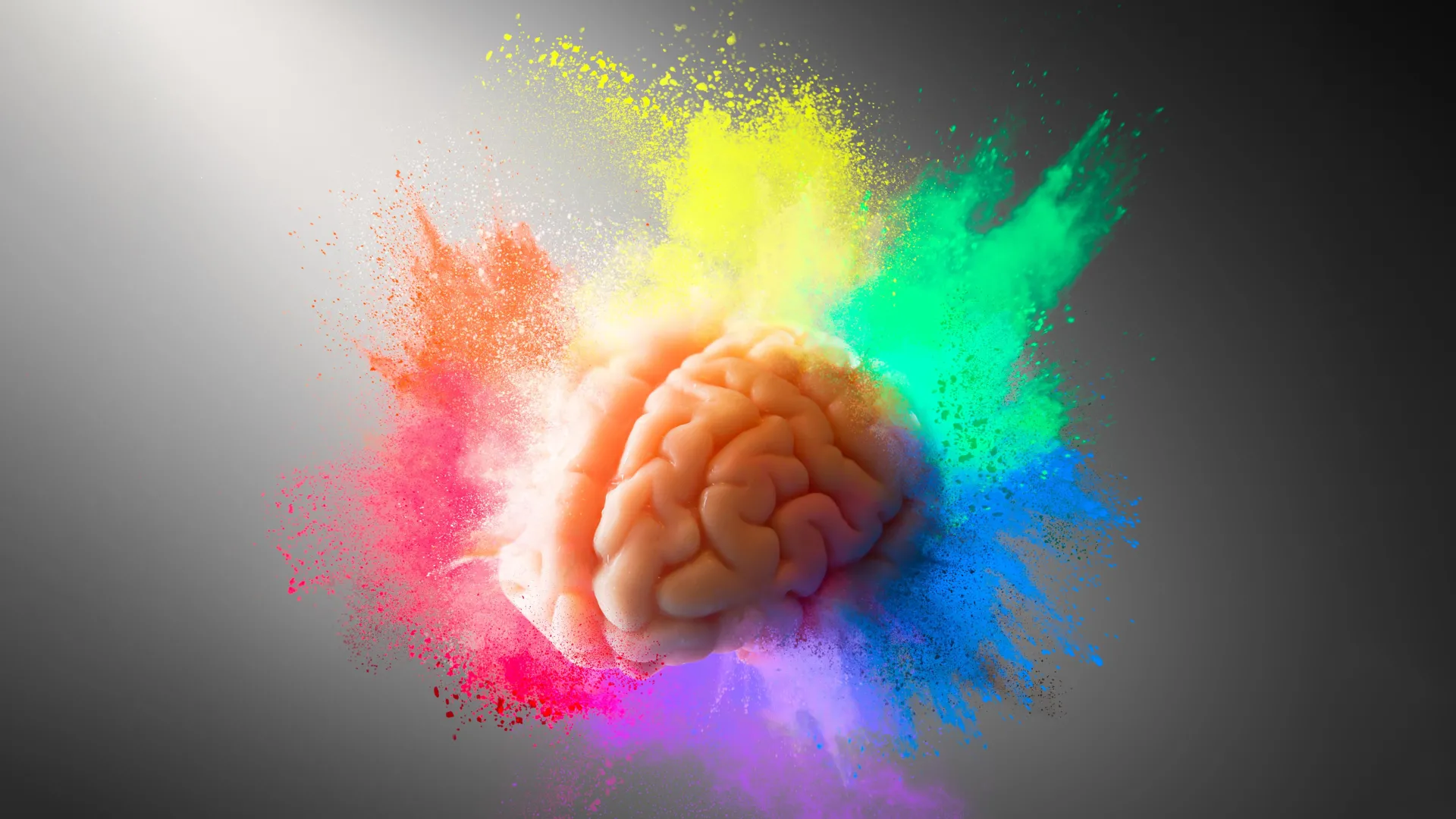
Attention-Deficit/Hyperactivity Disorder (ADHD) has long been framed within the clinical literature as a pathology of deficit, characterized by an individual’s struggle to maintain sustained focus, regulate impulses, and manage executive functions. For the approximately 8% of children worldwide who navigate this diagnosis, the traditional educational and professional environments often present significant hurdles. However, a groundbreaking study published in the journal iScience by neuroscientist Dr. Radwa Khalil of Constructor University suggests that the neurological architecture underlying ADHD is not merely a collection of shortcomings, but a potential engine for divergent, high-level creative thinking.
By examining the intersection of neural networks responsible for attentional control and those governing creative output, Dr. Khalil and her team of collaborators from prominent French research institutions have challenged the binary view of ADHD as a purely disabling condition. This research marks a pivotal shift in the neuroscientific community, moving away from the "deficit-only" model toward a more nuanced understanding of neurodiversity.
The Neurological Framework: A Wider Spotlight
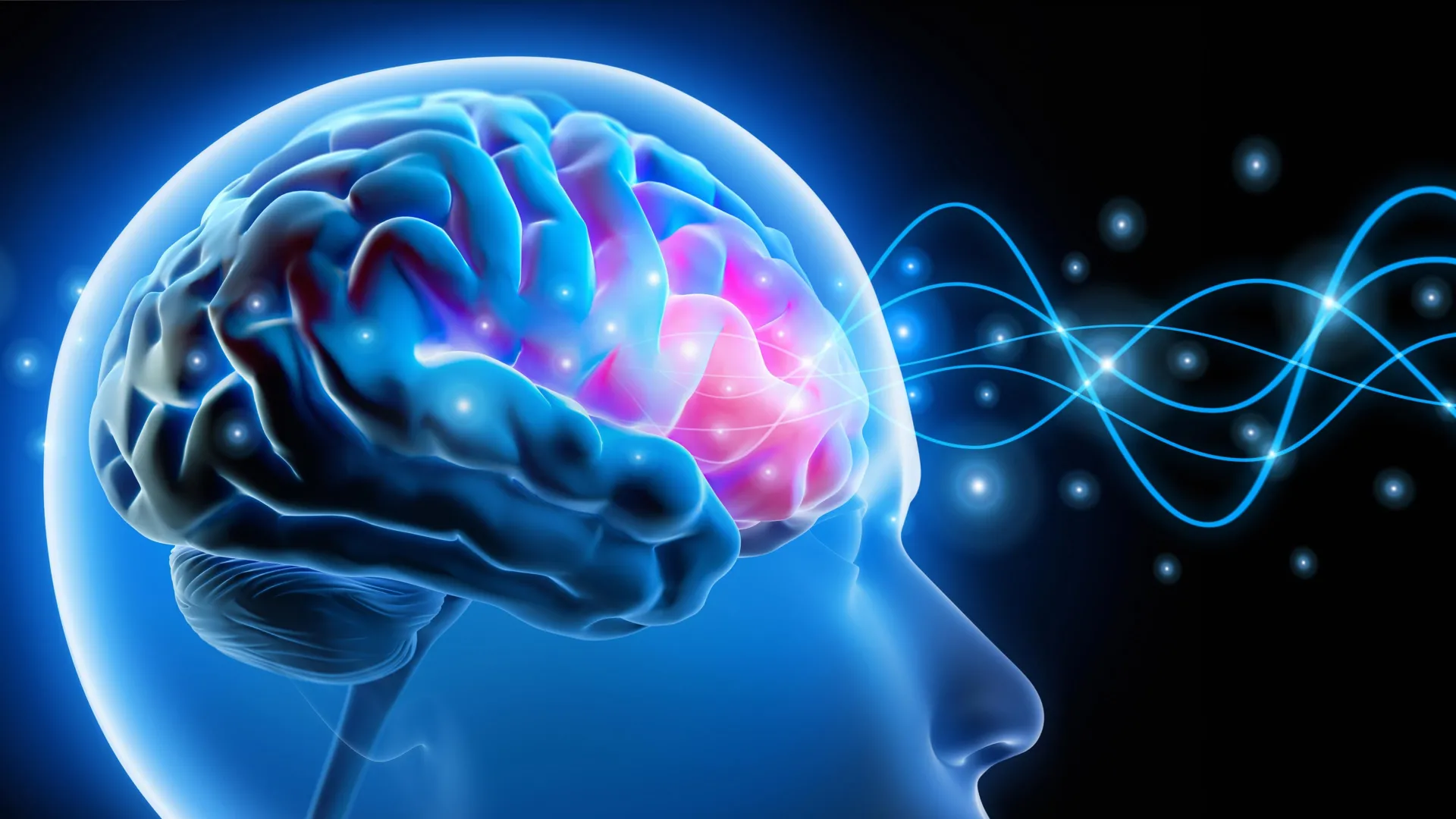
At the core of the research is a metaphor that has gained traction in neurobiology: the "spotlight" of attention. In neurotypical individuals, the attentional mechanism functions much like a narrow, high-intensity beam directed at a single point of data. This allows for the linear processing required for tasks such as reading, filing reports, or adhering to rigid schedules.
Conversely, the ADHD brain operates with a significantly wider, more diffuse spotlight. While this "defocused attention" frequently results in the distractibility and task-switching difficulties that define the clinical diagnosis, it simultaneously allows the brain to capture a broader array of sensory and cognitive input. According to Dr. Khalil’s study, titled Attention Unleashed: creative therapy for thoughtful transformation, this expanded field of awareness facilitates a cognitive process known as free-associative thought.
When the brain is not tethered to a single, narrow point of focus, it is more capable of making unexpected connections between disparate concepts. This is the physiological bedrock of creativity. Throughout history, individuals with ADHD-like traits—ranging from world-class athletes like Simone Biles to cultural icons such as Justin Timberlake—have demonstrated that this capacity for "out-of-the-box" thinking is often a byproduct of the very neural patterns that make traditional classroom environments so challenging.
A Chronology of Clinical Perception
To understand the magnitude of this research, one must look at the evolution of ADHD diagnostics over the past half-century. In the 1970s and 80s, the diagnosis was largely restricted to children exhibiting extreme physical hyperactivity, with little regard for the "inattentive" presentation that characterizes many adult cases today.
- 1990s: The rise of pharmacological interventions, primarily stimulants like methylphenidate, became the gold standard. While effective at narrowing the "spotlight" for millions, these interventions were often criticized for prioritizing academic and professional compliance over the long-term cognitive development of the individual.
- 2010s: A growing body of research began to highlight the "ADHD advantage," particularly in fields like entrepreneurship, creative arts, and crisis management, where rapid, non-linear decision-making is a professional asset.
- 2024: The publication of Dr. Khalil’s research represents a potential turning point. By shifting the focus from "fixing" the ADHD brain to "directing" its natural tendencies, the study proposes a synthesis of clinical neurology and therapeutic intervention.
Empirical Data and Global Prevalence
The implications of this study are vast, particularly when considering the global scope of the disorder. According to data from the World Health Organization and the Centers for Disease Control and Prevention (CDC), ADHD prevalence rates have remained relatively stable but are increasingly recognized in adult populations. The economic and social cost of untreated or poorly managed ADHD is significant, encompassing lost productivity, higher rates of unemployment, and increased utilization of emergency mental health services.
Dr. Khalil’s research suggests that by integrating non-pharmacological interventions—specifically art, music, and dance therapies—into the treatment plan for ADHD, clinicians could provide a structural outlet for "defocused attention." Preliminary data from the study indicate that when children with ADHD engage in creative, open-ended tasks, the neural circuits responsible for executive control are not just utilized; they are conditioned. Effectively, the research posits that creative expression serves as a form of "cognitive gym," strengthening the very networks that ADHD patients are traditionally told are "broken."
Official Responses and Academic Reception
The academic community has received the findings with a mix of cautious optimism and intense interest. Dr. Julian Vane, an independent neurobiologist not involved in the study, noted that "the strength of Khalil’s work lies in its interdisciplinary nature. By bridging the gap between neuroimaging and the humanities—specifically art therapy—the research provides a roadmap for a new era of personalized medicine."
However, critics and some clinical practitioners emphasize that creativity cannot be viewed as a panacea. "While the connection between defocused attention and creativity is scientifically sound, we must be careful not to romanticize ADHD," warned Dr. Elena Rossi, a child psychologist. "For many, the struggles with executive function are debilitating and require a multi-modal approach. Creativity can be a powerful tool, but it should be viewed as a complement to, not a replacement for, evidence-based treatments."
Implications for Future Educational and Clinical Models
The study calls for a radical rethinking of how ADHD is treated in schools and workplaces. Currently, most educational environments are designed to punish the very traits that the study identifies as creative strengths. For instance, the constant redirection of a child who is "mind-wandering" might actually be interrupting a moment of high-level associative synthesis.
If the educational system were to pivot toward a model that encourages "structured exploration," the results could be transformative. This would involve:
- Integrative Curriculum Design: Incorporating creative problem-solving sessions that reward divergent thinking rather than just linear accuracy.
- Adaptive Therapy Protocols: Using art and music therapy as a primary, rather than secondary, treatment to help children with ADHD learn to modulate their own focus.
- Longitudinal Monitoring: The study explicitly calls for long-term research to determine how these creative interventions impact brain plasticity over a period of years, rather than months.
A New Frontier: The Interdisciplinary Foundation
The path forward, as outlined by Dr. Khalil, requires a departure from siloed research. To fully harness the creative potential of the neurodivergent brain, the medical community must foster deeper collaboration between neuroscientists, art therapists, educators, and clinicians.
The goal is not to eradicate the "wider spotlight" of the ADHD brain, but to teach the individual how to wield it. If the brain is indeed a system that can be trained through directed, creative action, then the next generation of ADHD treatment may look less like a prescription pad and more like an artist’s studio.
As the study concludes, the distinction between a "deficit" and a "difference" often lies in the environment. By providing the right structure, society may find that what it previously labeled as a pathology is actually a fundamental component of human innovation. The work of Dr. Khalil and her team serves as an invitation to the scientific community to stop asking what is "missing" in the ADHD brain, and start exploring the vast, untapped potential of what is already there. Future research will be critical in determining the scalability of these findings, but for now, the conversation has fundamentally shifted. The "defocused" mind is finally being recognized not as a broken light, but as a lens capable of capturing a wider, more vibrant picture of the world.