Long before the advent of synthetic polymers and the modern global plastics crisis, microorganisms were perfecting the chemistry of biodegradable materials. Bacteria and archaea have evolved to produce complex compounds known as polyhydroxyalkanoates (PHAs), which serve as essential intracellular reserves of carbon and energy. While these substances have gained significant attention in recent years as a sustainable alternative to conventional, petroleum-based plastics, a transformative study from the Max Planck Institute for Marine Microbiology in Bremen, Germany, has fundamentally altered our scientific understanding of how these materials circulate through the biosphere. Researchers have discovered that the ability to degrade these natural bioplastics is not restricted to microbes; rather, a vast array of animals—from marine worms and sponges to earthworms—possess the enzymatic machinery to consume and metabolize them.
A Scientific Shift in Perspective
For decades, the prevailing consensus in microbiology and ecology was that the breakdown of PHAs was an exclusively microbial process. Scientists believed that only bacteria and fungi secreted the specific depolymerase enzymes necessary to dismantle the complex PHA molecules back into simpler carbon units. However, the findings published in the journal Nature Ecology & Evolution suggest that this paradigm was incomplete. By identifying PHA-degrading enzymes in at least 66 different animal species across nine distinct phyla, the Max Planck team has uncovered a previously unrecognized pathway through which carbon is cycled from microbial stores into the broader animal kingdom. This revelation implies that animals have been feeding on nature’s original bioplastic for hundreds of millions of years, a biological relationship that has remained invisible until now.
The Discovery: The Gutless Worm as a Catalyst
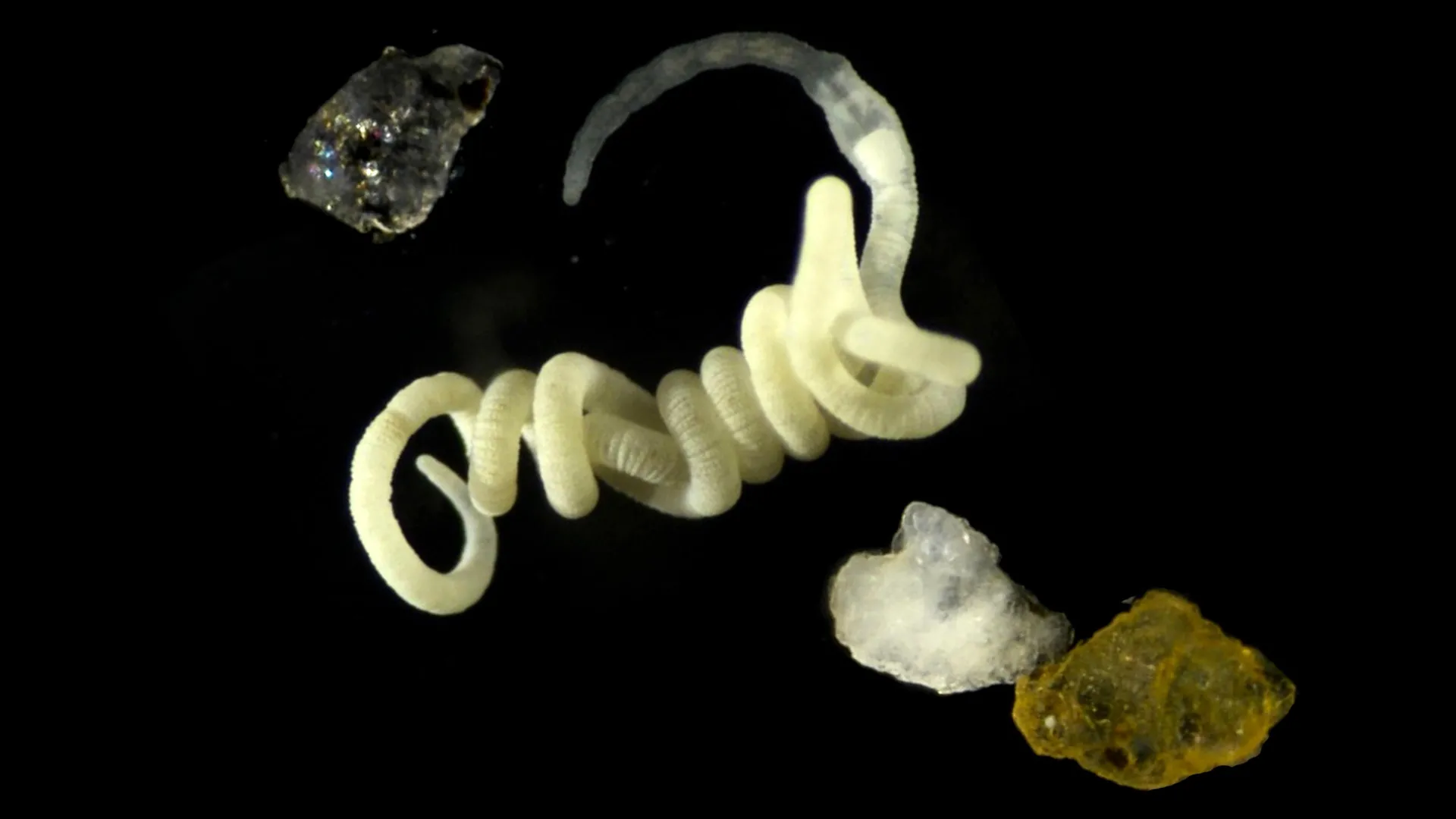
The investigation was sparked by an examination of Olavius algarvensis, a peculiar marine worm found in the sediments of the Mediterranean Sea. This organism is a biological anomaly; it lacks a mouth, a gut, and an anus. Instead, it relies entirely on a complex consortium of symbiotic bacteria that reside beneath its skin. The worm facilitates these symbionts, and in return, it digests them as its primary source of nutrition.
Nicole Dubilier, Director at the Max Planck Institute and lead author of the study, noted that the team observed one specific bacterial symbiont accumulating massive internal reserves of PHA. The core scientific question became: Could the worm extract energy from these microbial stores directly? Subsequent genomic and proteomic analyses confirmed that the worm possesses a specific enzyme capable of breaking down PHAs into metabolizable molecules. High-resolution imaging provided the "smoking gun," showing the enzyme localized precisely where the worm digests its bacterial partners. This confirmed that O. algarvensis had evolved an elegant biological mechanism to tap into its own symbionts’ energy reserves, essentially turning a microbial storage unit into a private larder.
Scaling the Findings: A Widespread Capability
Once the researchers confirmed this mechanism in the marine worm, they expanded their scope to investigate whether this trait was unique to a highly specialized organism or a more fundamental feature of animal biology. The team scanned genomic databases to identify orthologous genes—genes in different species that evolved from a common ancestral gene—associated with PHA degradation.
The results were unexpected. Enzymes with the capacity to break down microbial bioplastics were identified across a diverse taxonomic spectrum, including sponges, earthworms, and springtails. Laboratory experiments validated these genomic predictions, confirming that enzymes extracted from these distantly related animals were indeed functional in degrading PHAs. Caroline Zeidler, the study’s first author, emphasized the magnitude of this discovery, noting that what appeared to be an evolutionary quirk in a single marine worm is, in fact, a widespread capability shared by animals separated by vast evolutionary distances. This suggests that the ability to digest PHAs may be an ancient trait, conserved throughout the evolution of many animal lineages.
The Industrial Context: PHA as a Sustainable Future
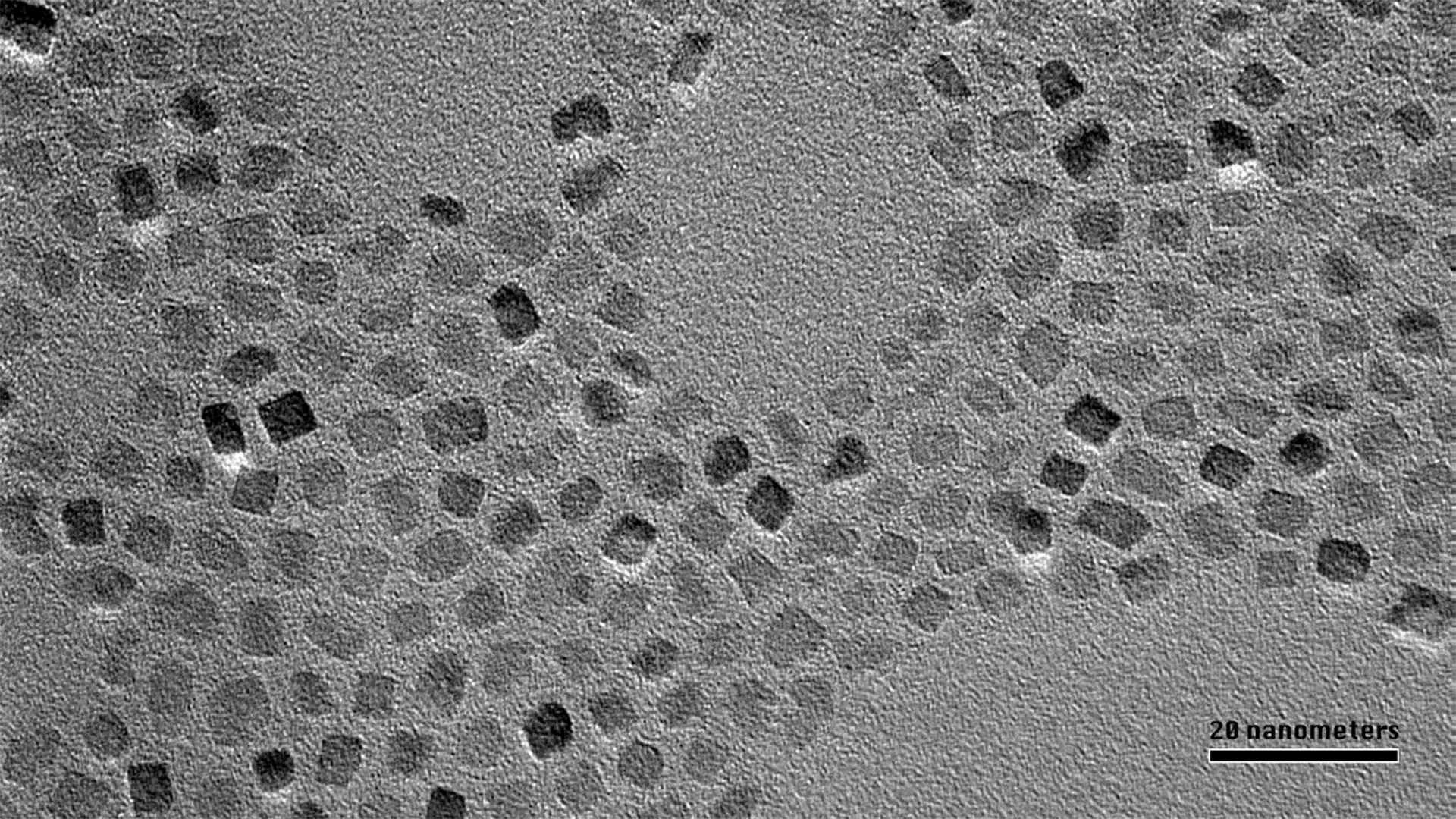
To understand the significance of this discovery, one must consider the industrial role of PHAs. In a controlled, carbon-rich environment, bacteria can be incentivized to produce large quantities of these polymers within fermentation tanks. When processed, these compounds function as highly versatile, biocompatible, and biodegradable materials.
Unlike conventional plastics, which persist in the environment for centuries, PHA-based plastics are designed for biological circularity. Currently, they are utilized in a variety of sectors:
- Agriculture: PHA beads are used to encapsulate fertilizers, allowing for a slow, controlled release of nutrients into the soil as the plastic degrades.
- Medicine: Due to their biocompatibility, they are used for resorbable sutures, drug delivery systems, and temporary medical implants that dissolve harmlessly inside the human body.
- Consumer Goods: While they currently represent a small percentage of the global bioplastics market, their application in food packaging and hygiene products is expanding as regulatory pressures mount against single-use plastics.
The finding that animals naturally possess the enzymatic tools to degrade these materials adds a new layer of complexity to the life-cycle assessment of bioplastics. It confirms that if these materials enter natural ecosystems—whether via agricultural runoff or accidental leakage—they are not only subject to microbial decomposition but may also enter the digestive tracts of a wide range of fauna.
Implications for the Global Carbon Cycle
The discovery necessitates a reevaluation of how carbon is processed within marine and terrestrial ecosystems. If animals are actively consuming microbial PHA stores, this represents a previously unquantified flux of carbon. Historically, carbon stored by microbes was thought to be accessible only to other microbes or released back into the environment upon the death of the cell. If animals are directly tapping into these reserves, it suggests that the "microbial loop" in ecology is more interconnected with higher-order consumers than previously suspected.
Maggie Sogin, co-corresponding author and Assistant Professor at the University of California, Merced, highlighted that this research fundamentally shifts the understanding of microbial carbon stores. "Animals have probably been feeding on nature’s original bioplastic for hundreds of millions of years," she stated. While the researchers acknowledge that the total contribution of this pathway to the global carbon cycle remains unknown, the discovery opens a new frontier in ecological research.
Future Directions and Environmental Analysis
The scientific community is now faced with several key questions. First, how do these enzymes function in the context of human-made bioplastics? While these enzymes are evolved to process natural microbial PHAs, there is a potential for them to influence the degradation rates of synthetic, bio-based polymers in the wild. Second, how does the presence of these enzymes influence the evolutionary fitness of the animals that possess them? The ability to access an energy-dense, "emergency" store of carbon during periods of scarcity could provide a distinct competitive advantage in nutrient-poor environments.
The study also underscores the critical importance of foundational research into "unusual" organisms. By studying a gutless worm that deviates from standard vertebrate physiology, the Max Planck team revealed a mechanism that has likely been operating unnoticed for millions of years. This reinforces the necessity of maintaining biodiversity and studying non-model organisms; such research often serves as the key to unlocking biological secrets that have profound implications for our understanding of environmental health, climate change, and the future of sustainable material science.
As the global demand for biodegradable materials continues to rise, the interaction between these bioplastics and the natural world will require more rigorous study. This discovery serves as a reminder that the environment is rarely as static as it appears, and that the "circularity" of our materials is often already mirrored by the complex, hidden biological processes that have sustained life on Earth since long before the first industrial factory was built.