Glioblastoma multiforme (GBM) remains one of the most formidable challenges in modern oncology, characterized by its rapid progression and an almost universal tendency to infiltrate surrounding healthy brain tissue. For decades, researchers have scrutinized the genetic mutations and chemical signaling pathways that fuel this malignancy. However, a groundbreaking study conducted by researchers at Chongqing General Hospital and Chongqing University has shifted the paradigm, revealing that the physical environment of the tumor—specifically the viscosity of the interstitial fluid—plays a decisive, active role in transforming cancer cells into highly invasive entities.
Published in the journal Microsystems & Nanoengineering, the research demonstrates that the fluid surrounding the periphery of a glioblastoma tumor is significantly more viscous than the fluid near its necrotic, dead center. This high-viscosity environment does not merely act as a barrier to tumor growth; rather, it functions as a biological catalyst that forces cancer cells to adapt, resulting in a more aggressive, flexible, and motile phenotype.
The Mechanical Landscape of the Tumor Microenvironment
To understand the severity of glioblastoma, one must look at the tumor microenvironment (TME). Traditionally, oncological research has prioritized "stiffness"—the mechanical resistance of the extracellular matrix—and chemical gradients. Yet, fluid viscosity, the "thickness" of the fluid through which cells migrate, has remained a largely overlooked variable.
In the case of glioblastoma, the disparity in viscosity is stark. Data indicates that the fluid at the advancing, invasive edge of a tumor is approximately eight times more viscous than the fluid found within the core. This gradient presents a formidable mechanical challenge. In standard biological contexts, an increase in viscosity would typically be expected to retard cellular motility, acting as a frictional brake. However, the Chongqing research team discovered that glioblastoma cells possess a sophisticated "mechanical memory" that allows them to turn this resistance into an advantage.
Chronology of the Investigation: From Limitation to Innovation
The study’s success was predicated on the development of a novel experimental apparatus. Conventional microfluidic devices, which are typically enclosed, have historically struggled to isolate the effects of viscosity from other variables. Enclosed channels often restrict the diffusion of essential oxygen and nutrients, creating a metabolic stress that can confound results. Furthermore, the friction generated against the walls of these tiny channels introduces artificial mechanical forces that do not exist in the human brain.
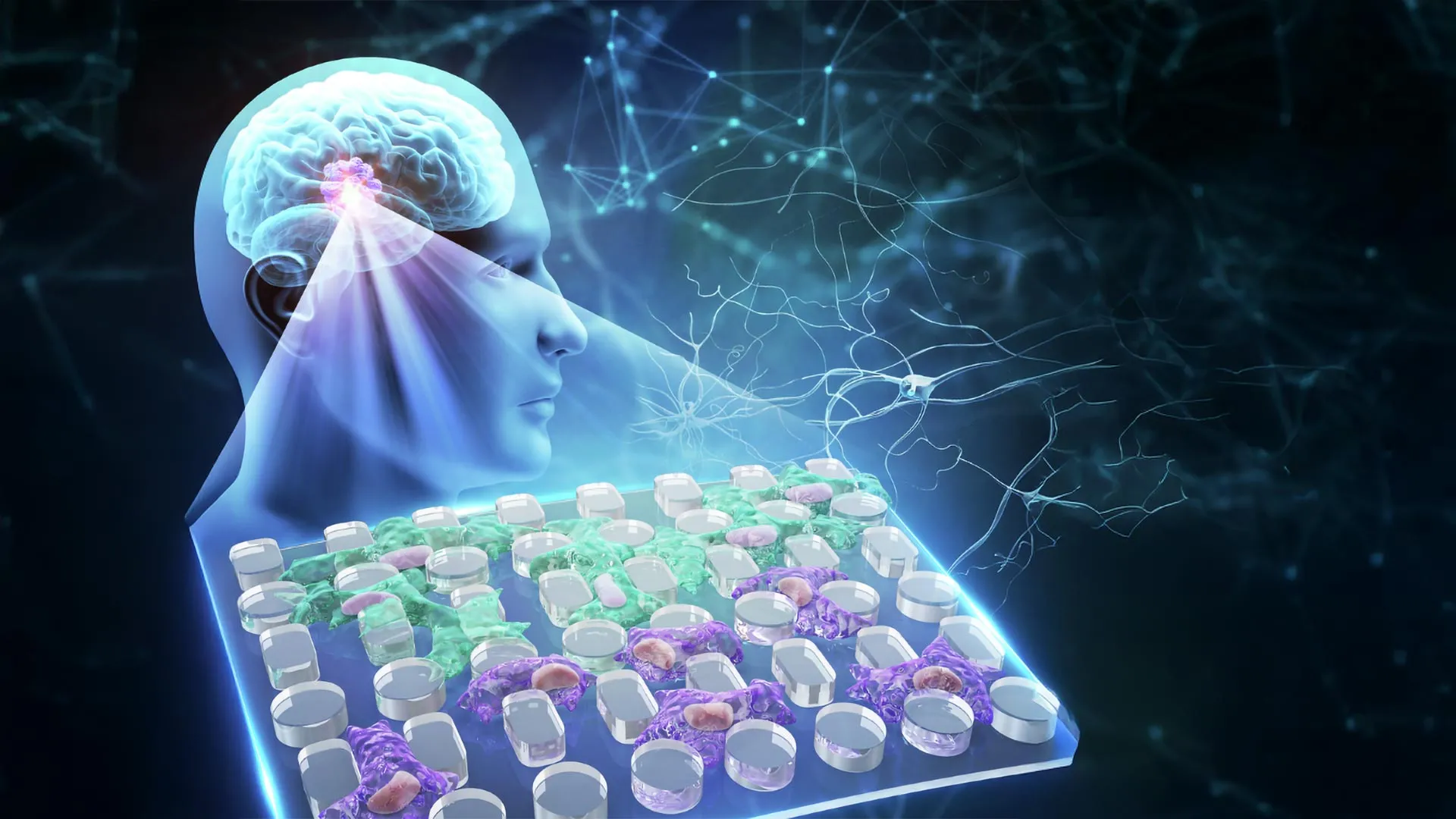
To overcome these hurdles, the research team engineered an open microfluidic platform. This device, featuring a removable cap and an array of microscopic pillars, mimics the physiological conditions of the brain while allowing for long-term cell culture. Over a period of one month, the researchers cultivated two human glioblastoma cell lines—U-251 and LN-229—within a fluid medium calibrated to a viscosity of 7.1 cP (centipoise), representing the environment at the tumor’s invasive front.
The timeline of the experiment allowed for a rare longitudinal observation. By the end of the 30-day incubation period, the researchers observed a profound transformation. Unlike control groups kept in standard, lower-viscosity media, the cells exposed to the high-viscosity environment demonstrated a significant increase in both speed and migration distance once released into experimental chambers.
Cellular Reconfiguration and the Role of YAP Signaling
The physical transformation of these cells was both measurable and drastic. Under high-viscosity conditions, the cells became smaller and more malleable. This increased deformability allowed them to navigate through narrow gaps between the micro-pillars with unprecedented efficiency.
Central to this adaptation is the protein YAP (Yes-associated protein), a key mechanotransducer in the cell. The researchers observed an accumulation of YAP within the nuclei of the glioblastoma cells. This nuclear localization is a well-established marker of cellular response to mechanical stress. By sensing the resistance of the viscous fluid, the cells initiated a signaling cascade that recalibrated their internal structure, effectively "learning" how to move through dense environments.
Interestingly, the molecular pathways behind this transformation differed between the two cell lines. The U-251 line underwent a process akin to mesenchymal-like reprogramming, upregulating genes directly associated with invasion, such as CD44, FN1, and MMP9. In contrast, the LN-229 line achieved similar gains in mobility without the same drastic shift in gene expression, suggesting that glioblastoma cells may possess multiple, redundant pathways to adapt to mechanical pressures.
Implications of Mechanical Memory
Perhaps the most startling finding of the study is the concept of "mechanical memory." The researchers discovered that the adaptations gained by the cells were not merely transient responses to their immediate surroundings. When the cells were moved back into a fluid with normal, lower viscosity, they retained their enhanced speed and flexibility.
This indicates that the physical environment can leave a lasting imprint on the cellular machinery. If these findings are validated in human clinical settings, they suggest that once a glioblastoma cell is "trained" by the viscous environment of the tumor edge, it becomes permanently primed for invasion, even if it enters a region of the brain with lower viscosity. This permanent alteration complicates potential treatment strategies, as the "memory" of the tumor’s previous environment may drive continued metastasis.
Future Directions for Cancer Therapeutics
The implications for clinical oncology are substantial. The open-platform microfluidic device developed for this study is highly adaptable and can be integrated into standard multi-well laboratory plates. This opens the door for high-throughput drug screening, specifically targeting the mechanical pathways that allow glioblastoma to thrive.
"Targeting the YAP signaling pathway or the cytoskeleton directly may provide a new therapeutic angle," noted one of the researchers associated with the project. By focusing on how cells detect and respond to physical forces, clinicians might eventually be able to "blind" the cancer cells to the viscosity of their environment, effectively neutralizing their ability to navigate the brain’s architecture.
Furthermore, this research provides a roadmap for studying other highly invasive cancers, such as pancreatic or breast cancer, where the physical properties of the tumor microenvironment are also known to vary. By isolating mechanical variables, scientists can better identify patients who may be at higher risk for rapid tumor spread due to the specific mechanical conditions of their malignancy.
A New Frontier in Oncology
While the current findings are laboratory-based, they underscore a critical shift in how we perceive the progression of brain cancer. The transition from viewing the tumor as a static genetic entity to an active, adaptive participant in a complex physical environment represents a significant leap forward.
The research received robust backing from several prestigious institutions, including the Chongqing Research Center for Glioma Precision Medicine and the Chongqing Key Laboratory of Neurodegenerative Diseases. Funding from the National Natural Science Foundation of China, along with various provincial and regional grants, underscores the high priority placed on deciphering the mechanical drivers of disease.
As the scientific community continues to digest these results, the focus will likely turn toward validating these observations in vivo. If the "mechanical memory" identified in these cells holds true in the clinical environment, it could fundamentally alter the timeline and strategy of glioblastoma treatment. By addressing the physical, as well as the genetic, roots of cancer invasion, researchers are moving closer to curbing one of the most aggressive and elusive diseases known to modern medicine. The discovery is not merely a technical advancement in microfluidics; it is a fundamental challenge to the way we understand the mechanics of life and death within the human brain.