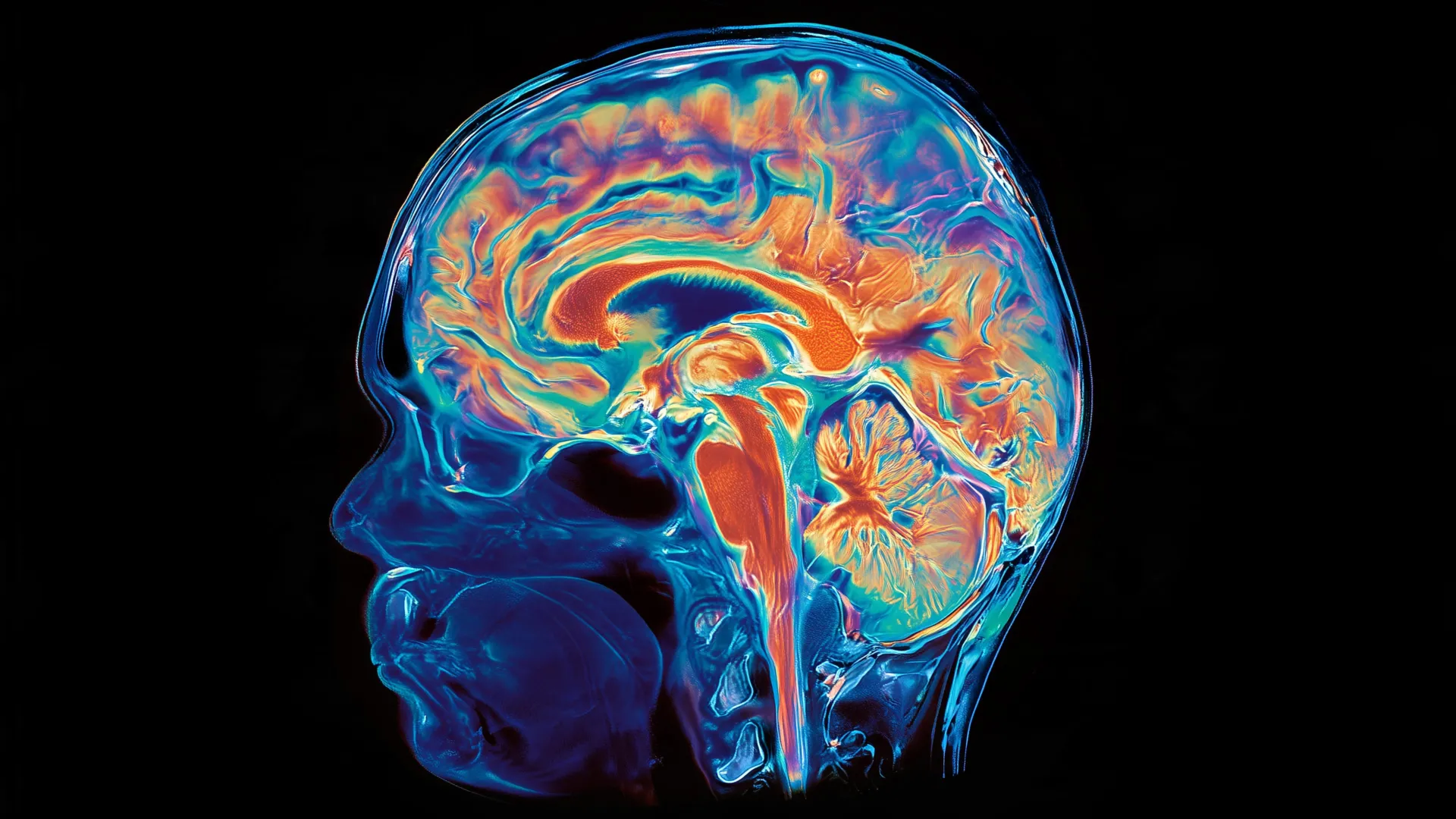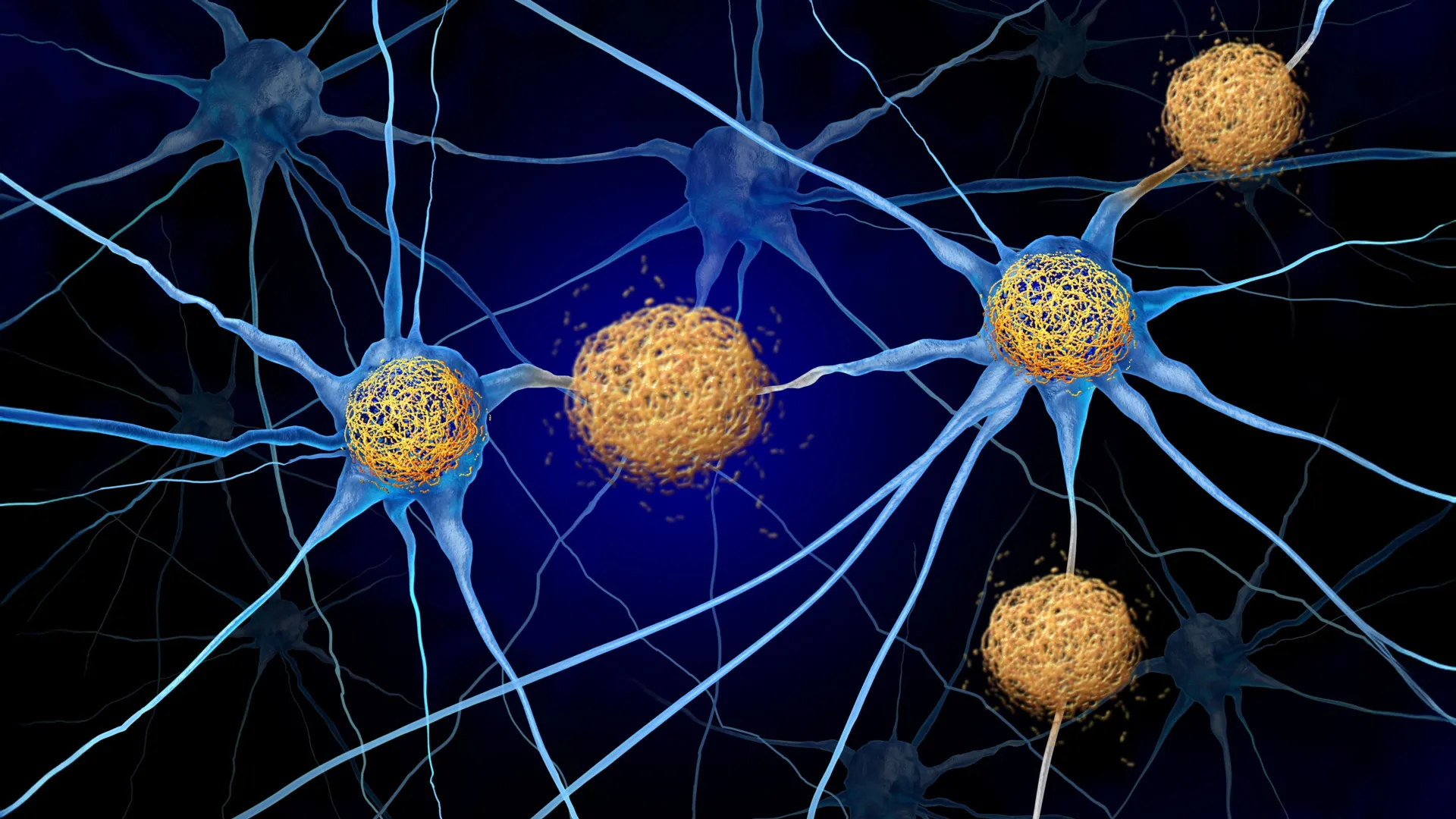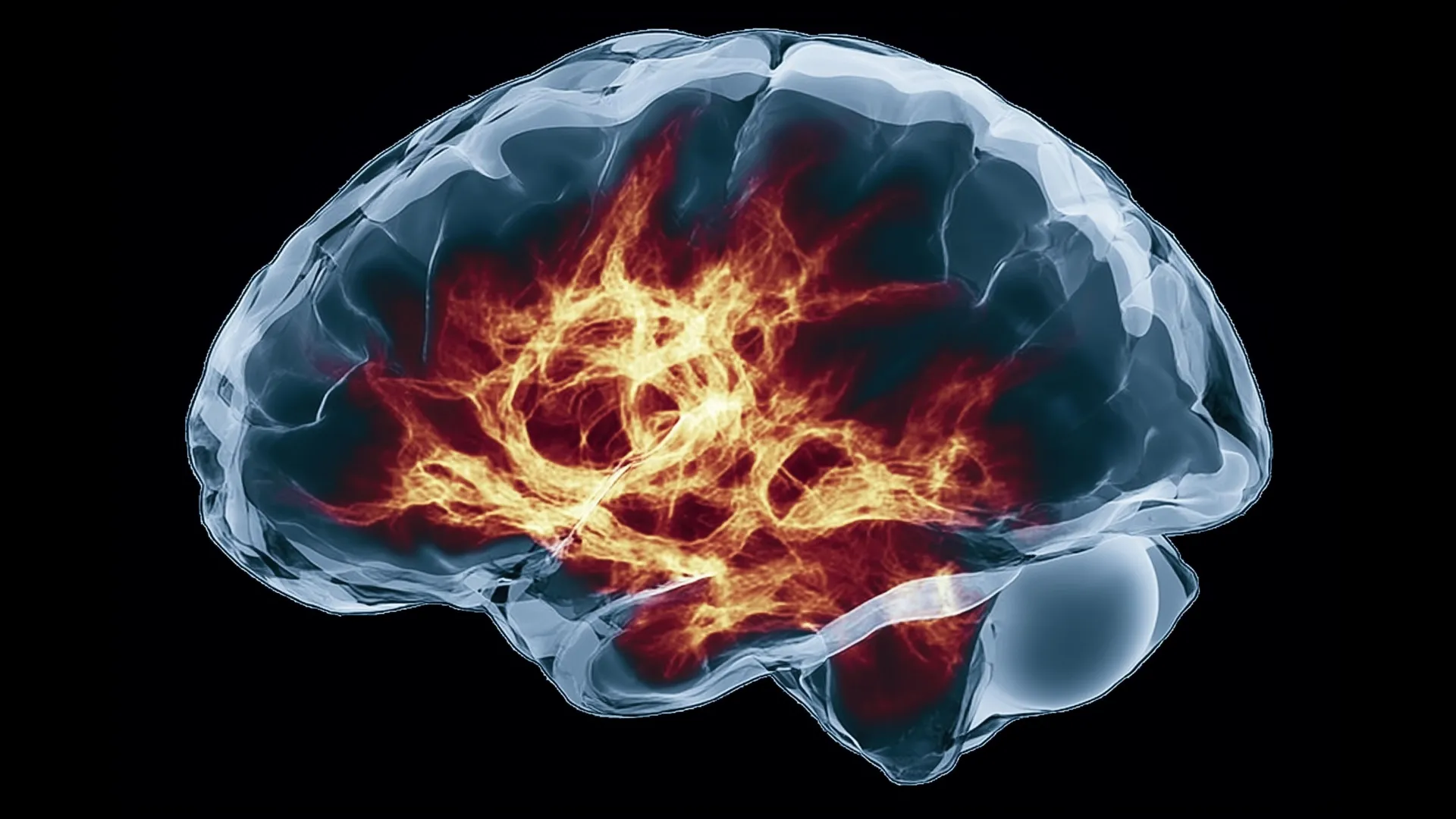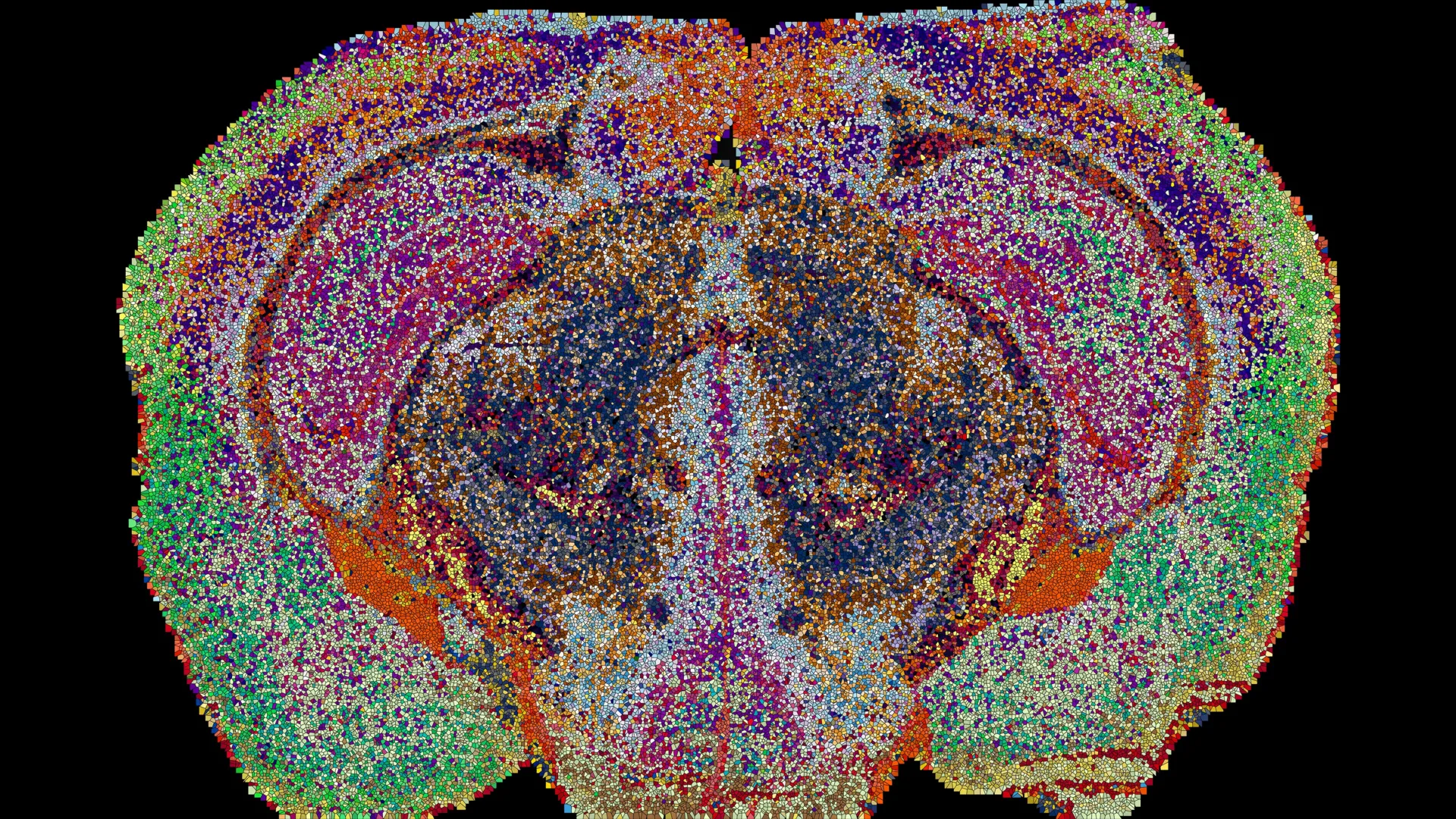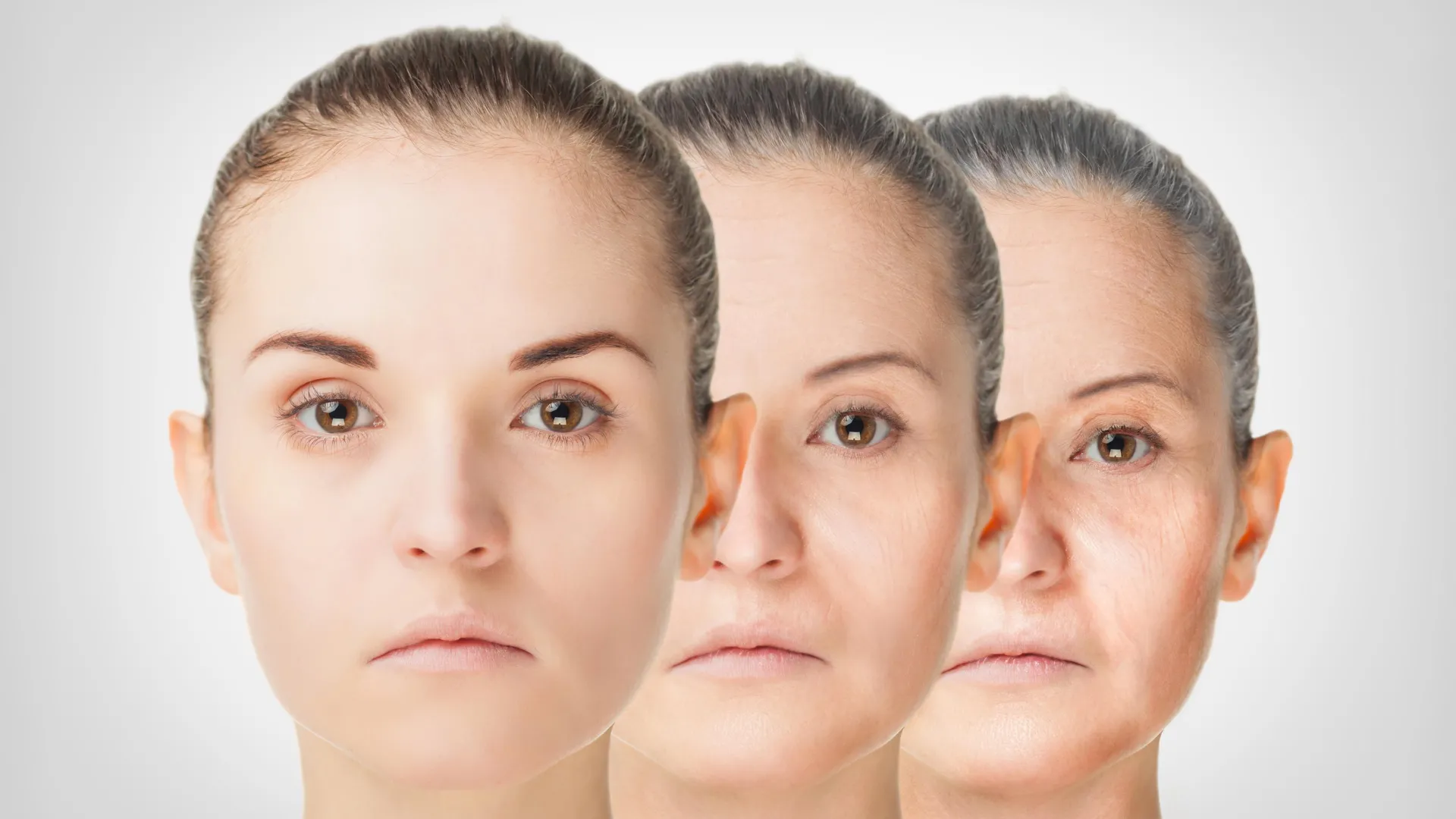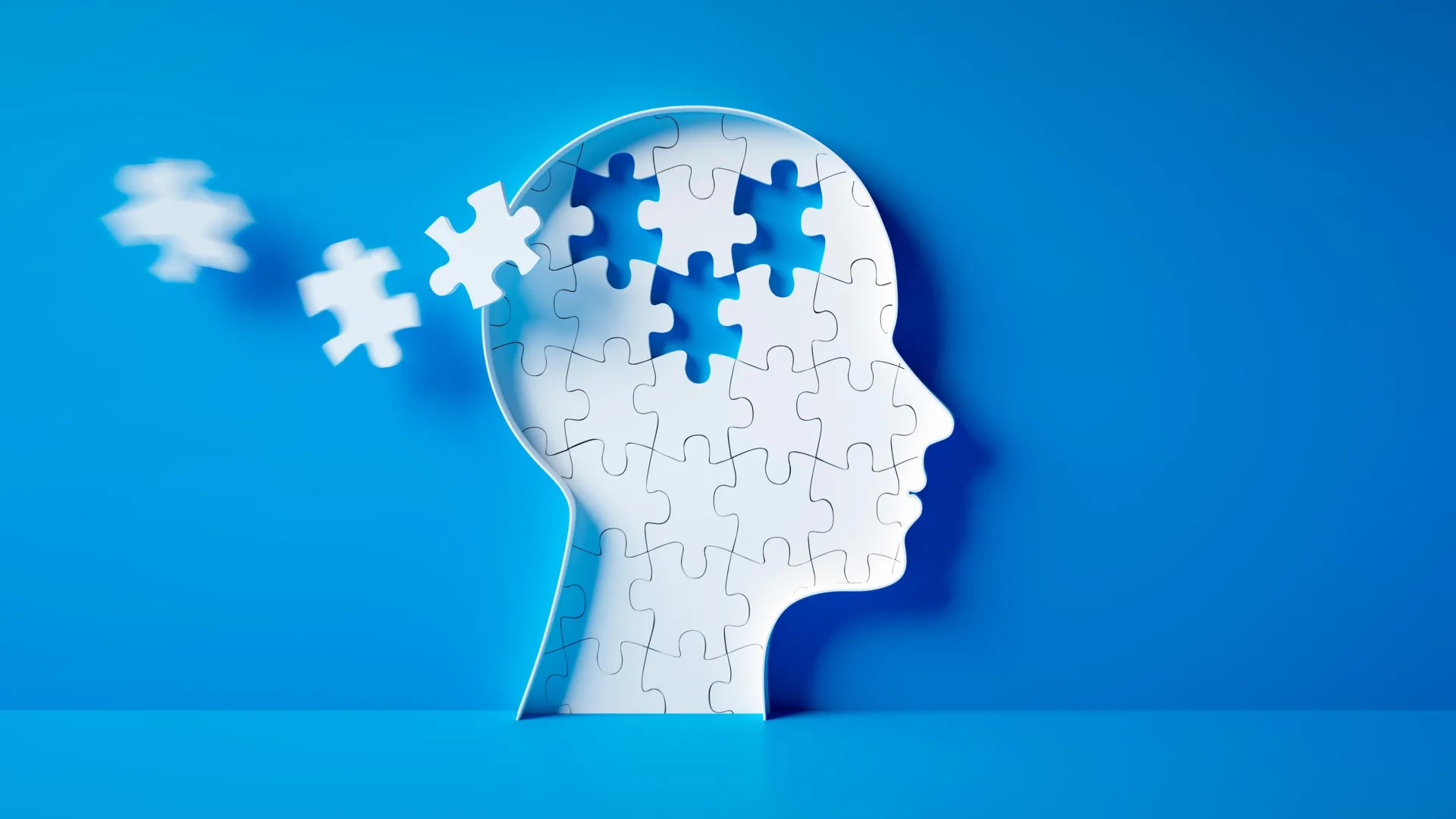
For decades, the prevailing narrative surrounding human aging has been defined by a deficit model: as the biological clock ticks, cognitive capacity inevitably wanes. From the slowing of reaction times to the frustration of misplacing keys, the aging brain has long been viewed as a machine suffering from the gradual wear and tear of time. However, a groundbreaking shift in neuroscientific research is challenging this pessimistic framework. Researchers at the University of Arizona are proposing the "adaptive aging hypothesis," a theory suggesting that the brain does not merely deteriorate with age, but rather undergoes a sophisticated developmental shift designed to prioritize wisdom, pattern recognition, and the synthesis of a lifetime of experience over the rote memorization of minute details.
The Shift from Memory to Meaning: A Chronology of Research
The roots of this research extend back to recent advancements in molecular biology and functional magnetic resonance imaging (fMRI). By observing the distinct ways in which younger and older brains process information, scientists have identified a clear divergence in neural pathways.
Historically, neurobiology focused on the hippocampus—the brain’s "librarian"—responsible for encoding specific episodic memories, such as where one parked the car or the specific details of a conversation held yesterday. When researchers observed reduced hippocampal activity in older subjects, the traditional conclusion was always one of decline.
However, the University of Arizona study, published in Perspectives on Psychological Science, posits that this reduction is not a failure, but an evolutionary adaptation. The timeline of this research has been building for the last decade, as longitudinal studies on cognitive aging began to show that while older adults often underperform in tests of "working memory," they frequently outperform younger cohorts in tasks involving "semantic knowledge" and "gist extraction"—the ability to grasp the essence of a situation without needing every granular detail.
Understanding the Brain’s Architectural Pivot
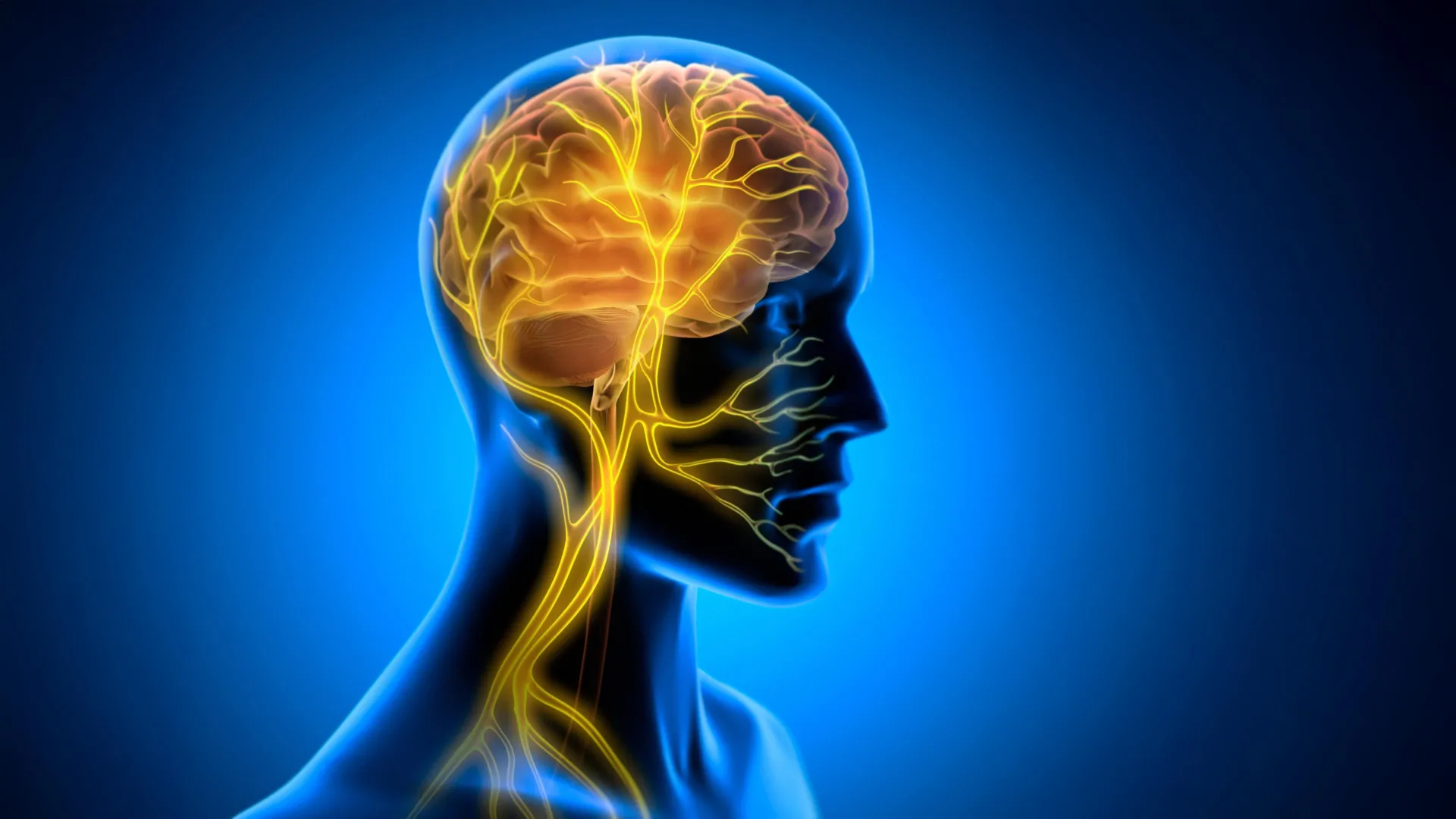
The adaptive aging hypothesis identifies two primary neural systems at play: the hippocampus, which anchors us in the "what, where, and when" of daily life, and the frontal cortex, which is the seat of high-level synthesis and meaning.
In the early stages of life—roughly from childhood through the mid-thirties—the brain is in an acquisitional phase. It functions like a high-speed scanner, utilizing the hippocampus to ingest and archive as much episodic data as possible. This is a survival necessity; a young human must learn the mechanics of the world through observation and repetition.
As an individual moves into their fifth, sixth, and seventh decades, the utility of this "sponge-like" state diminishes. By the time an individual reaches middle age, they have already amassed an internal library of schemas—conceptual maps of how the world works. The brain then makes a strategic pivot. It shifts its metabolic and cognitive resources away from the labor-intensive process of logging every new detail and toward the frontal cortex, where the brain excels at "gist-based" processing. This allows an older adult to quickly identify the underlying meaning of a complex scenario, draw parallels to past experiences, and provide guidance based on a lifetime of distilled wisdom.
Evolutionary Drivers and Biological Necessity
Why would biology favor such a transition? The adaptive aging hypothesis suggests that this shift is an evolutionary imperative. In ancestral environments, the survival of the tribe often hinged on the knowledge held by its elders. A young hunter may have the physical speed to pursue prey, but an elder possesses the knowledge of seasonal migration patterns and the ability to interpret environmental cues that prevent disaster.
Fabian-José Fernandez, an associate professor of cognition and neural systems at the University of Arizona, emphasizes that this transition is not a byproduct of degradation, but a protected biological process. "If we look at normative aging as a story of just decline, we are really missing the boat," Fernandez notes. He argues that the older brain is optimized for the sharing of expertise and the maintenance of social cohesion, roles that are essential for the survival of the human species as a social animal.
Distinguishing Healthy Aging from Pathological Decline
A critical component of this new framework is its ability to differentiate between "normative" cognitive shifts and neurodegenerative diseases such as Alzheimer’s. For years, the medical community erroneously viewed Alzheimer’s as an accelerated or "extreme" version of normal aging.
Current research suggests this is fundamentally incorrect. In healthy aging, the shift toward the frontal cortex is a regulated, orderly transition. In contrast, Alzheimer’s is characterized by the breakdown of these regulatory networks. Specifically, researchers have noted that while the healthy aging brain "de-emphasizes" the hippocampus, the Alzheimer’s brain often exhibits a paradoxical and destructive hyperactivity in that same region.
This hyper-activity acts as a "noise" that prevents the brain from effectively utilizing its existing knowledge base. By identifying this biological distinction, the adaptive aging hypothesis provides a new diagnostic lens: rather than looking for "memory loss," clinicians may eventually focus on the loss of "gist-based" reasoning and the disruption of the transition from hippocampal-centric to frontal-cortex-centric processing as early biomarkers for disease.
Societal Implications and the Value of Mentorship
The implications of this hypothesis extend far beyond the laboratory. If society accepts that the older brain is not "broken" but simply "repurposed," it could lead to a radical restructuring of how we treat aging in the workplace, education, and community life.
Current societal metrics often favor "processing speed" and "short-term recall," skills that are peak in early adulthood. Consequently, older adults are often marginalized in environments that prioritize these metrics. However, if the value of an older mind lies in its ability to mentor, synthesize, and provide judgment, then institutional structures should pivot to reflect these strengths.
Mentorship programs, intergenerational housing, and knowledge-transfer initiatives are not merely "nice-to-have" social programs; they are, according to the adaptive aging hypothesis, essential mechanisms for the health of a society. By creating environments where the "gist-based" wisdom of older adults is integrated with the "acquisitional" energy of the young, we create a more resilient and functional human ecosystem.
Analysis: A New Standard for Cognitive Health
The transition to this new understanding is not without its challenges. It requires a fundamental shift in how we interpret psychological test data. For instance, if an older adult performs poorly on a test of specific, context-free memorization, we must stop labeling this as a "cognitive deficit." Instead, we must ask: Is the brain choosing not to store this information because it lacks relevance to the individual’s existing knowledge framework?
As the global population ages, the economic and social pressure to maintain a productive and engaged aging workforce will only intensify. The adaptive aging hypothesis offers a more empowering, scientifically grounded alternative to the "decline and decay" model. It suggests that while the "hardware" of the brain may change its operational parameters, the "software" of human experience becomes increasingly valuable with every passing year.
The research conducted by the University of Arizona provides a necessary corrective to a narrative that has long overlooked the unique advantages of maturity. By recognizing that the aging brain is actively adapting to prioritize meaning over detail, we can better support the elderly in their role as the keepers of knowledge, ensuring that the hard-won wisdom of the past continues to inform the innovations of the future. The aging brain is not losing its grip on reality; it is broadening its perspective to see the big picture.