For decades, the global obsession with coffee has been framed almost exclusively through the lens of caffeine and its immediate, stimulating effects on the central nervous system. However, a landmark study conducted by researchers at APC Microbiome Ireland, a world-leading science center based at University College Cork, suggests that the beverage’s impact on human health is far more profound—and complex—than simple alertness. By investigating the microbiota-gut-brain axis, scientists have discovered that coffee, both caffeinated and decaffeinated, functions as a sophisticated biological modulator capable of altering gut microbial communities and influencing mood, cognitive function, and stress resilience.
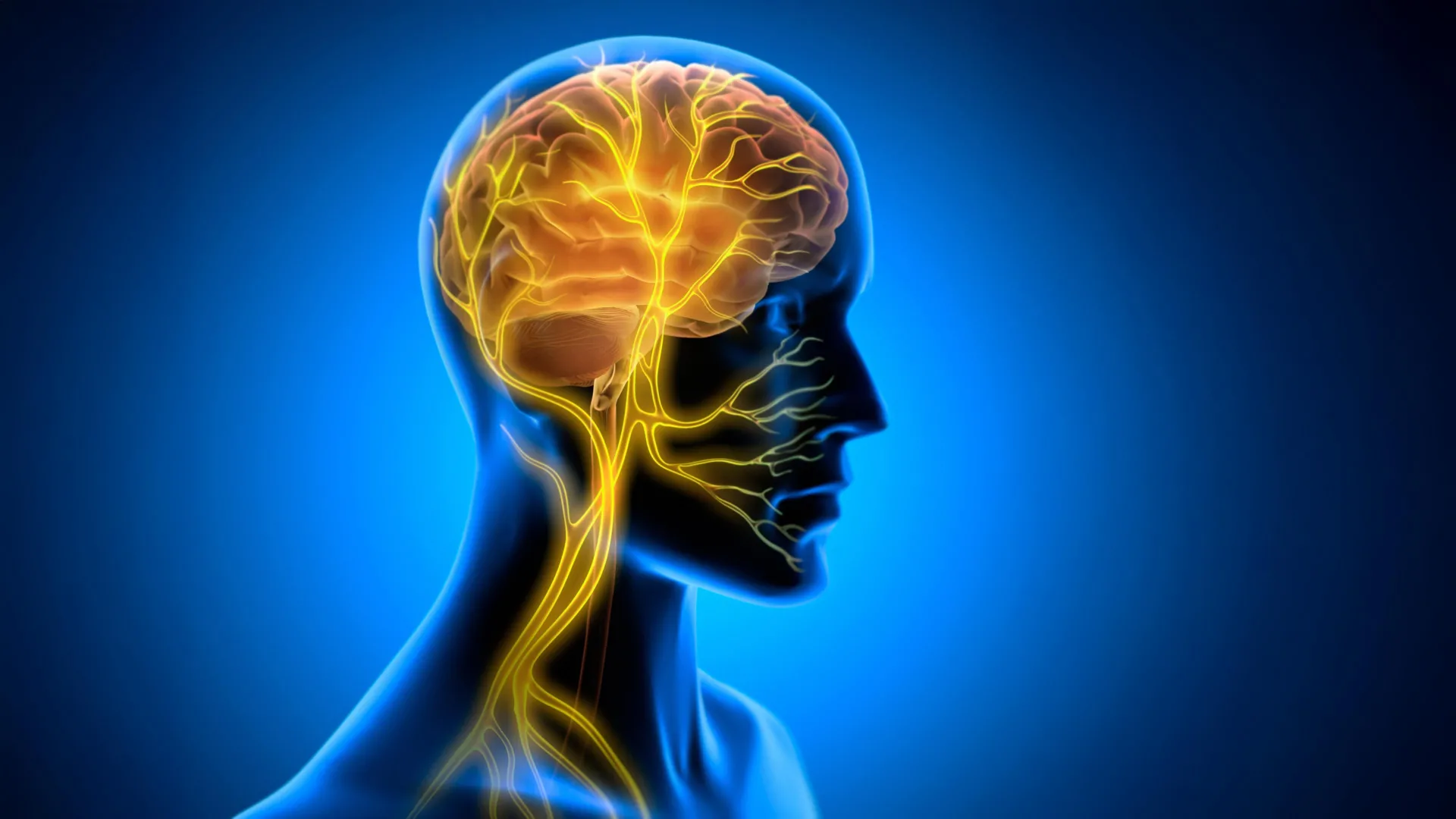
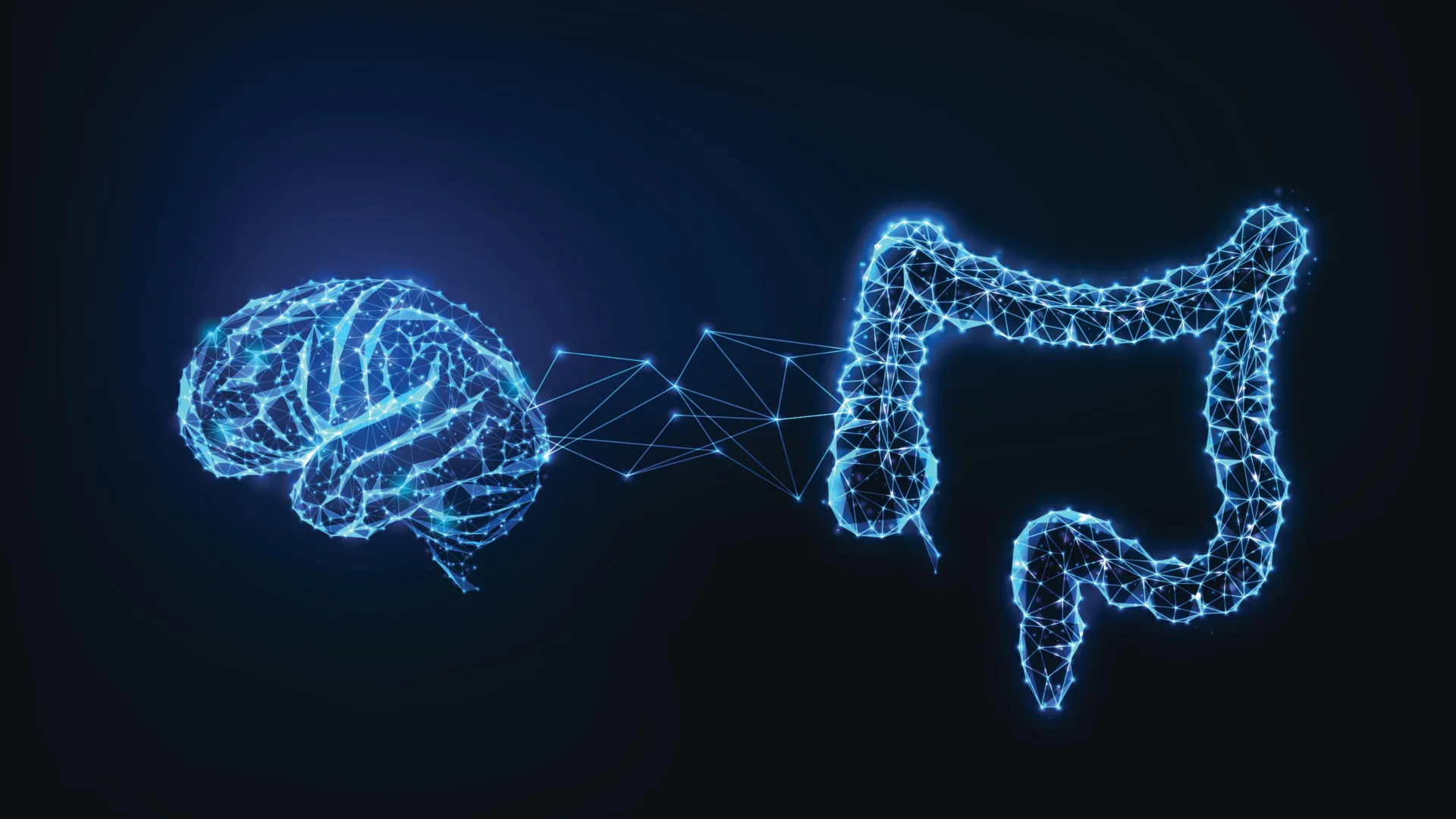
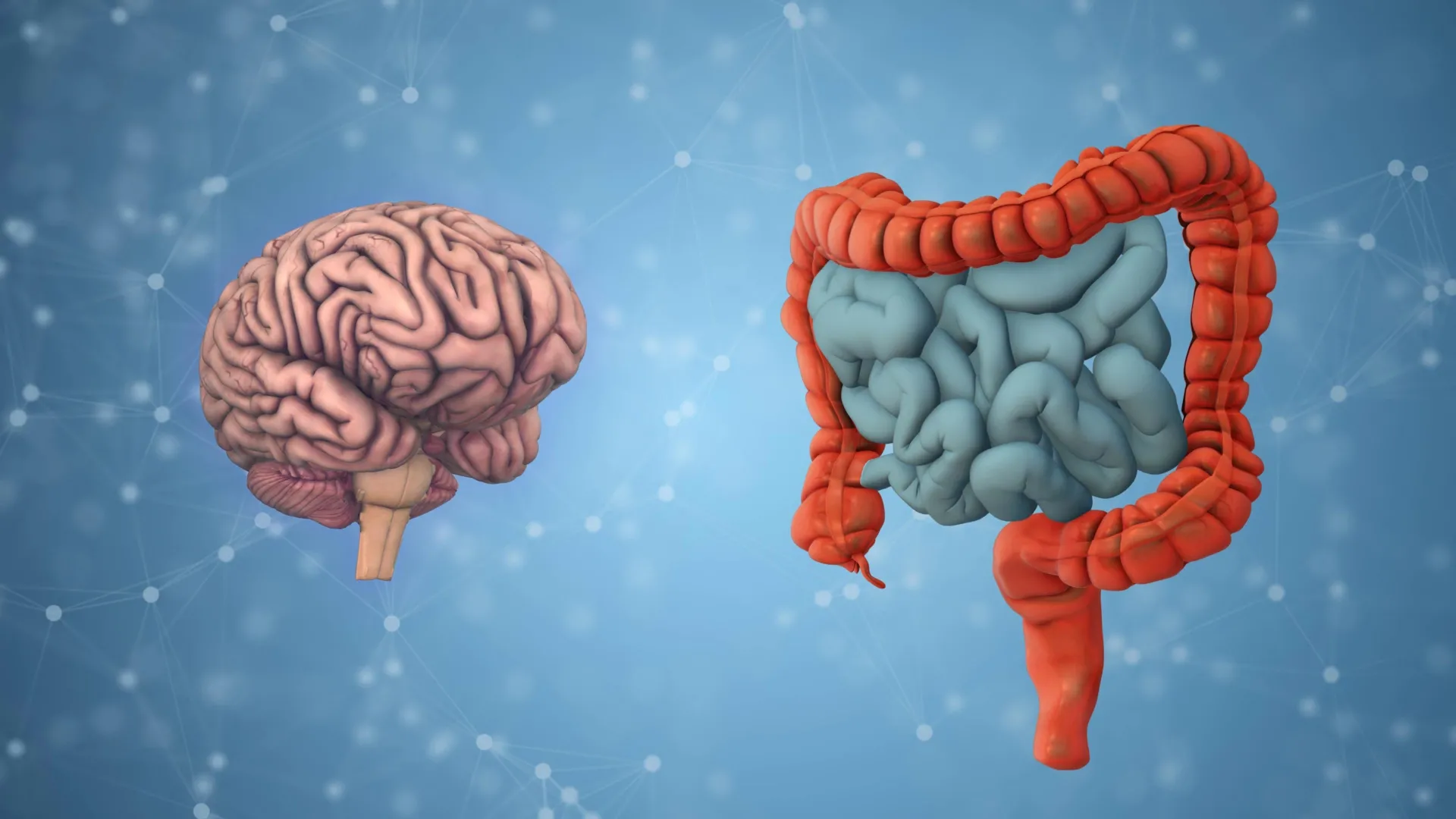
The study, published in the peer-reviewed journal Nature Communications and supported by the Institute for Scientific Information on Coffee (ISIC), offers a granular look at how the trillions of microorganisms residing in the human digestive tract communicate with the brain. This two-way signaling highway, mediated by immune activity, hormonal secretions, neural pathways, and microbial metabolites, represents one of the most exciting frontiers in modern nutritional science.
The Methodology: A Controlled Investigation into Coffee Consumption
To isolate the effects of coffee, the research team recruited 62 participants, divided into two distinct groups: 31 habitual coffee drinkers—defined as consuming 3 to 5 cups daily, a range deemed safe by the European Food Safety Authority (EFSA)—and 31 individuals who abstained from coffee consumption entirely.
The study followed a rigorous, multi-phase chronological framework. Initially, the habitual coffee drinkers were required to undergo a two-week "washout period" during which they ceased all coffee intake. Throughout this period, researchers collected longitudinal data, including stool and urine samples, and performed repeated psychological assessments to establish a baseline for mood, stress levels, and metabolic profiles.
Following the abstinence period, the participants entered a randomized intervention phase. They were provided with either caffeinated or decaffeinated coffee without prior knowledge of which variety they were consuming. This "blind" approach allowed researchers to strip away the placebo effect and examine the physiological and psychological shifts triggered specifically by the chemical components of the coffee bean rather than the anticipation of a caffeine hit.
Decoding the Microbiota-Gut-Brain Axis
The core of the study lies in the analysis of metabolites—the small, bioactive molecules produced by gut microbes as they ferment dietary compounds. When the habitual coffee drinkers stopped their intake, the researchers observed significant disruptions in their gut metabolite profiles. These shifts were not merely cosmetic; they suggested that coffee serves as a foundational substrate for a healthy gut ecosystem.
Upon the reintroduction of coffee, both groups reported a marked decrease in perceived stress, depression, and impulsivity. This discovery is particularly significant because it indicates that the mood-altering benefits of coffee are not strictly contingent upon caffeine. The thousands of non-caffeinated compounds present in coffee, particularly polyphenols, appear to play a critical role in mediating these emotional states.
Microbial Shifts: The Microbiome’s Response to Coffee
The study identified specific bacterial strains that flourish in the presence of coffee. Among these were Eggertella sp. and Cryptobacterium curtum. The former is hypothesized to assist in the regulation of acid secretion within the gastrointestinal tract, while the latter is implicated in the production of bile acids. These processes are essential for maintaining an intestinal environment that is hostile to pathogenic bacteria and infections.
Furthermore, the researchers documented an increase in Firmicutes, a diverse phylum of bacteria. Historically, higher levels of Firmicutes have been correlated with positive emotional states, particularly in female cohorts. These findings reinforce the theory that dietary habits are not merely fueling the body but are actively shaping the composition of the microbiome in ways that directly impact psychological stability.
The Divergent Paths of Caffeinated and Decaffeinated Coffee
Perhaps the most compelling outcome of the research was the distinction between the biological effects of caffeinated versus decaffeinated coffee. While both variations offered benefits, they did so through different pathways.
Participants who consumed decaffeinated coffee showed measurable improvements in learning and memory. This suggests that the cognitive advantages often attributed to coffee may be linked to non-caffeine chemical constituents, such as chlorogenic acids and other antioxidants. Conversely, the caffeinated cohort reported enhanced vigilance, sustained attention, and reduced feelings of anxiety. Additionally, caffeine was associated with a downregulation of systemic inflammatory markers, providing a potential biological mechanism for why coffee consumption is often linked to a lower risk of chronic, inflammation-driven diseases.
Official Perspectives and Expert Analysis
Professor John Cryan, Principal Investigator at APC Microbiome Ireland and the corresponding author of the study, emphasized that the findings necessitate a paradigm shift in how we view coffee consumption. "Public interest in gut health has risen hugely," Professor Cryan noted. "The relationship between digestive and mental health is also increasingly being better understood, but the mechanisms behind coffee’s effects on this gut-brain axis have remained unclear. Our findings reveal the microbiome and neurological responses to coffee, as well as their potential long-term benefits for a healthier microbiome."
From a clinical standpoint, these findings suggest that coffee should be reclassified from a mere "stimulant" to a "complex dietary intervention." For individuals looking to optimize their gut health, coffee is not just a morning ritual; it is a multifaceted dietary component that interacts with the body’s internal pharmacy. Professor Cryan added, "Coffee may modify what microbes do collectively, and what metabolites they use. As the public continues to think about dietary changes for the right digestive balance, coffee has the potential to also be harnessed as a further intervention as part of a healthy, balanced diet."
Broader Implications for Public Health and Nutrition
While the study was limited by a sample size of 62, its implications for public health are substantial. As the global population faces rising rates of stress-related disorders and metabolic syndrome, the potential to leverage accessible dietary choices to improve gut-brain communication is significant.
The data confirms that the "caffeine-only" narrative is incomplete. By acknowledging the role of polyphenols and other bioactive compounds, researchers can now begin to explore how specific roasts, bean origins, and brewing methods might differentially affect the microbiome. For example, future longitudinal studies could examine whether cold-brew versus hot-brewed coffee—which differ in chemical extraction—produce varying impacts on the gut-brain axis.
Moreover, the findings provide a potential explanation for the "coffee paradox" observed in epidemiological studies, where regular coffee consumption has been linked to longevity and improved mental health outcomes despite the beverage’s perceived impact on blood pressure and sleep quality. If coffee is actively modifying the gut environment to reduce systemic inflammation and support neurotransmitter balance, the long-term health benefits likely outweigh the short-term stimulating effects.
Conclusion: A New Frontier in Nutritional Science
The work conducted at University College Cork serves as a bridge between traditional nutritional studies and the cutting-edge science of the human microbiome. By documenting that coffee—with or without caffeine—can reshape gut microbial diversity and, by extension, influence the brain, the researchers have opened a new chapter in nutritional psychiatry.
As society continues to seek non-pharmacological methods to manage mood and cognitive health, the role of coffee will likely move to the forefront of preventative health strategies. While further large-scale clinical trials will be necessary to confirm these pathways, the current evidence suggests that when consumed in moderation, coffee is a powerful tool for those seeking to harmonize their physical and mental well-being through the power of the gut-brain axis. The morning cup, it seems, does far more than just wake the mind; it informs the very bacteria that keep the body in balance.