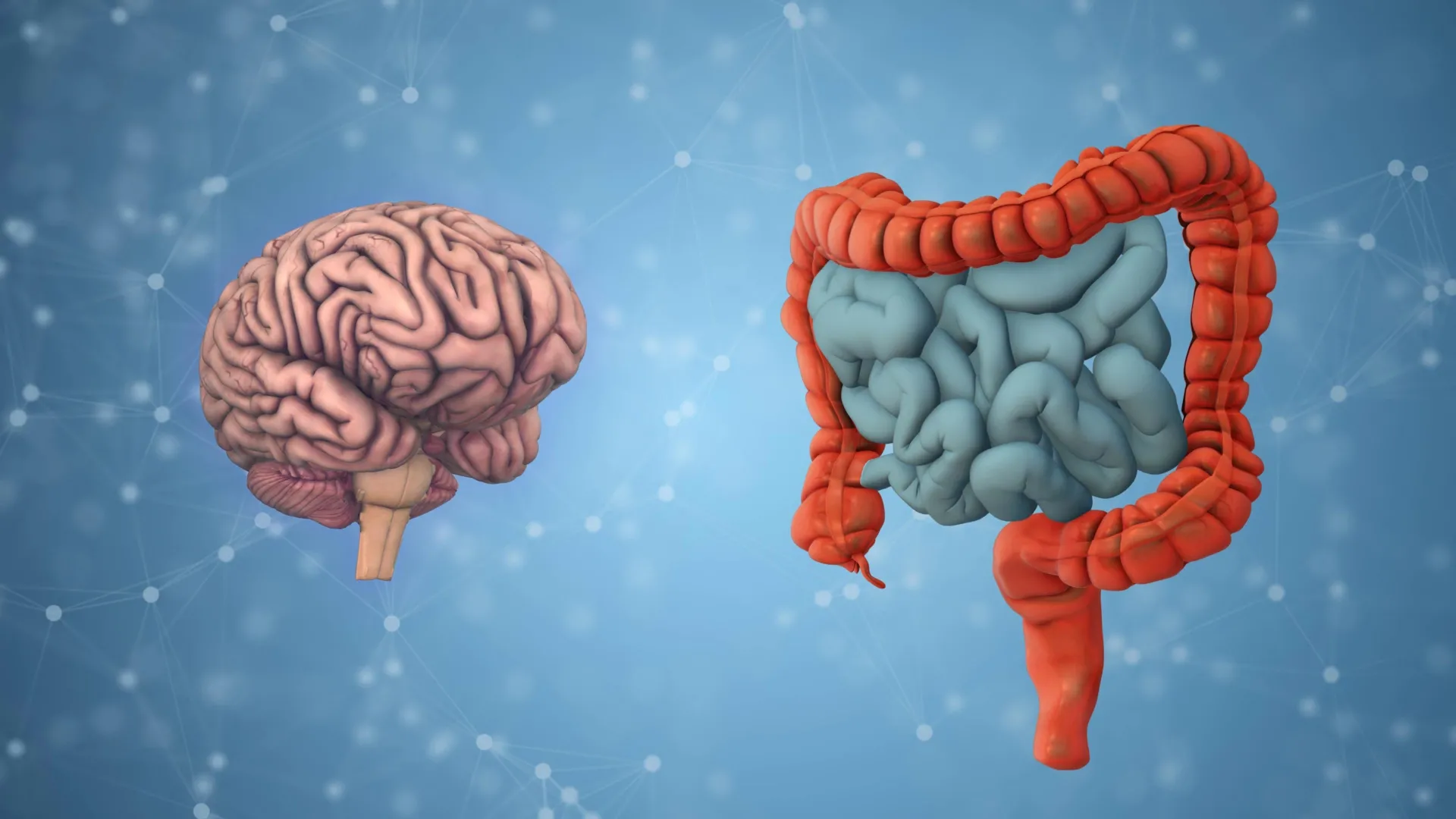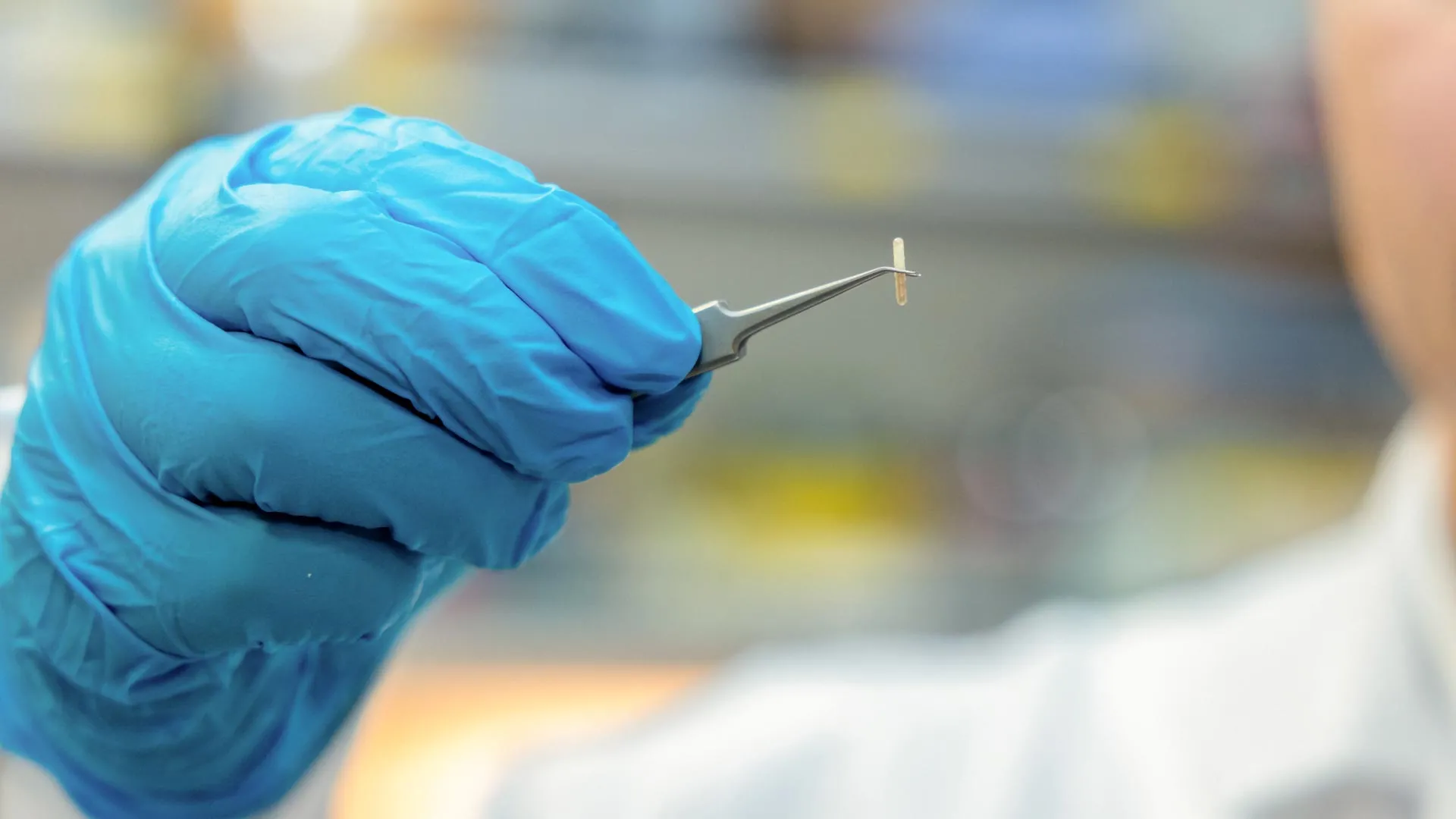
A breakthrough in bioelectronic medicine has emerged from a collaborative effort between NYU Abu Dhabi and the Cleveland Clinic Abu Dhabi, signaling a potential paradigm shift in the management of chronic pain and complex movement disorders. Researchers have successfully developed a miniature, seed-sized medical device capable of being delivered through a standard hypodermic needle. By eliminating the necessity for traditional, invasive surgical implantation, this technology offers a less traumatic route for patients who require precise, targeted nerve modulation to alleviate debilitating symptoms. The findings, recently published in the peer-reviewed journal Science Advances, delineate a future where neuromodulation—the alteration of nerve activity through electrical or chemical stimulation—becomes as routine as a standard clinical injection.
The Evolution of Neuromodulation
The field of neuromodulation has historically been defined by significant surgical hurdles. Conventional neurostimulators, such as those used for spinal cord stimulation or deep brain stimulation (DBS), are typically bulky, requiring a surgical pocket to house the device, along with complex lead wires that must be tunneled beneath the skin to reach the target nerve. These procedures carry inherent risks, including infection, lead migration, and prolonged recovery times. Furthermore, traditional implants often rely on internal batteries, necessitating subsequent surgeries to replace the power source once it reaches the end of its functional life.
The quest to miniaturize these systems has been a primary objective of bioengineers for over a decade. By moving away from battery-dependent, wire-heavy architectures, the research team at NYU Abu Dhabi has addressed the "bottleneck" of current neuromodulation. The new device functions through wireless power transfer, allowing an external transmitter to supply energy to the implant. This eliminates the need for internal power storage and reduces the device footprint to that of a small seed, effectively rendering the surgical theater an optional, rather than mandatory, environment for placement.
Technical Mechanics and Clinical Application
The device operates on the principle of wireless power harvesting. Once injected into the proximity of a specific nerve, the implant intercepts radio-frequency energy from an external source. This energy is then converted into localized, programmable electrical pulses. Because the device is small enough to be injected via a needle, clinicians can use established diagnostic imaging techniques—such as high-resolution ultrasound or computed tomography (CT)—to guide the device to the precise site of the affected nerve.
This precision is paramount. In chronic pain management, for instance, targeting the wrong nerve bundle can result in ineffective therapy or unintended side effects. The ability to monitor the device’s position post-injection using standard radiology suites provides an added layer of safety, ensuring the device remains optimally placed to regulate nerve activity. Moreover, the stimulation parameters are fully adjustable. If a patient’s condition evolves, or if the intensity of their pain fluctuates, the physician can modify the electrical output in real time without further invasive intervention.
Chronology of the Research and Development
The development of this technology did not occur in a vacuum; it is the culmination of years of multidisciplinary research. The timeline of this project underscores the rigorous nature of modern bioengineering:
- 2019–2020: Conceptualization: Researchers at the NYU Abu Dhabi Laboratory for Nano-Bioengineering began exploring electromagnetic coupling as a means to power deep-tissue implants without traditional batteries.
- 2021: Prototype Refinement: The team successfully miniaturized the circuitry, balancing the need for efficient power reception with the requirement for a biocompatible, needle-deliverable form factor.
- 2022: Preclinical Validation: Collaborations with the Cleveland Clinic Abu Dhabi allowed for rigorous testing in laboratory environments. The device was subjected to stress tests to ensure structural integrity and consistent electrical performance under biological conditions.
- 2023: In Vivo Testing: The device was successfully deployed in living organisms, confirming that it could effectively stimulate nerve activity in a real-world physiological environment.
- 2024: Peer Review and Publication: The formal disclosure of the technology in Science Advances marked the transition of the project from experimental research to a potential clinical candidate.
Institutional Perspectives and Collaborative Synergy
The partnership between NYU Abu Dhabi and the Cleveland Clinic Abu Dhabi is a hallmark of the "bench-to-bedside" approach. By pairing the academic rigor of engineering researchers with the practical, patient-centric expertise of clinicians, the project ensures that the technology is not only theoretically sound but also clinically viable.
Dr. Sawsan Abdel-Razig, Chief Academic Officer at Cleveland Clinic Abu Dhabi, emphasized the importance of this synergy. "Our commitment is to bridge the gap between academic innovation and the realities of patient care," she noted. "This research highlights that when we combine engineering expertise with clinical oversight, we accelerate the timeline for bringing safer, less invasive therapies to the patients who need them most."
Prof. Khalil Ramadi, the senior author of the study and an Assistant Professor of Bioengineering, noted that the project represents a fundamental shift in medical philosophy. "We are moving toward a future where we treat nerve-related conditions with the ease of an injection," Ramadi stated. "By reducing the barrier to entry for neuromodulation, we are potentially opening these treatments to a much larger population—including those who may be too frail or too high-risk to undergo traditional surgery."
Broader Implications for Healthcare
The potential impact of this technology is vast. Chronic pain affects an estimated 20% of the global adult population, with many patients failing to find relief through pharmacological interventions like opioids, which carry risks of addiction and systemic side effects. For these individuals, neuromodulation is often a "last resort" treatment, but the surgical barrier prevents many from accessing it.
A device that can be injected during an outpatient visit could drastically reduce the total cost of care. Beyond the direct savings of avoiding a full surgical theater and anesthesia, the reduction in recovery time means patients can return to their daily lives almost immediately. This could lead to a significant decrease in procedure-related complications, such as surgical site infections, which are common in traditional implantable devices.
Furthermore, the technology holds promise for movement disorders such as Parkinson’s disease or essential tremor, where current deep brain stimulation systems are highly effective but physically invasive. While the current research is focused on the fundamental mechanics of the device, the scalability of the technology suggests that it could eventually be adapted for a wide variety of therapeutic applications, including the modulation of autonomic nerves to treat conditions like hypertension or digestive disorders.
Limitations and the Path Forward
Despite the enthusiasm surrounding these findings, the research team remains cautious. The study is currently in the early stages of preclinical development. While in vivo testing has demonstrated the device’s ability to trigger nerve responses in animals, human clinical trials are required to establish safety, long-term biocompatibility, and efficacy in treating specific human pathologies.
Key questions remain regarding the long-term interaction between the device and the surrounding human tissue. The body’s natural immune response—often characterized by the formation of fibrous capsules around foreign objects—could potentially interfere with electrical signals over time. Future studies will need to focus on material science, specifically coatings that prevent this "scarring" effect to ensure the longevity of the device.
Moreover, the regulatory pathway for such a device will be rigorous. As a "Class III" medical device—the most strictly regulated category for implants—it will require extensive human trials to satisfy health authorities such as the FDA or equivalent global regulatory bodies.
Conclusion
The innovation presented by the NYU Abu Dhabi and Cleveland Clinic Abu Dhabi team is a testament to the transformative power of miniaturized electronics in medicine. By successfully bypassing the need for invasive surgery, the researchers have laid the groundwork for a new era of "on-demand" bioelectronic medicine. While the journey from laboratory success to clinical standard is fraught with complex regulatory and safety hurdles, the initial data offers a promising glimpse into a future where the most advanced nerve therapies are as accessible as a routine injection, potentially offering relief to millions of patients suffering from chronic pain and movement disorders worldwide.