Northwestern University researchers have identified a specific neural mechanism that explains why cannabis consumption can occasionally trigger acute anxiety, particularly in high-stress environments. The study, published on October 2 in the journal Nature Communications, pinpoints a distinct population of neurons in the brain’s central amygdala as the primary driver of this adverse reaction. By isolating the biological pathway through which cannabinoids—the active compounds found in cannabis, including THC—interact with stress-processing centers, scientists have provided a clearer picture of how the brain’s internal "brakes" on anxiety can fail.
The Biological Mechanism of Fear
The research team, led by Dr. Sachin Patel, chair of psychiatry and behavioral sciences at Northwestern University Feinberg School of Medicine, focused on somatostatin neurons located within the central amygdala. This brain region is widely recognized as a critical node in the circuitry governing fear, stress, and survival-based threat assessment.
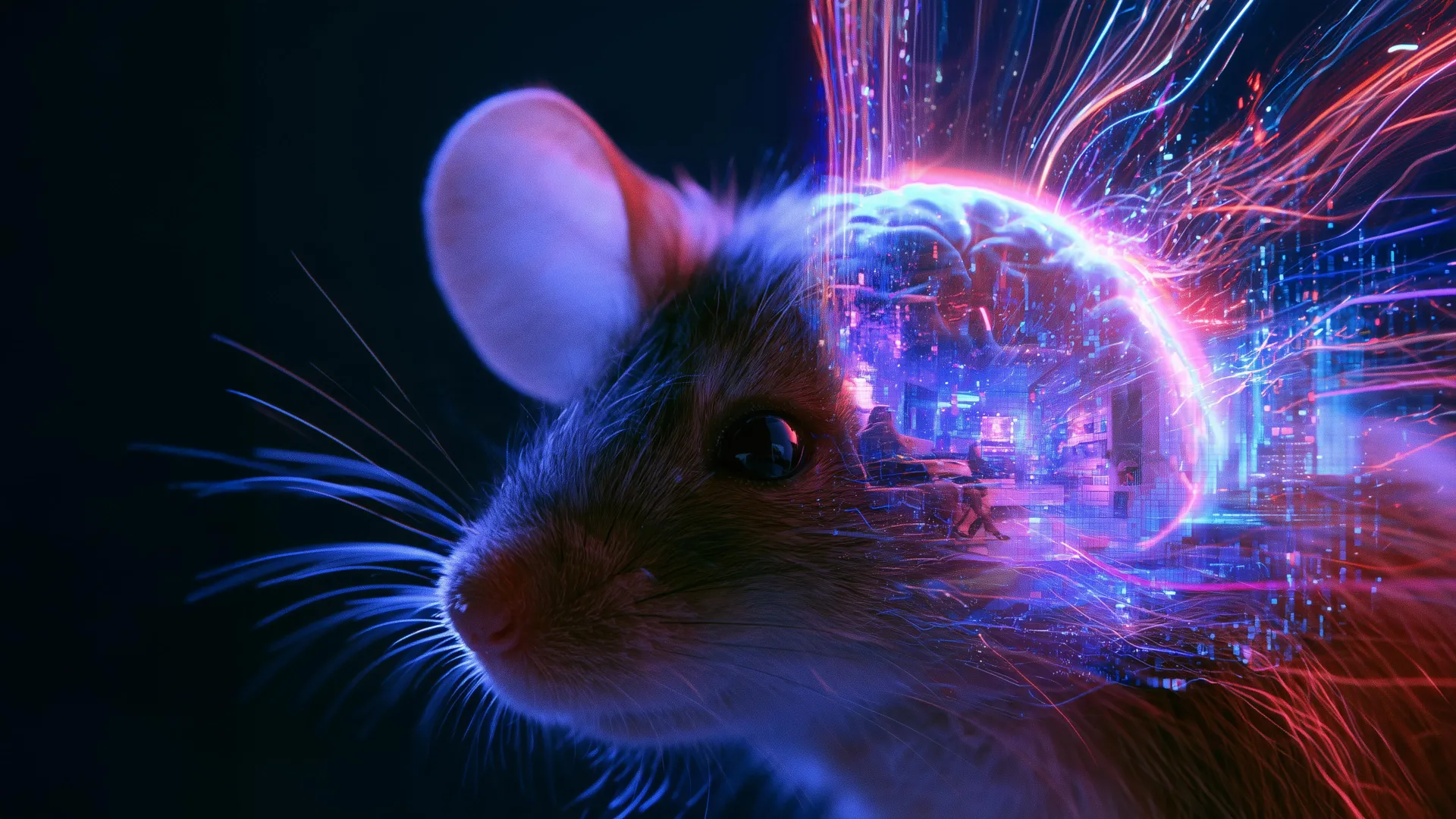
To observe these mechanisms in real time, researchers employed a controlled behavioral model using mice. The animals were introduced to an environmental threat—the distinct, evolutionary-coded scent of fox urine—designed to elicit a natural fear response. Prior to this exposure, the mice were administered either a placebo or a synthetic cannabinoid. The results were stark: mice treated with cannabinoids exhibited heightened anxiety, characterized by increased freezing behaviors and a significant reduction in exploratory movement near the scent.
By implanting miniature microscopes into the brains of the subjects, the research team was able to monitor neural activity at the cellular level. They discovered that the cannabinoids effectively weakened a natural inhibitory mechanism—a biological "brake"—that typically keeps somatostatin neurons in check. When this restraint was removed, the neurons became hyper-active, signaling the brain to escalate the fear response beyond what was appropriate for the actual threat level. When the researchers genetically silenced these specific neurons, the mice ceased their avoidant behaviors, suggesting that the somatostatin population is not merely a bystander, but a primary engine for cannabis-induced anxiety.
Chronology of the Investigation
The study represents a multi-year effort to reconcile the dual nature of cannabinoids, which are known to be anxiolytic (anxiety-reducing) in some contexts and anxiogenic (anxiety-inducing) in others. The project followed a rigorous experimental timeline:
- Phase I: Behavioral Baseline: Researchers established a baseline for how mice navigate predator scents under neutral conditions.
- Phase II: Pharmacological Intervention: The team introduced various doses of synthetic cannabinoids to assess the dose-dependent nature of the anxiety response.
- Phase III: Real-time Neural Imaging: Utilizing high-resolution, head-mounted micro-endoscopy, the team captured the precise firing patterns of amygdala neurons during the "fight or flight" decision-making process.
- Phase IV: Genetic Silencing: To confirm causality, researchers utilized optogenetic or chemogenetic techniques to inhibit the somatostatin neurons, demonstrating that the drug-induced anxiety could be reversed by muting this specific cell group.
This sequence of experiments provided the necessary data to conclude that the adverse effects of cannabis are not necessarily a product of general brain intoxication, but rather the result of a specific neuro-circuitry disruption.
Supporting Data and Contextual Trends
The relevance of this study is underscored by the rapidly shifting landscape of cannabis use in the United States. According to the Substance Abuse and Mental Health Services Administration (SAMHSA), the prevalence of cannabis use has surged over the past decade, as has the potency of available products. THC concentrations in retail cannabis have risen significantly since the 1990s, often exceeding 20% to 30% in flower and even higher in concentrates.
Parallel to this increase in usage and potency, emergency department data indicates a rise in adverse psychiatric events. The Centers for Disease Control and Prevention (CDC) has noted an uptick in cases involving cannabis-induced panic attacks and acute paranoia. Historically, these incidents were treated as anecdotal or behavioral, but the Northwestern study provides a concrete biological foundation for these clinical reports.
Furthermore, the global burden of anxiety disorders has become a primary public health concern. Data from the World Health Organization (WHO) suggests that anxiety disorders are among the most common mental health conditions worldwide, often exacerbated by environmental stressors. By identifying a specific "anxiety node" in the amygdala, the Northwestern team has moved beyond behavioral observation into the realm of molecular psychiatry, offering a target for future therapeutic interventions.
Expert Perspectives and Implications
Dr. Sachin Patel, the senior author of the study, emphasized that these findings provide a much-needed explanation for the variability in user experience. "The results of this study could explain why a good trip can turn bad pretty quickly if people consume too much cannabis or the situation they are in turns stressful or scary," Patel noted.
The "synergistic" effect described by the researchers—whereby the drug and the environment work in tandem to release the brain’s "brake"—offers a potential roadmap for addressing not only cannabis side effects but also chronic anxiety disorders. If somatostatin neurons in the central amygdala are a "final pathway" for the expression of anxiety, they could represent a novel target for pharmacological research.
The broader scientific community has reacted with interest, as the findings bridge the gap between basic neuroscience and clinical psychiatry. By moving the focus from the whole brain to specific, identifiable neuron populations, the researchers have opened the door for more targeted medications. Such treatments would ideally suppress the pathological over-activity of these neurons without causing the systemic side effects associated with current benzodiazepines or other anti-anxiety medications.
Future Research Directions
While the study provides a significant leap forward, the research team acknowledges that further investigation is required to translate these findings from mouse models to human applications. The central amygdala is a complex structure with deep evolutionary roots, and human anxiety is often influenced by higher-order cognitive processes, such as memory and social conditioning, which are not present in the same capacity in rodents.
The co-authors of the study—Farhana Yasmin, Saptarnab Naskar, Danyal Zaidi, Isaac Kandil, Michelle Kwon, and Dr. Luis Rosas-Vidal—have outlined several avenues for future inquiry. These include investigating whether chronic cannabis use alters the structural integrity of these neurons over time and whether individual differences in amygdala activity might predispose certain populations to experience cannabis-induced anxiety more severely than others.
The study, titled "Cannabinoid Modulation of Central Amygdala Population Dynamics During Threat Investigation," received financial support from the National Institutes of Health (grants MH100785 and K08 MH126166) and the Brain & Behavior Research Foundation’s Young Investigator Awards. As cannabis legalization continues to expand globally, this research provides an essential foundation for understanding the neurobiological consequences of cannabinoid interaction with the human brain, ensuring that clinicians and consumers alike are better equipped to navigate the risks associated with its use.
In conclusion, the discovery that somatostatin neurons act as the gatekeepers for stress-induced anxiety in the presence of cannabinoids is a pivotal development. It moves the discussion of cannabis side effects from the anecdotal to the measurable, providing a clear biological mechanism that could ultimately lead to safer consumption practices and new, more effective treatments for the millions suffering from anxiety disorders.