For decades, coffee has been synonymous with the morning jolt—a chemical nudge from caffeine intended to sharpen focus and stave off fatigue. However, groundbreaking research emerging from APC Microbiome Ireland at University College Cork suggests that the world’s most popular stimulant is far more than a simple performance enhancer. New findings published in Nature Communications indicate that coffee—both caffeinated and decaffeinated—acts as a complex modulator of the human gut microbiome, influencing a bidirectional communication network known as the microbiota-gut-brain axis. This discovery suggests that the habitual consumption of coffee may play a significant role in regulating mood, stress response, memory, and cognitive vigilance through biological pathways previously underestimated by the scientific community.
The study, sponsored by the Institute for Scientific Information on Coffee (ISIC), represents a sophisticated effort to demystify the physiological mechanisms that link dietary habits to neurological states. By analyzing the interplay between gut bacteria, metabolic byproducts, and psychological metrics, researchers have provided the most detailed evidence to date that coffee serves as a potent dietary factor capable of altering the internal microbial ecosystem to potentially beneficial ends.
The Anatomy of a Two-Way Communication System
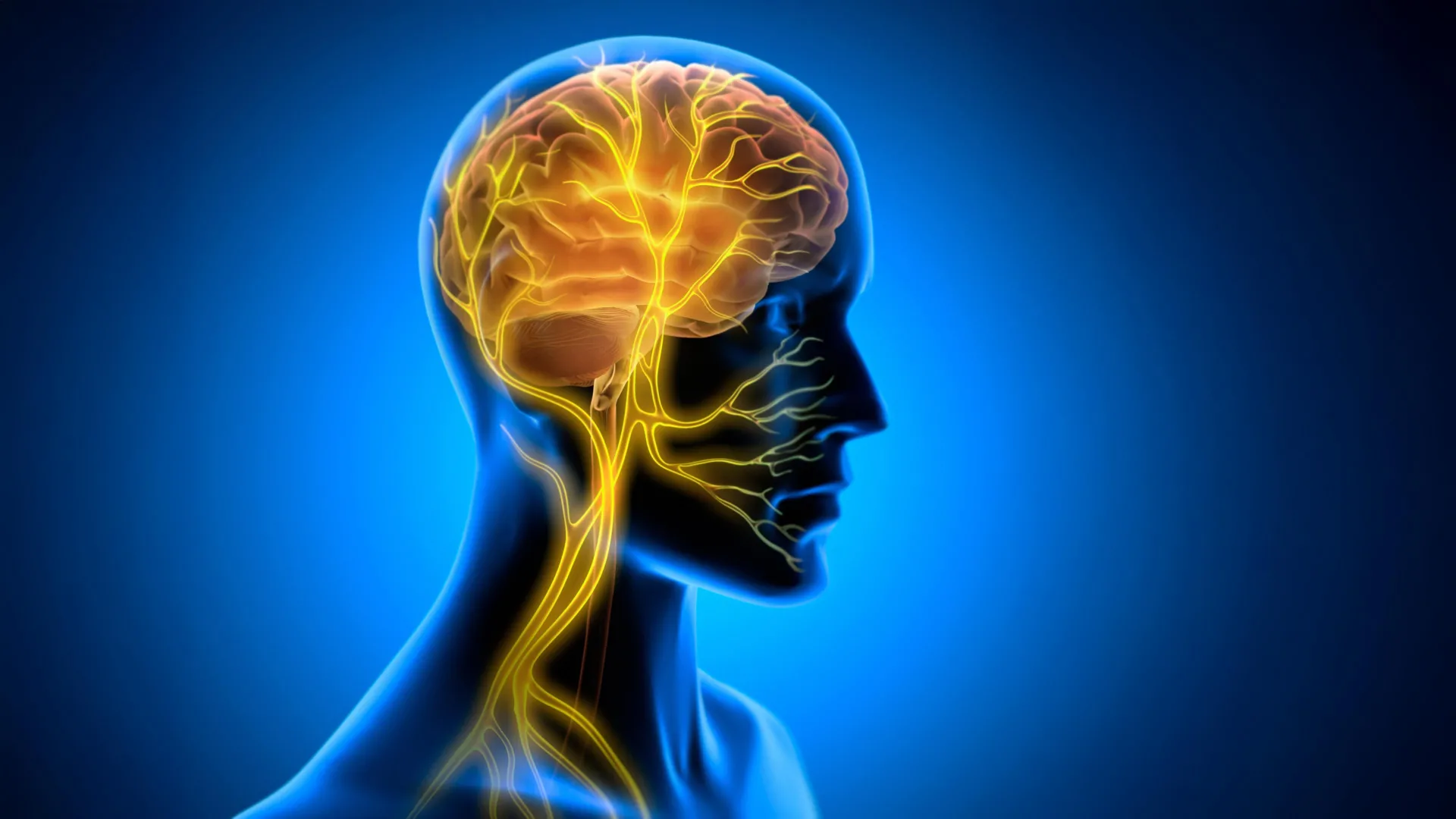
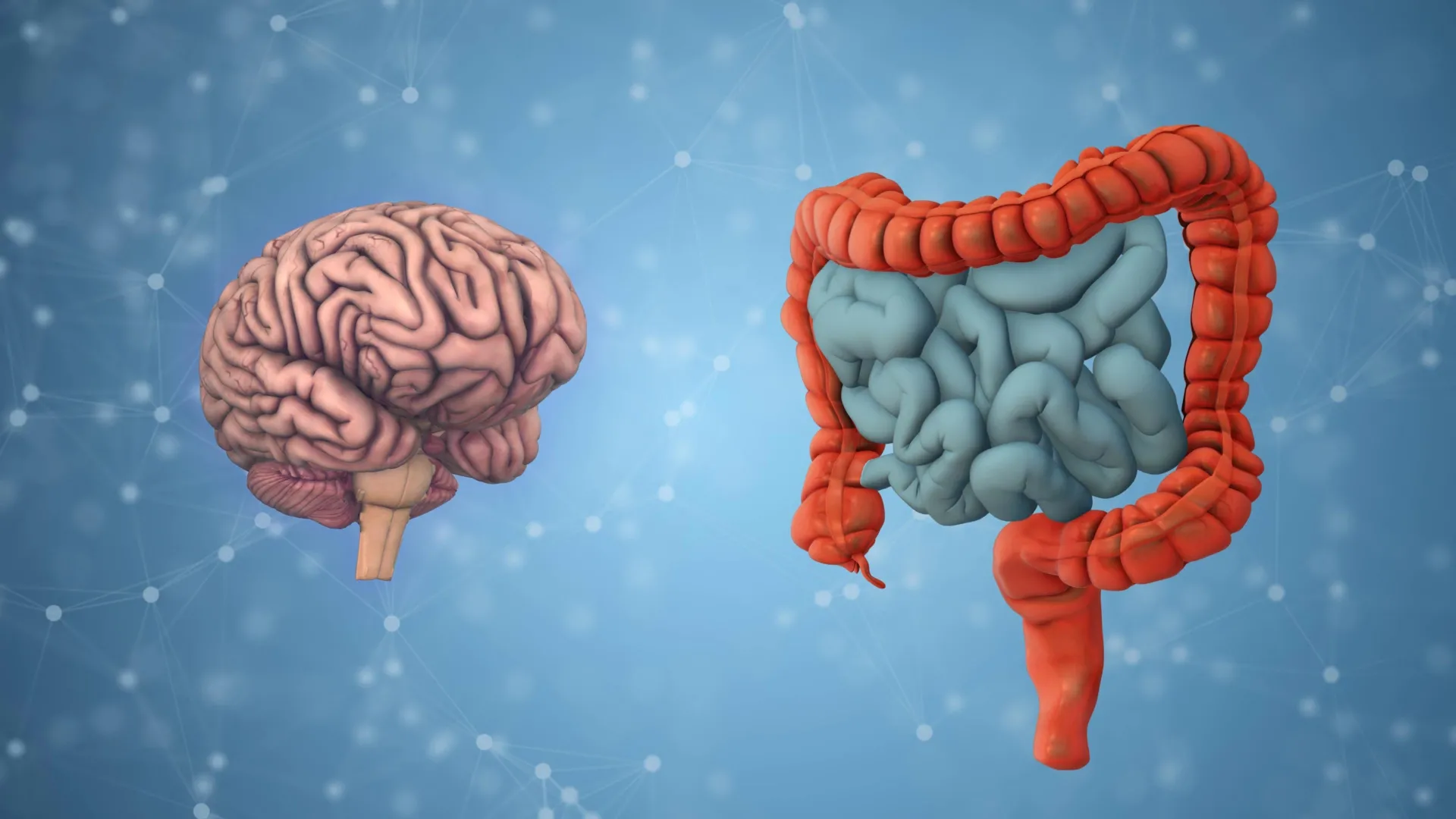
The gut-brain axis is a complex, two-way signaling system that connects the gastrointestinal tract with the central nervous system. This communication relies on a constant exchange of information mediated by the immune system, the endocrine system (hormones), the vagus nerve, and a vast array of chemical compounds—known as metabolites—produced by the trillions of microorganisms residing in the human digestive tract.
While researchers have long recognized that the gut can influence mental states—a concept often referred to as the "second brain"—the specific dietary triggers that facilitate this influence have remained elusive. Coffee, a complex mixture containing hundreds of bioactive compounds including polyphenols, melanoidins, and various antioxidants, has emerged as a primary candidate for this interaction. Because these compounds are often metabolized by gut bacteria before they ever reach the bloodstream or the brain, their influence on the microbial population is thought to be foundational to their systemic effects.
A Chronological Breakdown of the Study
The research project utilized a rigorous, multi-phase clinical design to isolate the effects of coffee consumption. The study cohort consisted of 62 participants, divided equally between habitual coffee drinkers—defined as consuming 3 to 5 cups per day, consistent with European Food Safety Authority (EFSA) guidelines—and non-coffee drinkers.
The investigation unfolded in three distinct phases:
- The Baseline Observation: Initially, researchers established a baseline for all participants through psychological assessments, dietary logging, and the collection of fecal and urine samples. This phase mapped the existing microbiome and metabolic profile of both groups, providing a benchmark for comparison.
- The Withdrawal Period: In a significant disruption of routine, the habitual coffee drinkers were required to cease all coffee consumption for a period of two weeks. During this time, the research team monitored the participants through repeated testing. The results were immediate and striking: the removal of coffee led to significant shifts in gut metabolite profiles, effectively decoupling the gut-brain signaling that had been established by long-term consumption.
- The Reintroduction Phase: In the final stage, the coffee drinkers were reintroduced to coffee in a blind study format. Half of the cohort received caffeinated coffee, while the other half received a decaffeinated version. This phase was critical in determining whether the observed psychological and microbial shifts were driven strictly by caffeine or by the other secondary compounds found in the coffee bean.
Deciphering the Microbiome: Key Microbial Shifts
One of the study’s most significant contributions is the identification of specific microbial shifts associated with coffee intake. Researchers noted that habitual drinkers harbored higher concentrations of Eggertella sp. and Cryptobacterium curtum. The presence of these bacteria is physiologically significant; Eggertella sp. is linked to the regulation of acid secretion in the stomach and intestines, while Cryptobacterium curtum is believed to be involved in the production of bile acids.
These findings suggest that coffee may help curate an intestinal environment that is hostile to pathogens, thereby reducing the risk of opportunistic infections. Furthermore, the study identified an increase in Firmicutes, a diverse phylum of bacteria that has been previously correlated with positive emotional states, particularly in female subjects. These shifts suggest that coffee functions as a prebiotic, creating a niche for beneficial bacteria to flourish.
Caffeinated vs. Decaffeinated: Divergent Biological Pathways
Perhaps the most surprising finding of the study was that the benefits of coffee are not monolithic. Caffeinated and decaffeinated varieties appear to exert distinct influences on human physiology.
Participants consuming decaffeinated coffee exhibited measurable improvements in learning and memory retention. This suggests that the non-caffeine compounds in coffee—such as polyphenols—are the primary drivers of cognitive enhancement in this context. Polyphenols are powerful antioxidants that protect cells from oxidative stress and can modulate the growth of beneficial gut flora.
Conversely, the caffeinated group demonstrated improvements in vigilance and attention, alongside a marked reduction in feelings of anxiety. This dichotomy highlights that coffee is a multifaceted intervention; while caffeine provides the acute, short-term neurological stimulation of alertness, the broader chemical profile of the bean contributes to long-term cognitive health and mood stabilization. Furthermore, caffeine consumption was correlated with a reduction in markers of inflammation, adding to the growing body of literature that supports the anti-inflammatory properties of moderate coffee consumption.
Perspectives from the Research Community
Professor John Cryan, the lead investigator and Principal Investigator at APC Microbiome Ireland, underscored the significance of these findings during the study’s release. "The relationship between digestive and mental health is increasingly being better understood," Professor Cryan stated. "Our findings reveal the microbiome and neurological responses to coffee, as well as their potential long-term benefits for a healthier microbiome."
Cryan’s perspective shifts the conversation from viewing coffee as a mere stimulant to viewing it as a dietary intervention. "Coffee may modify what microbes do collectively, and what metabolites they use. As the public continues to think about dietary changes for the right digestive balance, coffee has the potential to also be harnessed as a further intervention as part of a healthy, balanced diet," he added.
The involvement of the Institute for Scientific Information on Coffee (ISIC) reflects a broader industry trend toward evidence-based nutrition. By funding independent research at prestigious institutions, the industry seeks to validate the long-held anecdotal beliefs about coffee’s health benefits with robust, clinical data.
Broader Implications for Public Health
The implications of this research are vast. If coffee can indeed act as a stabilizer for the gut-brain axis, it could open new doors for nutritional approaches to mental health management. Given the rising global prevalence of stress, anxiety, and metabolic disorders, identifying safe, accessible dietary components that can improve the microbiome-brain communication pathway is a public health priority.
However, the research team remains cautious. Because the study involved a relatively small sample size of 62 individuals, the results are best characterized as a foundation for future, larger-scale clinical trials. The researchers emphasize that while they have identified strong associations between coffee consumption and changes in gut bacteria and mood, these findings do not yet establish a definitive, direct causal link.
Furthermore, individual responses to coffee vary significantly based on genetics, baseline diet, and existing gut health. What may be a beneficial amount for one person could be over-consumption for another. The study maintains that the 3-5 cup threshold remains the gold standard for "moderate" consumption, as defined by the European Food Safety Authority.
Conclusion: Rethinking the Morning Ritual
As scientific understanding of the microbiome deepens, the narrative surrounding our daily habits is changing. Coffee, once scrutinized as a potential source of jitters and sleep disruption, is now being reconsidered as a complex chemical symphony that interacts with our internal ecology.
The study from APC Microbiome Ireland serves as a reminder that the food and beverages we consume do not act in isolation. They are filtered through a complex, living ecosystem of microbes that have a profound influence on our thoughts, feelings, and cognitive performance. For the millions of people who start their day with a cup of coffee, this research offers a compelling reason to consider that the benefits of the brew extend far beyond the temporary sensation of alertness. By fostering a diverse and healthy gut environment, the morning cup may well be a silent, powerful contributor to long-term mental and physical resilience.