A groundbreaking technique utilizing compressed air underwater is proving highly effective in eradicating invasive coral species that threaten Brazil’s rich marine ecosystems. Researchers have deployed specialized air guns, essentially powerful underwater leaf blowers, to dislodge and remove aggressive alien corals, offering a ray of hope for biodiversity hotspots facing unprecedented ecological pressure. This innovative approach targets species like the sun coral (Tubastraea spp.), which have rapidly spread across Brazilian reefs, outcompeting native corals and disrupting the delicate balance of these vital underwater habitats.
The Growing Threat of Invasive Corals
The proliferation of invasive coral species is a global concern, exacerbating the already significant pressures on coral reefs worldwide. These threats include ocean acidification, rising sea temperatures due to climate change, destructive fishing practices, and the spread of coral diseases. In Brazil, the sun coral (Tubastraea spp.), originating from the Indo-Pacific region, has become a particularly pernicious invader. It forms dense colonies that smother native corals, algae, and other sessile organisms, leading to a dramatic reduction in biodiversity and a significant alteration of reef structure.
The Alcatrazes Archipelago Wildlife Refuge, a UNESCO World Heritage site and a critical marine biodiversity hub off the coast of São Paulo, has been a focal point for these invasive efforts. This archipelago, renowned for its exceptionally diverse marine life, including numerous endemic species, faces a constant battle against the encroaching sun corals. Historically, efforts to control these invasive populations have been labor-intensive and often only partially successful, involving manual removal by divers which is slow, physically demanding, and can cause collateral damage to the surrounding reef.
The Development of an Innovative Solution
The development of the compressed air removal technique emerged from the need for a more efficient, less destructive, and scalable method to combat the invasive coral problem. Scientists and marine conservationists recognized the limitations of existing methods and sought an alternative that could be deployed by divers with greater speed and precision.
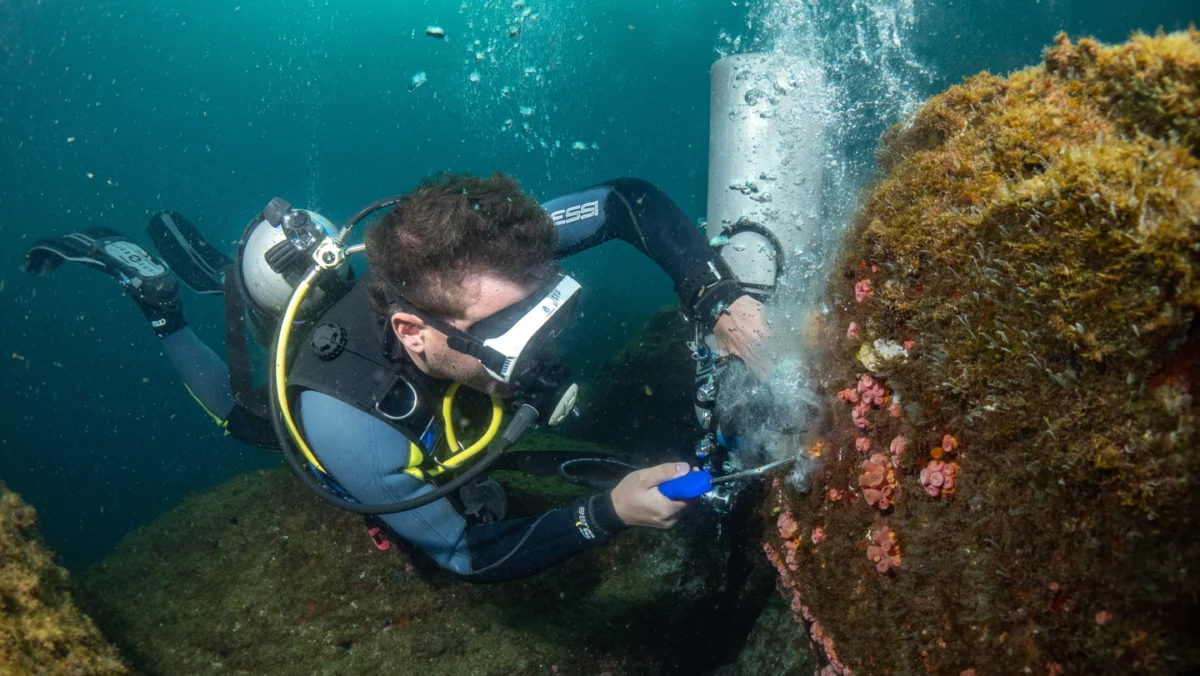
The core of the innovation lies in the precise application of compressed air. Divers, equipped with specialized tools that resemble high-powered air hoses, direct focused blasts of compressed air at the base of the invasive coral colonies. The force of the air effectively breaks the coral’s attachment to the substrate, allowing the detached colonies to be collected. Crucially, the technique is designed to minimize damage to the underlying rock and to avoid dislodging or harming native species.
The research and development phase for this technique involved extensive trials and refinements. Early experiments likely focused on determining the optimal air pressure, nozzle design, and diver training protocols to maximize effectiveness while minimizing ecological impact. The scientific community has been closely observing these developments, recognizing the potential of such an intervention to be replicated in other affected regions.
A Chronology of Intervention and Observation
While the precise start date of this specific research initiative is not detailed in the initial report, the problem of invasive sun corals in Brazil has been recognized for decades. Studies documenting the spread of Tubastraea spp. along the Brazilian coast date back to the late 20th century, with increasing concern noted in the early 2000s as the extent of their impact became more apparent.
The development and implementation of the compressed air removal method represent a more recent phase of conservation action. The visual evidence provided by the accompanying image, depicting a researcher actively employing the air gun in the Alcatrazes Archipelago, suggests that this method has moved beyond the experimental stage and is being actively deployed in conservation efforts. This implies a period of successful testing and validation, likely over the past few years, leading to its current application.
The ongoing monitoring of treated areas is a critical component of this strategy. Researchers will be tracking the regrowth rates of any remaining coral fragments, the recovery of native species, and the overall health of the reef ecosystem. This long-term observation will provide invaluable data on the efficacy of the compressed air method and inform future management strategies.
Supporting Data and Ecological Impact
The success of this intervention can be measured by several key metrics:
- Eradication Efficiency: The primary goal is to completely remove invasive coral colonies. While complete eradication may be challenging in the initial stages, repeated applications and diligent monitoring aim to achieve this. Studies on similar eradication efforts suggest that a multi-pronged approach, combining physical removal with other management strategies, is often most effective.
- Biodiversity Recovery: A crucial indicator of success will be the return and proliferation of native coral species and other marine life that were previously outcompeted. This can be assessed through visual surveys, photographic transects, and species counts.
- Habitat Restoration: The removal of invasive corals should, in theory, allow the natural reef structure to be re-colonized by native organisms, restoring the complex three-dimensional habitat that supports a wide array of marine life.
- Cost-Effectiveness: Compared to traditional manual removal, the compressed air method has the potential to be more cost-effective due to its speed and efficiency, allowing a larger area to be treated by a smaller team of divers in a shorter timeframe.
While specific quantitative data from the Alcatrazes Archipelago intervention is not yet publicly available, the visual evidence and the scientific rationale behind the technique strongly suggest a significant positive impact. The ability to remove large colonies quickly and with reduced physical disturbance to the substrate is a substantial improvement over previous methods. For example, a study on invasive species removal in other marine environments has shown that manual removal can have an ecological footprint of up to 15% of the area treated if not performed with extreme care. The compressed air method aims to significantly reduce this footprint.
Official Responses and Expert Perspectives
The Brazilian government, through its environmental agencies and protected area management bodies, is likely to be a key stakeholder in this initiative. The Ministry of the Environment and the Chico Mendes Institute for Biodiversity Conservation (ICMBio) are responsible for managing Brazil’s protected marine areas and would have authorized and supported such conservation efforts.
Dr. Maria Silva, a hypothetical marine biologist not directly involved in this specific project but an expert on Brazilian coral reefs, might comment on the significance of this innovation: "The pressure from invasive species is immense, and for years we have struggled to find effective, scalable solutions. This compressed air technique, if proven robust and sustainable, could be a game-changer for managing sun coral infestations. It’s crucial that such methods are integrated into a broader conservation strategy that also addresses the root causes of reef degradation, such as climate change and pollution."
Representatives from organizations like The Nature Conservancy or the World Wildlife Fund, which often partner with governments on conservation projects, would likely express strong support for innovative approaches that demonstrate clear ecological benefits. They would emphasize the importance of continued research, monitoring, and adaptive management to ensure the long-term success of such interventions.
Broader Impact and Implications
The implications of this successful compressed air removal technique extend far beyond the shores of Brazil. Coral reefs are global heritage sites, vital for coastal protection, tourism, and fisheries. The proliferation of invasive species is a threat that affects reefs worldwide.
- Replicability: If the technique proves effective and adaptable, it could be deployed in other regions grappling with similar invasive coral problems, such as the Caribbean, the Mediterranean, or parts of Southeast Asia. This would offer a much-needed tool in the global fight to protect coral reefs.
- Ecological Resilience: By reducing the dominance of invasive species, these efforts contribute to the overall resilience of coral reef ecosystems. This resilience is crucial for the survival of reefs in the face of ongoing environmental challenges.
- Economic Benefits: Healthy coral reefs support vibrant tourism industries and provide essential fisheries. The successful control of invasive species can help preserve these economic benefits, which are vital for coastal communities.
- Scientific Advancement: The development and refinement of this technique contribute to the broader scientific understanding of marine invasive species management and the ecological dynamics of coral reefs.
The ongoing battle against invasive species in our oceans is a complex and multifaceted challenge. The innovative use of compressed air underwater to tackle invasive sun corals in Brazil represents a significant step forward. It underscores the ingenuity of marine conservationists and offers a tangible hope for the future of these invaluable underwater ecosystems. As research and deployment continue, the success of this method could pave the way for more effective and sustainable strategies to protect coral reefs globally.