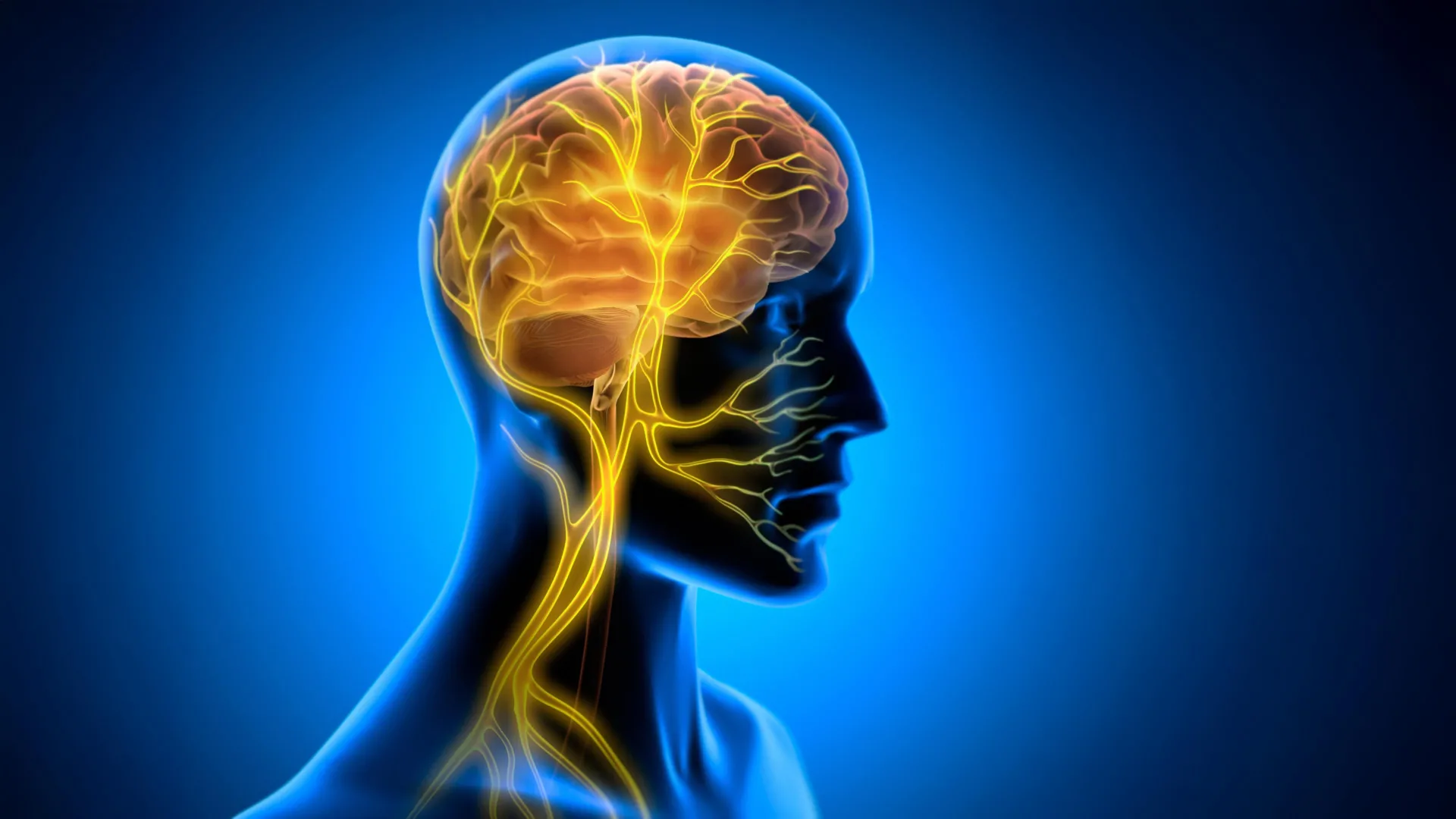
Emerging research published in the Journal of Neurology, Neurosurgery & Psychiatry suggests that a specific dietary regimen—the Mediterranean-DASH Intervention for Neurodegenerative Delay (MIND)—may serve as a potent tool in preserving brain structure against the natural ravages of aging. By synthesizing the cardiovascular benefits of the Mediterranean diet with the blood-pressure-lowering components of the DASH diet, the MIND eating pattern appears to mitigate the loss of grey matter and slow the expansion of brain ventricles, critical markers of neurological health.
The investigation, which spanned two decades, highlights a significant correlation between high adherence to this dietary framework and the retention of brain volume in middle-aged and older adults. As global populations age, the search for non-pharmacological interventions to delay the onset of neurodegenerative conditions like Alzheimer’s and Parkinson’s disease has intensified, making these findings particularly relevant for public health policy and individual wellness strategies.
Understanding the MIND Diet Framework
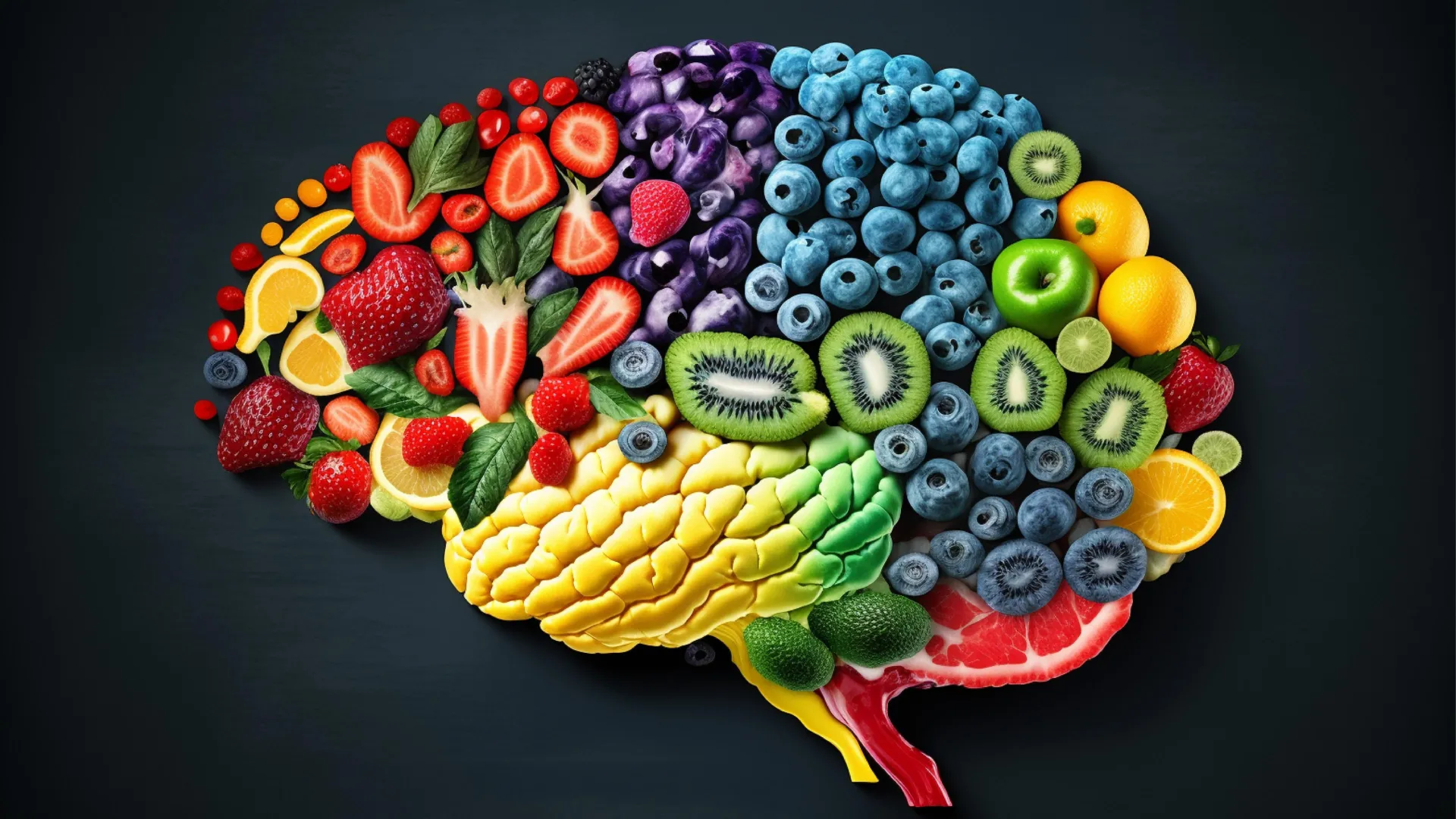
The MIND diet is not a restrictive weight-loss fad but rather a nutrient-dense eating pattern designed to combat inflammation and oxidative stress. It explicitly prioritizes ten "brain-healthy" food groups: green leafy vegetables, other vegetables, berries, nuts, whole grains, fish, beans, olive oil, and poultry. Simultaneously, it advocates for the stringent limitation of foods known to promote systemic inflammation, such as butter, margarine, cheese, red meat, fried fast foods, and sugar-heavy pastries.
The rationale behind the diet is rooted in the synergistic effect of antioxidants and high-quality proteins. Researchers posit that berries, for instance, provide anthocyanins—flavonoids that have been shown in various studies to cross the blood-brain barrier and reduce oxidative damage in the hippocampus. Conversely, the high trans-fat and advanced glycation end-product content found in processed and fried foods are hypothesized to trigger vascular damage, which can lead to white matter hyperintensities—often visualized as "bright spots" on an MRI scan—which are early warning signs of small-vessel disease in the brain.
Chronology of the Framingham Heart Study Analysis
The data utilized for this study was extracted from the Framingham Heart Study Offspring cohort (FOS), a longitudinal project that has provided foundational insights into cardiovascular and neurological health since the late 20th century. The researchers tracked 1,647 participants, with an average age of 60 at the study’s inception, to observe how dietary choices influenced brain morphology over time.
The study followed a rigorous timeline:
- 1991–2001: Dietary intake was measured via food frequency questionnaires (FFQs) administered during health check-ups.
- 1999–2019: Participants underwent repeated brain MRI scans at intervals ranging from two to six years.
- Primary Inclusion Criteria: All participants were required to be free of stroke or dementia at the time of their first baseline MRI scan.
- Follow-up Period: The average duration of monitoring for each participant was 12 years, providing a robust window to witness longitudinal changes in brain volume.
At the baseline, the mean MIND diet score among the cohort was approximately 7 out of a possible 15. The participants who demonstrated the highest adherence—the top third of the cohort—tended to share common demographic markers: they were more likely to be female, possess higher levels of education, and abstain from smoking. They also exhibited a lower prevalence of metabolic comorbidities, such as type 2 diabetes and hypertension, which are well-documented risk factors for cognitive decline.
Quantitative Impacts on Brain Structure
The longitudinal MRI data revealed expected, age-related structural changes across the entire participant group, including a decrease in the volume of grey matter, white matter, and the hippocampus. However, the rate of these changes varied significantly based on diet.
The statistical findings were notable: for every 3-point increase in a participant’s MIND diet score, the rate of grey matter loss slowed by 0.279 cm³ per year. Researchers characterized this as a 20% reduction in age-related decline, effectively equating to a 2.5-year "delay" in the biological aging of the brain. A similar protective effect was observed regarding ventricular enlargement—the process by which fluid-filled spaces in the brain expand as surrounding tissue atrophies. A 3-point rise in the diet score correlated with an 8% reduction in ventricular expansion, representing roughly one year of delayed brain aging.
While the aggregate data pointed toward the efficacy of the diet, specific food items exhibited varying degrees of influence. Poultry and berries emerged as particularly protective, showing strong associations with slower ventricular enlargement. In contrast, the data regarding whole grains and cheese presented an anomaly; while the diet as a whole is lauded, higher whole-grain intake was paradoxically linked to faster rates of tissue loss in this specific cohort, while cheese consumption was associated with slower declines in grey matter. Researchers caution that these specific food-item associations may be influenced by hidden variables or dietary context not fully captured by the FFQ method.
Clinical Implications and Expert Perspective
The implications of these findings are substantial for the field of geriatric medicine. By identifying diet as a modifiable risk factor, clinicians may soon have a more accessible tool to offer patients concerned about cognitive longevity. The fact that the benefits of the MIND diet were more pronounced in older participants suggests that it is never too late to adopt neuroprotective eating habits, and that the diet may be particularly effective for individuals already at risk of accelerated brain atrophy.
"The consistency of these associations across various analytical models underscores the potential of dietary intervention as a primary strategy for public health," noted independent nutrition experts reviewing the study. "While we cannot claim that the diet causes the preservation of brain tissue—given the observational nature of the study—the correlation is sufficiently strong to warrant large-scale clinical trials."
The researchers also noted that the protective effects of the diet were amplified in individuals who maintained regular physical activity and a healthy body mass index (BMI). This "lifestyle clustering" effect suggests that the MIND diet does not operate in a vacuum; rather, it works best when integrated into a broader framework of wellness that includes cardiovascular exercise and metabolic maintenance.
Methodological Limitations and Future Research
Despite the compelling nature of the results, the study authors emphasize the necessity of acknowledging limitations inherent in observational research. The primary concern is the reliance on food frequency questionnaires, which are susceptible to "recall bias," where participants may inadvertently misreport or forget details of their long-term dietary habits. Furthermore, the study could not entirely rule out the presence of sub-clinical cognitive impairment at the start of the 1999 scan period.
Additionally, the demographic composition of the FOS cohort—which was predominantly White—limits the generalizability of the findings to more diverse ethnic and racial populations. Future research will need to expand the scope of these longitudinal studies to ensure that the neuroprotective benefits of the MIND diet are consistent across different cultural dietary traditions and genetic backgrounds.
The researchers concluded that while these findings do not provide a "cure" for dementia, they represent a significant step forward in understanding how nutrition acts as a structural defense mechanism for the human brain. As clinical guidelines continue to evolve, the MIND diet is increasingly positioned not just as a dietary suggestion, but as a critical component of a comprehensive strategy aimed at slowing the silent, structural progression of neurodegeneration in an aging global population. By prioritizing the intake of antioxidants and high-quality proteins while minimizing the intake of processed inflammatory agents, individuals may possess a degree of agency in maintaining their cognitive independence well into their later years.