

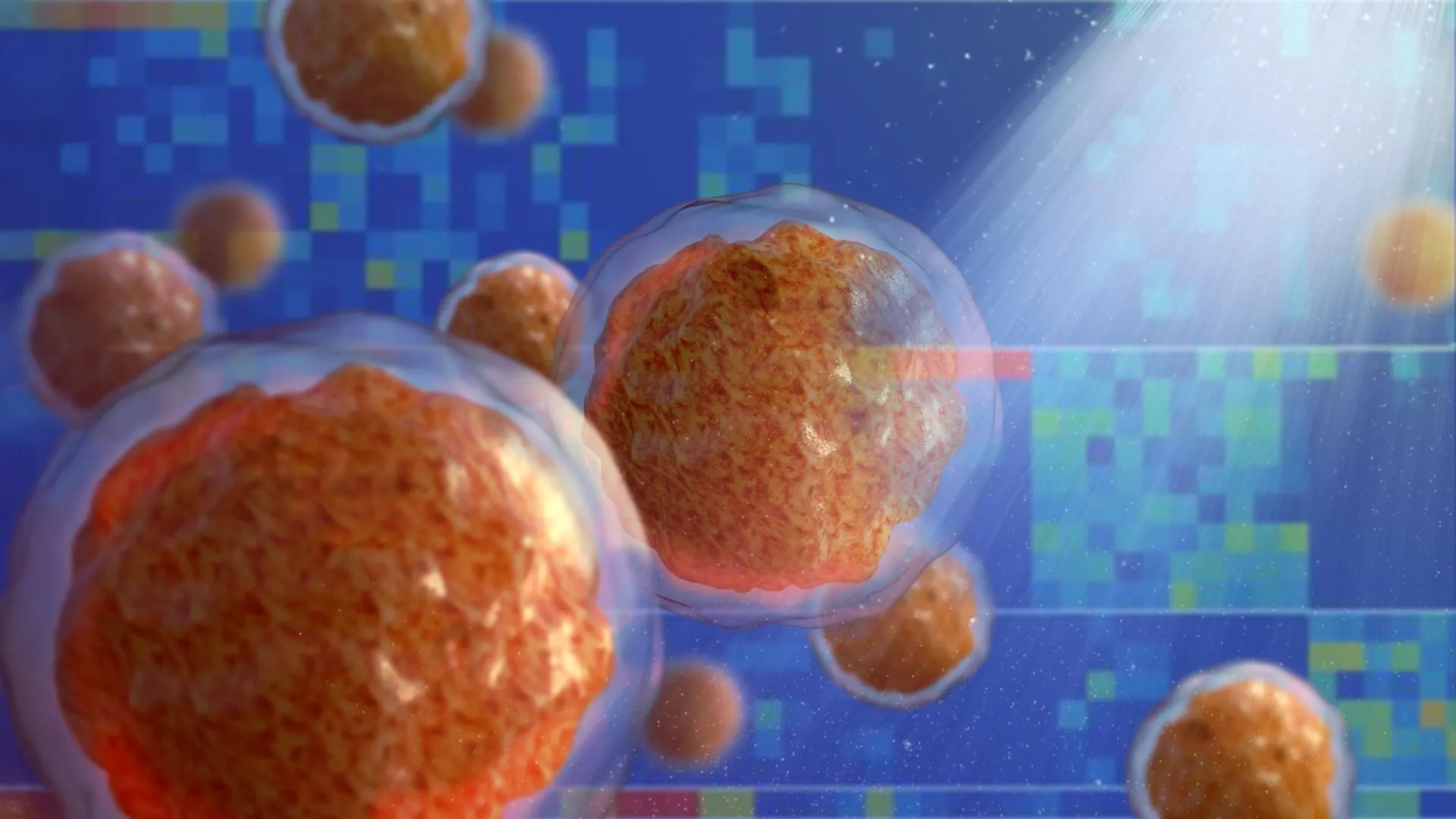
Every moment of every day, the human bone marrow serves as a biological factory of staggering proportions, generating millions of fresh blood and immune cells to sustain life. This relentless renewal is governed by a delicate and sophisticated ecosystem, a symbiotic relationship between hematopoietic stem cells (HSCs), supportive stromal cells, and a complex network of immune signaling molecules. However, as the human body ages, this equilibrium begins to falter. New research led by an international coalition of scientists has revealed that the bone marrow microenvironment undergoes a profound inflammatory transformation long before the clinical onset of blood cancers, offering a new paradigm for early detection and preventative intervention.
The study, co-led by Judith Zaugg of EMBL and the University of Basel and Borhane Guezguez from University Medical Center (UMC) Mainz, utilized advanced molecular and spatial analysis to map the "niche" where blood is born. Published in Nature Communications, the findings suggest that chronic inflammation—a process often termed "inflammaging"—does not merely accompany bone marrow disorders but actively reshapes the cellular landscape to favor the expansion of mutated, potentially malignant cells.
The Hidden Progression: From CHIP to Myelodysplastic Syndrome
For decades, hematologists have observed a phenomenon known as clonal hematopoiesis of indeterminate potential (CHIP). CHIP occurs when a single mutated hematopoietic stem cell gains a competitive advantage and begins to produce a significant fraction of the body’s blood cells. While individuals with CHIP are typically asymptomatic, the condition is far from benign. Statistics indicate that CHIP is present in approximately 10% to 20% of adults over the age of 60, rising to nearly 30% in those over 80.
The presence of CHIP increases the risk of developing hematologic malignancies, such as leukemia, by tenfold. Perhaps more surprisingly, it also doubles the likelihood of cardiovascular disease and increases the risk of early mortality. When these mutated clones further destabilize the marrow, they can lead to Myelodysplastic Syndrome (MDS). MDS is a group of disorders characterized by inefficient blood cell production and a gradual failure of the bone marrow. Affecting roughly 20 in every 100,000 adults over the age of 70, MDS is a precursor to Acute Myeloid Leukemia (AML) in approximately 30% of cases. AML is an aggressive cancer that remains difficult to treat and is frequently fatal in older populations.
Despite the known risks, the exact mechanisms that allow mutated HSCs to dominate the bone marrow have remained elusive. The research team sought to determine whether the "soil"—the bone marrow microenvironment—was as responsible for disease progression as the "seeds"—the mutated stem cells themselves.
Mapping the Bone Marrow Microenvironment
To investigate this, the researchers conducted an exhaustive study using samples from the BoHemE cohort, a collaborative effort with Uwe Platzbecker at the National Center for Tumor Diseases (NCT) Dresden. The team employed a multi-omic approach, combining single-cell RNA sequencing, biopsy imaging, proteomics, and co-culture models to create a high-resolution map of the bone marrow in healthy donors, individuals with CHIP, and patients diagnosed with MDS.
The analysis revealed a startling cellular shift that begins during the CHIP stage, well before a patient would typically seek medical attention. In a healthy marrow, mesenchymal stromal cells (MSCs) provide the structural and chemical support necessary for stem cell health. However, the researchers discovered that in the presence of aging and somatic mutations, these healthy MSCs are gradually replaced by a population of inflammatory stromal cells, termed iMSCs.
"I was surprised to observe such pronounced remodeling of the bone marrow microenvironment already in individuals with CHIP," noted Judith Zaugg, co-senior author and EMBL Group Leader. While the specific cause-and-effect triggers are still being debated, the presence of these iMSCs marks a point of no return for the marrow’s healthy functioning.
The Inflammatory Feed-Forward Loop
The functional difference between a healthy MSC and an iMSC is profound. The researchers found that iMSCs produce high volumes of interferon-induced cytokines and chemokines. These signaling proteins act as a beacon, attracting and activating interferon-responsive T cells. Once these T cells enter the marrow, they further stimulate the stromal cells, creating a self-sustaining inflammatory loop.
This chronic inflammatory state has several devastating effects on blood production. First, it disrupts the normal signals that govern HSC renewal. Second, it contributes to vascular changes within the marrow, altering the blood flow and nutrient delivery essential for cell health. Third, and perhaps most critically, it appears to create an environment where mutated stem cells can thrive while healthy stem cells are suppressed.
One of the most significant discoveries involved the signaling protein CXCL12. In a healthy environment, MSCs produce CXCL12 to act as an anchor, signaling blood cells to settle and mature within the protective niche of the bone marrow. The study found that MDS stem cells are unable to trigger stromal cells to produce this vital signal. "This failure may help explain why the bone marrow stops working properly," said Karin Prummel, co-lead author and EMBL postdoc. Without the "homing" signal of CXCL12, the orderly production of blood cells collapses.
Distinguishing Mutant from Normal: The SpliceUp Breakthrough
A major challenge in studying MDS and CHIP is that mutated and non-mutated cells often coexist in the same tissue, making it difficult to determine which cells are driving the inflammation. To solve this, co-lead author and EMBL alumnus Maksim Kholmatov developed a computational tool called SpliceUp.
Working in collaboration with the Karolinska Institute, the team used SpliceUp to identify mutated cells within single-cell datasets by detecting abnormal RNA-splicing patterns—a hallmark of MDS. This allowed the researchers to separate the "signal" of the mutated cells from the surrounding "noise."
Surprisingly, the data suggested that the mutated hematopoietic cells do not directly trigger the inflammatory response through their own gene expression. Instead, the inflammation appears to be a systemic property of the microenvironment. "It was quite surprising to see the lack of a direct inflammatory effect that we could attribute to the mutant cells," Kholmatov explained. This suggests that the T cell and stromal compartments are the primary drivers of the disease’s progression, shaping the environment into one that inadvertently supports the survival of malignant clones.
Chronology of Bone Marrow Decay
The research allows for a clearer timeline of how blood diseases evolve over decades:
- Healthy Aging: Normal HSCs function within a stable MSC niche.
- Initial Mutation: A somatic mutation occurs in an HSC (CHIP).
- Niche Remodeling: Environmental stressors or the mutation itself begin to transform MSCs into inflammatory iMSCs.
- Inflammatory Loop: Interferon-responsive T cells are recruited, creating a chronic inflammatory state.
- Signal Failure: The loss of CXCL12 production disrupts the homing and maturation of blood cells.
- Clinical MDS: Normal blood production fails; the marrow becomes crowded with inefficient, mutated cells.
- Leukemic Transformation: Further mutations lead to the rapid, uncontrolled growth of AML.
Therapeutic Implications and the Future of Preventative Care
The identification of the bone marrow niche as a driver of disease opens new doors for "interceptive" medicine—treating the disease before it fully manifests. Current cancer treatments often focus exclusively on destroying the mutated cells. However, this research suggests that if the "soil" remains inflammatory, new healthy stem cells (such as those from a transplant) may eventually succumb to the same environment.
"Our findings reveal that the bone marrow microenvironment actively shapes the earliest stages of malignant evolution," said Borhane Guezguez of UMC Mainz. This insight provides a foundation for using anti-inflammatory drugs or interferon-signaling inhibitors to preserve marrow function in older adults. By targeting the iMSCs and the T cell feedback loop, clinicians might be able to slow or even halt the transition from CHIP to MDS.
Furthermore, the molecular signatures of iMSCs could serve as early biomarkers. Routine bone marrow screenings for older adults at high risk could identify these inflammatory markers years before leukemia develops, allowing for personalized preventative strategies.
Inflammaging: A Wider Health Crisis
The implications of this study extend far beyond hematology. The concept of "inflammaging"—the low-grade, chronic inflammation that characterizes the aging process—is a known contributor to Alzheimer’s, diabetes, and atherosclerosis. This study positions the bone marrow as a central player in systemic inflammaging. The bone marrow is not just a victim of aging; its inflammatory state likely contributes to the systemic inflammation that drives other age-related diseases.
The study’s findings are bolstered by a secondary, complementary study led by Marc Raaijmakers of the Erasmus MC Cancer Institute, also published in Nature Communications. Together, these papers provide a comprehensive view of how the bone marrow’s "ecosystem" is the true battleground for aging and disease.
As Judith Zaugg noted, the next step is to understand the "memory" of the bone marrow niche. If a patient undergoes a stem cell transplant, does the remodeled, inflammatory environment persist? "We are now investigating to what extent the niche retains a ‘memory’ of disease, which could shape how it responds to new, healthy stem cells," Zaugg said.
This research marks a significant shift in oncology, moving from a cell-centric view to an ecosystem-centric view. By understanding the complex dialogue between the marrow and the immune system, scientists are moving closer to a future where the transition from aging to cancer is no longer an inevitability, but a manageable and preventable condition.

















Leave a Reply