In a landmark advancement for regenerative medicine and bioengineering, a multidisciplinary team of researchers from the University of Pennsylvania School of Engineering and Applied Science, the Perelman School of Medicine, and the Children’s Hospital of Philadelphia has successfully developed a sophisticated "organ-on-a-chip" that emulates the complex environment of human bone marrow. This breakthrough, detailed in the journal Cell Stem Cell, provides a functional, laboratory-grown model of the human hematopoietic system, offering an unprecedented window into how the body produces blood and immune cells. By mimicking the marrow’s native architecture and biological signaling, the platform addresses a long-standing bottleneck in medical research: the inability of animal models to accurately replicate the nuances of human bone marrow physiology and its response to external stressors such as chemotherapy, radiation, and even microgravity.
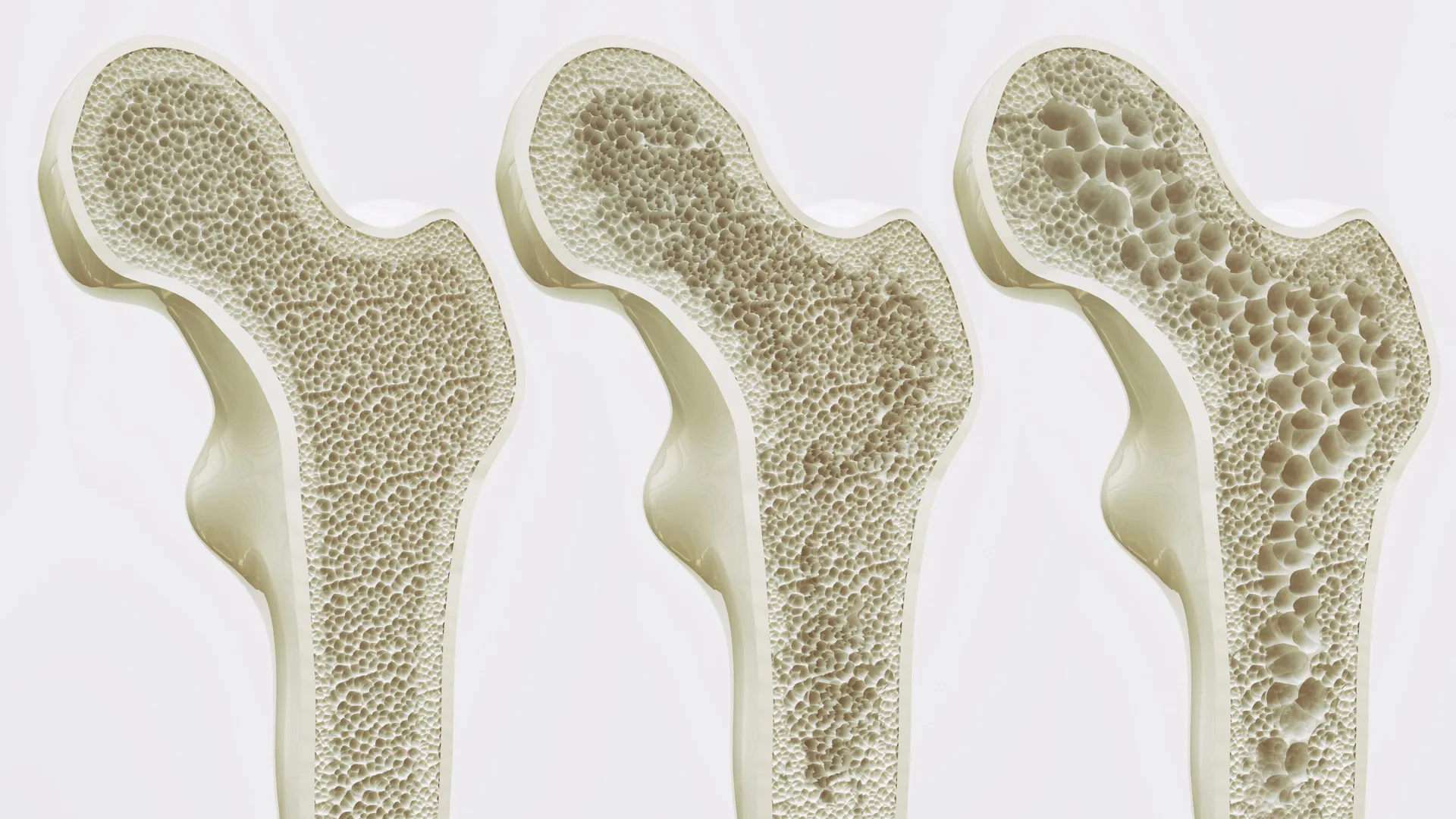
Bone marrow is one of the most vital yet inaccessible organs in the human body. Nestled within the cavities of bones, it serves as a biological factory, producing billions of new blood cells every day. These include red blood cells, which transport oxygen; platelets, which facilitate clotting; and an array of white blood cells that form the backbone of the innate and adaptive immune systems. When this factory is compromised—whether by primary cancers like leukemia or as a secondary effect of aggressive treatments like radiotherapy—the consequences are often life-threatening. Patients frequently suffer from neutropenia, a condition characterized by dangerously low white blood cell counts that leaves the body defenseless against common infections. The development of a human-specific model to study these processes marks a pivotal shift in how scientists can screen new drugs and develop protective therapies.
Engineering the Microenvironment: Borrowing Nature’s Recipe
The engineering of the bone marrow-on-a-chip represents a departure from traditional tissue engineering, which often attempts to force cells into specific structures. Instead, the team, led by Dan Huh, a Professor in Bioengineering at Penn Engineering, and G. Scott Worthen, an attending physician at CHOP and Professor Emeritus at PSOM, utilized a "developmental" approach. They focused on replicating the conditions present during human embryonic development, where bone marrow first begins to form.
The device itself is a small, transparent plastic chip containing microfluidic chambers. These chambers are filled with a specialized hydrogel—a water-swollen polymer network—that acts as a scaffold. Within this gel, the researchers seeded human hematopoietic stem cells (HSCs) alongside mesenchymal cells, which provide structural support, and endothelial cells, which form the lining of blood vessels.
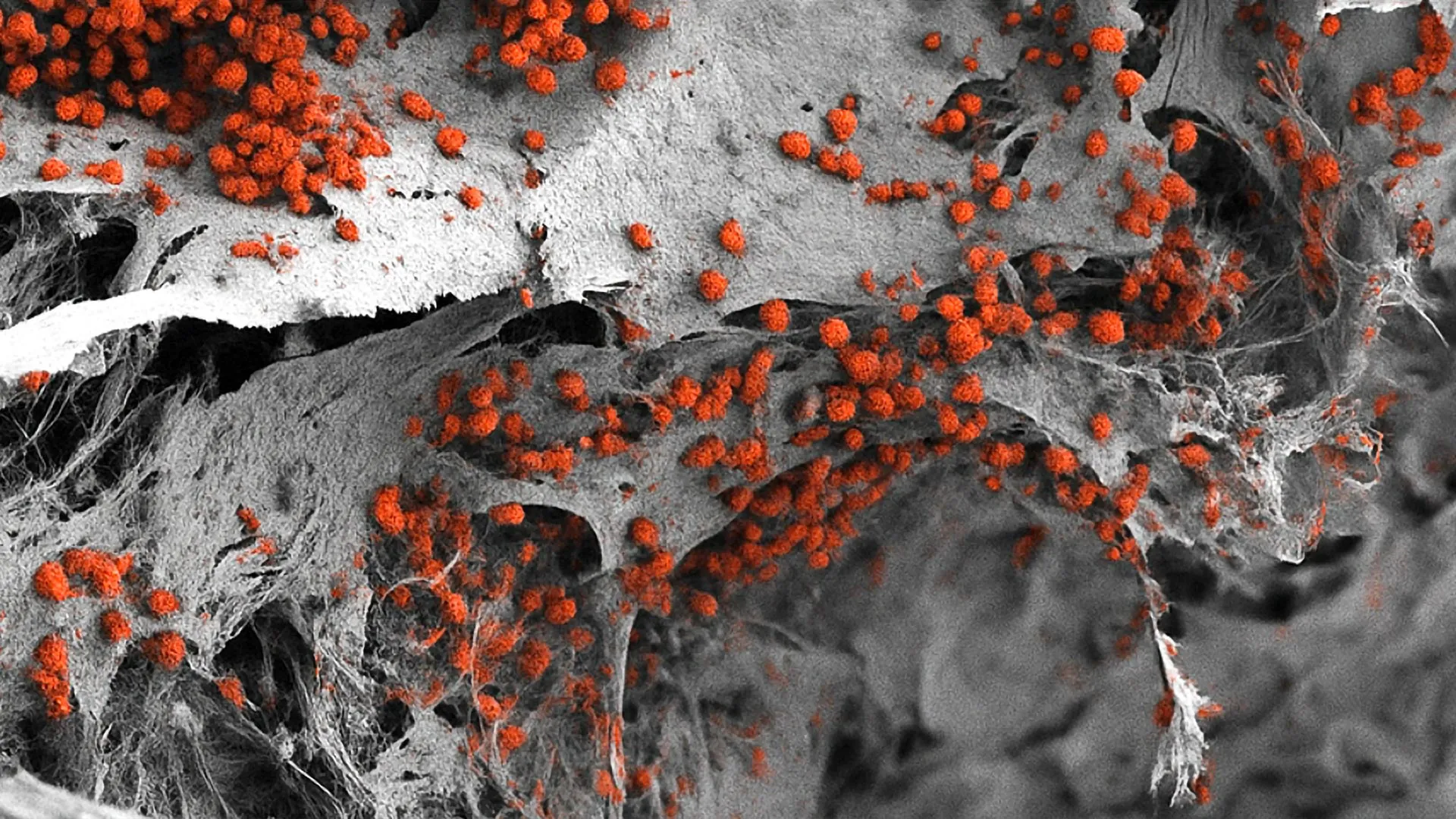
The breakthrough lay in the "self-organizing" capability of these cells. When provided with the correct environmental cues and nutrient-rich media flowing through engineered capillary vessels, the cells did not just survive; they organized themselves into a functional tissue. This synthetic marrow was able to sustain HSCs for extended periods, produce mature blood cells, and, crucially, release those cells into the artificial bloodstream in a manner that mirrors the human body. This ability to maintain stem cell "potency" over time has long been considered a "Holy Grail" in hematology, as stem cells isolated from donors typically lose their effectiveness quickly when cultured in traditional laboratory dishes.
A Decade of Development: From the Laboratory to the International Space Station
The journey to create this platform spans nearly ten years and was originally catalyzed by the unique challenges of deep-space exploration. The project’s origins date back to a proposal by Huh and Worthen to study the immune systems of astronauts. Clinical data from decades of spaceflight have shown that prolonged exposure to microgravity and cosmic radiation can suppress the immune system, making astronauts more susceptible to infections and slowing wound healing.
In 2014, the team proposed sending a bone marrow-on-a-chip to the International Space Station (ISS) to observe these effects in real-time. The project involved rigorous testing to ensure the biological models could survive the G-forces of launch and the automated requirements of a space-bound laboratory. However, the path to the stars was fraught with technical hurdles. During the first attempted launch, a flow controller in the "cubelab" system—the hardware designed to keep the tissue alive—short-circuited during the ascent. A subsequent attempt was derailed by the global disruptions of the COVID-19 pandemic.
Despite these setbacks, the researchers pivoted their focus back to terrestrial applications. The rigorous engineering required for space—miniaturization, automation, and high-fidelity replication of human biology—resulted in a more robust and versatile platform for use in hospitals and pharmaceutical laboratories on Earth. The failure of the space missions paradoxically accelerated the refinement of the chip for high-throughput drug screening and complex disease modeling.
Modeling Immune Response and Organ Crosstalk
One of the most sophisticated features of the new platform is its ability to model "crosstalk" between different organs. The human body does not operate in isolation; when an infection occurs in the lungs, the bone marrow receives chemical signals to ramp up production and deploy white blood cells.
To demonstrate this, the Penn and CHOP researchers connected the bone marrow chip to a previously developed "lung-on-a-chip" model. They introduced a bacterial infection into the lung model and observed the systemic response. For the first time in an in vitro setting, scientists were able to visualize the entire cycle of the innate immune response: the lung tissue sent signals through the interconnected fluidic channels, the bone marrow chip responded by rapidly mobilizing white blood cells, and these cells then traveled through the "bloodstream" to the site of infection, where they began engulfing the bacteria.
This level of complexity is vital for drug development. Many experimental drugs fail in human trials because animal models do not accurately reflect how human organs communicate or how the human immune system reacts to specific toxins. By using interconnected human-on-a-chip models, pharmaceutical companies can identify potential side effects or lack of efficacy much earlier in the development process, potentially saving billions of dollars and reducing the reliance on animal testing.
Clinical Implications: Cancer Treatment and Stem Cell Therapy
The immediate clinical application of the bone marrow-on-a-chip lies in oncology. Cancer patients undergoing chemotherapy often face a delicate balance: the drugs must be strong enough to kill the tumor but not so toxic that they permanently destroy the bone marrow’s ability to regenerate.
The Penn team demonstrated that their chip could simulate the bone marrow toxicity of common chemotherapy agents and radiotherapy. By exposing the chip to varying doses of radiation, they could study the specific mechanisms of marrow injury and test the efficacy of "radioprotective" drugs designed to shield the marrow from damage. This opens the door to personalized medicine, where a patient’s own cells could be used to populate a chip, allowing doctors to test different treatment regimens ex vivo to find the most effective and least toxic option.
Furthermore, the platform holds promise for advancing hematopoietic stem cell transplantation. Currently, bone marrow transplants are invasive and require finding a perfect genetic match. The ability of the chip to maintain and potentially expand a population of healthy stem cells in the lab could lead to new methods for growing a patient’s own stem cells for re-implantation, reducing the risk of rejection and the need for donor searches.
Broader Impact and the Future of Bioengineering
The successful creation of the bone marrow-on-a-chip has significant implications for the future of the "Organ-on-a-Chip" (OOC) industry. Andrei Georgescu, a former doctoral student in Huh’s lab and now CEO of the startup Vivodyne, is working to commercialize this technology. The goal is to create automated, large-scale production of these chips to allow for high-throughput preclinical screening.
The move toward these models is also supported by shifting regulatory landscapes. The FDA Modernization Act 2.0, signed into law in late 2022, removed the requirement for animal testing for new drugs, allowing for the use of alternative methods like OOC technology. This legislative shift recognizes that while animal models have been useful, they are often poor predictors of human biological responses.
As the team moves forward, they plan to integrate more cell types and environmental factors into the chip, such as the influence of the nervous system on bone marrow function and the impact of different disease states like leukemia or sickle cell anemia. The "extraterrestrial" origins of the project continue to influence its direction, as the researchers remain interested in how the platform can be used to ensure the safety of future missions to the Moon and Mars.
In conclusion, the bone marrow-on-a-chip is more than just a piece of plastic and hydrogel; it is a sophisticated biological simulator that bridges the gap between traditional cell culture and human physiology. By providing a reliable, human-centric model of one of the body’s most complex systems, the researchers at UPenn and CHOP have provided the medical community with a powerful new tool to fight disease, protect patients, and perhaps one day, support the survival of humanity beyond Earth’s atmosphere.