Insilico Medicine, a pioneering company in artificial intelligence-driven drug discovery and development, has cemented a landmark global research and development collaboration with pharmaceutical giant Eli Lilly, a deal potentially valued at $2.75 billion. Announced on March 29, the agreement grants Eli Lilly an exclusive worldwide license to a comprehensive portfolio of Insilico’s preclinical oral therapeutics and establishes joint R&D programs spanning multiple therapeutic areas. This substantial partnership underscores a pivotal shift in the pharmaceutical industry towards integrating advanced AI capabilities directly into the core drug discovery pipeline, moving beyond mere AI assistance to fully AI-native approaches.
Under the terms of the agreement, Insilico Medicine is slated to receive an upfront payment of $115 million. This initial sum is complemented by significant milestone payments that could reach approximately $2.75 billion upon the successful achievement of development and commercialization targets. Furthermore, Insilico stands to gain tiered royalties on future sales of any products emerging from this collaboration, providing a long-term revenue stream tied to the success of these AI-generated assets. This financial structure reflects the increasing confidence of major pharmaceutical companies in the tangible value generated by AI-powered platforms.
A Deepening Strategic Alliance
The recent commercialization deal represents the culmination of a multi-stage relationship between Insilico Medicine and Eli Lilly, which began with software licensing in 2023. This initial engagement allowed Lilly to explore Insilico’s AI platforms and integrate them into its existing research infrastructure. The relationship deepened significantly two years later, in 2025, with the initiation of a dedicated research collaboration. This progression from software provider to research partner and now to a full-scale commercialization alliance demonstrates a systematic validation process, where Lilly incrementally assessed and confirmed the efficacy and potential of Insilico’s AI engine.
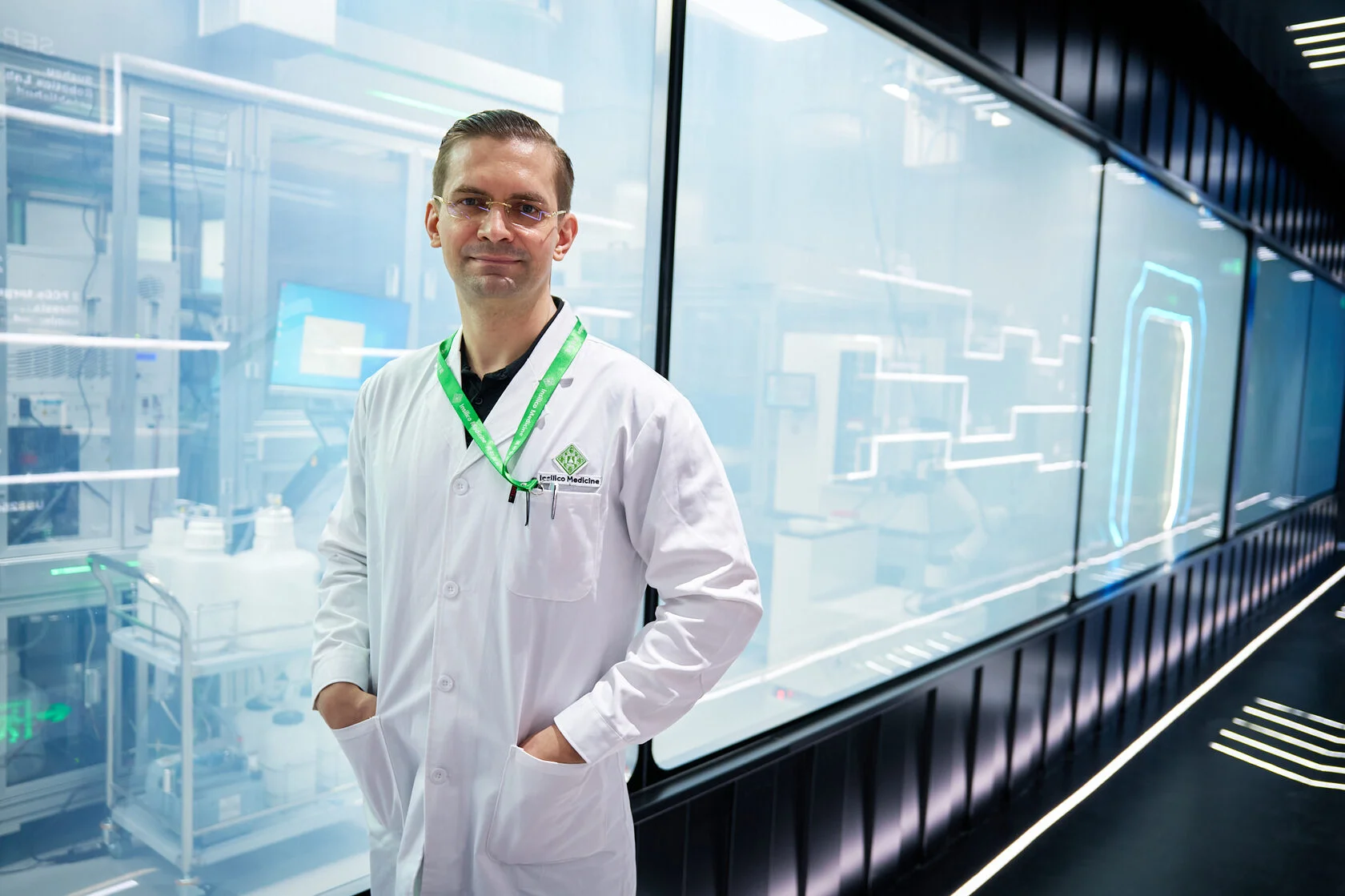
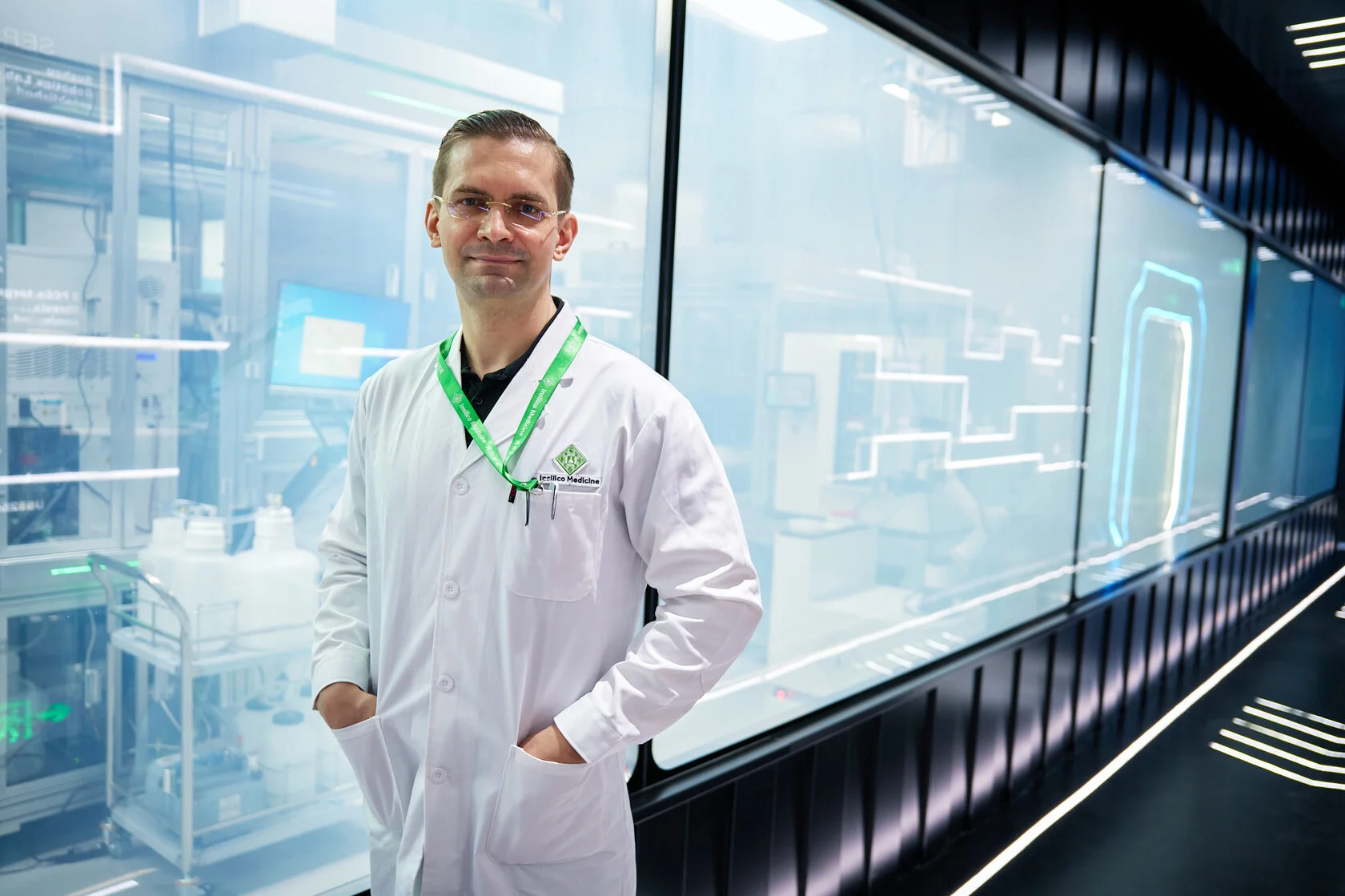
Alex Zhavoronkov, Ph.D., founder and CEO of Insilico Medicine, articulated the significance of this evolution in an exclusive interview. "The industry is moving from AI-assisted science to AI-native pipelines, and this partnership reflects that shift," Zhavoronkov stated, emphasizing the transformative nature of the collaboration. This statement highlights a broader industry trend where AI is no longer viewed as a supplementary tool but as an integral, generative force capable of accelerating and optimizing the entire drug discovery process.
Redefining Drug Discovery: From AI-Assisted to AI-Native
The core of this partnership lies in validating a novel paradigm for drug discovery. Zhavoronkov elaborated that the deal is not merely about licensing specific assets but about demonstrating a new model where AI systems are responsible for generating, refining, and scaling therapeutic programs in close collaboration with traditional pharmaceutical frameworks. This "AI-native" approach promises to revolutionize how new medicines are conceptualized and brought to market.
The licensed portfolio is intentionally defined at the level of therapeutic hypotheses rather than individual molecules. This strategic flexibility allows Eli Lilly to pursue multiple preclinical programs while leveraging Insilico’s robust biological and chemical starting points. For Insilico, these are oral small-molecule programs originating from their AI platforms, where early target biology, chemistry, and optimization frameworks are already well-established. Lilly gains global rights for advancement and commercialization, while Insilico retains substantial value through the upfront payment, milestones, and royalties. Crucially, Insilico also retains internal platform learnings, model improvements, and the capacity to redeploy similar AI approaches across adjacent targets and disease areas, ensuring continuous innovation and compounding its underlying AI capabilities.
A Synergistic Workflow: Superintelligence Meets Clinical Excellence
The division of labor within this partnership exemplifies a strategic fusion of specialized strengths. Zhavoronkov vividly described this dynamic: "We are essentially providing the ‘Superintelligence’ for discovery, while Lilly provides the ‘Clinical Excellence’ to bring these drugs to the finish line." This collaborative workflow is meticulously structured to maximize efficiency and success rates.
Once Eli Lilly identifies a therapeutic area of interest, Insilico leverages its proprietary AI platform, PandaOmics, to identify novel, "multi-purpose" targets. These targets often represent what Zhavoronkov refers to as "biological dark matter," pathways and mechanisms frequently overlooked by conventional discovery methods. Following target identification, Insilico takes the lead in the generative design phase using its Chemistry42 platform. The ambition here is audacious: to significantly compress the typical timeline for reaching a Preclinical Candidate (PCC) from several years to an impressive 12 to 18 months, with Insilico’s fastest recorded achievement being just nine months.
This accelerated design process is bolstered by a closed-loop validation system, dubbed the "From Prompt to Drug" framework. Within this framework, AI-driven hypotheses are swiftly tested in automated laboratories, enabling rapid, high-fidelity iteration and refinement. As an asset transitions into clinical development, Lilly assumes responsibility for global development and commercialization, supported by Insilico’s InClinico platform, which aims to maximize the probability of clinical success through AI-driven insights. This synergy, as Zhavoronkov states, ensures that Insilico delivers the "discovery Superintelligence," while Lilly provides the vast infrastructure essential for bringing these potentially life-saving medicines to patients worldwide. This represents a significant step beyond "AI experiments" towards the industrialization of generative biology and chemistry to tackle complex human diseases with unprecedented speed.
Strategic Implications for Insilico’s Pipeline and Business Model
A deal of this magnitude inevitably recalibrates Insilico’s internal pipeline strategy, allowing it to both expand and refine its approach. Zhavoronkov noted that such a partnership enables the company to do "both more and better." Insilico categorizes its pipeline into three buckets: (1) internal programs nearing clinical stages, (2) early-stage internal programs, and (3) partnered programs. The Lilly collaboration effectively externalizes a significant portion of its pipeline, providing capital to fund continued platform scaling while allowing Insilico to concentrate internal resources on high-conviction, potentially first-in-class programs.
The decision to partner versus retain a program is guided by several factors: the therapeutic area, the competitive landscape, the novelty of the target, and the potential market size. Programs in highly competitive areas or those requiring extensive clinical infrastructure might be ideal candidates for partnership, leveraging the resources of a large pharma like Lilly. Conversely, Insilico might retain programs targeting unmet medical needs or those where its AI offers a distinct, first-in-class advantage. This balanced approach ensures sustainable growth and maximizes the impact of its AI innovations.
The Evolution of AI Adoption in Pharma
The phased engagement between Lilly and Insilico – from software licensing (2023) to research collaboration (2025) and finally to a comprehensive commercialization deal – serves as a clear blueprint for how AI-designed assets are gaining traction within the pharmaceutical industry. This incremental progression reflects increasing levels of trust, validation, and comfort with AI’s capabilities.
Initially, Lilly needed to assess the foundational strength and reliability of Insilico’s AI platforms through software licensing. This stage allowed for internal experimentation and data integration. The subsequent research collaboration provided proof-of-concept, demonstrating the AI’s ability to generate novel and viable biological and chemical starting points within a controlled environment. This stage likely involved rigorous evaluation of the AI’s predictions against experimental data. The ultimate commercialization deal signifies Lilly’s conviction in the AI’s ability to produce preclinical candidates that warrant substantial investment for global development and commercialization. This mirrors a broader industry shift where AI is transitioning from merely an "assistive technology" to a powerful "asset generator," capable of delivering tangible, high-value therapeutic candidates.
A Winning Model: Frontier Compute, Proprietary Data, Novel Biology
Zhavoronkov also addressed the competitive landscape, specifically referencing his assertion that Western biotech cannot outcompete China through protectionism but must innovate on novelty. This partnership, he argues, points towards a "winning architecture for modern drug discovery," comprising frontier compute, proprietary data, and novel biology.
Eli Lilly’s investment in an AI supercomputer underscores the importance of advanced computational power. This infrastructure allows for the processing of massive datasets and the training of complex AI models at an unprecedented scale. Insilico’s proprietary data, amassed from extensive research and robotic lab experiments, provides the fuel for these powerful AI engines, offering unique insights that are not readily available in public databases. Finally, the focus on novel biology ensures that the AI is directed towards discovering genuinely new mechanisms of action or targets, rather than simply optimizing existing ones.
No single component in this architecture is sufficient on its own. Large models without high-quality, proprietary data will underperform. Data without robust models cannot be scaled effectively. And neither computational power nor data will yield breakthroughs without a deep understanding of novel biology that translates clinically. This partnership exemplifies the integration of all three elements into a continuous learning system, where AI models improve as new data is generated, and biological frontiers are explored with unparalleled efficiency. This integrated approach is increasingly seen as the future of pharmaceutical R&D, promising to deliver more effective and safer drugs to patients faster than ever before.
The Broader Impact and Industry Context
The pharmaceutical industry has long grappled with the escalating costs and protracted timelines of drug development. The average cost to bring a new drug to market can exceed $2 billion, with success rates from preclinical stages to market hovering around 10-12%. AI holds the promise of significantly de-risking and accelerating this process. By leveraging AI to identify targets, design molecules, and predict clinical outcomes, companies aim to reduce discovery timelines by years, lower R&D expenditures, and improve the probability of success.
This deal comes amidst a surge in investment and activity in the AI-driven drug discovery sector. Numerous biotech startups are emerging with specialized AI platforms, attracting significant venture capital. Established pharmaceutical companies are aggressively pursuing partnerships, acquisitions, and internal AI initiatives to stay competitive. The global market for AI in drug discovery and development was valued at several billion dollars in the mid-2020s and is projected to grow exponentially, reaching tens of billions by the early 2030s. This growth is fueled by advancements in machine learning algorithms, increased computational power, and the availability of vast biological and chemical datasets.
Eli Lilly, known for its strong pipeline and recent successes in metabolic diseases and neuroscience, is strategically positioning itself at the forefront of this AI revolution. By partnering with Insilico, Lilly gains access to a validated "end-to-end AI engine" that can potentially augment its existing discovery efforts and accelerate the delivery of novel therapeutics. This move also signals to the broader market that AI-generated assets are now considered mature enough for substantial, multi-billion-dollar commitments from Big Pharma.
The collaboration’s focus on "oral therapeutics" is also noteworthy. Oral small molecules remain the bedrock of pharmaceutical treatment due to their ease of administration and patient convenience, despite the growing prominence of biologics. AI’s ability to rapidly design and optimize small molecules with desired pharmacological properties, including bioavailability and target specificity, is a significant advantage.
Ultimately, the Insilico-Lilly partnership is more than just a large financial deal; it is a testament to the transformative power of artificial intelligence in reshaping one of the most critical and challenging industries globally. It heralds an era where the fusion of human clinical acumen with AI’s "superintelligence" could unlock unprecedented progress in tackling human diseases, bringing novel medicines to patients with greater speed and efficiency. The progression from software licensing to a multi-billion-dollar commercialization deal serves as a powerful validation of the AI-native pipeline model, signaling a new benchmark for drug discovery in the 21st century.