

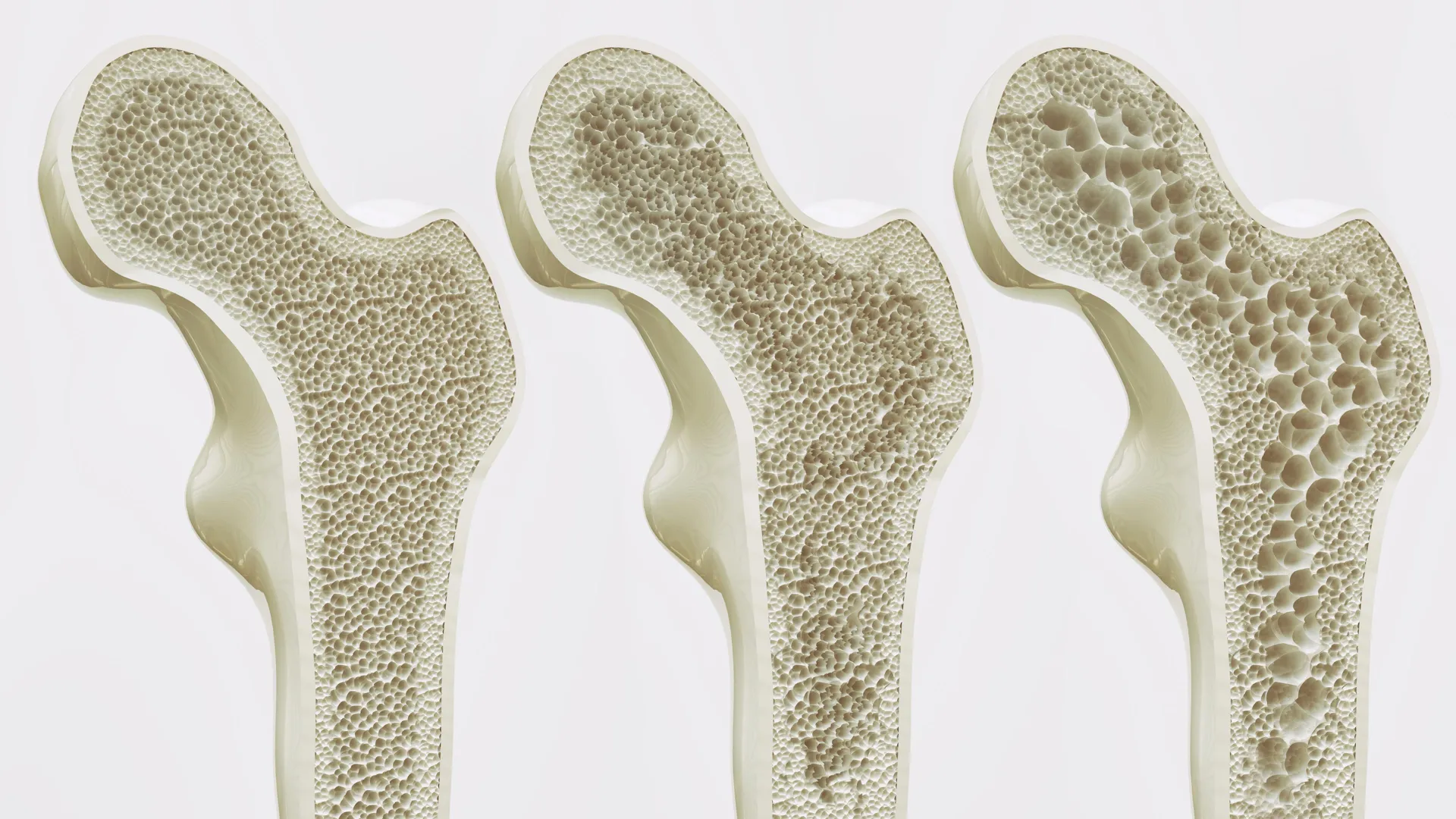
Researchers from the Department of Medicine at the School of Clinical Medicine, LKS Faculty of Medicine, University of Hong Kong (HKUMed) have identified a critical biological process that explains how physical activity maintains skeletal integrity. The study, published in the prestigious journal Signal Transduction and Targeted Therapy, reveals that a specific protein known as Piezo1 serves as the body’s internal "exercise sensor," allowing bone tissue to perceive and respond to mechanical movement. This breakthrough offers a potential pharmacological pathway to replicate the benefits of physical exercise for individuals who are physically unable to remain active, such as the elderly, the bedridden, or those suffering from chronic debilitating illnesses.
The discovery comes at a pivotal time as global healthcare systems grapple with the consequences of rapidly aging populations. Osteoporosis, a condition characterized by reduced bone density and increased fragility, is often referred to as a "silent thief" because bone loss occurs without symptoms until a fracture happens. By decoding the molecular mechanism that links movement to bone strength, the HKUMed team has provided a blueprint for "exercise mimetics"—medications designed to trick the body into producing bone-strengthening signals even in the absence of physical exertion.
The Global and Regional Burden of Osteoporosis
To understand the significance of this discovery, it is necessary to examine the current landscape of bone health. According to data from the World Health Organization (WHO), osteoporosis is a major global health concern, second only to cardiovascular disease as a leading healthcare problem. Statistically, one in three women and one in five men over the age of 50 will experience an osteoporotic fracture during their lifetime. These injuries are not merely physical setbacks; they are often life-altering events that lead to permanent disability, chronic pain, and a significant reduction in life expectancy.
In Hong Kong, the challenge is particularly acute due to the city’s demographic shift. Projections suggest that by 2036, nearly one-third of the Hong Kong population will be aged 65 or older. Currently, osteoporosis affects approximately 45% of women and 13% of men in this age bracket. The social and economic costs are staggering, with hip fractures alone accounting for a massive portion of surgical admissions in public hospitals. For many elderly patients, a hip fracture marks the end of independent living, necessitating long-term care and placing an immense strain on family members and the public healthcare infrastructure.
The Biological Tug-of-War: Bone versus Fat
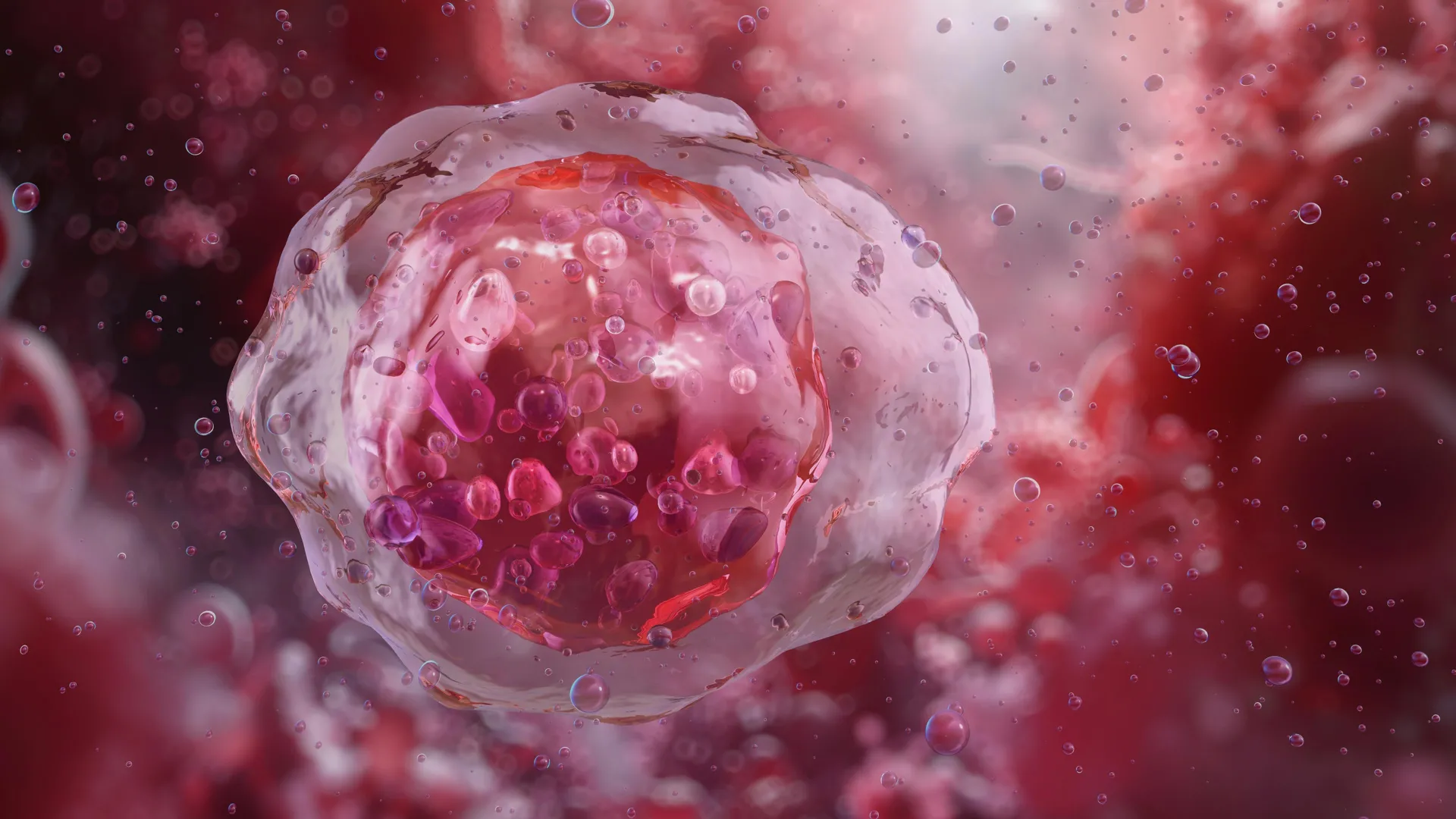
The core of the research focuses on the behavior of mesenchymal stem cells (MSCs) found within the bone marrow. These versatile cells are the precursors for various tissues, but they primarily face a developmental choice: they can either become osteoblasts (cells that build bone) or adipocytes (cells that store fat).
In a healthy, active individual, physical forces—such as the impact of walking, running, or weight-bearing exercise—signal these stem cells to prioritize bone formation. However, as the body ages, this delicate balance shifts. The stem cells increasingly favor the production of fat over bone. This accumulation of marrow fat does more than just occupy space; it actively crowds out healthy bone tissue and creates an environment that promotes further skeletal degradation. This phenomenon, known as age-related bone-fat imbalance, is a hallmark of osteoporosis and has remained a difficult therapeutic target until now.
Piezo1: The Molecular Mechanical Sensor
The HKUMed research team, led by Professor Xu Aimin, Director of the State Key Laboratory of Pharmaceutical Biotechnology, utilized a combination of mouse models and human stem cell analysis to identify the mechanism behind this shift. They focused on Piezo1, a protein located on the surface of mesenchymal stem cells. Piezo1 belongs to a family of ion channels that are sensitive to mechanical pressure. When a person moves, the physical force exerts pressure on the bone marrow, which Piezo1 detects and converts into chemical signals.
The study’s findings were definitive: when Piezo1 is activated through physical movement, it triggers a signaling cascade that promotes the differentiation of stem cells into bone-building cells while simultaneously suppressing the formation of fat. In contrast, when the researchers utilized "knockout" mouse models—mice bred to lack the Piezo1 protein—the results were dramatic. Even with regular activity, these mice exhibited significant bone loss and a massive increase in marrow fat. Without the Piezo1 "sensor," the body was unable to recognize the benefits of movement, leading to a state of rapid skeletal decline.
Deciphering the Inflammatory Signaling Pathway
A secondary but equally vital discovery made by the team involves the downstream effects of Piezo1 inactivity. The researchers found that a lack of Piezo1 activation triggers the release of specific inflammatory signals, namely Ccl2 (Chemokine ligand 2) and lipocalin-2. These proteins act as messengers that further accelerate the deterioration of the bone environment.
Ccl2 and lipocalin-2 were found to actively push stem cells toward fat production and interfere with the normal cycle of bone remodeling. By identifying these specific inflammatory markers, the researchers have opened a second front for potential treatment. In laboratory settings, blocking these signals was shown to partially restore the balance of bone formation, suggesting that future therapies could involve a dual approach: activating Piezo1 while simultaneously inhibiting the inflammatory "noise" that contributes to bone loss.
The Concept of Exercise Mimetics
The most transformative implication of this research is the development of "exercise mimetics." Professor Xu Aimin emphasized that while current osteoporosis treatments—such as bisphosphonates or hormone therapies—are effective for many, they do not address the fundamental lack of mechanical stimulation in patients who are immobilized.
"Current treatments rely heavily on physical activity, which many patients simply cannot perform," Professor Xu stated. "We have essentially decoded how the body converts movement into stronger bones. By activating the Piezo1 pathway, we can mimic the benefits of exercise, effectively tricking the body into thinking it is exercising, even in the absence of movement."
For a patient who is bedridden due to a spinal injury or a stroke, or for an elderly individual with severe frailty, the ability to take a pill that provides the skeletal benefits of a daily walk could be revolutionary. It would allow these patients to maintain bone density and prevent the secondary complications of fractures, thereby preserving their mobility and independence for longer periods.
Collaborative Research and International Expertise
The study represents a major international collaboration, highlighting the global nature of the fight against age-related diseases. Alongside the HKUMed team, the project involved Professor Eric Honoré from the Institute of Molecular and Cellular Pharmacology at the French National Centre for Scientific Research (CNRS). Professor Honoré, a world-renowned expert in mechanobiology, noted that this research offers a promising strategy beyond traditional physical therapy.
"This offers a promising strategy beyond traditional physical therapy," Professor Honoré remarked. "In the future, we could potentially provide the biological benefits of exercise through targeted treatments, thereby slowing bone loss in vulnerable groups and substantially reducing their risk of fractures."
The research was supported by a diverse array of funding bodies, including the Research Grants Council of Hong Kong, the Health Bureau of the HKSAR Government, and the National Natural Science Foundation of China, as well as several prestigious French and international scientific foundations. This broad support underscores the scientific community’s recognition of the study’s potential impact on public health.
Future Outlook: From Lab to Clinic
While the identification of Piezo1 is a landmark achievement, the transition from laboratory discovery to clinical application is a rigorous process. The HKUMed team is now focused on the next phase of research: identifying small molecules that can safely and effectively activate Piezo1 in humans.
The development of these "exercise mimetics" will require extensive clinical trials to ensure that they do not have unintended side effects in other tissues where Piezo1 may be present. However, because the researchers have identified the specific signaling pathways controlled by Piezo1 in the bone marrow, they are optimistic that highly targeted therapies can be developed.
The potential benefits extend beyond osteoporosis. Maintaining bone health is intrinsically linked to overall metabolic health. Since marrow fat accumulation is associated with various metabolic disorders, a treatment that reduces this fat could have positive "spillover" effects on systemic health, potentially improving conditions such as insulin resistance or chronic inflammation.
Conclusion
The discovery of the Piezo1 protein as the bone’s primary exercise sensor marks a significant advancement in the field of regenerative medicine and geriatrics. By providing a molecular explanation for the age-old wisdom that "movement is medicine," the researchers at HKUMed have laid the groundwork for a new generation of therapies. For millions of people worldwide who are currently trapped in a cycle of bone loss due to physical limitations, the prospect of exercise in a pill offers a beacon of hope for a future defined by strength, mobility, and independence.














Leave a Reply