


The long-standing scientific consensus that bone marrow serves as the exclusive primary site for blood production in humans has been fundamentally challenged by a pioneering study from the University of California, San Francisco (UCSF). Researchers have discovered that the human lung is not merely an organ for gas exchange but also functions as a sophisticated "bio-factory" capable of producing a significant portion of the body’s red blood cells and platelets. This revelation, published on February 27 in the journal Blood, identifies a substantial population of hematopoietic stem cells (HSCs) residing within lung tissue—cells previously thought to be almost entirely confined to the interior of bones.
For decades, the medical community has operated under the premise that the approximately 200 billion new red blood cells required daily to sustain human life are manufactured within the marrow of large bones. However, the UCSF team, led by Mark Looney, MD, has demonstrated that the lungs harbor a reliable and potent reservoir of these life-sustaining stem cells. This discovery carries profound implications for the treatment of blood disorders, the management of organ transplants, and the future of regenerative medicine.
A Paradigm Shift in Hematology and Pulmonology
The study’s findings suggest that the human lung contains hematopoietic stem cells that are functionally equivalent to, and in some ways more specialized than, those found in bone marrow. These lung-based HSCs are responsible for producing red blood cells, which transport oxygen from the lungs to every organ in the body, as well as megakaryocytes—the large cells responsible for producing platelets, which are essential for blood clotting and wound healing.
"For decades, bone marrow transplants have been a lynchpin in the treatment of cancers like leukemia," said Mark Looney, MD, a professor of medicine and laboratory medicine at UCSF and the study’s senior author. "The lung HSCs could prove to be a second and significant reservoir of these precious stem cells, offering a new frontier for therapeutic intervention."
The research, supported by the National Heart, Lung, and Blood Institute (NHLBI) of the National Institutes of Health (NIH), indicates that the lungs may serve as an "emergency reservoir" for blood production. When the body experiences stress, such as severe blood loss or bone marrow failure, these lung-resident stem cells may be activated to supplement the body’s blood supply.
Chronology of Discovery: From Mice to Humans
The journey toward this discovery began in 2017, when Dr. Looney’s team utilized advanced two-photon intravital imaging to observe the lungs of living mice. During those observations, they were surprised to find large numbers of megakaryocytes circulating within the lung’s microvasculature. Further investigation revealed that these cells were producing more than half of the mouse’s total platelet count within the lung itself.
Following the 2017 mouse study, the researchers identified a population of stem cells in the mouse lung that were capable of reconstituting the entire blood system, including red blood cells, immune cells, and platelets. This raised a critical question for the scientific community: does this same biological mechanism exist in humans?
To answer this, Dr. Catharina Conrad, MD, PhD, a postdoctoral scholar in Looney’s lab and the study’s first author, led a multi-year effort to analyze human tissue. The team obtained donated samples of human lung tissue, bone marrow, and peripheral blood to conduct a comparative analysis. By screening a volume of lung tissue roughly the size of a golf ball, the scientists identified HSCs that mirrored the characteristics of bone marrow HSCs.
"The lung HSCs weren’t one-offs—they were a reliable presence in the lungs," Dr. Conrad noted. "But we still needed to know that they were actually capable of making blood in a way that was clinically relevant."
Comparative Data: Lung vs. Bone Marrow HSCs
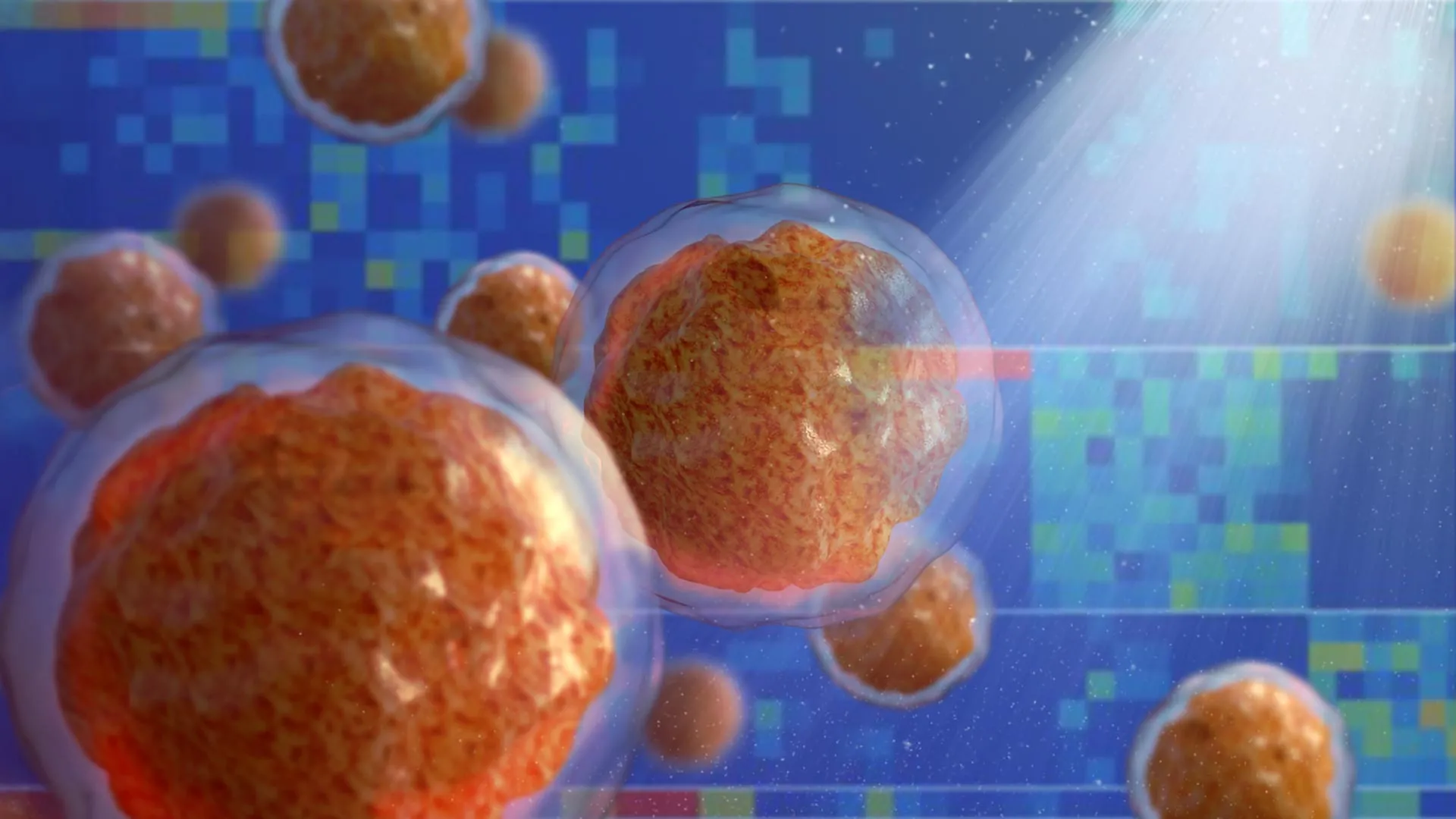
To validate the potency of these lung-resident cells, the researchers conducted "gold-standard" stem cell experiments. They placed lung-derived HSCs and bone-marrow-derived HSCs into petri dishes and provided the necessary nutrients and growth factors for them to mature.
The data revealed several striking differences and similarities:
- Productivity: Both lung and bone marrow HSCs were highly productive, successfully maturing into various blood components.
- Lineage Preference: Interestingly, the lung HSC colonies showed a higher propensity for producing red blood cells and megakaryocytes. In contrast, the bone marrow colonies tended to produce a higher proportion of immune cells, such as white blood cells.
- Frequency: Surprisingly, the concentration of HSCs in the lung tissue was found to be comparable to the rates seen in bone marrow, suggesting the lung is not just a minor contributor but a major player in hematopoiesis.
- In Vivo Success: In a critical test of their viability, the human lung HSCs were transplanted into mice with deficient bone marrow. The lung-derived cells successfully migrated to the bone marrow and restored blood production, proving their ability to function within the broader circulatory system.
This cross-organ communication suggests a symbiotic relationship between the lungs and the bones. The research indicates that stem cells may migrate between these two sites, with the lungs potentially acting as a backup system that can step in when the bone marrow is compromised.
Structural Integration: Where the Cells Reside
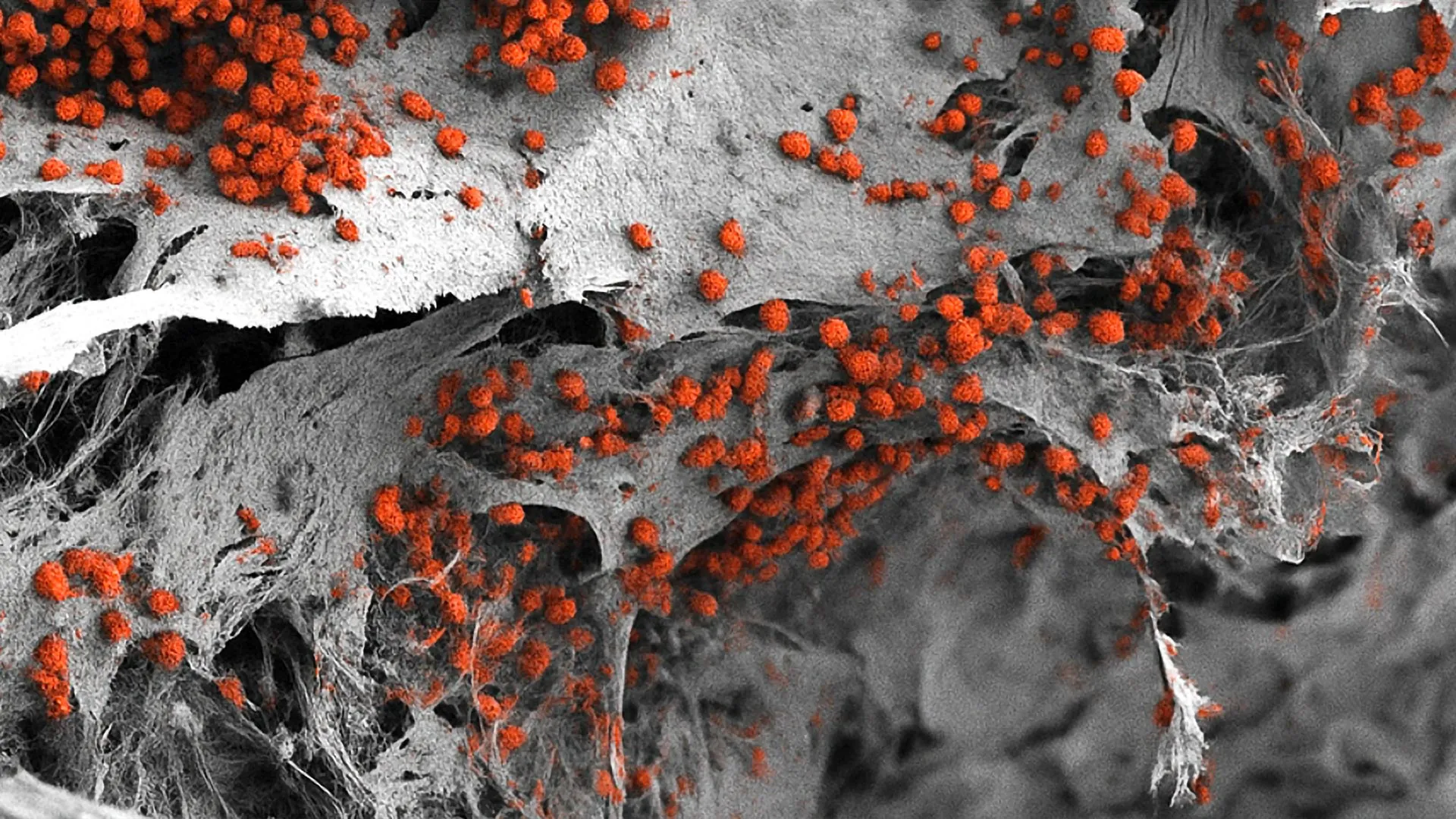
One of the most significant challenges in the study was proving that these stem cells were permanent residents of the lung rather than transient cells simply passing through the bloodstream. To resolve this, Dr. Conrad and her colleagues examined the physical arrangement of the cells within human lung tissue samples.
They found the HSCs nestled specifically between blood vessels in a specialized "niche" or microenvironment. This arrangement closely resembles the structural architecture of bone marrow, where stem cells are supported by a complex network of surrounding tissues.
"They really seem to live there and aren’t just passing through," Conrad said. This structural evidence supports the theory that the lung provides a unique environment—rich in oxygen and blood flow—that is ideally suited for the rapid production of red blood cells and platelets.
Impact on Stem Cell Transplants and Modern Medicine
The discovery has immediate implications for the field of hematopoietic stem cell transplantation (HSCT), a common treatment for patients with leukemia, lymphoma, and various blood disorders. Currently, stem cells for these procedures are harvested either directly from the bone marrow or from the blood after "mobilizing" them from the marrow using drugs.
The UCSF team analyzed the output of routine bone marrow transplants and found something remarkable: nearly 20% of the stem cells currently being used in these life-saving procedures carry the specific biological signature of lung HSCs. This suggests that medical professionals have unknowingly been using lung-derived stem cells for years.
The realization that the lungs are a significant source of HSCs opens the door to several new medical possibilities:
- New Harvest Sites: If bone marrow cannot be accessed or is insufficient, lung-resident HSCs could potentially be harvested for transplants.
- Targeted Therapies: Understanding that lung HSCs favor the production of red blood cells and platelets could lead to more specialized treatments for anemia or thrombocytopenia (low platelet count).
- Organ Transplant Insights: This research may explain why some patients experience changes in their blood chemistry or immune responses following lung transplants, as the donor’s lung-resident stem cells may begin producing blood in the recipient’s body.
Broader Implications and Future Research
The discovery that the lung is a hematopoietic organ raises fundamental questions about human anatomy. Scientists are now investigating why the body evolved to produce blood in the lungs. One hypothesis is that the lungs, being the site where blood is oxygenated, provide the most efficient environment for the final stages of red blood cell maturation. Additionally, because the lungs are a frequent site of injury and infection, having a local supply of platelets and immune-forming cells may be an evolutionary advantage for rapid repair.
"The lungs are critical to blood circulation, so it’s tantalizing to see the lung HSCs as an emergency reservoir for red blood cell and platelet production," Dr. Looney said.
Moving forward, researchers aim to determine how various lung diseases, such as chronic obstructive pulmonary disease (COPD) or pulmonary fibrosis, might affect the body’s ability to produce blood. Furthermore, there is a growing interest in whether the "lung-signature" HSCs possess unique qualities that make them more or less resistant to certain types of cancer or environmental toxins compared to their bone marrow counterparts.
As the scientific community digests these findings, the UCSF study stands as a reminder that even the most well-understood systems of the human body can still hold profound surprises. The transition of the lung from a simple respiratory organ to a complex hematopoietic powerhouse marks a new chapter in the study of human biology and the pursuit of advanced medical therapies.













Leave a Reply