


In a landmark study published in the journal Nature Communications on January 2, 2025, a research team led by Professor Tomoki Nakashima from the Faculty of Dentistry at the Institute of Science Tokyo (Science Tokyo) has identified the protein Family with Sequence Similarity 102 Member A (Fam102a) as a critical regulator of bone remodeling. The discovery represents a significant leap forward in musculoskeletal biology, as it identifies a singular factor that governs the differentiation of both osteoclasts—cells responsible for bone resorption—and osteoblasts—cells responsible for bone formation. By elucidating the intrinsic role of Fam102a in the nuclear trafficking of key transcription factors, the research provides a potential roadmap for the development of next-generation therapeutic interventions for osteoporosis and other degenerative bone diseases.
The Biological Equilibrium of Bone Remodeling
The human skeleton is far from a static structure; it is a dynamic, living tissue that undergoes constant renewal through a process known as bone remodeling. This process is essential for maintaining structural integrity, repairing micro-damage, and regulating calcium homeostasis within the body. Under normal physiological conditions, bone remodeling is a tightly orchestrated balance between two primary cell types. Osteoblasts, derived from mesenchymal stem cells, are tasked with synthesizing the bone matrix and overseeing mineralization. Conversely, osteoclasts, which originate from the monocyte-macrophage lineage, secrete enzymes and acids to dissolve old or damaged bone tissue.
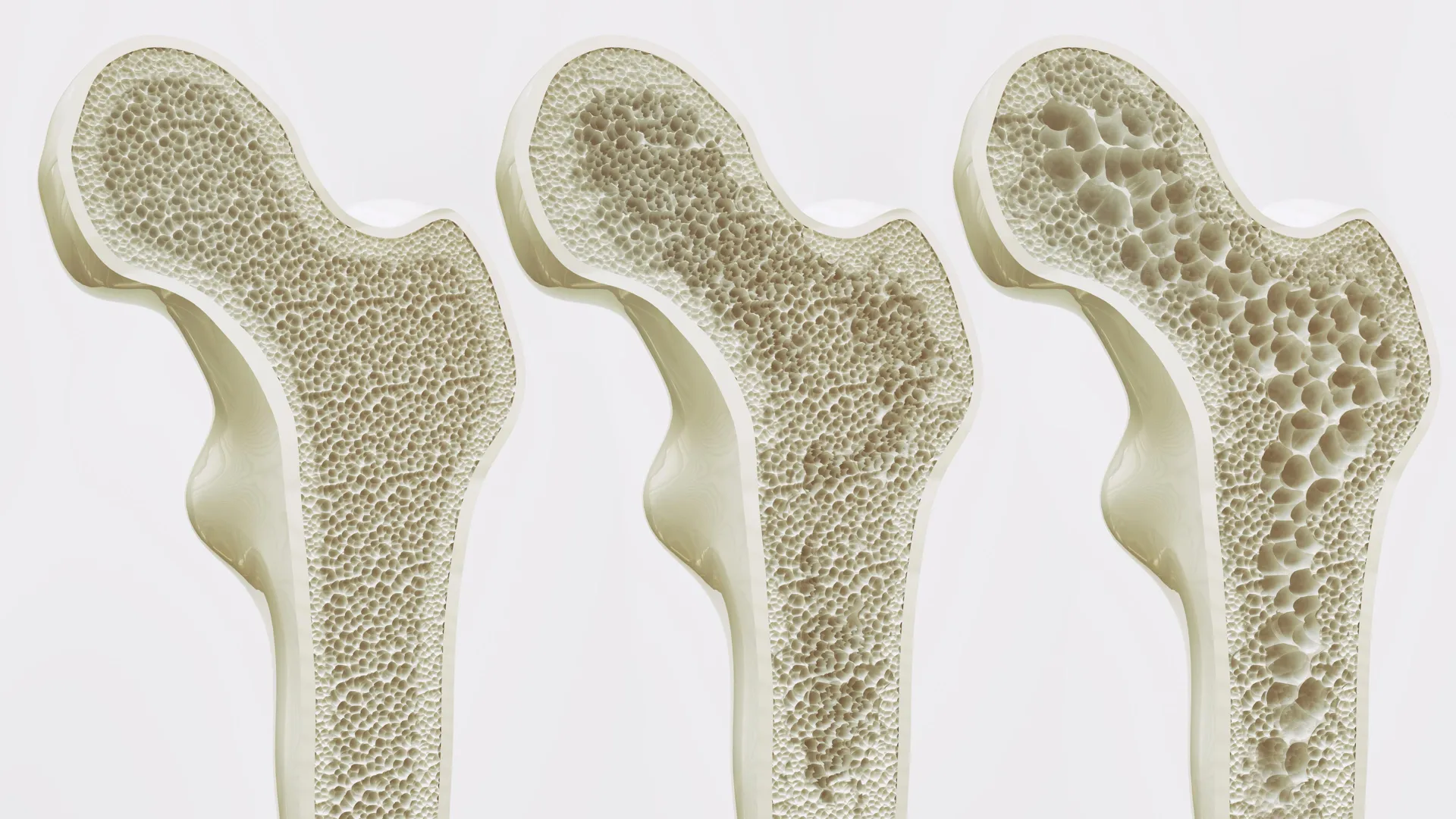
When this equilibrium is disrupted, the rate of bone resorption exceeds the rate of formation, leading to a systemic decrease in bone mineral density (BMD). This imbalance is the pathological hallmark of osteoporosis, a condition that renders bones porous, fragile, and highly susceptible to fractures. According to global health statistics, osteoporosis affects more than 200 million people worldwide, contributing to an estimated 8.9 million fractures annually—roughly one fracture every three seconds. Despite the prevalence of the condition, current pharmacological treatments often focus on either inhibiting resorption (anti-resorptive agents like bisphosphonates) or stimulating formation (anabolic agents). The discovery of Fam102a is particularly noteworthy because it appears to influence both sides of the remodeling equation simultaneously.
Identifying Fam102a: A Chronology of Discovery
The journey toward identifying Fam102a began with a comprehensive investigation into the genetic underpinnings of bone cell development. While previous research had mapped out distinct pathways for osteoblast and osteoclast differentiation, Professor Nakashima’s team sought to identify "bridge" factors—regulatory elements common to both lineages that might serve as master switches for bone health.
The research timeline progressed through several sophisticated experimental phases:
- Transcriptomic Profiling: The team initially analyzed the gene expression patterns of murine cells that had been genetically modified to lack specific transcription factors. By comparing these "knockout" profiles with wild-type cells, the researchers looked for genes that showed significant activity during the critical stages of both osteoblast and osteoclast maturation.
- Gene Localization: Through these in-depth analyses, the Fam102a gene emerged as a central candidate. The data indicated that Fam102a was not merely present but was highly active during the periods when precursor cells were transitioning into specialized bone cells.
- In Vivo Validation: To confirm the gene’s systemic importance, the scientists developed Fam102a-deficient mouse models. These genetic experiments, conducted throughout 2023 and 2024, revealed that the absence of the protein led to a phenotype remarkably similar to human osteoporosis, characterized by significantly reduced bone volume and compromised microarchitecture.
- Mechanistic Elucidation: In the final phase leading up to the 2025 publication, the team utilized biochemistry-based assays to determine how Fam102a interacted with other proteins at the molecular level, eventually uncovering its role in nuclear trafficking.
The Mechanics of Nuclear Trafficking and Protein Interaction
The most profound insight from the Science Tokyo study lies in the discovery of how Fam102a influences cellular behavior. The researchers found that Fam102a acts as a facilitator for the movement of essential regulatory proteins into the cell nucleus—a process known as nuclear trafficking.
Through a co-immunoprecipitation assay, a technique used to detect physical interactions between proteins, the team identified a binding relationship between Fam102a and Karyopherin Subunit Alpha 2 (Kpna2). Kpna2 is a member of the importin alpha family, which functions as a "shuttle" transporting cargo molecules across the nuclear membrane through the nuclear pore complex.
The study demonstrated that Fam102a is dependent on Kpna2 to regulate the activity of Runt-related Transcription Factor 2 (Runx2). Runx2 is widely recognized as the "master" transcription factor for osteoblast differentiation; without its proper localization in the nucleus, the genetic instructions for building bone cannot be executed. The researchers found that Fam102a enhances the expression of the Osterix protein—another vital component of bone formation—by ensuring that Runx2 reaches its destination within the nucleus.
Furthermore, the team identified the Fam102a-Rbpjl axis. Recombination signal binding protein for immunoglobulin κ J region-like (Rbpjl) was found to be the most significantly downregulated transcription factor in osteoblasts lacking Fam102a. This suggests that Fam102a maintains a complex network of genetic signals that sustain the osteoblast population.
Supporting Data and Experimental Results
The quantitative data provided in the research highlights the stark differences between healthy bone environments and those lacking the Fam102a protein. In the Fam102a-deficient mice, several key metrics were observed:
- Bone Volume/Total Volume (BV/TV): Mice lacking the gene showed a 30-40% reduction in trabecular bone volume compared to the control group.
- Osteoblast Surface Area: There was a measurable decline in the surface area of bone covered by active osteoblasts, indicating a failure in the recruitment or maturation of bone-forming cells.
- Osteoclast Activity: Paradoxically, while osteoclast differentiation was also affected, the overall lack of coordination led to a net loss of bone, proving that Fam102a is essential for the "coupling" mechanism that keeps bone resorption and formation in sync.
The researchers also noted that in laboratory-grown cell cultures, the reintroduction of Fam102a into deficient cells restored the expression of Runx2 and Osterix, effectively "restarting" the bone-building process. This reversal provides strong evidence that Fam102a is a viable target for therapeutic modulation.
Reactions from the Scientific Community and Implications
The announcement of the Fam102a discovery has been met with optimism by experts in the field of endocrinology and orthopedics. While not directly involved in the study, independent researchers have noted that the "dual-action" nature of Fam102a makes it a rare find in molecular biology.
"Most current therapies for osteoporosis are ‘one-way’ streets," noted one industry analyst specializing in musculoskeletal health. "We either stop the bone from being broken down, which can sometimes lead to ‘old’ bone becoming brittle, or we try to force new bone growth. A factor like Fam102a, which appears to sit at the crossroads of both processes, suggests the possibility of a therapy that restores the natural, healthy rhythm of bone remodeling rather than just tilting the scales."
Professor Nakashima emphasized the broader implications of the findings in his concluding remarks. "Our study sheds light on the critical molecular interactions involved in the bone remodeling process," he stated. He further noted that understanding the nuclear trafficking of transcription factors opens a new frontier in how we view bone metabolism, moving beyond surface receptors to the internal logistics of the cell.
Future Directions: From Lab to Clinic
While the discovery of Fam102a is a scientific breakthrough, the transition from a laboratory discovery to a clinical treatment for humans is a multi-year process. The next steps for the Science Tokyo team and the wider research community will likely include:
- Small Molecule Screening: Identifying chemical compounds that can mimic or enhance the activity of Fam102a to promote bone density.
- Human Genetic Correlation: Investigating whether polymorphisms (variations) in the FAM102A gene in humans are linked to a predisposition for osteoporosis or high bone mass syndromes.
- Safety Profiling: Since Fam102a involves nuclear trafficking—a fundamental cellular process—researchers must ensure that targeting this protein does not inadvertently affect other tissues or cellular functions.
The economic implications of such a discovery are also substantial. With aging populations in Japan, the United States, and Europe, the cost of treating hip fractures and osteoporosis-related disability is projected to rise exponentially. A therapy derived from the Fam102a pathway could potentially reduce the long-term healthcare burden by providing a more effective, preventative approach to bone loss.
The identification of the Fam102a-Kpna2-Runx2 pathway stands as a testament to the power of advanced genetic sequencing and biochemical analysis in modern medicine. By uncovering the "hidden" regulators of the skeleton, Science Tokyo researchers have not only advanced the fundamental understanding of human biology but have also provided a new beacon of hope for millions of patients worldwide suffering from the debilitating effects of bone loss. As research continues, the Fam102a protein may eventually become a cornerstone of regenerative medicine and geriatric care.











Leave a Reply