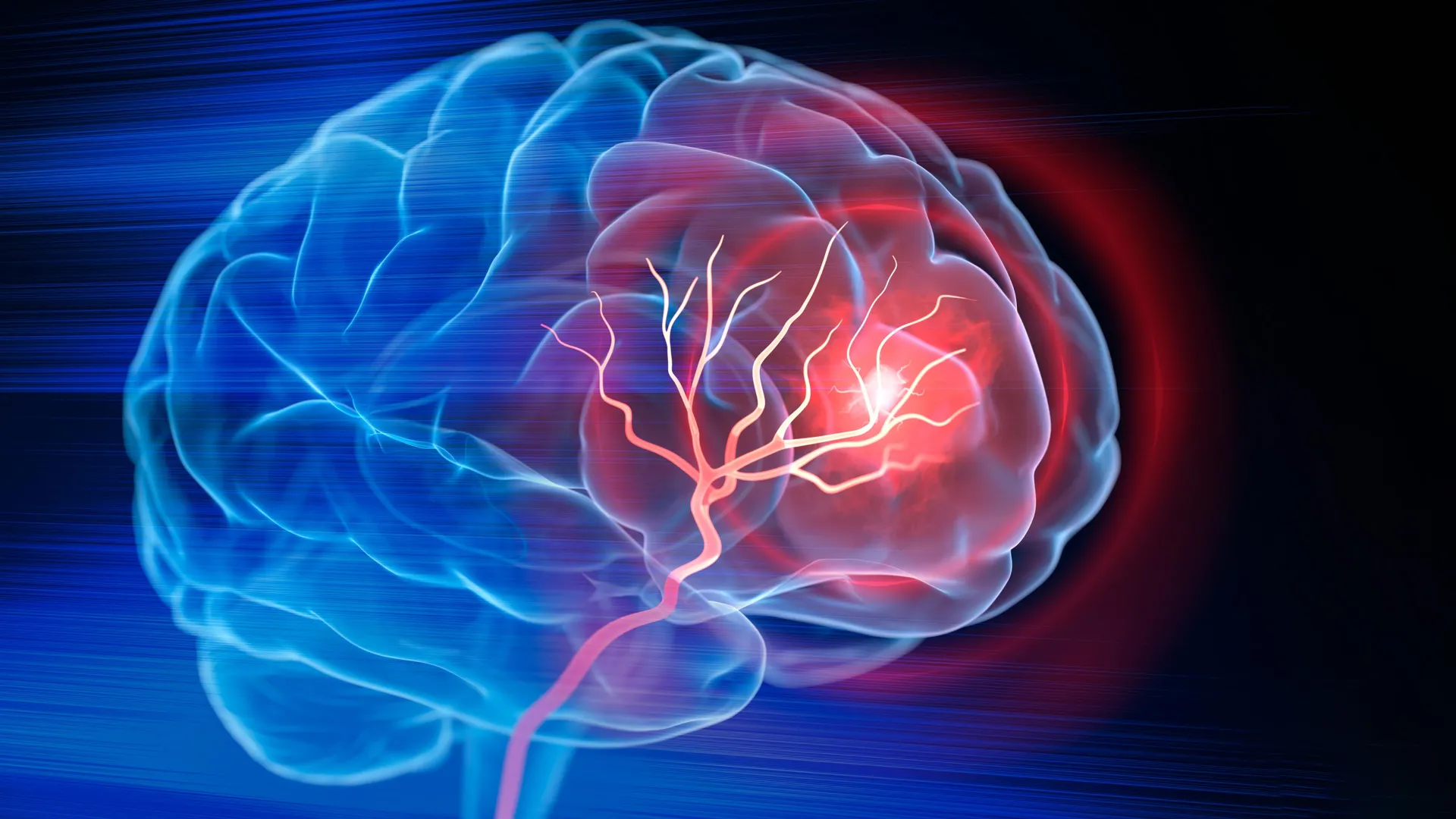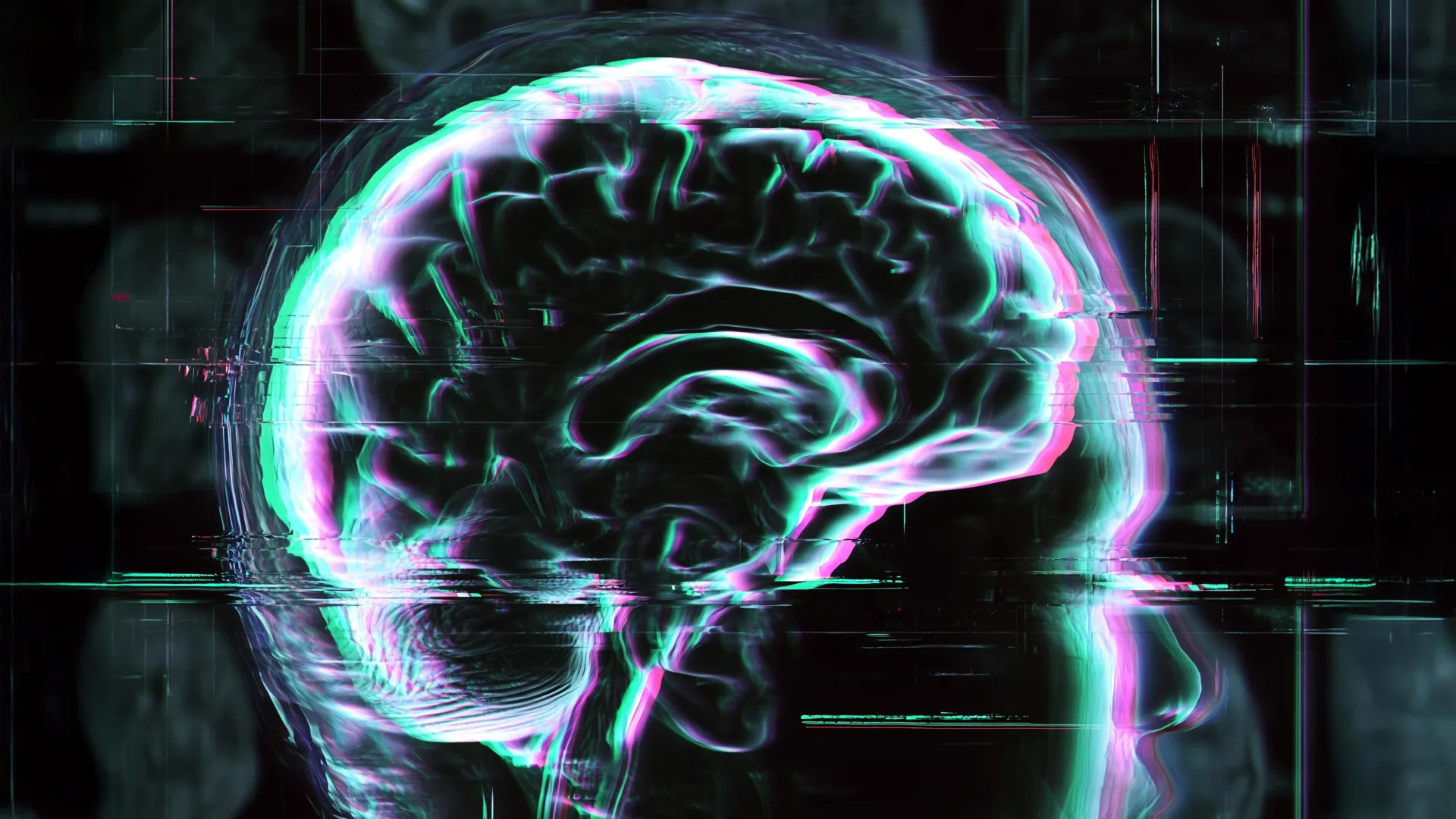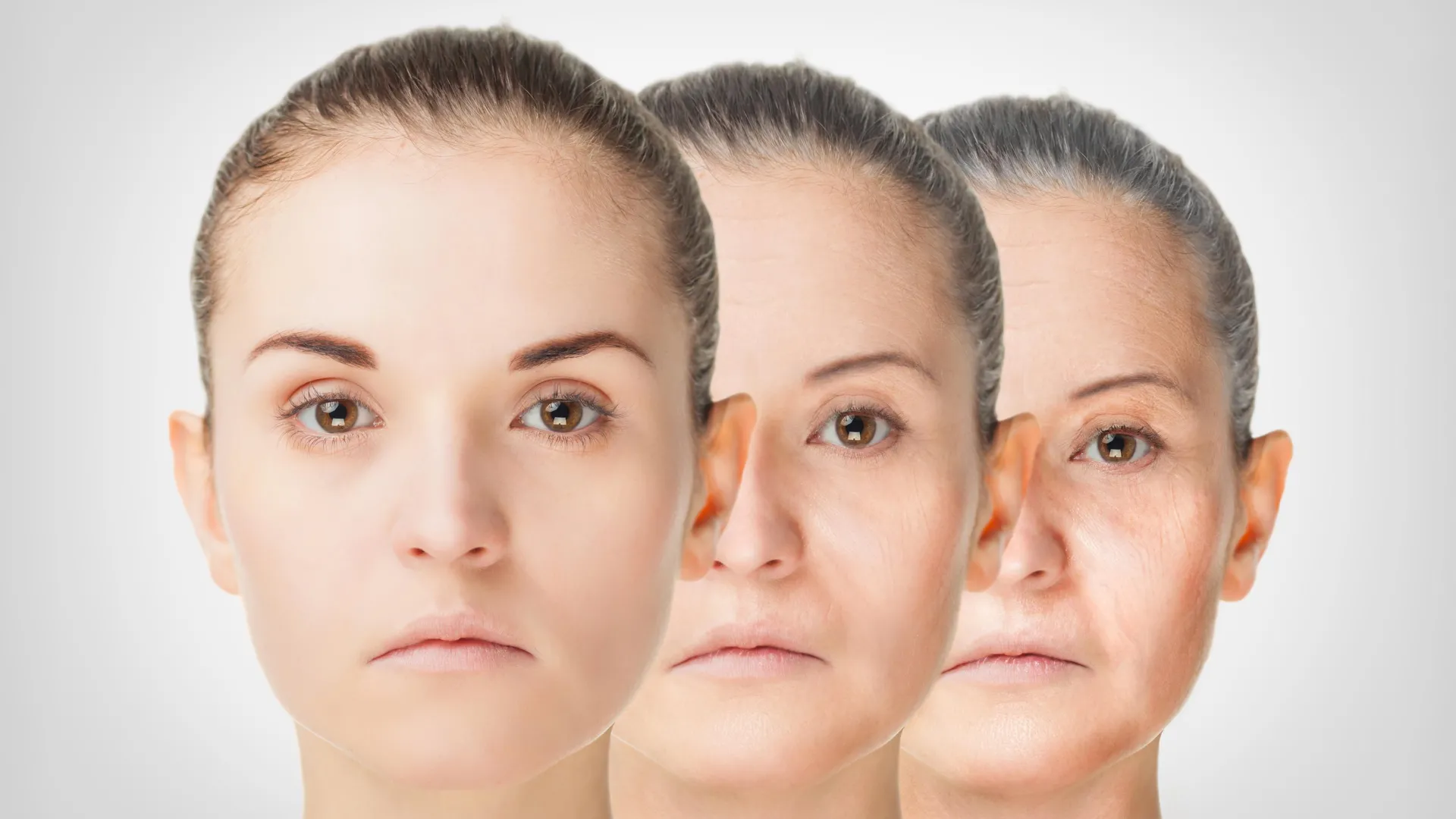
For decades, the scientific community has viewed aging as a decentralized process—a slow, inevitable accumulation of cellular "wear and tear" occurring independently across the heart, muscles, skin, and bones. However, a series of breakthrough studies beginning in early 2023 has fundamentally challenged this paradigm. Researchers have identified the hypothalamus—a small, walnut-sized region at the base of the brain—as a central command center for the systemic decline that characterizes old age. At the heart of this discovery is a protein called Menin, which acts as a molecular gatekeeper, protecting the brain from inflammation and orchestrating the health of the entire body.
The Menin Discovery: A Turning Point in Aging Research
The narrative of this scientific shift began in March 2023, when a team led by Lige Leng of Xiamen University in China published a landmark study in the journal PLOS Biology. The research team sought to understand why the hypothalamus, which regulates metabolism, body temperature, and hormone production, appears to lose its efficiency as an organism ages.
The team identified Menin, a protein known for its role in gene regulation, as the critical variable. By observing genetically modified mice, the researchers discovered that Menin levels naturally taper off in specific hypothalamic neurons as an animal reaches advanced age. When they artificially disabled the production of Menin in young mice, the results were immediate and severe: the animals experienced accelerated neuroinflammation, premature thinning of the skin, rapid bone density loss, and a significant decline in cognitive performance.
Crucially, the study demonstrated that this process was reversible. By using gene-delivery techniques to restore Menin levels in the ventromedial hypothalamus of 20-month-old mice—the equivalent of a senior human—the researchers observed a reversal of multiple age-related markers in just 30 days. The treated mice displayed increased bone mass, thicker skin, and a restoration of balance and memory, suggesting that aging is not merely a terminal decline but a biological state that can, in theory, be modified.
The Biochemical Link: D-Serine and Cognitive Function
As the investigation into Menin deepened, researchers uncovered a secondary, perhaps more accessible, mechanism: D-serine. The study found that the decline of Menin directly impacts the production of PHGDH, an enzyme essential for the synthesis of D-serine, an amino acid that serves as a vital neurotransmitter.
D-serine acts as a co-agonist for NMDA receptors, the specialized protein channels in neurons that are essential for synaptic plasticity—the brain’s ability to form new memories and learn. When Menin levels drop, D-serine concentrations in the hippocampus fall, leading to cognitive impairment. In a move that garnered significant interest from the longevity community, the researchers successfully bypassed the need for genetic intervention by supplementing the mice’s drinking water with D-serine. Within three weeks, the older mice exhibited improved learning and memory performance.
While the results were profound, the researchers issued a note of caution. Unlike the Menin restoration, which addressed physical signs of aging like bone mass, D-serine supplementation proved to be a cognitive specialist, improving memory without reversing the physical systemic decline. This distinction indicates that Menin regulates a broad spectrum of aging pathways, whereas D-serine is but one component of a much larger, complex molecular machinery.
A Chronology of Discovery: 2023–2026
The findings from the Xiamen University team triggered an international surge of interest in hypothalamic regulation. The following timeline tracks the rapid evolution of this field:
- March 2023: The original Menin study is published in PLOS Biology, linking hypothalamic inflammation to systemic aging.
- Early 2024: Research in Cell Metabolism from the Washington University School of Medicine identifies a distinct neural circuit between the hypothalamus and fat tissue, demonstrating that metabolic aging can be slowed by stimulating specific neuronal pathways.
- Mid-2024: A study in the Journal of Physiology and Biochemistry confirms that Menin provides protective benefits to cultured hippocampal cells, shielding them from the neurotoxic effects of stress hormones like corticosterone.
- January 2025: A massive genomic analysis of 1.2 million mouse brain cells published in Nature maps the "vulnerability zones" of the aging brain, pinpointing the area around the third ventricle of the hypothalamus as a hotbed for age-related gene dysregulation.
- 2026: Two major studies in Cell and Cell Metabolism broaden the scope of the field. The first demonstrates that reinforcing circadian rhythms in the hypothalamus can reduce biological age as measured by DNA methylation. The second identifies "Mimecan," a protein involved in a cross-talk mechanism between muscle tissue and the brain, further cementing the theory that systemic longevity is coordinated by the brain.
Fact-Based Analysis: The Human Challenge
While the mouse models provide a tantalizing roadmap, clinical application in humans remains fraught with complexity. A 2016 randomized clinical trial involving 50 healthy older adults tested D-serine supplementation, yielding mixed results: while spatial learning showed modest improvement, broader cognitive and mood markers remained unchanged.
Furthermore, the biological role of D-serine is not universally beneficial. An April 2025 study in Cellular and Molecular Life Sciences highlighted that in mice genetically engineered to mimic Alzheimer’s disease, an excess of D-serine can actually be detrimental, contributing to signaling disruptions. This suggests that the "dosage" and the "biological environment" of the brain are paramount. As it stands, D-serine is an experimental compound, and the potential for long-term renal toxicity at high doses remains a concern that has yet to be cleared by rigorous, large-scale human clinical trials.
Implications for Future Medicine
The emerging consensus among researchers is that aging is a highly integrated process, orchestrated by the brain to manage the body’s metabolic and structural integrity. The discovery of Menin and its associated pathways offers a new theoretical framework: if the brain acts as a "master switch" for aging, then pharmaceutical or gene-therapy interventions targeting the hypothalamus could potentially delay the onset of multiple age-related diseases simultaneously.
"We speculate that the decline of Menin expression in the hypothalamus with age may be one of the driving factors of aging," says Lige Leng, the lead author of the 2023 study. His team’s work, and the subsequent studies that have bolstered his findings, suggest that the "programmed" aspect of aging—long thought to be a fixed biological destiny—may be more plastic than previously assumed.
However, the path to a human therapy is long. Researchers must still determine why Menin levels decrease in the first place, whether the benefits of restoring it in humans would be sustainable, and if such an intervention would cause unintended systemic consequences. The interplay between inflammation, hormonal balance, and neurotransmitter availability represents a delicate ecosystem.
For now, the research serves as a profound proof-of-concept. It validates the idea that the brain does not merely witness the aging of the body; it actively coordinates it. By shifting the focus from treating individual symptoms—like bone loss or cognitive fog—to addressing the underlying regulatory failures in the hypothalamus, science has moved closer to the possibility of treating aging as a manageable medical condition. As longitudinal studies continue to map the circuits of the aging brain, the hope remains that one day, the decline of a single protein may no longer mark the beginning of the end.