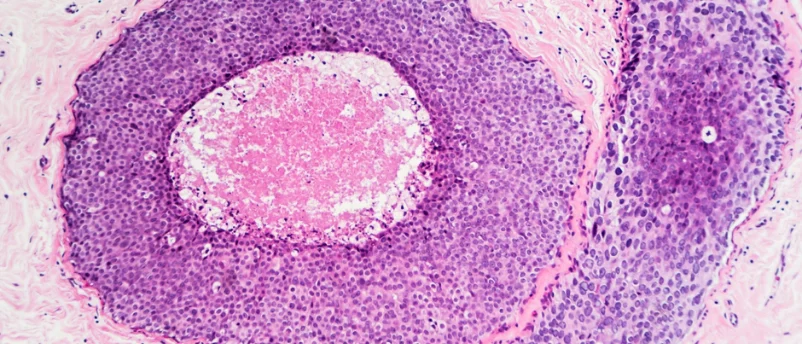
A groundbreaking study by Stanford Medicine researchers has unveiled a novel immunotherapy approach that could revolutionize the treatment of solid tumors, a long-standing challenge in oncology. Published on March 23 in Nature Immunology, the research details a technique that transforms ordinary immune cells into highly targeted "cancer-seeking bloodhounds" by equipping them with specialized receptors designed to detect metabolic by-products unique to cancer cells. This innovative method, distinct from conventional immunotherapies like CAR-T cell therapy, enables immune cells to overcome a critical hurdle: the inefficient infiltration of dense solid tumors.
The Unmet Challenge of Solid Tumors in Immunotherapy
Since its initial approval by the Food and Drug Administration (FDA) in 2017 for acute lymphoblastic leukemia, CAR-T cell therapy has delivered transformative results for patients battling various blood cancers. This form of immunotherapy involves engineering a patient’s T cells to express chimeric antigen receptors (CARs) that recognize specific proteins on the surface of cancer cells, leading to their destruction. However, the efficacy of CAR-T therapy has been markedly limited in patients with solid tumors, which account for approximately 90% of all adult cancers.
The reasons for this disparity are multifaceted. One primary challenge is the sheer physical barrier presented by solid tumors. These dense masses often create a hostile microenvironment that is difficult for immune cells to penetrate and sustain activity within. Furthermore, CAR-T cells, while potent, are prone to exhaustion in the face of persistent signaling within the tumor microenvironment before they can effectively eradicate the cancer. Another significant hurdle lies in identifying molecular targets on solid tumor cells that are exclusively present on cancerous cells and absent from healthy tissues, thus minimizing the risk of off-target attacks that could harm vital organs.
"There have been many studies trying to overcome T cell exhaustion," noted Livnat Jerby, an assistant professor of genetics at Stanford Medicine and senior author of the research. "But our study supports and was driven by the notion that the problem with treating solid tumors is also a spatial issue. Too few T cells are getting into the tumor." This "spatial issue" highlights a fundamental bottleneck: if cancer-killing immune cells cannot physically reach the cancer cells, their therapeutic potential remains largely untapped, regardless of their intrinsic killing capacity. Addressing this infiltration challenge became the central focus for Jerby and her team.
A New Compass: Cancer’s Metabolic Footprint
The Stanford breakthrough hinges on exploiting a fundamental characteristic of cancer: its altered metabolism. Unlike healthy cells, cancer cells exhibit distinct metabolic pathways to fuel their rapid, uncontrolled proliferation. This aberrant metabolism leads to the secretion of unique metabolic by-products into the extracellular spaces surrounding the tumor. Instead of targeting surface proteins, as CAR-T cells do, the new approach engineers immune cells to "sense" these small metabolic molecules, effectively enabling them to "follow their noses" directly to the tumor.
This strategy represents a significant conceptual departure from existing immunotherapies. While CAR-T cells are designed to latch onto fixed molecular "flags" on the cell surface, the Stanford technique empowers immune cells to detect a diffuse "scent trail" emanating from the tumor. This allows for a more dynamic and potentially more pervasive infiltration, as the chemical gradient of metabolites can guide the immune cells through the complex tumor architecture.
The idea that cancer’s unique metabolism could be exploited is not entirely new. For decades, clinicians have leveraged these metabolic differences for diagnostic purposes, most notably with Positron Emission Tomography (PET) scans. PET imaging identifies areas of high metabolic activity, often indicative of rapidly growing tumors, by detecting the uptake of radioactively labeled glucose. "It’s been known for decades that cancer cells are metabolically unique in many ways," Jerby explained. "Clearly there are certain metabolic features that either directly aid tumor growth or are a by-product of uncontrolled cell proliferation. These features are routinely exploited for cancer diagnostic scans such as PET imaging, which pinpoints areas in the body with high metabolic activity." The Stanford team’s innovation lies in turning this diagnostic "smoking gun" into a therapeutic homing beacon for immune cells.
Engineering Immune Bloodhounds: The Discovery Process
The journey to this discovery began with an agnostic, high-throughput screening approach. The researchers sought to identify genes that, when expressed in immune cells, would enhance their migration into solid tumors. Initially, they considered chemokines – a subset of proteins known to attract immune cells to sites of infection, inflammation, and tumors. However, they wanted to cast a wider net.
To achieve this, the team conducted a comprehensive comparative analysis of RNA molecules (which serve as blueprints for protein production) from immune cells found within breast cancer tumors versus those circulating in the blood of 22 breast cancer patients. Simultaneously, they mined an extensive database of RNA expression levels in natural killer (NK) cells—a type of potent immune cell—across more than 700 patients and 24 different cancer types. This dual approach allowed them to identify genes that were preferentially upregulated in tumor-infiltrating immune cells.
From an initial pool of 256 candidate genes, the researchers utilized CRISPR gene-editing technology to individually activate each of these genes in human NK cells grown in the laboratory. These engineered NK cells were then infused into mice bearing human breast or ovarian cancers. Following the infusion, the tumors were meticulously removed and analyzed to quantify the number of NK cells that had successfully infiltrated the tumor mass.
"We basically let these NK cells compete against one another to identify the genes that drive migration to and into the tumors," Jerby elaborated. The results were surprising and revelatory. "Surprisingly, we didn’t see many chemokine receptors among the winners. What came up were receptors that recognize bioactive, chemoattracting metabolites that have not been studied nearly as much in the context of cell engineering and tumor immunology. And we saw the same hits, time after time in different model systems with different screens and different experimental settings. It was quite striking."

Mechanism of Action: Following the Scent Trail
The key to this breakthrough lies in the identification of a class of receptors called G-protein coupled receptors, or GPCRs, which the researchers termed tumor-homing GPRs (thGPRs). Unlike chemokines, which are proteins, chemoattracting metabolites are small molecules—such as fats, lipids, or ions—that can attract various cell types, including immune cells, by creating a chemical gradient.
The study pinpointed six specific genes that, when expressed, consistently improved the ability of NK cells to infiltrate breast and ovarian tumors in the animal models. These thGPRs are known to recognize and migrate toward specific types of phospholipids, fatty acids, and derivatives of cholesterol. These particular metabolites are not random; they are generated by cancer cells at elevated rates as a direct consequence of their aggressive proliferation and altered metabolic processes. Previous analyses of patient data had already indicated that these metabolites often recruit tumor-friendly immune cells, inadvertently creating a microenvironment that supports tumor growth and fosters resistance to drug treatments. However, the Stanford team realized that this same "smoking gun" could be re-purposed as a guiding signal for therapeutic immune cells.
The principle is akin to a "follow the yellow brick road" approach: chemoattracting metabolites stimulate responding cells to migrate toward higher concentrations of the target. As the immune cells get closer to the tumor, the concentration of these metabolites increases, making the "path" clearer and easier to follow, until the destination—the tumor—is reached. The researchers effectively exploited this natural chemotactic mechanism, equipping NK and killer T cells with the ability to track down and infiltrate tumors based on these tell-tale metabolite trails.
Promising Results in Preclinical Models
To validate their therapeutic approach, the researchers focused extensively on one of the identified thGPRs, GPR183, particularly in the context of breast cancer. GPR183 is a receptor known to bind to oxidized forms of cholesterol, which are abundant in the vicinity of rapidly growing tumors. The results were compelling:
- Enhanced Migration: Engineering NK or T cells to express GPR183 on their surfaces significantly enhanced the cells’ ability to migrate toward cancer cells in laboratory dishes (in vitro) and within living organisms (in mice).
- Improved Infiltration: The GPR183-engineered cells demonstrated markedly superior infiltration into breast and ovarian tumors in the animal models.
- Superior Tumor Control and Survival: Expressing GPR183 on the surface of various immune cell types—including NK cells, CAR-NK cells, CAR-T cells, and other tumor-reactive T cells—led to significantly better control of tumor growth and enhanced survival rates in laboratory mice with aggressive breast cancer tumors.
"We saw a more than doubling in the number of complete responses in the animals," Jerby reported. "T cells engineered to express GPR183 on their surfaces were far better at completely eradicating highly aggressive breast tumors. The tumors did not come back, and the mice went back to being healthy." These robust preclinical findings suggest a powerful new strategy for overcoming the inherent challenges of solid tumor immunotherapy.
Looking Ahead: Clinical Translation and Future Directions
The success observed in preclinical models paves the way for the next critical phase: clinical translation. Jerby and her team are actively pursuing the necessary steps to test GPR183-engineered cells in human clinical trials. This will involve rigorous safety assessments and efficacy studies to ensure that the promising results seen in mice can be replicated in human patients.
Beyond GPR183, the researchers are also investigating the therapeutic potential of the other identified thGPRs. The versatility of this approach extends to exploring whether thGPRs can be modified to recognize an even broader array of tumor metabolites, including those not typically considered chemoattracting, and transform them into navigational cues. Another intriguing avenue involves engineering immune cells to interpret tumor metabolites not just as beacons for migration, but as "on switches" that activate their killing machinery only upon entering the tumor microenvironment, thereby potentially enhancing specificity and reducing off-target effects.
Furthermore, this discovery opens up possibilities for combination therapies. Integrating thGPRs with existing CAR-T cell platforms could create a synergistic effect, where CAR-T cells are not only armed with their specific antigen recognition capabilities but also guided by a metabolic "GPS" to ensure optimal tumor infiltration. This could dramatically improve the effectiveness of CAR-T therapy against solid tumors, expanding its reach to a wider patient population.
Broader Implications for Oncology
This research holds profound implications for the future of cancer treatment, particularly for patients battling solid tumors, which have historically been resistant to many immunotherapeutic interventions. By addressing the fundamental "spatial issue" of immune cell infiltration, Stanford Medicine’s work offers a paradigm shift in how we approach tumor targeting.
"To the best of our knowledge, no one has tried to use cancer metabolism, a hallmark of drug resistance and aggressive tumor growth, to attract cancer-killing immune cells to the tumor," Jerby concluded. "But our study uncovered the potential of this approach, and the results are quite promising."
This innovative strategy moves beyond the limitations of relying solely on surface antigens, tapping into the broader metabolic landscape of cancer. It provides a blueprint for developing a new generation of immunotherapies that are not only potent but also inherently guided to their targets. Should these findings translate successfully into human clinical trials, they could offer hope for millions of patients worldwide suffering from cancers like breast, ovarian, lung, and colorectal cancers, where solid tumor infiltration remains a significant barrier to effective treatment. The ability to turn cancer’s own metabolic signatures against it represents a clever and potentially powerful new weapon in the ongoing fight against this complex disease.