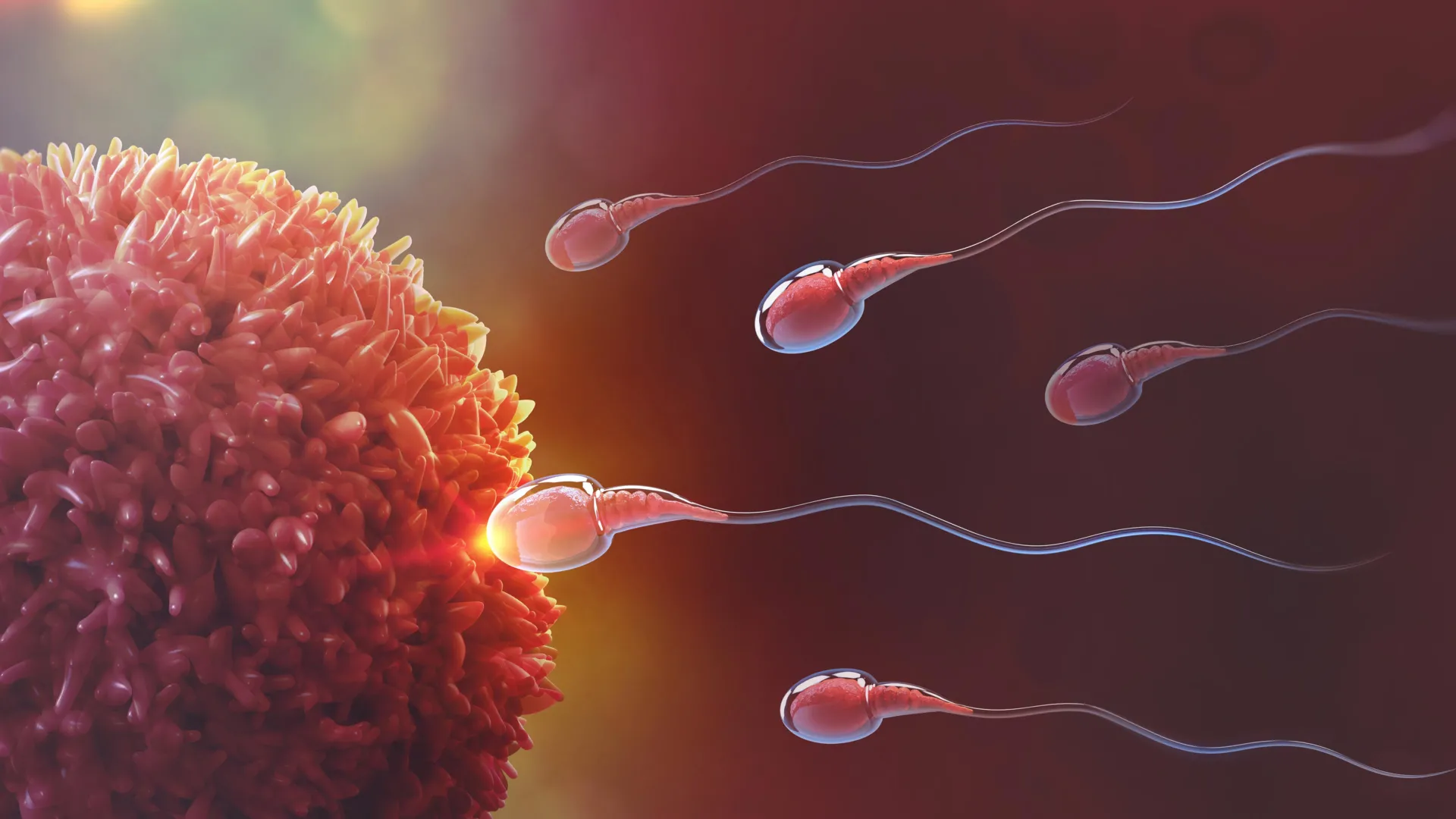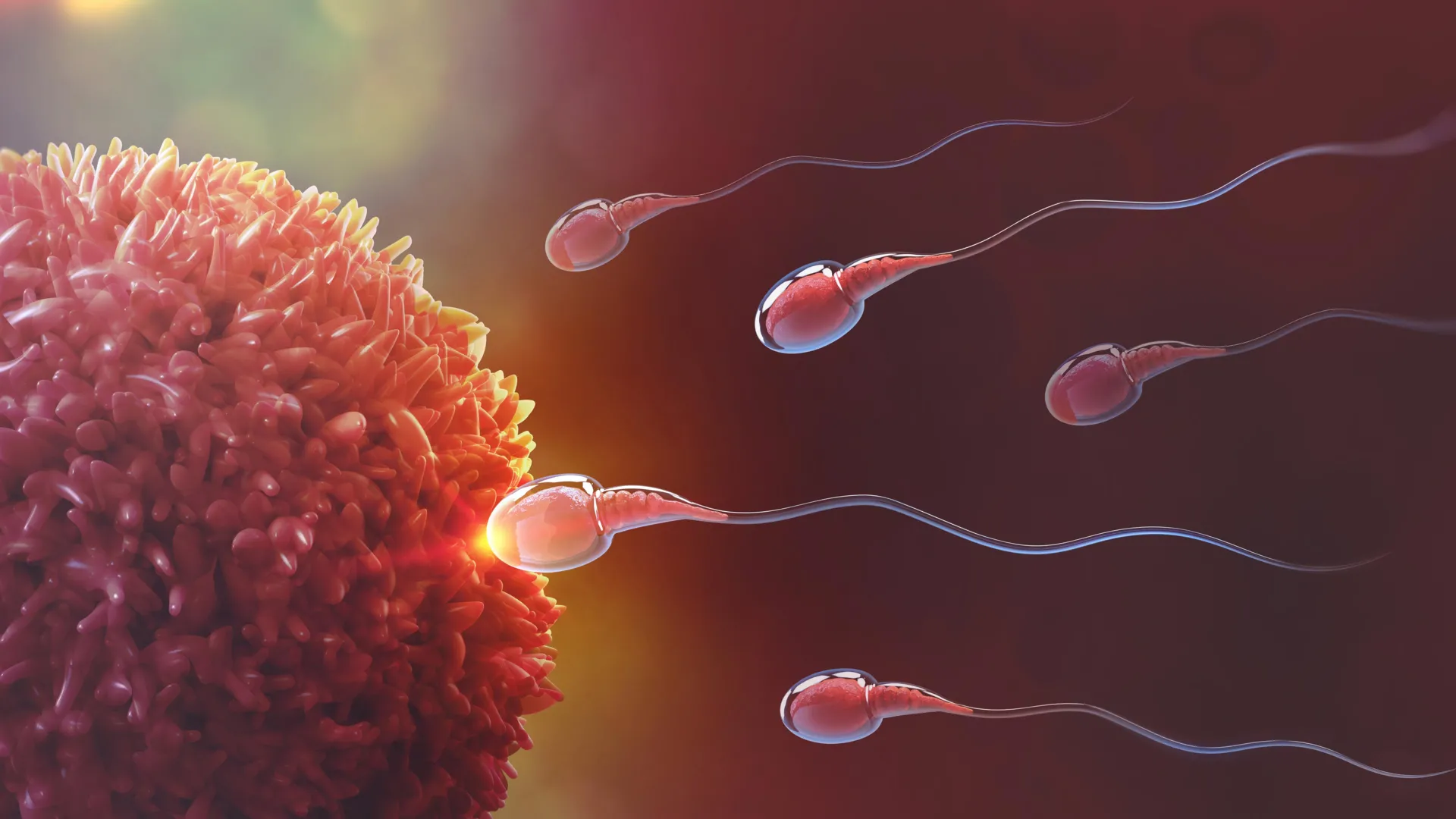
A team of interdisciplinary researchers at Michigan State University has successfully identified a critical molecular switch that drastically accelerates sperm energy production immediately prior to fertilization. Published in the Proceedings of the National Academy of Sciences and backed by funding from the National Institute of Child Health and Human Development, this scientific breakthrough uncovers the precise metabolic machinery that powers mammalian reproduction. By illuminating how sperm transition from a quiescent, low-energy state into hyper-driven swimmers capable of navigating the female reproductive tract, the study opens viable pathways toward advanced infertility diagnostics, enhanced assisted reproductive technologies, and the long-sought-after goal of safe, reversible, nonhormonal male contraceptives.
The research was spearheaded by Dr. Melanie Balbach, an assistant professor in the Department of Biochemistry and Molecular Biology at Michigan State University, who joined the institution in 2023 to expand her pioneering investigations into cellular metabolism. Collaborating with high-profile institutions such as Memorial Sloan Kettering Cancer Center and the Van Andel Institute, Balbach and her colleagues devised an innovative tracing methodology to monitor how mammalian sperm process glucose—the primary sugar absorbed from their immediate surroundings to fuel cellular activity. The implications of this discovery stretch far beyond basic reproductive biology, offering a much-needed paradigm shift in a global healthcare landscape where approximately one in six individuals struggles with infertility, and nearly half of all pregnancies worldwide remain unplanned.
Decoding the Metabolic Metamorphosis of Mammalian Sperm
To understand the magnitude of the Michigan State University discovery, scientists must first evaluate the unique evolutionary pressures placed upon mammalian sperm cells. Unlike standard somatic cells in the human body, which divide, repair, and perform diverse homeostatic functions, sperm cells are functionally singular in their mission. Their entire biological existence is optimized around a singular physiological objective: delivering genetic material to an egg.
Prior to ejaculation, mammalian sperm remain remarkably dormant, existing in a suppressed, low-energy metabolic state designed to preserve their limited cellular resources during storage. However, once introduced into the female reproductive tract, these cells undergo a rapid and dramatic transformation. They instantly accelerate their motility, swimming with significantly greater force, and systematically restructure their outer membranes to ensure successful interaction with the zona pellucida of an egg. This abrupt behavioral shift requires a sudden, massive surge in intracellular energy production.
While reproductive biologists have long understood that this metabolic spike occurs, the precise molecular pathways and regulatory mechanisms governing the transition remained elusive until now. Previous milestones in Dr. Balbach’s career laid the groundwork for this achievement. Earlier work conducted while she was at Weill Cornell Medicine demonstrated that pharmacologically blocking a specific critical sperm enzyme induced temporary, reversible infertility in male mice, providing foundational proof-of-concept that targeting sperm metabolism could serve as a viable strategy for nonhormonal birth control.
Mapping the Cellular Fuel: A Novel Tracking Methodology
To uncover how sperm suddenly ramp up their energy generation, Balbach’s team required a technological approach capable of visualizing metabolic pathways in real time. Working alongside multidisciplinary collaborators, the researchers developed an advanced tracing method to follow the precise chemical route of glucose as it is processed inside individual sperm cells.
Utilizing state-of-the-art analytical equipment, including resources housed within MSU’s Mass Spectrometry and Metabolomics Core, the research team mapped out the multi-step, high-energy metabolic cascade. To articulate the complexity of this process, Balbach offered an accessible analogy: "You can think of this approach like painting the roof of a car bright pink and then following that car through traffic using a drone."
Through this high-resolution tracking, the researchers observed stark operational contrasts between inactive sperm and their activated counterparts. "In activated sperm, we saw this painted car moving much faster through traffic while preferring a distinct route and could even see what intersections the car tended to get stuck at," Balbach explained.
The data revealed that an essential enzyme known as aldolase acts as a central regulatory switch, facilitating the conversion of glucose into usable cellular energy. Furthermore, the analysis demonstrated that sperm do not rely solely on external nutrients; they simultaneously draw upon internal energy reserves carried within the cell from the onset of their journey. Specific regulatory enzymes function as metabolic traffic controllers, determining how glucose is routed through different metabolic pathways and dictating the overall efficiency of energy output.
Chronology of Discovery and Institutional Collaboration
The publication of these findings represents the culmination of years of targeted investigation across multiple premier academic and research institutions. The trajectory of this research began years prior with fundamental inquiries into enzyme inhibition in murine models at Weill Cornell Medicine. Following Dr. Balbach’s transition to Michigan State University in 2023, the research scope widened significantly.
By integrating MSU’s advanced metabolomics infrastructure with the specialized biochemical expertise of researchers at Memorial Sloan Kettering Cancer Center and the Van Andel Institute, the team successfully transitioned from broad observations of energy consumption to precise molecular mapping. The integration of advanced mass spectrometry allowed the team to isolate and quantify metabolic intermediates with unprecedented precision. This collaborative synergy ultimately enabled the isolation of the aldolase-mediated switch, bridging the gap between historical physiological observations and modern molecular biology.
Implications for Assisted Reproduction and Global Infertility
The ramifications of mapping sperm metabolism extend directly into the clinical management of human fertility. Infertility is a pervasive global health challenge, impacting roughly 16 percent of the global population. Current diagnostic evaluations of male factor infertility often rely on rudimentary assessments of sperm concentration, morphology, and motility via standard light microscopy. While these parameters offer basic insights, they frequently fail to explain idiopathic cases of male infertility where sperm appear morphologically normal yet fail to achieve fertilization.
By establishing a comprehensive map of how healthy sperm generate and regulate energy during activation, researchers can begin developing next-generation diagnostic tools. Clinicians may soon be able to evaluate metabolic efficiency and enzymatic function directly, identifying subtle cellular defects that standard semen analyses miss.
Furthermore, these insights hold substantial promise for the optimization of assisted reproductive technologies (ART), such as in vitro fertilization (IVF) and intracytoplasmic sperm injection (ICSI). Culture media utilized in fertility clinics could be refined to better support the metabolic requirements of sperm, potentially improving fertilization rates and clinical outcomes for patients undergoing fertility treatments.
A New Horizon in Nonhormonal Contraception
Perhaps the most disruptive implication of the MSU study lies in the realm of contraceptive development. For decades, the burden of pharmaceutical birth control has fallen disproportionately on women, relying heavily on hormonal interventions that frequently cause significant physiological side effects, including mood changes, cardiovascular risks, and metabolic disturbances. Conversely, historical efforts to develop male contraceptives have faced profound scientific and cultural hurdles.
Traditional approaches to male birth control have predominantly focused on suppressing spermatogenesis—the biological process of sperm production in the testes. However, this strategy carries notable drawbacks. Suppressing sperm production requires a prolonged onset period before effectiveness is achieved, and similarly demands an extended recovery period once the medication is stopped, rendering it unsuitable for on-demand use. Furthermore, hormonal approaches aimed at shutting down testosterone pathways often produce undesirable side effects analogous to those experienced by female contraceptive users.
Dr. Balbach’s research champions an entirely different philosophy: functional inhibition rather than production suppression. By targeting the specific metabolic enzymes—such as the newly identified aldolase switch—that activate sperm just prior to fertilization, pharmaceutical developers could potentially create nonhormonal, inhibitor-based contraceptives.
This mechanism would allow individuals to temporarily disable sperm function precisely when desired, offering immediate, on-demand efficacy without altering systemic hormone levels or shutting down baseline cellular production in the testes. Because the targeted metabolic pathways are unique to sperm activation, the risk of systemic side effects is theoretically minimized.
"Right now, about 50% of all pregnancies are unplanned, and this would give men additional options and agency in their fertility," Balbach noted, emphasizing the broader sociological and healthcare benefits of expanding contraceptive innovation. "Likewise, it creates freedom for those using female birth control, which is hormone-based and highly prone to side effects."
Future Directions and Translation to Human Biology
While the current study successfully mapped these metabolic pathways using advanced mammalian models and mass spectrometry, the research team emphasizes that critical work remains. The immediate next phase of Dr. Balbach’s research agenda involves translating these findings from animal models to human physiology.
"Better understanding the metabolism of glucose during sperm activation was an important first step, and now we’re aiming to understand how our findings translate to other species, like human sperm," Balbach stated. Because metabolic regulation can vary across species due to evolutionary pressures and physiological differences, confirming that human sperm rely on identical enzymatic switches is a mandatory prerequisite for clinical drug development.
Researchers will also expand their investigations into alternative fuel sources. While glucose is a primary driver, sperm are known to utilize other carbohydrates, such as fructose, found within seminal fluid and the female reproductive tract. Understanding how metabolic switches dynamically shift between different fuel substrates will provide a holistic view of sperm bioenergetics.
Ultimately, the identification of the molecular switch by Michigan State University researchers marks a watershed moment in reproductive science. By decoding the cellular engine that drives fertilization, science moves one step closer to resolving complex cases of human infertility while simultaneously providing the foundational blueprints for the next generation of safe, effective, and equitable nonhormonal contraceptives. As the research transitions toward human clinical applications, the medical community waits eagerly to see how these foundational discoveries will reshape reproductive health on a global scale.