

This edition of the biotech bi-weekly brings into sharp focus a vibrant landscape of innovation, marked by significant grant launches, prestigious industry awards, and pivotal personnel appointments that are collectively shaping the future of life sciences. The sector is currently abuzz with the recent unveiling of the Fecal Microbiome Discovery Grant, the groundbreaking Virtual Biology Initiative, and the advanced Molecule Search platform. These initiatives underscore a concerted global effort to push the boundaries of biological understanding and therapeutic development. Beyond new launches, the industry is also celebrating critical recognitions, including a distinguished "Protein Supplier to Watch in Cancer Research in 2026," the introduction of a revolutionary platform designed to manage Type 1 diabetes, and the promising development of a vaccine for the prevention of gonorrhea, a growing public health concern. These diverse advancements reflect a dynamic period of growth and strategic investment across various therapeutic areas and research methodologies.
The Fecal Microbiome Discovery Grant: Fueling Early-Stage Innovation in Microbiome Research
At the forefront of new funding opportunities is the Fecal Microbiome Discovery Grant, an initiative recently launched by Zymo Research (CA, USA). Known globally as a leading company in developing molecular tools for the life sciences, Zymo Research has established this grant to specifically support early-stage research focused on the human fecal microbiome. This move comes at a time when the scientific community is increasingly recognizing the profound impact of the gut microbiome on human health and disease. Research has linked imbalances in the gut microbiota to a wide array of conditions, ranging from inflammatory bowel disease and irritable bowel syndrome to more complex systemic issues such as autoimmune disorders, neurological conditions, metabolic diseases, and even certain cancers. The Fecal Microbiome Discovery Grant aims to accelerate understanding in this critical field by empowering researchers with financial resources and access to cutting-edge technologies.
The grant is designed to foster innovative projects that explore novel aspects of the fecal microbiome, including its composition, function, and interaction with host physiology. Eligible applicants typically include academic researchers, post-doctoral fellows, and early-career scientists from universities and research institutions worldwide, as well as emerging biotech startups demonstrating exceptional promise. While specific funding amounts can vary by project scope and scientific merit, grants are anticipated to range from $50,000 to $100,000 per selected proposal, providing crucial seed funding for high-risk, high-reward investigations. The application process emphasizes scientific rigor, the potential for significant discovery, and innovative methodological approaches. Submissions are typically evaluated by an independent scientific review panel comprising experts in microbiology, gastroenterology, immunology, and bioinformatics, ensuring impartiality and a focus on scientific excellence.
Zymo Research’s decision to launch this grant aligns with its corporate mission to advance scientific discovery by providing reliable and innovative molecular biology solutions. By supporting early-stage research, the company not only contributes to the broader scientific community but also indirectly promotes the adoption of advanced molecular tools essential for microbiome analysis, such as DNA/RNA extraction kits, metagenomic sequencing services, and bioinformatics platforms. Dr. Marc Van Eden, Vice President of Research and Development at Zymo Research, articulated the vision behind the initiative, stating, "The human microbiome represents one of the most exciting and complex frontiers in biology. With the Fecal Microbiome Discovery Grant, we are committed to nurturing the foundational research that will unlock its secrets, leading to new diagnostics, prognostics, and therapeutic interventions that could revolutionize patient care. We believe in empowering the next generation of microbiome scientists."
The implications of such a grant are far-reaching. It is expected to stimulate groundbreaking research, facilitate the translation of basic science into clinical applications, and address unmet medical needs related to microbiome-mediated diseases. The global microbiome market, valued at approximately $450 million in 2023, is projected to exceed $1.5 billion by 2030, driven by increasing research and development activities and a deeper understanding of its therapeutic potential. This grant is poised to be a catalyst in this rapidly expanding sector, fostering a new wave of discoveries.
Advancing Digital Biology: The Virtual Biology Initiative and Molecule Search
In parallel with advancements in wet-lab research, the biotech sector is witnessing a significant paradigm shift towards digital and computational biology, exemplified by the launch of the Virtual Biology Initiative (VBI) and the sophisticated Molecule Search platform. These initiatives represent a concerted effort to leverage computational power, artificial intelligence (AI), and extensive data sets to accelerate scientific discovery and drug development.
The Virtual Biology Initiative (VBI) is envisioned as a transformative, collaborative digital ecosystem designed to enable in silico experimentation, data sharing, and AI-driven biological discovery. Launched by a consortium of leading research institutions, pharmaceutical companies, and technology providers, including "BioCompute Alliance" and "Synthetica Labs," the VBI aims to create a virtual laboratory environment where researchers can conduct complex simulations, model biological systems, and test hypotheses without the need for traditional physical experiments in the initial stages. Key features of the VBI include access to a vast library of validated computational models for cellular processes, protein folding, drug-target interactions, and disease progression. It integrates advanced simulation tools, high-performance computing capabilities, and machine learning algorithms to analyze massive biological datasets. The primary purpose of the VBI is to significantly reduce the time and cost associated with preclinical research, enhance experimental reproducibility, and facilitate global collaboration among scientists by breaking down geographical barriers. By providing a unified platform for virtual experimentation, the VBI is set to democratize access to advanced research tools, allowing smaller labs and startups to engage in cutting-edge research that might otherwise be cost-prohibitive.
Complementing the VBI is the launch of Molecule Search, an advanced, AI-powered database and search engine for small molecules, biologics, and potential drug candidates. Developed by "ChemInformatics Innovations," Molecule Search goes beyond traditional chemical databases by integrating predictive analytics and machine learning to identify molecules with desired properties, predict their interactions with biological targets, and assess their potential therapeutic uses. Its distinguishing features include real-time updates from scientific literature, patent databases, and experimental data repositories, providing researchers with the most current information. The platform can perform sophisticated queries based on chemical structure, biological activity, physicochemical properties, and even toxicity profiles. For instance, a researcher could search for molecules with a specific affinity for a particular protein target while simultaneously filtering for compounds that are orally bioavailable and have low predicted cytotoxicity. This capability dramatically accelerates lead identification and optimization phases in drug discovery, allowing scientists to quickly sift through billions of potential compounds to identify the most promising candidates for further investigation.
The implications of the VBI and Molecule Search are profound. They are poised to revolutionize the entire research and development pipeline, moving towards a more predictive, efficient, and data-driven approach. The global market for AI in drug discovery is projected to grow from $1.1 billion in 2023 to $5.7 billion by 2028, reflecting the increasing adoption of such technologies. By streamlining the initial phases of drug discovery, these platforms are expected to shorten development timelines, reduce failure rates in clinical trials, and ultimately bring life-saving therapies to patients faster.
Industry Recognitions: A "Protein Supplier to Watch" and Breakthroughs in Disease Management
Beyond new launches, the biotech sector is also celebrating significant achievements and recognitions that highlight excellence and innovation across various domains. One such accolade is the designation of "InnovateBio Solutions" as a "Protein Supplier to Watch in Cancer Research in 2026." This recognition, awarded by "Oncology Insights Review," underscores the critical role that high-quality biological reagents play in advancing complex research areas like oncology. InnovateBio Solutions, a leading provider of recombinant proteins, antibodies, and custom protein services, has earned this distinction due to its consistent delivery of exceptionally pure, highly active, and precisely engineered proteins essential for cancer research. These proteins are vital for numerous applications, including the development of new diagnostic tools, the identification of novel therapeutic targets, the characterization of signaling pathways involved in tumorigenesis, and the screening of potential anti-cancer drugs. The company’s commitment to rigorous quality control, innovative production methodologies, and responsive customer service has positioned it as a trusted partner for academic institutions, pharmaceutical companies, and contract research organizations engaged in the fight against cancer.
Dr. Anya Sharma, CEO of InnovateBio Solutions, expressed her gratitude for the recognition: "We are incredibly honored to be named a ‘Protein Supplier to Watch.’ This award is a testament to our team’s relentless dedication to scientific excellence and our commitment to empowering cancer researchers with the highest quality tools. We believe that by providing superior biological reagents, we are directly contributing to breakthroughs that will improve patient outcomes and ultimately lead to a cure for this devastating disease." The market for research reagents and consumables in oncology is a multi-billion dollar segment, with a constant demand for innovative and reliable products that can accelerate discovery. This recognition is expected to further elevate InnovateBio Solutions’ profile, attracting new partnerships and solidifying its position as a key enabler in cancer research.
In the realm of disease management, a significant breakthrough has been announced with the launch of a new platform designed to revolutionize the management of Type 1 diabetes (T1D). Developed by "DiaCare Innovations," this integrated digital health platform represents a leap forward in personalized diabetes care. The platform leverages advanced AI algorithms to integrate data from continuous glucose monitoring (CGM) devices, insulin pumps, activity trackers, and dietary logs. It provides patients with real-time insights, predictive analytics for potential hypoglycemic or hyperglycemic events, and personalized recommendations for insulin dosing and lifestyle adjustments. Key features include a user-friendly mobile application, secure data sharing capabilities with healthcare providers, telemedicine functionalities for remote consultations, and educational resources tailored to individual needs. The ultimate goal is to create a more effective "closed-loop" system that mimics the functions of a healthy pancreas, minimizing the burden of daily management for T1D patients and significantly improving their quality of life.
The prevalence of Type 1 diabetes affects millions globally, with an estimated 1.6 million Americans living with the condition. The chronic nature of T1D and the constant need for vigilance in managing blood glucose levels lead to significant physical and psychological challenges for patients. Complications such as retinopathy, nephropathy, and neuropathy can arise from poorly controlled blood sugar. This new platform aims to mitigate these risks by providing proactive, intelligent support. "This platform is not just about managing numbers; it’s about empowering individuals with Type 1 diabetes to live fuller, healthier lives with greater confidence and less anxiety," stated Dr. Elena Petrova, Lead Developer at DiaCare Innovations. "By harnessing the power of AI and personalized data, we are moving closer to a future where T1D management is seamlessly integrated into daily life, drastically reducing the mental load and improving long-term health outcomes." The global diabetes management market, inclusive of devices and digital solutions, is projected to reach over $70 billion by 2030, underscoring the substantial demand for such innovative technologies.
Furthermore, the biotech community is applauding the promising progress of a vaccine for the prevention of gonorrhea, a sexually transmitted infection (STI) that poses an increasingly urgent global public health threat due to widespread antimicrobial resistance. Developed by "Global Health Pharma" in collaboration with the World Health Organization (WHO), this vaccine candidate has shown encouraging results in early and mid-stage clinical trials, currently progressing through Phase IIb. Gonorrhea infections, caused by the bacterium Neisseria gonorrhoeae, have been steadily rising worldwide, with an estimated 82 million new cases annually. The bacterium’s remarkable ability to develop resistance to antibiotics, including last-line treatments, has led to the emergence of "super-gonorrhea" strains, making effective treatment incredibly challenging and raising the specter of untreatable infections.
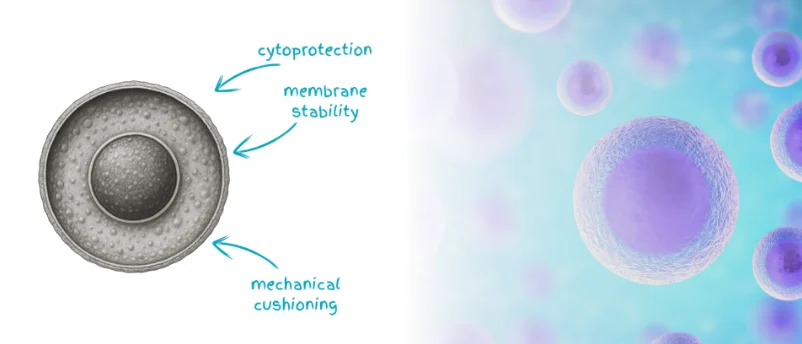
The vaccine candidate, reportedly an outer membrane vesicle (OMV) vaccine, aims to stimulate a robust immune response against key bacterial surface proteins, preventing initial infection or significantly reducing disease severity. The development of an effective gonorrhea vaccine would represent a monumental achievement in public health, offering a critical new tool in the fight against STIs and, crucially, addressing the growing crisis of antimicrobial resistance (AMR). "The potential impact of a gonorrhea vaccine cannot be overstated," commented Dr. Liam O’Connell, Director of STI Prevention at the WHO. "It would not only save lives and prevent immense suffering but also provide a powerful new weapon against the global threat of antimicrobial resistance, which is jeopardizing decades of progress in medicine. We eagerly await further clinical trial data." The economic burden of treating STIs and antibiotic-resistant infections is substantial, making preventative measures like vaccines invaluable from both a health and economic perspective.
Broader Implications and Future Outlook
The convergence of these grants, technological advancements, and industry recognitions paints a compelling picture of a biotech sector in rapid evolution. The Fecal Microbiome Discovery Grant exemplifies the crucial role of targeted funding in nurturing foundational research, translating complex biological insights into tangible health benefits. The Virtual Biology Initiative and Molecule Search underscore a decisive shift towards data-driven, AI-accelerated drug discovery, promising to dramatically increase efficiency and reduce the cost and time associated with bringing new therapies to market. Meanwhile, the recognition of InnovateBio Solutions highlights the foundational importance of quality reagents in enabling cutting-edge research, particularly in high-stakes areas like cancer. Finally, the breakthroughs in Type 1 diabetes management and gonorrhea vaccine development showcase the industry’s unwavering commitment to tackling pressing global health challenges through innovative, patient-centric solutions and preventative medicine.
Collectively, these developments point towards a future where personalized medicine, preventative strategies, and intelligent technologies are at the core of healthcare. The emphasis on collaboration—between academia and industry, across different scientific disciplines, and even globally through digital platforms—is driving unprecedented progress. As these initiatives mature and bear fruit, they are expected to not only advance scientific understanding but also profoundly impact human health, enhance quality of life, and reshape the economic landscape of the life sciences industry for decades to come. The current bi-weekly edition serves as a powerful reminder of the dynamic innovation and strategic foresight that characterize today’s biotech frontier.
















Leave a Reply