In a landmark study that offers new hope for the treatment of debilitating psychiatric conditions, researchers at the Institute for Neurosciences (IN) have mapped a specific neural pathway that governs anxiety-like behaviors and social avoidance. The research, conducted at the joint center of the Spanish National Research Council (CSIC) and the Miguel Hernández University (UMH) of Elche, demonstrates that many of the core symptoms of emotional disorders are rooted in a precise imbalance of synaptic communication within the amygdala. Perhaps most significantly, the study reveals that restoring this balance through targeted genetic intervention can effectively reverse these behaviors, providing a potential blueprint for future localized therapies in humans.
The research team, led by Dr. Juan Lerma at the Synaptic Physiology laboratory, published their findings in the journal iScience. By isolating the activity of a single gene and its corresponding receptors, the team has moved the scientific community closer to understanding the biological architecture of anxiety, depression, and social withdrawal—symptoms that are frequently comorbid in conditions such as autism spectrum disorder (ASD) and schizophrenia.
The Biological Foundation: The Role of the Grik4 Gene
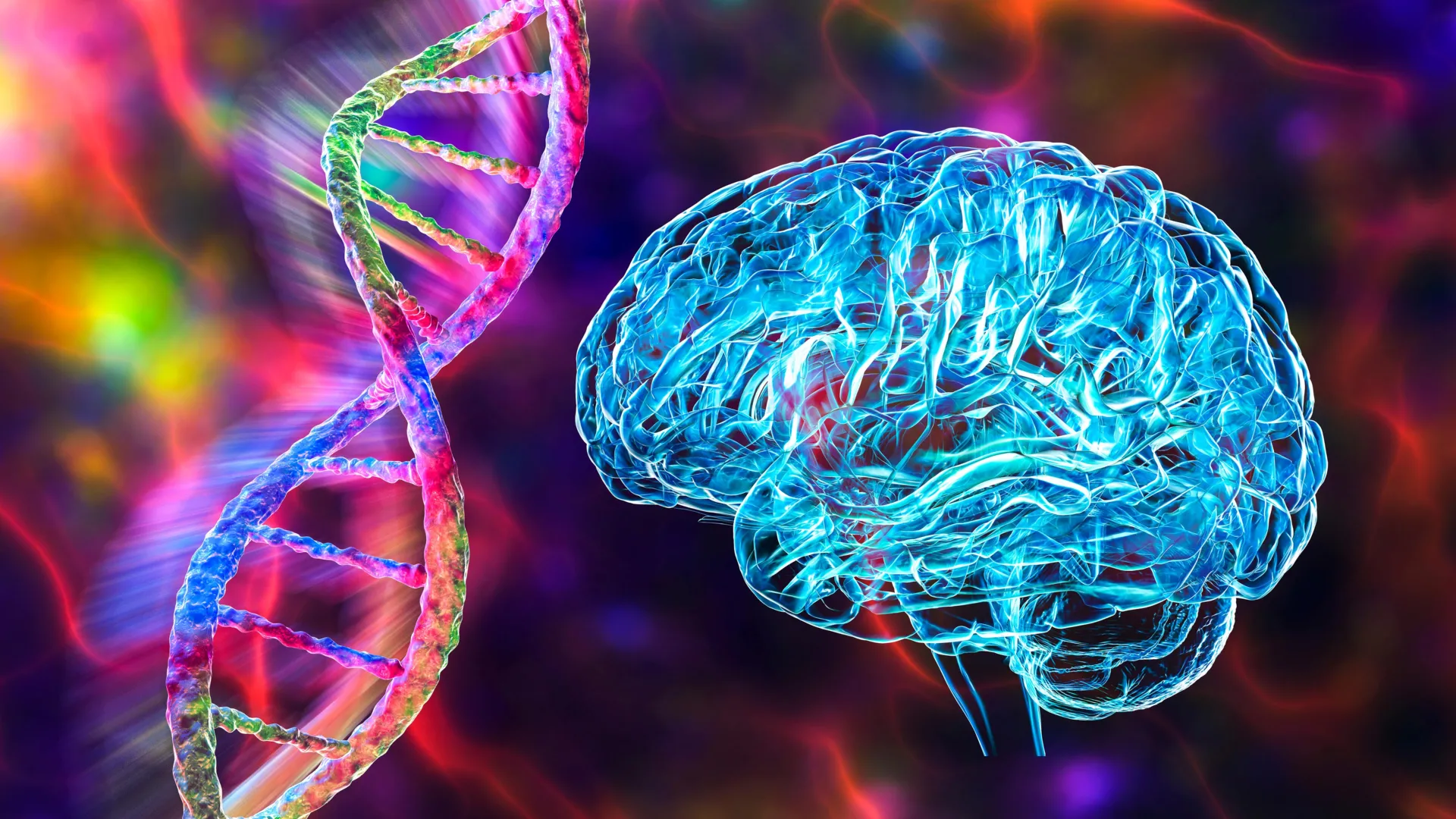
At the heart of the study is the Grik4 gene, which encodes the GluK4 subunit of kainate-type glutamate receptors. Glutamate is the primary excitatory neurotransmitter in the mammalian central nervous system, acting as the "on switch" for neural activity. However, when the regulation of these receptors is disrupted, the resulting "noise" can lead to significant behavioral pathologies.
The laboratory’s journey into this specific genetic pathway began nearly a decade ago. In 2015, Dr. Lerma’s team developed a genetically engineered mouse model designed to overexpress the Grik4 gene. This genetic tweak resulted in an overabundance of GluK4 receptors, particularly in the amygdala—a small, almond-shaped structure deep within the brain known to be the command center for emotional processing, fear, and the "fight or flight" response.
The 2015 study established that mice with this genetic profile consistently displayed high levels of anxiety, a lack of interest in social interaction, and symptoms reminiscent of depression. These findings mirrored the clinical observations of human patients with duplications of the 11q23.3 chromosomal region, where the GRIK4 gene is located. Human studies have long suggested that variations in this gene are linked to an increased risk of developing bipolar disorder, autism, and schizophrenia.
Mapping the Circuit: From the BLA to the CeA
The current study, led by first author Álvaro García, sought to move beyond mere observation and into the realm of intervention. The researchers focused their attention on the basolateral amygdala (BLA), a sub-region that acts as an entry point for sensory information and plays a critical role in assigning emotional value to experiences.
The team discovered that the overabundance of GluK4 receptors caused the neurons in the BLA to become hyper-excitable. This hyper-excitability disrupted the delicate communication between the BLA and the centrolateral amygdala (CeA). Specifically, the researchers identified a population of "regular firing" inhibitory neurons in the CeA that were being overwhelmed by the excessive signals coming from the BLA.
"We already knew the amygdala was involved in anxiety and fear," Dr. Lerma explained during the announcement of the findings. "But now we’ve identified a specific population of neurons whose imbalanced activity alone is sufficient to trigger pathological behaviors."
This identification of a specific circuit—the BLA-to-CeA pathway—is a significant advancement. It suggests that psychiatric symptoms are not necessarily the result of global brain dysfunction, but rather the result of specific "nodes" or "cables" within the brain’s wiring that have gone out of tune.
Experimental Methodology and Behavioral Reversal
To test whether they could fix this "out of tune" circuit, the researchers utilized advanced genetic engineering and viral vector technology. They employed modified viruses to deliver a specific genetic "correction" directly into the basolateral amygdala of the symptomatic mice. This intervention was designed to normalize the expression of the Grik4 gene, effectively lowering the number of GluK4 receptors to healthy levels.
The results were immediate and profound. After the neural balance was restored, the researchers subjected the mice to a battery of standardized behavioral tests:
- The Open Field Test: Naturally anxious mice tend to stay near the walls of an enclosure (thigmotaxis) to avoid perceived threats. Following the treatment, the mice showed a significant increase in their willingness to explore the open, center areas of the field.
- Social Interaction Tests: Mice are social creatures, but those with Grik4 overexpression typically avoid unfamiliar peers. The intervention restored the mice’s natural curiosity, leading to normal social engagement with "stranger" mice.
- Elevated Plus Maze: This test measures the preference for enclosed versus open arms of a raised platform. The treated mice displayed a marked reduction in avoidance behavior, spending more time in the open arms, which indicates lower anxiety levels.
"That simple adjustment was enough to reverse anxiety-related and social deficit behaviors, which is remarkable," said Álvaro García. The ability to switch these behaviors "off" by targeting a single circuit suggests that the brain possesses a high degree of plasticity, even in the presence of long-standing genetic imbalances.
Validating the Universal Nature of the Circuit
One of the most critical aspects of the study was determining whether this mechanism was unique to the genetically modified Grik4 mice or if it represented a more general principle of brain function. To answer this, the team applied the same viral intervention to "wild-type" mice—animals with no genetic modifications that naturally exhibited high levels of baseline anxiety.
The researchers found that normalizing the activity in the BLA-CeA circuit also reduced anxiety in these naturally anxious wild-type mice. This discovery is a major milestone because it suggests that the identified neural pathway is a universal regulator of emotion.
"This validates our findings and gives us confidence that the mechanism we identified is not exclusive to a specific genetic model," Lerma added. "It may represent a general principle for how these emotions are regulated in the brain."
This finding has massive implications for the pharmaceutical industry and clinical psychiatry. If the BLA-CeA circuit is a universal "anxiety dial," then treatments targeting this specific area could potentially help a broad range of patients, regardless of the underlying cause of their anxiety.
Chronology of Discovery: A Decade of Research
The path to this discovery has been one of incremental scientific rigor:
- Pre-2015: Initial genomic studies identify the GRIK4 gene as a candidate for susceptibility to various psychiatric disorders in human populations.
- 2015: Dr. Juan Lerma’s laboratory successfully creates the Grik4 overexpression mouse model, confirming that an excess of this gene leads to social withdrawal and anxiety.
- 2017–2021: The team utilizes electrophysiological recordings to map the firing patterns of individual neurons within the amygdala, identifying the BLA-CeA communication breakdown.
- 2022–2023: Experimental trials using viral vectors are conducted to "silence" or normalize the gene expression in specific brain regions.
- 2024: Publication in iScience detailing the successful reversal of symptoms and the identification of the specific "regular firing" neurons in the CeA as the key mediators of the behavioral change.
Limitations and Future Directions
While the study was highly successful in reversing anxiety and social deficits, not all symptoms were corrected. The mice continued to exhibit deficits in object recognition memory—a trait often associated with cognitive impairment in human psychiatric patients.
The researchers hypothesize that while the amygdala governs the emotional aspects of these disorders, other regions, such as the hippocampus, are likely responsible for the cognitive and memory-related symptoms. The Grik4 gene is expressed in several parts of the brain, and the localized treatment in the amygdala did not affect the hippocampus.
"Targeting these specific neural circuits could become an effective and more localized strategy to treat affective disorders," Dr. Lerma concluded. However, he also noted that a comprehensive treatment for complex disorders like autism or schizophrenia might eventually require a multi-nodal approach, targeting several circuits simultaneously to address both emotional and cognitive deficits.
Broader Impact and Implications for Human Medicine
The global burden of anxiety and depressive disorders is immense. According to the World Health Organization, hundreds of millions of people suffer from these conditions, many of whom do not respond well to current pharmacological treatments. Traditional medications, such as SSRIs (Selective Serotonin Reuptake Inhibitors) or benzodiazepines, often have a "shotgun" effect, altering chemistry across the entire brain and leading to significant side effects.
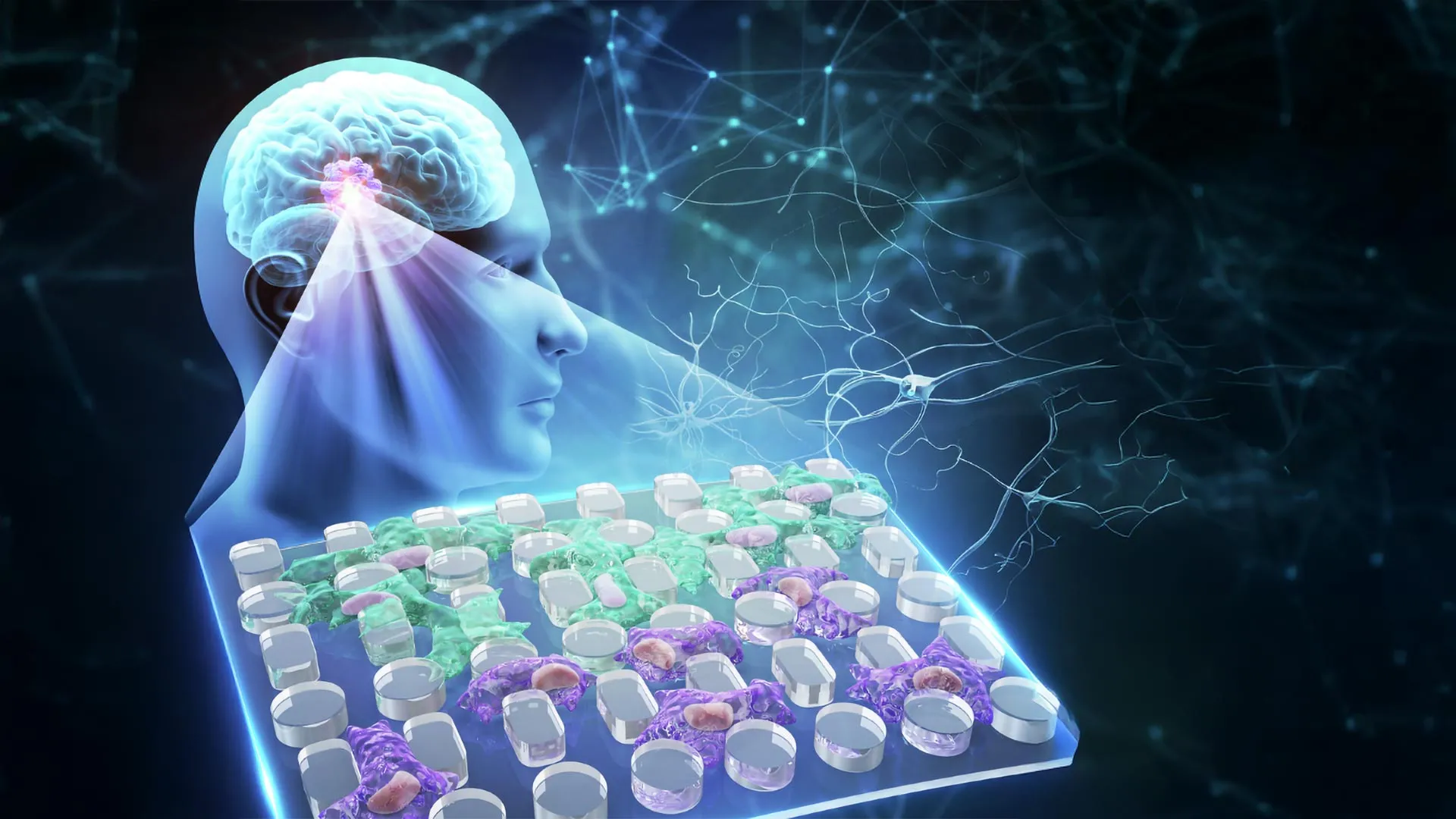
The work of the CSIC-UMH team points toward a future of "precision psychiatry." Instead of flooding the brain with chemicals, future therapies might use gene therapy or deep-brain stimulation to precisely calibrate the specific circuits responsible for a patient’s symptoms.
The study also provides a deeper biological understanding of why certain individuals are more prone to anxiety than others. By showing that a slight increase in the expression of a single gene can fundamentally rewire the amygdala’s output, the research moves the conversation away from "personality traits" and toward "neural circuitry."
The funding for this research was provided by a coalition of high-level scientific bodies, including the Spanish State Research Agency (AEI), the Severo Ochoa Excellence Program, the European Regional Development Fund (ERDF), and the Generalitat Valenciana. This level of institutional support underscores the importance of the findings in the broader context of European medical research.
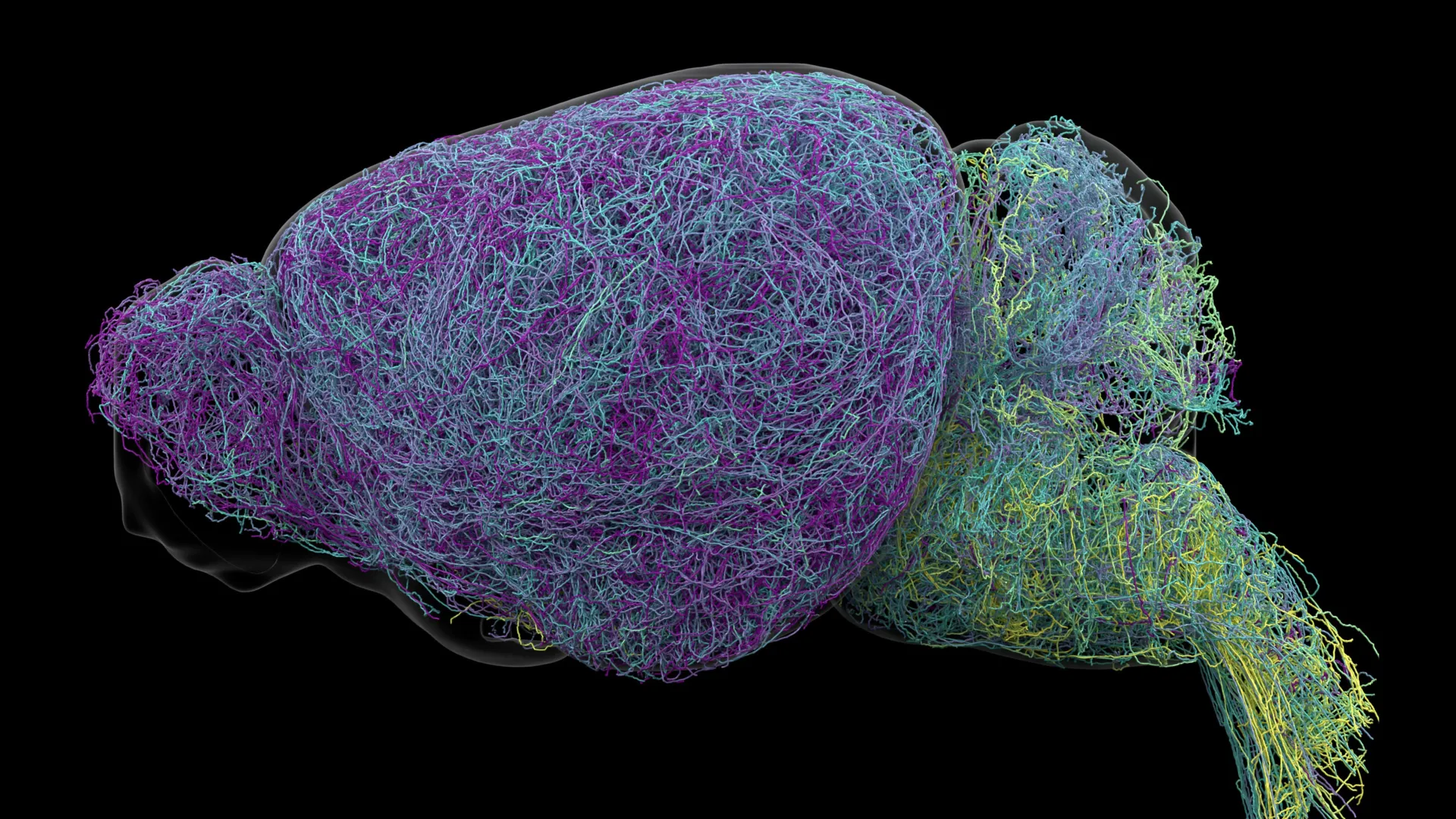
As scientists continue to decode the "connectome"—the complex map of neural connections in the brain—the work of Dr. Lerma and his colleagues stands as a pivotal chapter in the quest to understand the biological roots of the human experience. While human applications of this specific gene therapy remain years away, the identification of the BLA-CeA circuit provides a definitive target for the next generation of psychiatric interventions.