Researchers from Heinrich Heine University Düsseldorf (HHU), in collaboration with colleagues from the University of Cologne and the University of Frankfurt/Main, have identified specific brain circuits that regulate the complex division of labor within honeybee (Apis mellifera) colonies. The study, published in the Proceedings of the National Academy of Sciences (PNAS), reveals that the social roles of worker bees are not merely the result of environmental cues but are fundamentally governed by internal neural mechanisms linked to a specific gene known as doublesex. By manipulating this gene and selectively inhibiting associated neural pathways, the team successfully altered the behavioral trajectory of individual bees, effectively turning back the biological clock of their social responsibilities.
The discovery provides a molecular and neurological answer to a question that has long fascinated evolutionary biologists: how a colony of tens of thousands of individuals manages to maintain a highly organized workforce without a central authority or leader to assign tasks. While the queen bee is the reproductive heart of the hive, she does not issue orders or manage logistics. Instead, the hive functions as a decentralized "superorganism" where individual workers transition through a series of roles based on their age and the immediate needs of the community.
The Biological Clock: Temporal Polyethism in the Beehive
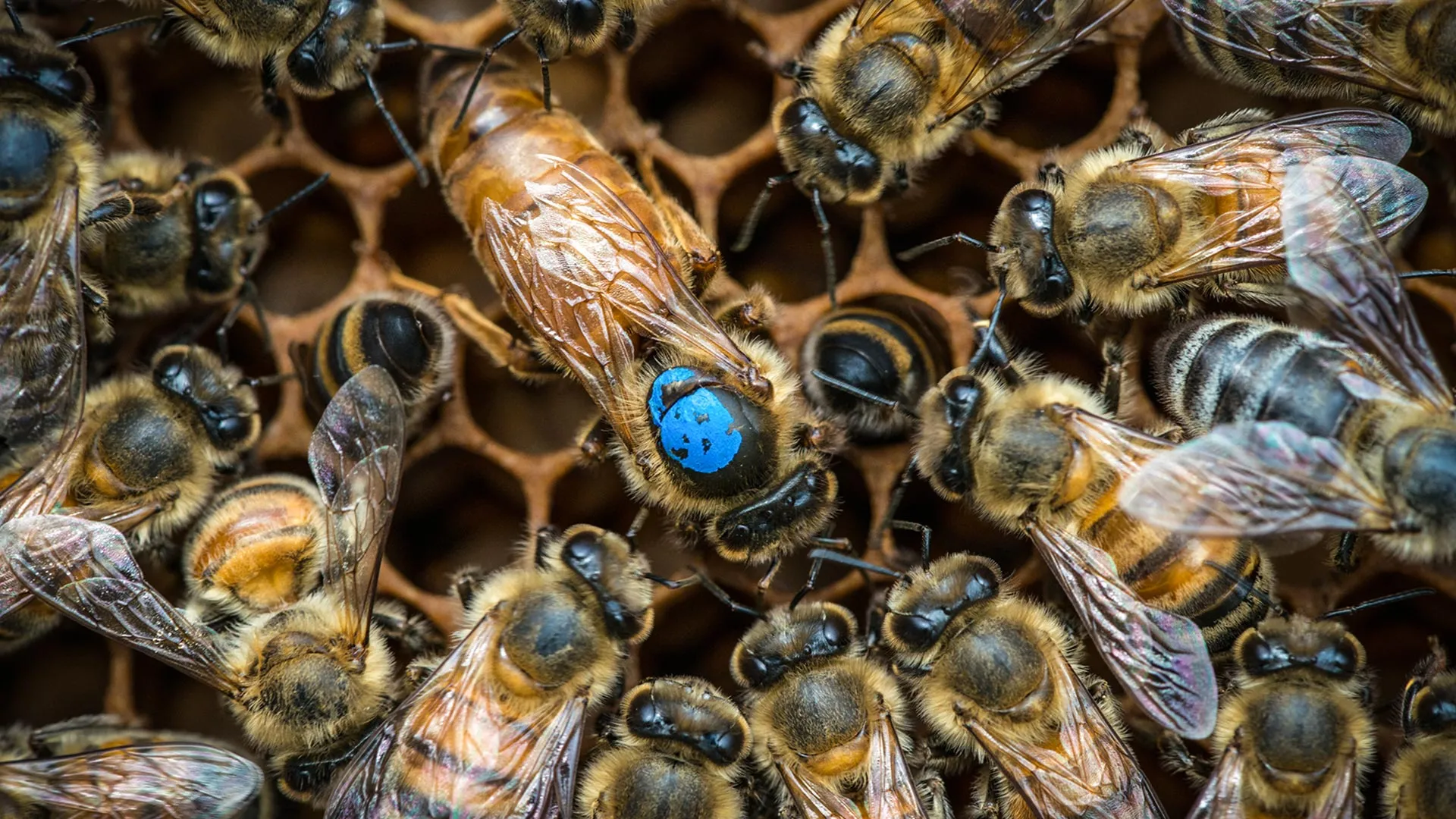
To understand the significance of the research, it is necessary to examine the natural lifecycle of a worker bee, a process known as temporal polyethism. In a healthy colony, a worker bee’s career follows a strictly choreographed sequence. Upon emerging from her brood cell, a young worker spends her first few days cleaning cells. As she matures, usually between days 4 and 12, she transitions into a "nurse" role, producing royal jelly to feed the queen and the developing larvae.
As the bee continues to age, her physiology changes. Her brood food glands atrophy, and her wax glands become more active, allowing her to transition to hive maintenance, food processing, and guarding the entrance against intruders. Finally, around the third week of life, the bee takes on her most dangerous and demanding role: the forager. Foragers leave the safety of the hive to collect nectar, pollen, water, and propolis, traveling miles to sustain the colony’s energy reserves.
Until this study, the scientific community understood that these shifts were influenced by hormones like juvenile hormone (JH) and vitellogenin, as well as pheromones from the queen and the brood. However, the exact neural architecture that translated these physiological changes into specific social behaviors remained elusive. The research led by Professor Dr. Martin Beye and Dr. Jana Seiler has now pinpointed the doublesex gene as a master regulator of this behavioral evolution.
The Discovery of the Doublesex Gene’s Role
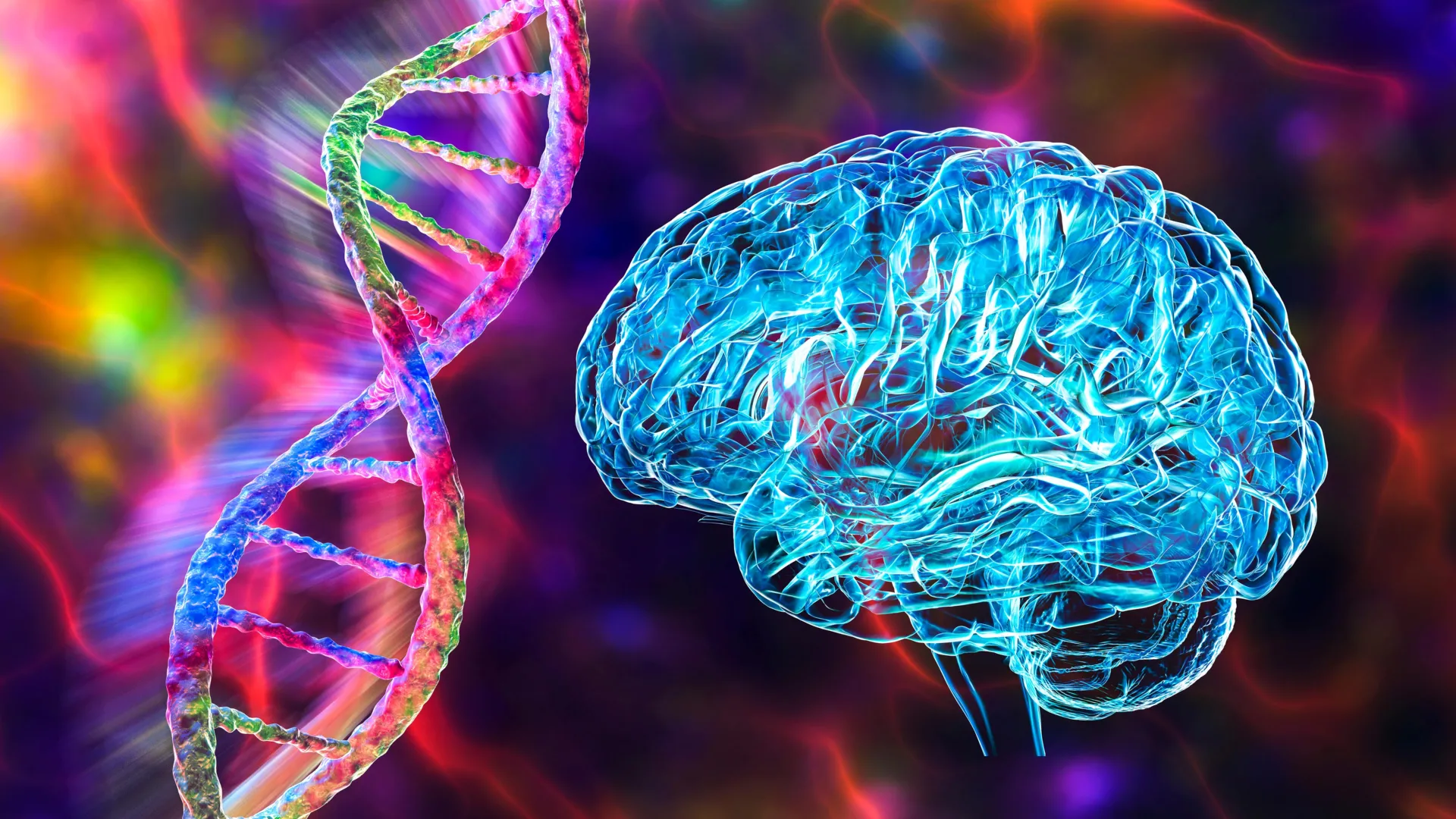
The breakthrough originated in the Institute of Evolutionary Genetics at HHU. Professor Dr. Martin Beye’s team had been investigating the doublesex gene, which is well-known in the field of genetics as a key regulator of sexual differentiation in many insect species, including the fruit fly (Drosophila melanogaster). In most insects, doublesex determines whether an embryo develops male or female physical characteristics.
However, in the honeybee, the gene appears to have evolved a secondary, highly specialized function. During initial observations, Beye’s team noted that when the doublesex gene was deactivated in older worker bees, they displayed an unexpected regression in behavior. Instead of continuing their duties as foragers or guards, these older bees began to exhibit nursing behaviors, such as intensive care for the queen and the brood. This suggested that the gene was not just a developmental switch for sex, but a dynamic controller of the neural circuits that dictate age-dependent social tasks.
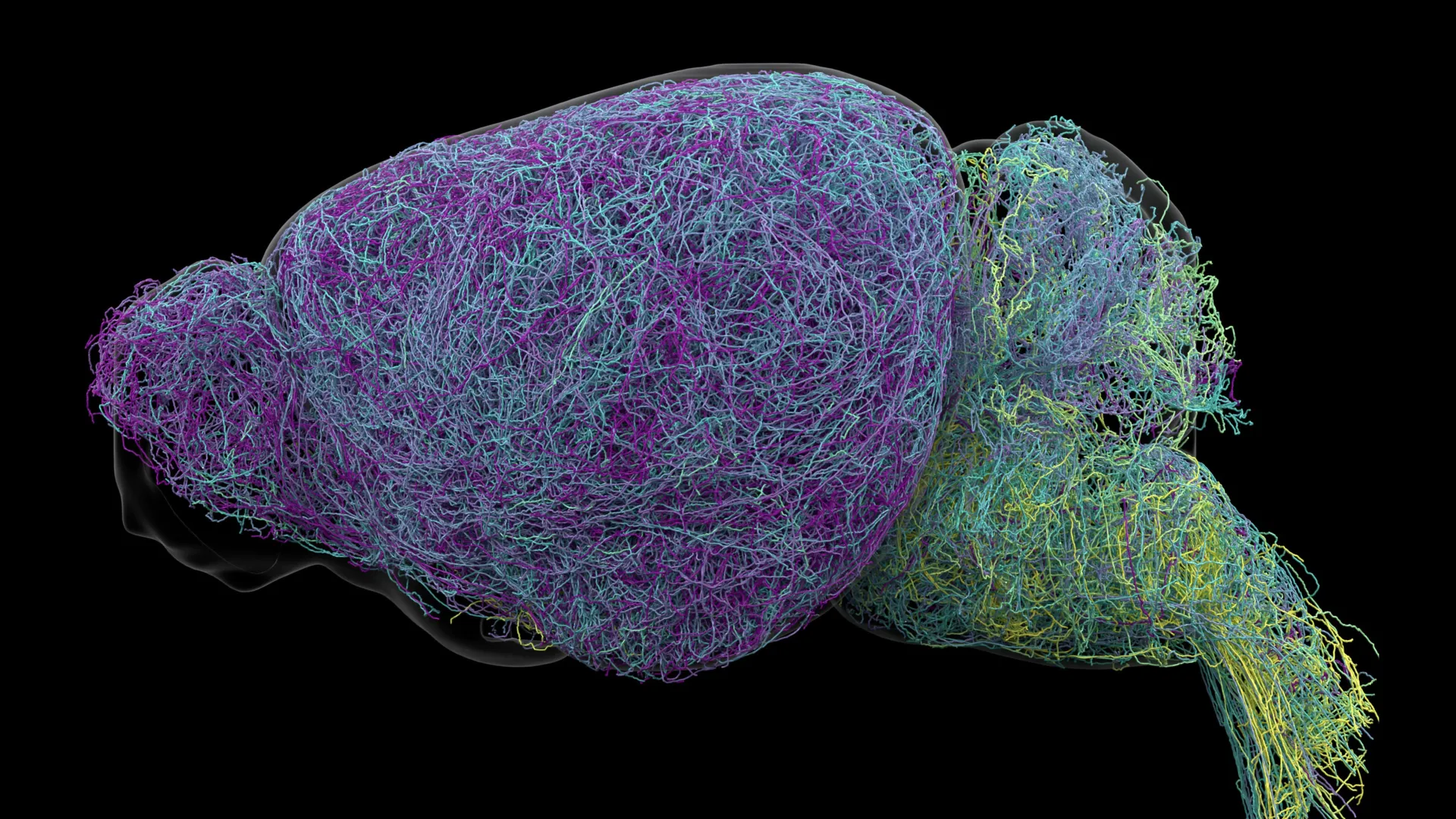
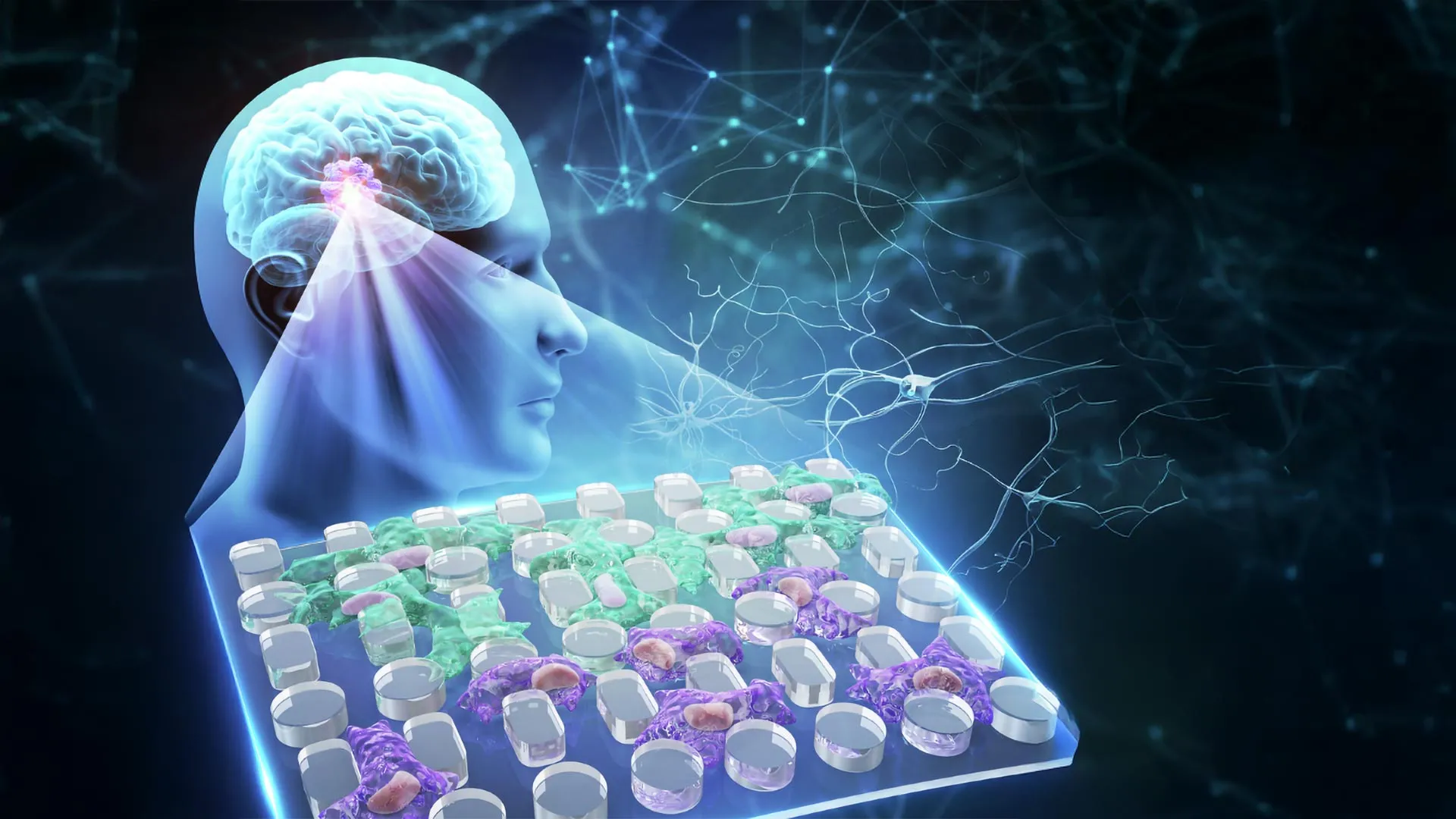
Because the expression of the doublesex gene is confined to specific clusters of neurons within the bee brain—which contains approximately one million neurons—it provided the researchers with a "genetic map" to identify the exact circuits responsible for social organization.
Methodology: Precision Manipulation of Neural Circuits
To prove that these specific circuits were the drivers of behavior, the researchers employed a sophisticated chemogenetic approach. They utilized the doublesex gene to produce a specific protein within the targeted neural circuits. This protein was designed to act as a "switch" that could suppress the activity of the neurons when triggered.
The researchers fed the bees a specific chemical substance that activated this protein, allowing them to selectively silence the doublesex-associated circuits in living, free-moving bees. This level of precision allowed the team to isolate the effects of these specific neurons from the rest of the brain’s activity.
When the circuits were inhibited in older worker bees, the results were consistent and striking: the bees abandoned their age-appropriate roles and returned to the tasks associated with younger workers. Specifically, they resumed "attending the queen," a behavior characterized by feeding and grooming the colony’s mother, a task they would normally have outgrown weeks prior.
"The older worker bees then resumed caring for the queen, which only younger bees would do otherwise," explained Dr. Jana Seiler, the study’s lead author. "When the circuits were not inhibited, the bees exhibited their normal, age-dependent behavior. In this way, we were able to control which tasks the worker bees performed."
Chronology of Research and Institutional Collaboration
The study is the culmination of several years of interdisciplinary work across three major German research institutions. The timeline of the project reflects the growing complexity of genetic tools available to entomologists:
- Phase 1 (Discovery): Initial research at HHU identified the presence of doublesex in worker bee brains and noted the correlation between its expression and task performance.
- Phase 2 (Mapping): Researchers at the University of Cologne and the University of Frankfurt/Main assisted in mapping the neural pathways where the gene was active, focusing on the integration centers of the bee brain, such as the mushroom bodies.
- Phase 3 (Manipulation): The team developed the chemogenetic tools necessary to suppress neural activity without killing the bees or permanently damaging their cognitive functions.
- Phase 4 (Validation): Field tests and hive observations were conducted to ensure that the behavioral changes were statistically significant and not the result of general lethargy or illness.
The findings, published in 2024, represent a major milestone in the field of sociobiology, providing a direct link between a single gene, a specific neural circuit, and a complex social behavior.
Supporting Data: The Efficiency of the Hive
The importance of this discovery is underscored by the sheer efficiency of the honeybee’s decentralized system. Data from the USDA and various entomological studies indicate that a single honeybee colony can forage over an area of up to 50 square miles, with workers making thousands of trips per day. The colony’s survival depends on a precise balance of roles:
- Nursing: Approximately 30-40% of the hive must be engaged in brood care to ensure the next generation survives.
- Maintenance: Roughly 20% of workers manage the physical structure and climate of the hive.
- Foraging: The remaining workers act as the "supply chain," bringing in the massive amounts of nectar needed to produce the 60-100 pounds of honey required for a colony to survive the winter.
The HHU study suggests that the "communication" between neural circuits allows the hive to be plastic. If a colony loses its foragers to a predator or a storm, the neural circuits of younger bees may shift more rapidly, or older bees might adjust their behavior to compensate. The doublesex gene acts as the mediator of this flexibility.
Broader Implications and Analysis
The implications of this research extend far beyond the study of insects. By understanding how a relatively simple brain (compared to mammals) organizes complex social cooperation, scientists can gain insights into the evolution of sociality across the animal kingdom, including in humans.
1. Swarm Intelligence and Robotics
The findings are of significant interest to the field of artificial intelligence and swarm robotics. Engineers often look to honeybees to design decentralized algorithms for autonomous drones or robots. Understanding the neural "switches" that govern task division can help in creating more resilient and adaptable robotic systems that can reorganize their workforce in response to environmental changes without the need for constant human intervention.
2. Agricultural Security and Conservation
Honeybees are responsible for pollinating approximately one-third of the food consumed by humans, contributing an estimated $15 billion annually to the U.S. economy alone. However, colonies worldwide are under threat from Colony Collapse Disorder (CCD), pesticides, and climate change. One of the symptoms of a failing colony is a breakdown in the division of labor—for example, when young bees are forced to forage too early, they often fail to return, leading to a "death spiral" for the hive.
Understanding the neural foundations of task division could lead to new conservation strategies. If scientists can identify the environmental stressors that disrupt the doublesex-regulated circuits, they may be able to develop treatments or hive management techniques that stabilize the colony’s social structure during periods of stress.
3. Evolutionary Biology
The study challenges the traditional view that social roles are purely "hardwired" or purely "environmental." It suggests a sophisticated interplay where a genetic foundation (the doublesex gene) creates a neural framework that is sensitive to the bee’s internal age and external social cues.
Professor Beye emphasized the potential for future research: "The ability to control the social behavior of bees offers us new opportunities to explore the fundamentals of innate behavioral diversity and social cooperation. The solution to the secret of how bees and other animals cooperate so well without a blueprint for work is likely hidden in the brain’s neural circuits."
Conclusion
The work of the HHU, Cologne, and Frankfurt researchers has opened a new window into the "black box" of the honeybee brain. By demonstrating that social roles can be toggled through the manipulation of specific neural circuits, the study moves the scientific community closer to understanding the biological roots of cooperation. As the world continues to rely on the labor of these essential insects, the ability to decode and perhaps even protect their complex social structure becomes more than a matter of scientific curiosity—it becomes a matter of ecological and economic necessity. The research team plans to continue their work by investigating how other genes interact with doublesex to fine-tune the hive’s response to the ever-changing demands of the natural world.