For millions of Americans, the daily ritual of swallowing a fish oil supplement has become synonymous with proactive health maintenance. With an annual market expenditure exceeding $1 billion, these omega-3 fatty acid capsules are widely marketed and consumed as a primary defense against the cognitive erosion associated with aging. The biological premise is sound: docosahexaenoic acid (DHA) and eicosapentaenoic acid (EPA) are critical building blocks for neural membranes, essential for the synaptic plasticity that facilitates memory, learning, and cognitive processing. However, a landmark two-year clinical trial conducted by researchers at Keck Medicine of the University of Southern California (USC) has challenged the efficacy of this multi-billion-dollar habit, suggesting that high-dose supplementation may offer no tangible protection against Alzheimer’s disease or brain atrophy.
The study, published in the journal eBioMedicine, represents a significant shift in the scientific discourse surrounding nutraceuticals. By moving beyond observational data and employing a rigorous, randomized, double-blind, placebo-controlled methodology, the research team sought to determine whether elevating systemic omega-3 levels could provide a "silver bullet" for brain health in a high-risk population.
A Rigorous Examination of Cognitive Resilience
The trial enrolled 365 participants, all aged between 55 and 80, selected specifically for their elevated risk of developing Alzheimer’s disease. A critical component of the participant profile was their low baseline intake of dietary fish, ensuring that the study cohort was not already meeting nutritional requirements through whole foods. Furthermore, the researchers stratified the cohort by genetic risk; nearly half of the participants (47%) carried the APOE4 allele. The APOE4 variant is widely recognized as the most potent genetic risk factor for late-onset Alzheimer’s, significantly increasing the probability that an individual will experience cognitive decline in their later years.
The methodology was designed to eliminate the variables that often confound nutritional studies. Participants were randomly assigned to one of two groups: one receiving a daily 2,000 mg dose of DHA—a concentration significantly higher than the standard over-the-counter supplement—and the other receiving an inactive placebo. The trial spanned 24 months, a duration deemed sufficient to detect measurable changes in both cognitive performance and brain architecture.
The Mystery of the Missing Biological Link
Before determining clinical outcomes, the researchers faced a fundamental hurdle: proving that the oral supplements were actually reaching their target. The brain is protected by the blood-brain barrier, a sophisticated semi-permeable border that separates the circulating blood from the brain’s extracellular fluid. To confirm successful delivery, the research team analyzed cerebrospinal fluid (CSF) in participants.
The results were unequivocal: after six months, those in the supplement group exhibited a 17% increase in DHA concentration within their cerebrospinal fluid. This confirmed that the omega-3s were effectively crossing the blood-brain barrier and circulating within the central nervous system. Despite this physiological success, the clinical results were starkly disappointing. When researchers evaluated the participants’ performance on standardized memory and cognitive tests at the two-year mark, there was no statistically significant difference between those taking the DHA supplements and those taking the placebo.
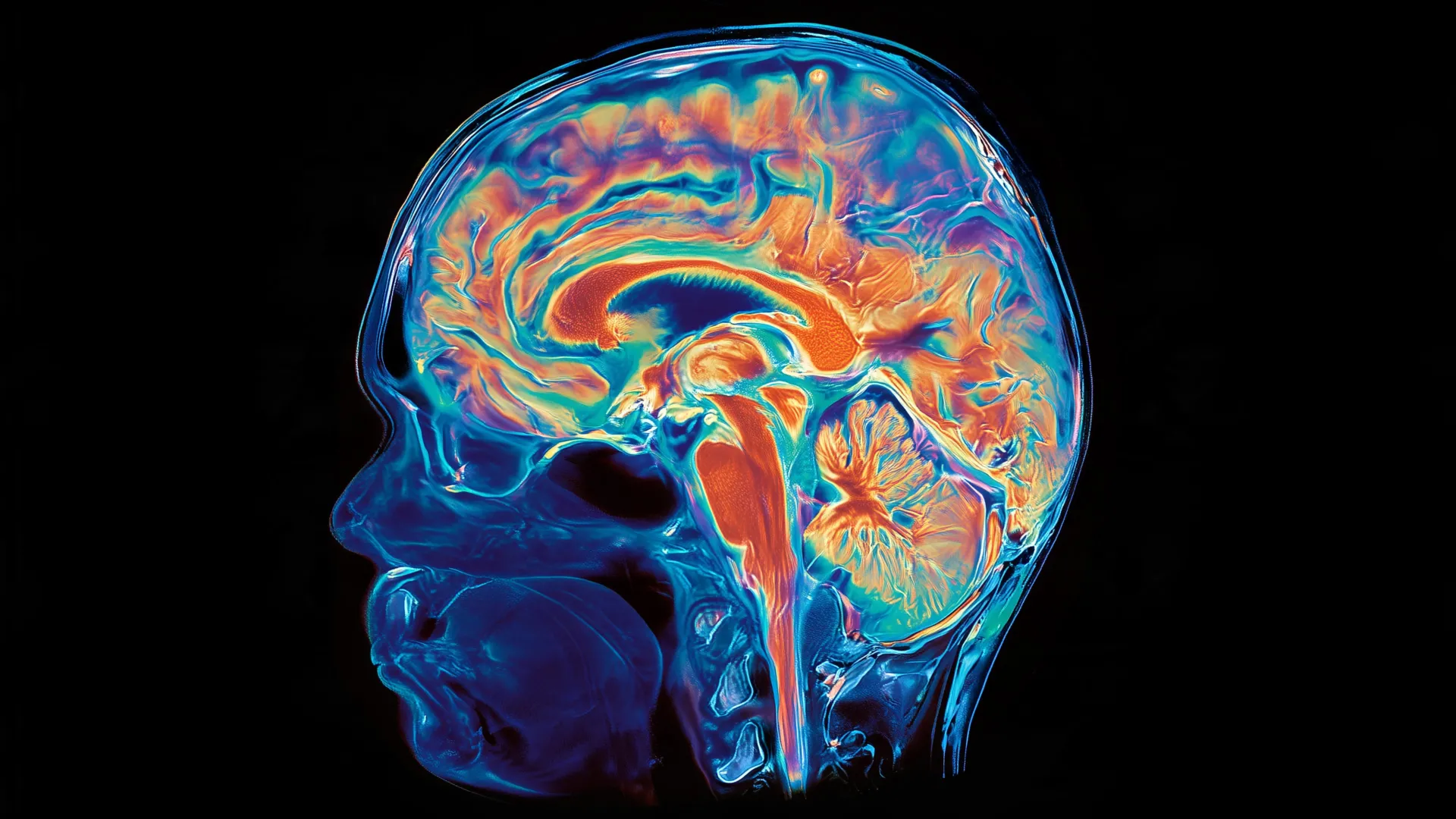
Advanced neuroimaging further corroborated these findings. Using MRI scans to monitor brain morphology, the team specifically looked for changes in the hippocampus—the region of the brain responsible for memory consolidation and spatial navigation. The hippocampus is notoriously vulnerable to the early stages of Alzheimer’s-related shrinkage. The imaging revealed that the high-dose DHA supplementation failed to mitigate or slow this atrophy, leaving the treatment group with no structural advantage over the placebo group.
The Synergy of the Mediterranean Diet
The discrepancy between the successful delivery of DHA to the brain and the lack of cognitive improvement has spurred a new investigative focus. Dr. Hussein Naji Yassine, director of the USC Center for Personalized Brain Health and the study’s lead investigator, suggests that the isolation of a single nutrient may be the missing piece of the puzzle.
"We all wish there was a silver bullet for preventing Alzheimer’s, but our findings showed that fish oil supplements do not appear to protect brain health," Dr. Yassine stated. The implication is not that omega-3s are unimportant, but rather that the biological context of their consumption matters. In nature, omega-3 fatty acids are rarely consumed in isolation. They are found in complex food matrices, such as those prescribed by the Mediterranean diet—a regimen rich in whole grains, legumes, fatty fish, nuts, olive oil, and fresh produce.
Current research hypotheses suggest that these foods provide a "nutritional entourage effect." When consumed as part of a whole-food diet, omega-3s interact with a variety of polyphenols, vitamins, and minerals that may facilitate better absorption, metabolism, and integration into neural tissue. By stripping the omega-3s from their natural source and packaging them into a capsule, the industry may have inadvertently removed the "helper" compounds necessary for the brain to utilize these fats for neuroprotection.
Broader Implications for Public Health and Policy
The findings have significant implications for both public health policy and the dietary supplement industry. For years, the supplement industry has leaned on the essential nature of omega-3s to market products as cognitive boosters. While the science remains robust regarding the necessity of omega-3s for early brain development and general systemic health, the leap to "preventative medicine" for Alzheimer’s is not supported by this clinical evidence.
Medical experts are now cautioning that reliance on supplements may create a "false sense of security." If an individual believes that a daily capsule is providing a shield against dementia, they may be less inclined to engage in the lifestyle interventions that have shown genuine efficacy in reducing risk.
The research team at USC emphasizes that the "car maintenance" analogy remains the most accurate way to conceptualize brain health. Just as a vehicle requires more than just high-quality oil to function—needing a clean filter, a healthy battery, and a functioning cooling system—the brain requires a holistic approach to physiological health.
The Future of Alzheimer’s Prevention
As the global population ages, the search for Alzheimer’s preventatives has reached a critical juncture. According to the Alzheimer’s Association, more than 6 million Americans are currently living with the disease, a number expected to rise to nearly 13 million by 2050. The failure of this specific intervention underscores the need for a shift in research funding and focus.
Future studies are expected to move away from isolated supplementation and toward "precision nutrition" and poly-pharmacology. Dr. Yassine and his colleagues are now working to determine if specific metabolic conditions or genetic profiles prevent the brain from utilizing omega-3s effectively. The goal is to develop targeted therapies that could "unlock" the brain’s ability to process these nutrients, potentially restoring their protective function in individuals who are currently unable to benefit from them.
For the general public, the advice remains grounded in traditional wisdom, albeit backed by increasingly rigorous science. Cardiovascular health, physical exercise, and mental stimulation are currently the most reliable pillars of cognitive preservation. Physical activity increases blood flow to the brain, which enhances the delivery of nutrients and the removal of metabolic waste products, while high-quality sleep is the period during which the brain undergoes critical "cleaning" and memory consolidation.
A New Standard for Clinical Research
The USC study sets a new benchmark for how nutritional interventions should be evaluated. By incorporating biomarker validation (measuring CSF levels) alongside clinical outcomes (cognitive testing and imaging), the researchers have provided a roadmap for future studies. This methodology prevents the confusion often seen in nutritional research where a treatment might be dismissed simply because it didn’t reach the target organ, or conversely, praised despite having no real-world impact.
In conclusion, while the results of the two-year trial are a setback for the proponents of omega-3 supplementation as a prophylactic for Alzheimer’s, they are a victory for scientific clarity. They remind us that human physiology is vastly more complex than a single nutrient pathway. As the scientific community continues to peel back the layers of Alzheimer’s disease, the focus will likely remain on the synergistic effects of lifestyle, diet, and metabolic health. For those looking to preserve their memory, the path forward is not found in a supplement bottle, but in the sustained, lifelong commitment to the habits that nurture the brain’s resilience from the inside out.