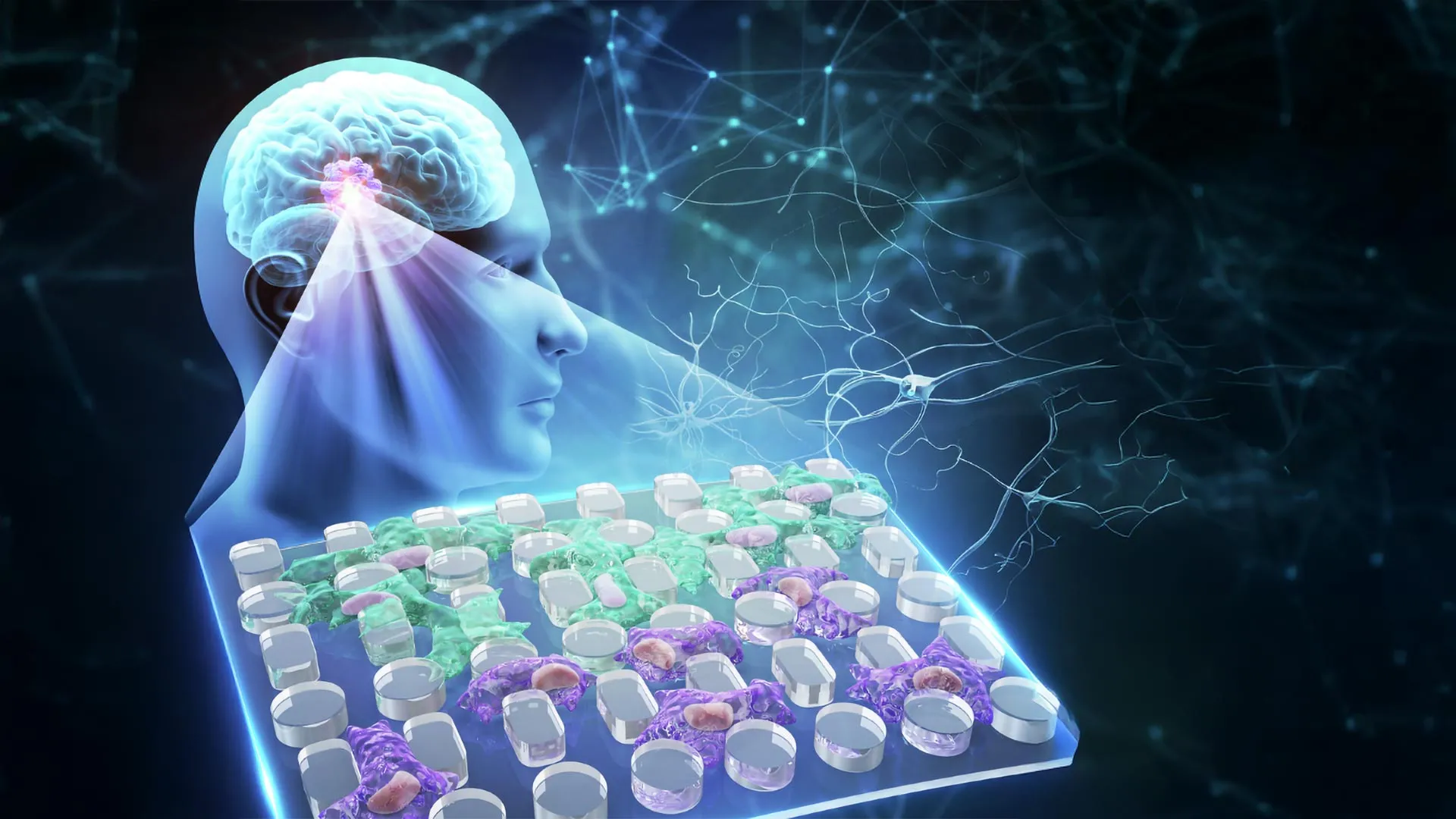
The medical community has long recognized that the journey to recovery from major depressive disorder (MDD) is rarely a linear path. While modern antidepressants and psychotherapy are effective at elevating mood and stabilizing emotional regulation for millions, a significant portion of patients remains burdened by a secondary suite of symptoms often referred to as "brain fog." These lingering cognitive impairments—encompassing memory deficits, poor concentration, and diminished executive function—frequently persist even after the primary emotional symptoms of depression have subsided. However, a groundbreaking study led by researchers from the University of Birmingham and the University of Oxford suggests that a solution may already exist on pharmacy shelves, currently hidden in the form of a common treatment for chronic constipation.
The study, published in the peer-reviewed journal Psychological Medicine, highlights the potential of prucalopride, a licensed medication for gastrointestinal issues, to be repurposed as a cognitive enhancer for individuals with a history of depression. By targeting specific serotonin receptors that reside in both the human gut and the brain, the drug appears to sharpen mental clarity and improve memory retention, offering a glimmer of hope for those whose "recovery" from depression still feels incomplete due to mental sluggishness.
The Persistence of Cognitive "Brain Fog" in Mental Health
Major depressive disorder is one of the leading causes of disability worldwide, but public understanding of the condition often focuses exclusively on the "hot" symptoms—those related to mood, such as sadness, hopelessness, and irritability. However, "cold" cognition—the non-emotional mental processes required for daily functioning—is equally affected. Patients frequently report an inability to focus on tasks at work, difficulty remembering simple instructions, and a general sense of mental "fuzziness" that makes complex decision-making feel insurmountable.
Clinical data suggests that up to 50% of patients in remission from depression continue to experience these cognitive deficits. Unlike the emotional symptoms, which may fluctuate, these cognitive scars can become chronic, hindering a patient’s ability to return to full professional and social productivity. Current standard-of-care treatments, such as Selective Serotonin Reuptake Inhibitors (SSRIs), are designed primarily to balance mood-regulating chemicals. While they are life-saving for many, they are not specifically formulated to target the neurobiological pathways responsible for memory and attention. This gap in treatment has led researchers to look toward the 5-HT4 receptor, a specific type of serotonin receptor that plays a critical role in cognitive health.
The Science of Prucalopride and the 5-HT4 Receptor
Prucalopride is a selective, high-affinity 5-HT4 receptor agonist. In the context of gastroenterology, it is prescribed to stimulate bowel movements in patients with chronic constipation by activating these receptors in the gut. However, the 5-HT4 receptor is not exclusive to the digestive system; it is also expressed in high densities in areas of the brain associated with memory and learning, such as the hippocampus and the prefrontal cortex.
The research team, led by Dr. Angharad de Cates of the University of Birmingham, hypothesized that by stimulating these cerebral receptors, prucalopride could "kickstart" the neural circuits that become sluggish during and after depressive episodes. The study was supported by the National Institute for Health and Care Research (NIHR) Oxford Health Biomedical Research Centre, marking a significant collaborative effort to explore the "gut-brain axis" from a pharmacological perspective.
Methodology: A Rigorous Double-Blind Clinical Trial
To test this hypothesis, researchers conducted a randomized, double-blind, placebo-controlled trial involving 50 healthy adults with a documented history of depression. The participants were specifically chosen because they were currently in a state of remission and had been off antidepressant medication for at least six months. This ensured that the results would not be confounded by active depressive symptoms or the side effects of other psychiatric drugs.
The participants were divided into two groups:
- The Experimental Group: Received a 2mg daily dose of prucalopride—the standard dose used for treating constipation—for a period of 7 to 10 days.
- The Control Group: Received a placebo for the same duration.
To ensure safety and monitor the drug’s effects, the researchers used a titration period during the first few days of the study. Participants underwent a comprehensive battery of cognitive assessments both before the treatment began and at the conclusion of the study period. These tests were designed to measure a wide range of mental faculties, including short-term and long-term memory, executive function (the ability to plan and organize), and "affective cognition" (how the brain processes emotional information).
Analysis of Results: Faster, Sharper, and More Accurate
The findings revealed a statistically significant difference between the two groups. Those who took prucalopride demonstrated marked improvements across several key cognitive domains compared to the placebo group.
The data, quantified using z-scores—a statistical measurement that describes a value’s relationship to the mean of a group of values—showed that participants taking the medication achieved higher accuracy (z=+0.59) and significantly faster response times (z=-0.69) on cognitive tasks. Specifically, the improvements were most notable in:
- Executive Function: The ability to switch between tasks and manage complex information.
- Memory Consolidation: The process of turning short-term memories into long-term ones.
- Attention Span: The capacity to maintain focus on a specific stimulus without distraction.
Interestingly, the researchers also monitored for "affective cognition"—essentially checking if the drug changed how participants reacted to emotional stimuli. While the primary improvements were seen in "cold" cognition (the non-emotional tasks), the overall enhancement of mental speed and accuracy suggested a holistic improvement in brain processing power.
Safety and the Absence of Gastrointestinal Side Effects
One of the primary concerns when repurposing a laxative for mental health is the potential for unwanted gastrointestinal side effects. However, the study reported that participants did not experience significant gut complaints. Dr. de Cates noted that because the drug was administered in a controlled 2mg dose and the participants were generally healthy, the medication worked "gently," and the primary effects were observed in the central nervous system rather than the digestive tract. This finding is crucial for the drug’s potential as a long-term psychiatric treatment, as patient compliance often hinges on a low side-effect profile.
The Economic and Social Case for Drug Repurposing
The discovery that an existing drug like prucalopride can treat "brain fog" is particularly significant due to the economics of modern medicine. Developing a new pharmaceutical from scratch can take over a decade and cost billions of dollars, with a high risk of failure in late-stage clinical trials.
Repurposing drugs—taking a medication already approved by regulatory bodies like the FDA or EMA and finding a new application for it—is a much faster and more cost-effective route. Since prucalopride’s safety profile, toxicity, and manufacturing processes are already well-established, the timeline for it to become an approved treatment for cognitive impairment in depression is significantly shortened.
Expert Perspectives and Future Implications
Professor Susannah Murphy, an Associate Professor at the University of Oxford and the study’s senior author, emphasized the importance of addressing the "incomplete" nature of current depression recoveries. "For many people, recovery from depression is incomplete because difficulties with memory and concentration persist," Murphy stated. "This study provides early evidence that 5-HT4 receptor agonists could help restore aspects of cognitive function, opening an exciting new direction for treatment development."
Dr. de Cates added that the study serves as a "proof of concept" that could lead to a new class of treatments. "Our study suggests that a targeted serotonin 5-HT4 receptor medication… may improve cognitive functioning in people with a history of depression," she said. She further suggested that if prucalopride itself is not the final answer, it provides a blueprint for developing similar drugs that could support people with various mental disorders, including bipolar disorder and perhaps even early-stage dementia.
Broader Impact on the Mental Health Landscape
The implications of this research extend beyond the clinical setting. Cognitive impairment is a major factor in "presenteeism"—a phenomenon where employees are physically present at work but unable to perform effectively due to mental health issues. By providing a tool to clear the "brain fog" of depression, medical professionals could significantly improve the quality of life and economic stability of millions of workers.
Furthermore, the study adds to the growing body of evidence regarding the "gut-brain axis." The fact that a drug designed for the gut can so effectively sharpen the mind reinforces the idea that the digestive and nervous systems are inextricably linked. It opens the door for further research into how other gastrointestinal medications might influence neurochemistry.
Conclusion and Next Steps
While the results of this trial are highly promising, researchers caution that larger, long-term studies are needed before prucalopride can be officially recommended as a treatment for cognitive impairment in depression. The current study involved a relatively small sample of 50 participants over a short timeframe. Future research will need to determine the optimal duration of treatment, whether the cognitive benefits persist after the medication is discontinued, and how the drug interacts with active depressive episodes rather than just remitted ones.
Nevertheless, the University of Birmingham and University of Oxford team has successfully identified a potential breakthrough in a field that has seen few major innovations in recent years. As the medical world continues to shift toward a more holistic view of mental health—one that prioritizes cognitive clarity alongside emotional stability—the repurposing of 5-HT4 agonists represents a bold and practical step forward. For those living in the shadow of depression’s lingering "fog," the prospect of a clearer, sharper future may soon be within reach.