For generations, the rhythmic practice of deep, controlled breathing has been championed by practitioners of meditation, yoga, and various cultural traditions as a pathway to serenity and focus. However, recent empirical research published in the journal Neuron provides a rigorous biological basis for these ancient claims, suggesting that the conscious regulation of breath acts as a sophisticated dial for human decision-making. A collaborative study led by the German Institute of Human Nutrition Potsdam-Rehbruecke (DIfE) and Charité – Universitätsmedizin Berlin has demonstrated that by intentionally lengthening the exhalation phase of a breath, individuals can shift their physiological state, thereby altering how the brain processes rewards and risks.
The findings challenge the long-standing neuroscientific assumption that decision-making is a process isolated within the brain’s higher-order cognitive centers. Instead, the research suggests that our choices are the result of a continuous, two-way dialogue between the brain and the body—a concept known in clinical neuroscience as the neurovisceral model.
The Physiology of Pressure and Choice
To understand the significance of this research, one must first consider the relationship between stress and risk aversion. Under conditions of high-pressure—such as a volatile stock market trade, a high-stakes negotiation, or a sudden crisis in the workplace—the human body typically triggers a sympathetic nervous system response. This "fight or flight" mechanism often results in rapid, shallow breathing and an elevated heart rate.
Historically, this physiological state has been correlated with a heightened sensitivity to potential losses. When the body is in a state of autonomic arousal, the brain’s threat-detection systems become hyper-vigilant. Consequently, individuals become more risk-averse, opting for "safer" or more cautious choices to mitigate the possibility of failure. Until now, the mechanism by which this transition from calm to caution occurs remained largely theoretical. The study led by Professor Soyoung Q. Park, head of the Department of Decision Neuroscience and Nutrition at DIfE, aimed to prove that if the body dictates the brain’s response to risk, then controlling the body might, in turn, allow for the deliberate manipulation of that decision-making process.
Chronology of the Experimental Process
The study, which was conducted through a multi-institutional collaboration involving the Neuroscience Research Center at Charité, Freie Universität Berlin, and the German Naval Institute of Maritime Medicine, utilized a highly controlled methodology to isolate the effects of respiration.
The researchers recruited 41 healthy participants to engage in a series of risk-related decision tasks. The experiment was structured to compare two primary conditions: a baseline, natural breathing rhythm and a "slow-breathing" intervention. In the latter, participants followed visual cues that mandated an inhale-to-exhale ratio of 2:8. By significantly extending the exhalation phase, researchers aimed to stimulate the parasympathetic nervous system, which is responsible for the body’s "rest and digest" functions.
Throughout the task, the research team employed a battery of advanced monitoring technologies. Functional magnetic resonance imaging (fMRI) was used to map neural activity in real-time, while sensors tracked heart rate variability (HRV), skin conductance, and pupillary dilation. This multi-modal approach allowed the researchers to observe not just that the subjects made different choices, but exactly how their neurological and physiological systems shifted in tandem during the act of deciding.
Key Data Findings and Neural Mechanisms
The data revealed a clear trend: participants who engaged in the 2:8 breathing ratio exhibited a statistically significant shift in their risk profile. By extending the exhale, the participants experienced a decrease in heart rate and an increase in heart rate variability—a marker of autonomic flexibility.
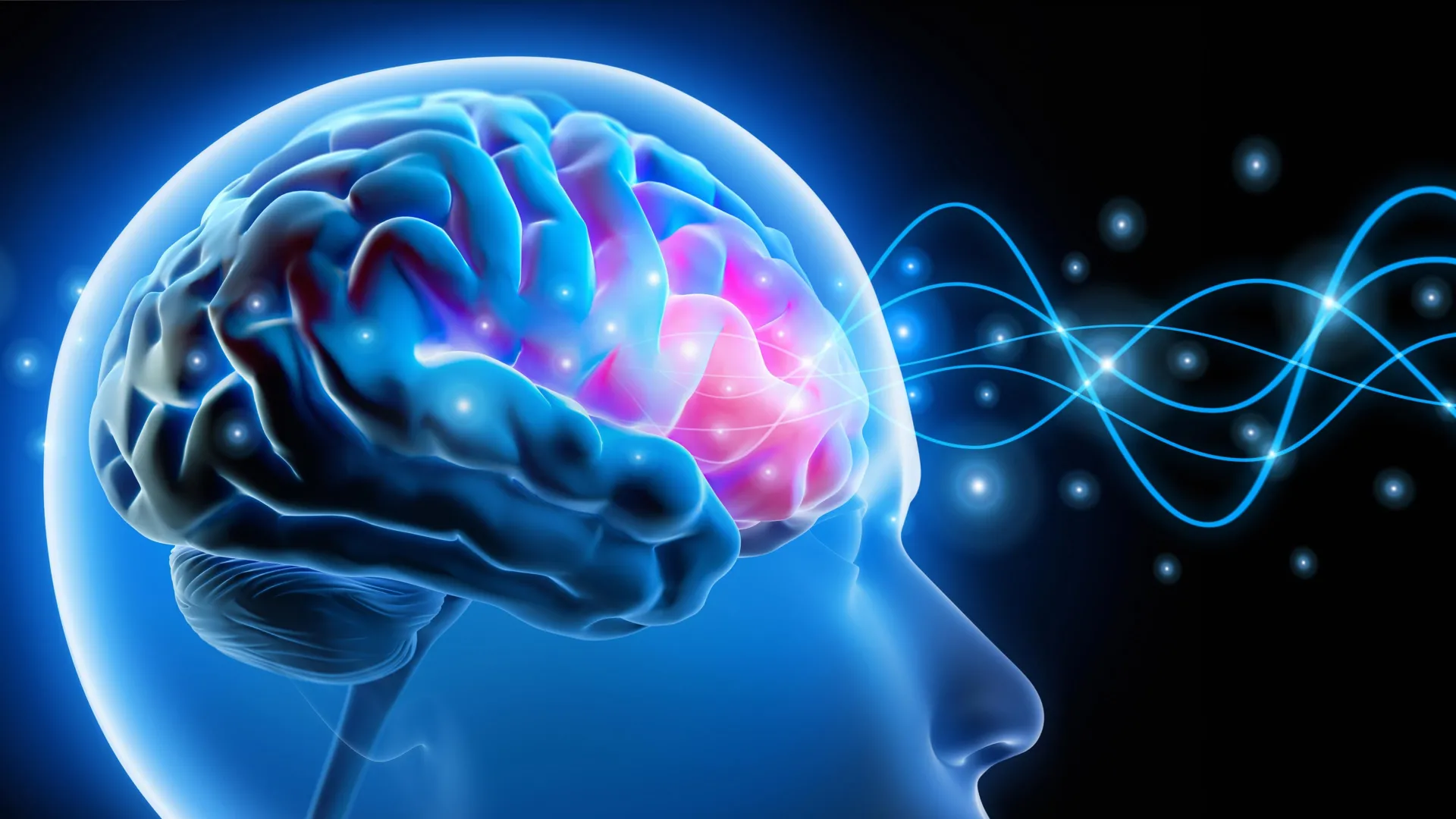
More importantly, the fMRI imaging highlighted distinct changes in brain activation. The study recorded increased activity in the ventromedial prefrontal cortex and the precuneus. These regions are critical to the brain’s reward-processing circuitry. Interestingly, the shift in behavior was not characterized by a diminished fear of loss, but rather by an enhanced sensitivity to potential rewards. When the body was physiologically calmed through the breath, the brain appeared to place greater weight on the "upside" of a risky decision, leading to bolder choices.
"Our study underscores the transformative role of breath-based interventions," said lead author Wenhao Huang. "The interplay between breathing and cardiac dynamics makes the brain more receptive to rewards."
Official Perspectives and Academic Implications
The academic community has received the findings as a significant advancement in the field of decision neuroscience. By providing a "mechanistic bridge" between peripheral physiological states and higher cognitive functions, the research validates the idea that the heart and brain operate as a single, integrated system.
Professor Park notes that while the practice of breathing techniques has existed for millennia, it has often been relegated to the realm of "wellness" rather than "medicine." This study provides the scientific proof required to transition these practices into clinical settings. By establishing that breath is a reliable, targeted method for controlling decision-making, the findings suggest a non-pharmacological, low-cost intervention for a variety of psychological conditions.
"We wanted to create a physiological shift using a slow breathing pattern to change the quality of our decisions," Park explained. "Our decisions are rarely determined solely by external information. Rather, our judgment emerges from the interplay between cognitive processes and our current bodily state."
Broader Impact: From Clinical Settings to Daily Life
The implications of these findings extend far beyond the laboratory. If breathing can be used to recalibrate the brain’s reward sensitivity, the potential for therapeutic applications is vast. For instance, in individuals suffering from anxiety disorders or depression—conditions characterized by disrupted autonomic regulation and an inability to accurately assess reward—targeted breathing exercises could serve as a supportive, accessible tool for self-regulation.
Furthermore, the research team is already looking toward the intersection of breathing and metabolic health. Given that eating behavior is profoundly influenced by reward processing and the body’s internal state, the researchers suggest that future interventions could use breath regulation to help individuals manage food-related decisions. By consciously regulating the breath, an individual might be able to dampen the "impulsive" reward-seeking behavior associated with certain dietary choices, thereby fostering more mindful consumption.
Future Directions and Research Constraints
While the study is a milestone, the authors acknowledge that further research is necessary. The current study involved a cohort of 41 healthy participants; future iterations must determine if these findings hold true for broader, more diverse clinical populations, including those with obesity or metabolic syndrome.
Additionally, the long-term efficacy of these breathing interventions remains to be seen. While the immediate effects of a 2:8 breathing pattern on decision-making are clear, the researchers are interested in whether these techniques can be "trained" to provide lasting improvements in cognitive regulation.
The study was supported by a robust network of German research institutions, including the Federal Ministry for Research, Technology and Space and the German Center for Diabetes Research, reflecting the high level of institutional interest in the findings. As science continues to map the intricate communication lines between the lungs, the heart, and the prefrontal cortex, the simple act of breathing is being revealed as one of the most powerful, and underutilized, tools for governing the human mind. The ability to pause, breathe, and extend the exhale may, quite literally, change the way we choose to interact with the world.