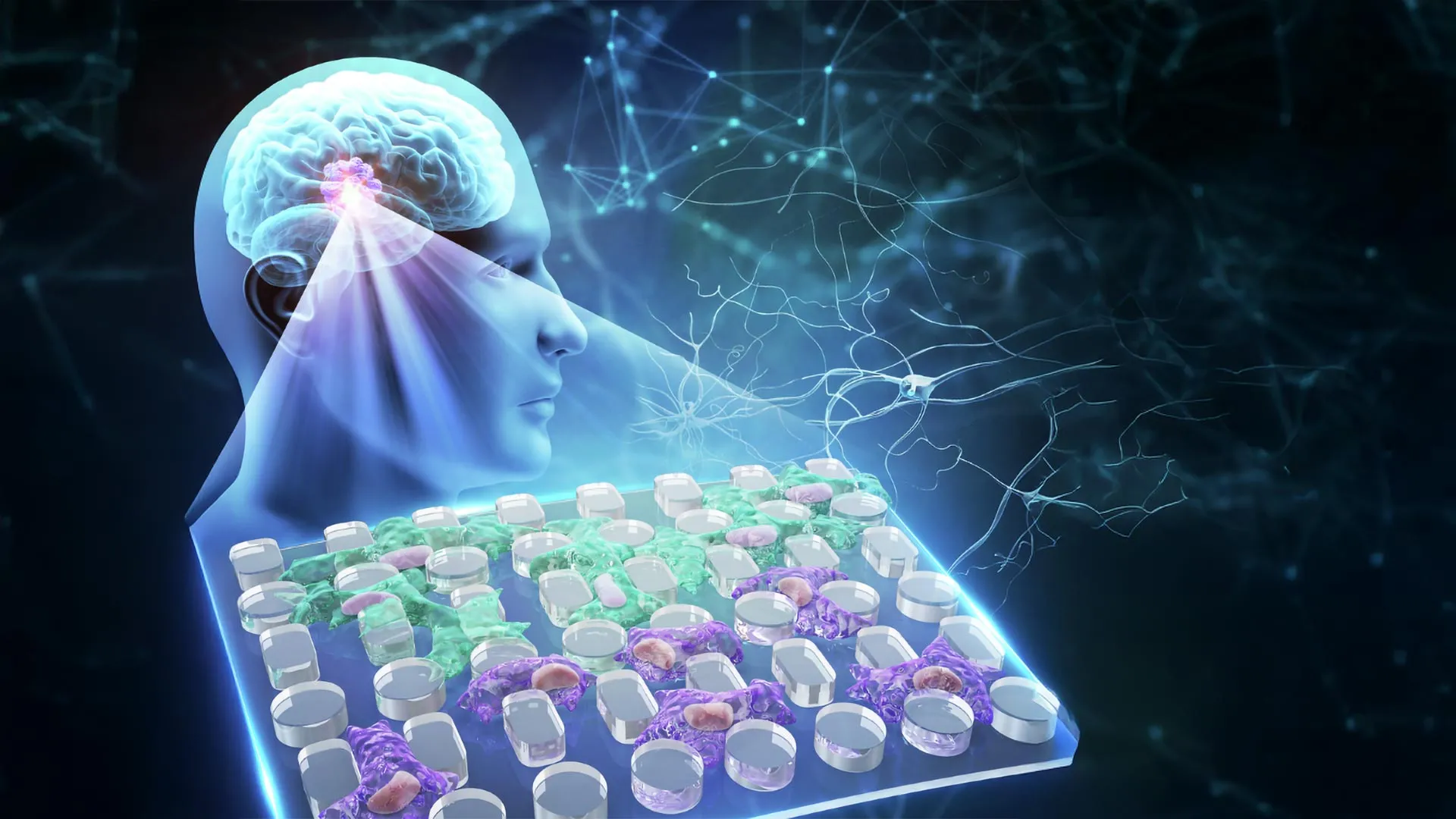
The intricate connection between the human mind and the digestive system has long been a subject of medical inquiry, but a groundbreaking study published in the prestigious journal Gastroenterology has provided some of the most definitive evidence to date regarding how early life stress reshapes this relationship. Researchers have discovered that psychological and environmental stressors experienced during infancy and childhood can fundamentally alter the development of both the gut and the sympathetic nervous system, creating a biological blueprint for chronic digestive issues in adulthood. The study, led by the NYU Pain Research Center, suggests that conditions such as irritable bowel syndrome (IBS), chronic abdominal pain, and motility disorders may not merely be contemporary reactions to adult stress, but rather the long-term manifestations of developmental disruptions occurring decades earlier.
This multidisciplinary research, spearheaded by Dr. Kara Margolis, director of the NYU Pain Research Center and a professor at the NYU College of Dentistry and NYU Grossman School of Medicine, highlights the "bi-directional" nature of the gut-brain axis. By examining the biological mechanisms that translate emotional trauma into physical pathology, the study offers a new framework for "precision medicine" in gastroenterology, moving away from one-size-fits-all treatments toward therapies targeted at specific neurological and hormonal pathways.
The Gut-Brain Axis: A Developmental Perspective
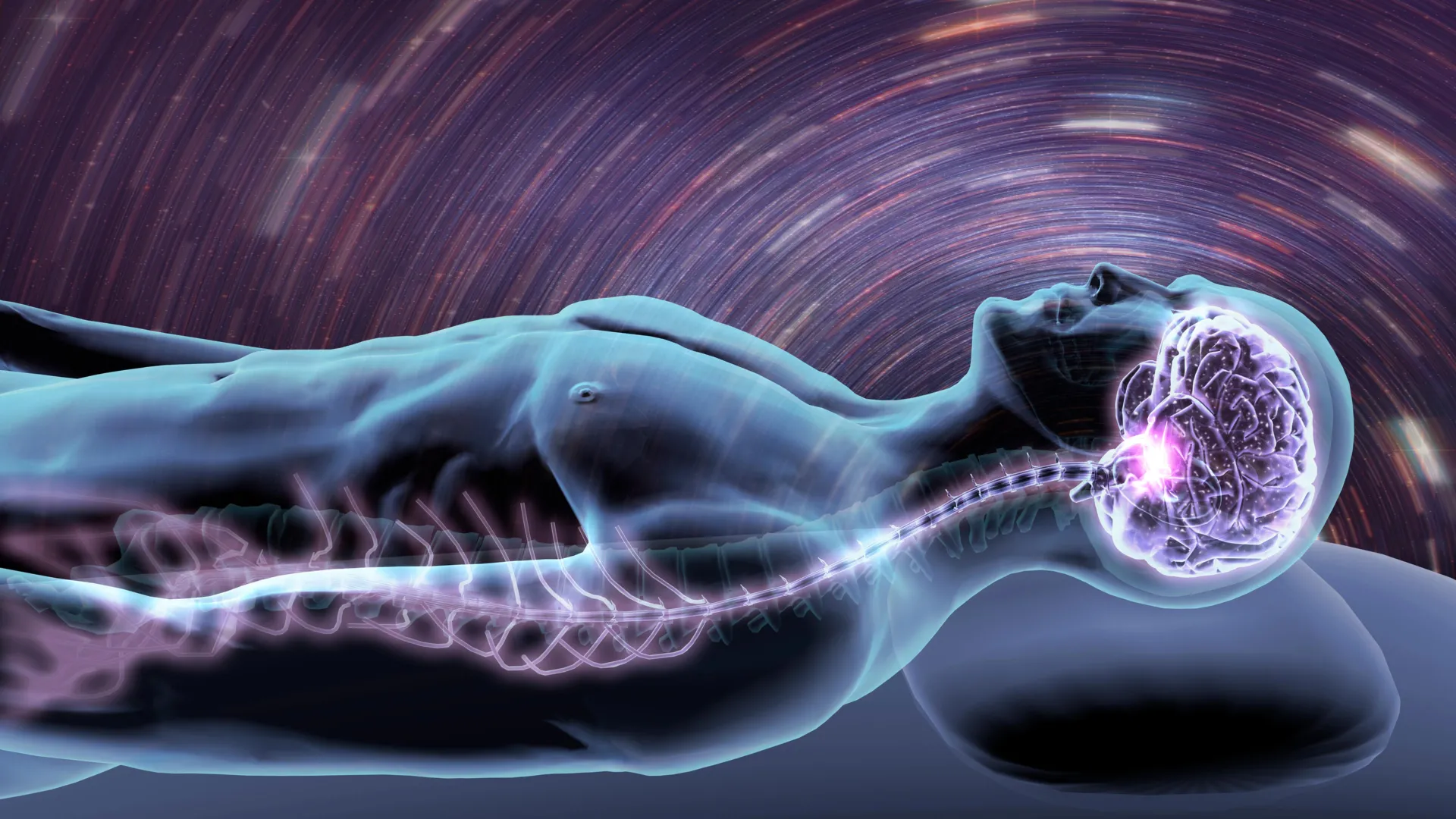
The human gut is often referred to as the "second brain" due to the enteric nervous system (ENS), a complex network of hundreds of millions of neurons governing the gastrointestinal tract. Under normal conditions, the brain and the gut communicate constantly via the vagus nerve and the sympathetic nervous system, regulating everything from the speed of digestion (motility) to the perception of visceral pain.
However, during the critical windows of early development, this communication system is highly plastic and sensitive to external stimuli. "Our research shows that these stressors can have a real impact on a child’s development and may influence gut issues long-term," explained Dr. Margolis. "Understanding the mechanisms involved can help us to create more targeted treatments."
The study posits that when a child experiences emotional neglect, abuse, or the secondary effects of parental mental health struggles, the "alarm" systems of the body—specifically the sympathetic nervous system—remain in a state of hyper-arousal. This prolonged state of stress can recalibrate the gut’s sensitivity, leading to a lifetime of functional gastrointestinal disorders (FGIDs), now more commonly referred to as Disorders of Gut-Brain Interaction (DGBIs).
Animal Models: Mapping the Biological Pathways of Stress
To isolate the specific biological pathways involved, the research team conducted extensive experiments using mouse models. Newborn mice were subjected to "maternal separation stress," where they were removed from their mothers for several hours daily. This method is a standard scientific proxy for simulating early-life neglect or instability.
When these mice reached young adulthood (the equivalent of their late teens or early twenties in human years), the consequences of their early stress became physically evident. The stressed mice exhibited significantly higher levels of anxiety-like behavior and increased sensitivity to gut pain. Most notably, they developed chronic motility issues.
One of the study’s most significant findings was the divergence in symptoms based on biological sex. Female mice were predisposed to develop diarrhea-predominant symptoms, while male mice were more likely to suffer from chronic constipation. This discovery aligns with clinical observations in human populations, where women are disproportionately diagnosed with IBS-D (diarrhea-predominant), although the reasons for this have historically been poorly understood.
Further investigation into the underlying biology revealed that different symptoms are governed by distinct pathways:
- The Sympathetic Nervous System: Disrupting sympathetic nerve signaling in the mice was found to improve motility issues (the speed of waste moving through the gut) but had no effect on the perception of pain.
- Sex Hormones: The researchers found that sex hormones played a critical role in modulating pain sensitivity but did not influence motility.
- Serotonin Pathways: Serotonin, a neurotransmitter found in high concentrations in the gut, was found to be a "master regulator," involved in both the transmission of pain signals and the regulation of gut movement.
"This suggests that there’s no one-size-fits-all approach to treating disorders of gut-brain interaction," Dr. Margolis noted. "When patients experience different symptoms, we may have to target different pathways."
Large-Scale Human Studies: Validating the Connection
The findings from the NYU animal models were corroborated by two massive longitudinal studies involving human cohorts in Denmark and the United States. These studies provided a "real-world" look at how maternal health and childhood environment dictate digestive health outcomes.
The Danish Cohort: Maternal Depression and Childhood GI Risk
The first human study tracked more than 40,000 children in Denmark from birth through age 15. The researchers focused specifically on the impact of maternal depression. Approximately 50% of the children in the study were born to mothers who experienced depression during or after pregnancy.
The data revealed a stark correlation: children whose mothers had untreated depression were significantly more likely to develop a range of digestive conditions, including functional constipation, nausea, vomiting, infant colic, and IBS. Interestingly, the study also touched upon the role of pharmacological intervention. While previous data suggested a link between maternal antidepressant use and childhood constipation, this new study found that the risks associated with untreated depression were even more profound.
"Digestive outcomes for children seem to be even more profound when a mother’s depression is left untreated," said Margolis. This finding has significant implications for prenatal care, suggesting that treating maternal mental health is not only vital for the mother but is a preventative measure for the child’s long-term physical health.
The U.S. ABCD Study: Adverse Childhood Experiences (ACEs)
The second human analysis utilized data from nearly 12,000 children in the United States participating in the Adolescent Brain Cognitive Development (ABCD) study. This study is the largest long-term study of brain development and child health in the U.S.
Researchers examined "Adverse Childhood Experiences" (ACEs), which include physical or emotional abuse, neglect, and parental mental health challenges. They compared these ACE scores with digestive symptoms reported at ages nine and ten. The results were consistent across the board: any form of significant early-life stress was linked to a measurable increase in gastrointestinal problems.
Interestingly, while the mouse studies showed sex-based differences in symptoms, the human data for 9- and 10-year-olds did not show a major difference between boys and girls. Researchers speculate that these sex-specific differences may emerge later in humans, potentially triggered by the hormonal shifts of puberty, which the subjects in the ABCD study had not yet fully navigated.
A Chronology of Discovery in Neuro-Gastroenterology
The NYU study represents a culmination of decades of evolving thought in the field of neuro-gastroenterology.
- The 1980s-1990s: Digestive issues like IBS were often dismissed as "all in the patient’s head" or purely psychological.
- The 2000s: The discovery of the "Second Brain" (ENS) led to an understanding that the gut has its own nervous system that can operate independently of the brain.
- The 2010s: Research began to focus on the gut microbiome and its influence on mood and behavior.
- The 2020s: Current research, including this NYU study, is now mapping the specific molecular and neurological "scars" that early trauma leaves on the gut-brain axis, moving the conversation from psychology to hard biology.
Clinical Implications and Future Directions
The implications of this research for the medical community are vast. For years, gastroenterologists have focused primarily on the gut itself—prescribing fiber, laxatives, or anti-diarrheal medications. However, the NYU study suggests that for many patients, the "problem" is not just in the gut, but in the way the brain and gut communicate.
"When patients come in with gut problems, we shouldn’t just be asking them if they are stressed right now; what happened in your childhood is also a really important question," Margolis emphasized. This trauma-informed approach to gastroenterology could lead to more effective treatments, such as:
- Neuromodulators: Using medications that target the sympathetic nervous system or serotonin pathways rather than just the digestive tract.
- Specialized Antidepressants: Developing mental health medications for pregnant women that do not cross the placenta, protecting the developing fetus while treating the mother.
- Behavioral Therapy: Integrating cognitive-behavioral therapy (CBT) or gut-directed hypnotherapy as primary treatments for DGBIs.
Analysis: The Economic and Social Burden of DGBIs
The economic impact of gastrointestinal disorders is staggering. In the United States alone, IBS is estimated to result in over $1.5 billion in direct medical costs and billions more in lost productivity. By identifying early-life stress as a primary driver, public health officials can argue for more robust early intervention programs and maternal mental health support as a means of reducing the long-term economic burden of chronic illness.
Furthermore, this study bridges the gap between social work and medicine. If childhood neglect and adversity are biological precursors to chronic disease, then social safety nets and family support systems are, in effect, forms of preventative medicine.
Collaborative Effort and Funding
The study was a massive collaborative effort involving researchers from NYU Dentistry, Columbia University, and the University of Southern Denmark. Notable contributors included first author Sarah Najjar and co-senior author Lin Hung of NYU Dentistry, alongside experts in psychiatry and cell biology.
The research was supported by significant investment from the National Institutes of Health (NIH) and the Department of Defense, as well as the American Gastroenterological Association Research Foundation. This level of funding underscores the federal government’s recognition of the gut-brain axis as a frontier of modern medicine.
As medical science continues to unravel the complexities of the human body, the NYU study serves as a poignant reminder that the experiences of our earliest years are never truly left behind. They are written into our biology, influencing our health and well-being long after the original stressors have passed. By acknowledging this history, doctors can finally begin to treat the whole person, rather than just the symptoms.