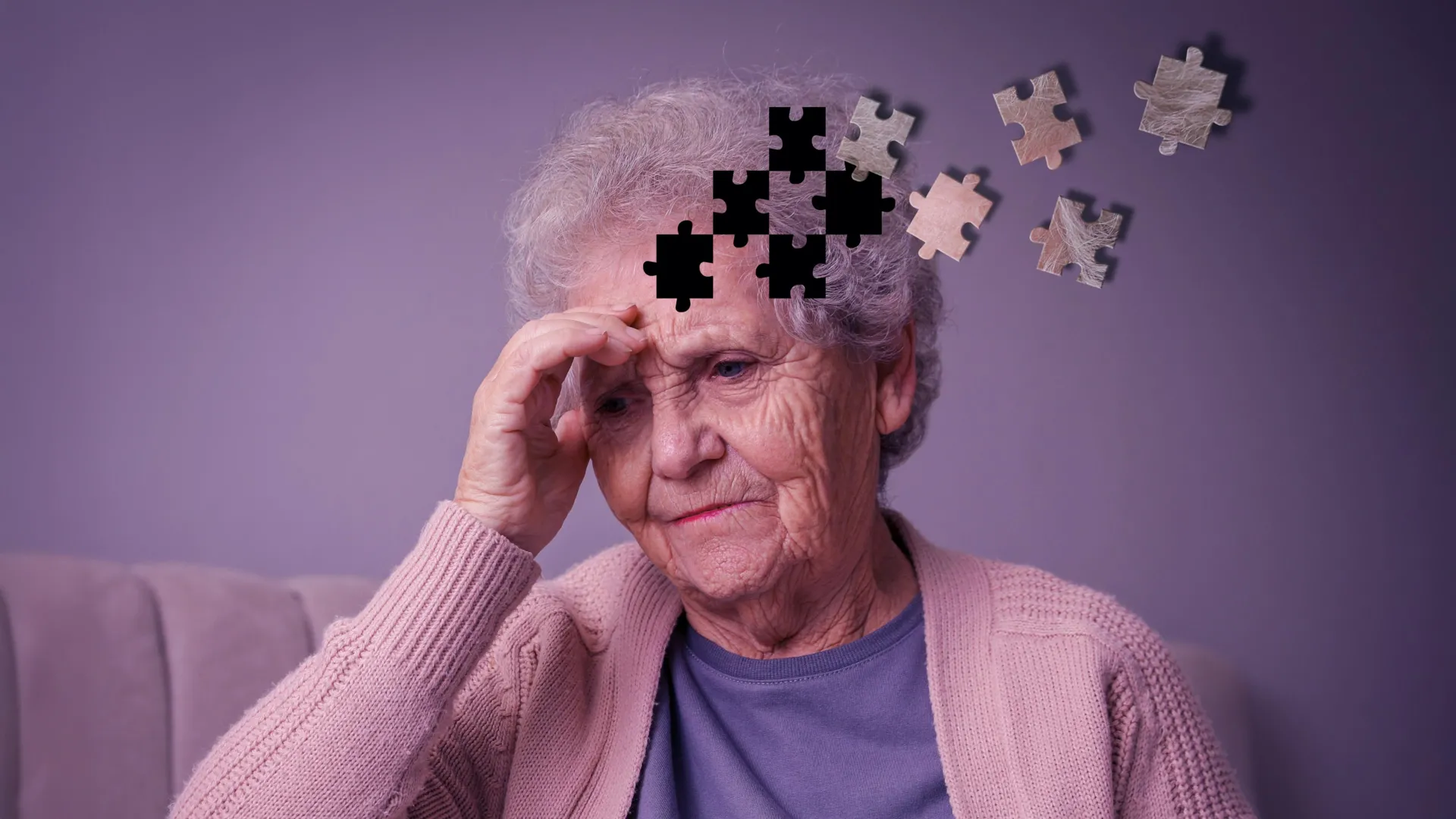
The landscape of neurodegenerative research underwent a significant shift on May 19, 2026, as scientists at the University of California San Diego School of Medicine released a comprehensive study revealing that women are not only more likely to develop Alzheimer’s disease but are also more susceptible to the cognitive damage caused by common health risk factors. Published in the journal Biology of Sex Differences, the study analyzed a massive dataset of more than 17,000 middle-aged and older adults, concluding that certain modifiable lifestyle and medical conditions—ranging from hypertension to hearing loss—exert a disproportionately harsher toll on the female brain compared to the male brain. This research provides a critical missing link in understanding why women represent nearly two-thirds of the approximately seven million Americans currently living with Alzheimer’s disease.
The findings challenge the long-standing medical assumption that the higher prevalence of dementia in women is merely a byproduct of their longer average lifespans. Instead, the UC San Diego team, led by first author Megan Fitzhugh, PhD, and senior author Judy Pa, PhD, suggests a more complex biological and environmental vulnerability. By examining 13 established dementia risk factors, the researchers discovered that the same health ailment can have vastly different outcomes for cognitive longevity depending on the sex of the patient.
The Disproportional Burden of Alzheimer’s on Women
To contextualize the study’s importance, one must look at the current demographic crisis of cognitive decline in the United States. According to data from the Alzheimer’s Association, women at age 65 have a 1-in-5 chance of developing Alzheimer’s, compared to a 1-in-9 chance for men. For decades, the scientific community attributed this gap to the "survival bias," noting that because men are more likely to die younger from cardiovascular disease, women simply live long enough for neurodegeneration to take hold.
However, the new data from UC San Diego indicates that this explanation is insufficient. The researchers utilized the Health and Retirement Study (HRS), a robust, long-term project that tracks a nationally representative sample of U.S. adults. By focusing on middle-aged and older participants, the team could isolate how specific health behaviors and conditions in midlife correlate with cognitive scores later on. The study focused on "modifiable" risk factors—those that can be influenced by lifestyle changes or medical intervention—offering a roadmap for potential prevention strategies that are specifically tailored to sex.
Methodology and Chronology of the Research
The UC San Diego study represents the culmination of several years of data processing and cross-sectional analysis. The researchers utilized the framework established by the Lancet Commission on Dementia Prevention, Intervention, and Care, which identifies key life-course factors that contribute to dementia risk. The 13 factors analyzed included educational attainment, hearing loss, traumatic brain injury, hypertension, alcohol consumption, obesity, smoking, depression, social isolation, physical inactivity, air pollution, and diabetes.
The chronology of this research reflects a broader movement within the National Institutes of Health (NIH) to prioritize "Sex as a Biological Variable" (SABV) in clinical trials. Historically, medical research often used male subjects as the default, assuming that findings would translate equally to women. This study is part of a modern wave of precision medicine that seeks to dismantle those generalizations. By analyzing 17,000 individuals, the UC San Diego team achieved a level of statistical power that allowed them to detect subtle but significant interactions between sex and specific health comorbidities.
Key Findings: The Vulnerability Gap
The analysis revealed a striking dichotomy in how risk factors are distributed and how they impact the brain. On the prevalence side, the study found that men and women struggle with different health burdens. Men in the study showed higher rates of smoking, excessive alcohol consumption, and diabetes. Women, conversely, were more likely to report higher rates of depression and physical inactivity. Educational attainment—a major protective factor against dementia—was also slightly lower on average for the women in this cohort, reflecting historical social disparities in access to higher education for older generations.
However, the most groundbreaking aspect of the study was the "impact gap." The researchers found that even when men were more likely to have a certain condition, that condition was often more damaging to women’s cognitive scores.
- Cardiometabolic Health: Hypertension (high blood pressure) and a high Body Mass Index (BMI) showed significantly steeper negative associations with cognitive performance in women than in men. While six out of 10 participants across both sexes had high blood pressure, the associated cognitive decline was more pronounced in the female group.
- Hearing Loss and Diabetes: Despite these conditions being more prevalent among the male participants, their presence was linked to significantly lower cognitive test scores in women. This suggests that the female brain may have a lower threshold for the systemic inflammation or sensory deprivation caused by these issues.
- Depression and Inactivity: Because women reported higher rates of these two factors, and because these factors were strongly tied to cognitive decline, they represent a "double whammy" for the female population—higher prevalence combined with high impact.
Expert Analysis and Official Responses
"Looking beyond which risk factors are most common, we found that some have a disproportionately larger impact on women’s cognition," stated Megan Fitzhugh, PhD, assistant professor of neurosciences at UC San Diego School of Medicine. Fitzhugh emphasized that public health campaigns that focus solely on the most common risks might be missing the mark. "This suggests that prevention efforts may be more effective if they are tailored not just to risk factor prevalence, but to how strongly each factor affects cognition in women versus men."
Senior author Judy Pa, PhD, a professor of neurosciences at UC San Diego, highlighted the systemic neglect of sex differences in general medicine. "Sex differences are profoundly overlooked among many leading causes of death like Alzheimer’s, heart disease, and cancer," Pa noted. She argued that the findings are a call to action for the medical community to move toward precision medicine, where a patient’s sex is a primary factor in determining their risk profile and treatment plan.
The study has garnered attention from the Alzheimer’s Association, which provided funding through the SAGA (Sex and Gender in Alzheimer’s) grant program. Representatives from the association suggested that these findings could lead to new clinical guidelines. If a woman presents with midlife hypertension, for example, a physician might need to be more aggressive in treatment than they would be for a male patient, knowing the heightened risk of future cognitive impairment.
Biological and Social Implications
While the study identifies the "what," the "why" remains a subject of intense investigation. Scientists suggest several potential drivers for why women’s brains might be more sensitive to these risk factors:
- Hormonal Influences: The transition through menopause involves a significant drop in estrogen, a hormone that has neuroprotective qualities. This hormonal shift may leave the female brain more vulnerable to the inflammatory effects of diabetes or hypertension.
- Genetic Markers: The APOE-ε4 allele is the strongest genetic risk factor for late-onset Alzheimer’s. Research has shown that women with one copy of this gene are more likely to develop the disease than men with the same genetic profile.
- Social Determinants of Health: Historically, women have faced different stressors, including lower pay, higher rates of caregiving responsibilities, and less access to preventative healthcare in certain regions. These "weathering" effects can accumulate over a lifetime, reducing cognitive reserve.
A New Framework for Dementia Prevention
The implications of this research for the future of public health are vast. As the global population ages, the economic and social burden of dementia is expected to triple by 2050. By identifying that women need more targeted interventions for depression, cardiovascular health, and physical activity, healthcare systems can allocate resources more effectively.
For instance, the study suggests that treating hearing loss in women should be a high-priority neurological intervention, not just a quality-of-life issue. Similarly, managing midlife obesity in women may be more critical for preventing dementia than previously understood.
The UC San Diego team concluded their report by calling for more longitudinal studies that track these variables over decades. They also emphasized the need for clinical trials to report sex-stratified results. "Ultimately, a more nuanced understanding of these differences could help us design smarter, more targeted interventions," Fitzhugh said. "That’s an essential step toward reducing the burden of dementia for everyone, but especially for women, who are disproportionately affected."
As the medical community digests these findings, the shift toward a more personalized, sex-specific approach to brain health appears not only logical but necessary. The study serves as a reminder that in the fight against Alzheimer’s, equality in treatment requires an acknowledgment of biological and environmental differences. For the seven million Americans currently battling the disease, and the millions more at risk, these insights offer a glimmer of hope for a future where prevention is as precise as the disease is devastating.